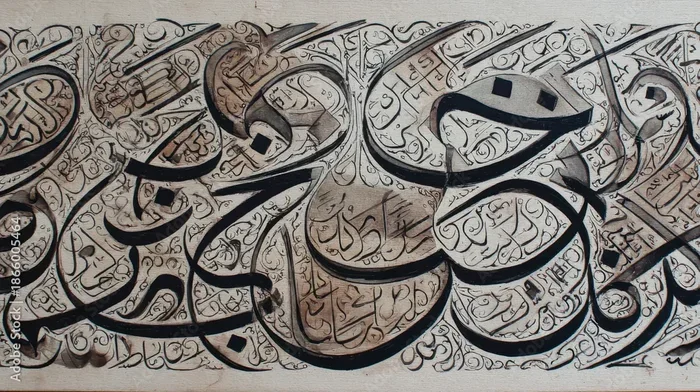

Learning how to say and in Arabic is one of the first steps every beginner should take. The most common word for and in Arabic is وَ (wa), and it appears in almost every sentence. This guide covers pronunciation, different forms, and practical examples so you can start using Arabic conjunctions confidently today.
Have you ever wondered how to say and in Arabic? If you are just starting your journey with the Arabic language, this is one of the very first words you should learn. The word for and in Arabic is short, easy to pronounce, and used in almost every sentence you will ever hear or read.
Knowing how to say and in Arabic gives you a huge advantage. It helps you connect words, build longer sentences, and understand native speakers much faster. Whether you are learning Modern Standard Arabic or a specific dialect, the word wa (وَ) is everywhere. In this step by step guide, we will walk you through everything you need to know about this essential Arabic conjunction.
We will cover pronunciation, different ways to say and in Arabic, common phrases, and helpful tips that make learning fun. By the end of this guide, you will feel confident using and in Arabic in real conversations. Let us dive right in.
Key Takeaways
- Wa (وَ) is the most common way to say and in Arabic: It is used in everyday speech and writing across all Arabic dialects.
- Pronunciation is simple: The word sounds like wah and is easy for English speakers to learn.
- There are multiple ways to say and in Arabic: Depending on context, you may also use words like ma’a or fa.
- And in Arabic grammar plays a key role: It connects words, phrases, and sentences just like in English.
- Practice with real examples: Using and in Arabic phrases helps you remember faster and speak more naturally.
- Mastering conjunctions opens doors: Once you learn how to say and in Arabic, other connecting words become much easier to understand.
📑 Table of Contents
What Does And Mean in Arabic?
The Arabic word for and is وَ (pronounced wa). It is a tiny word with enormous power. Without it, Arabic sentences would feel choppy and disconnected. With it, your speech flows naturally and sounds much more like a native speaker.
In Arabic grammar, and is called a conjunction. Conjunctions are words that link other words, phrases, or clauses together. The Arabic word wa serves this exact purpose. It is the most frequently used conjunction in the entire Arabic language.
Here is something interesting. The word wa in Arabic can also mean with in certain contexts. This dual meaning makes it even more important to learn early on. When you see wa in a sentence, pay attention to the surrounding words to understand whether it means and or with.
Why Learning And in Arabic Matters
You might wonder why such a small word deserves so much attention. The answer is simple. And is one of the most common words in any language. In English, we use and constantly. Arabic works the same way.
When you learn how to say and in Arabic, you unlock the ability to:
- Connect nouns like apples and oranges (تفاح وبرتقال)
- Link verbs like I read and write (أقرأ وأكتب)
- Build complex sentences with ease
- Understand Arabic text messages and social media posts
- Sound more natural when speaking with native speakers
Think of wa as the glue that holds Arabic sentences together. Once you master it, everything else starts to click into place much faster.
How to Pronounce And in Arabic
Pronouncing the Arabic word for and is surprisingly easy for English speakers. The word wa sounds just like the English word wah. That is it. No tricky sounds, no unfamiliar throat shapes.
Here is a simple breakdown of how to say it correctly:
- Start with a W sound: Just like in the English word water. Let your lips round slightly.
- Add a short A sound: Like the a in apple. Keep it short and crisp.
- Put them together: Wah. That is wa (وَ).
The letter و in Arabic is called waw. It always makes a W sound. The small mark above it is called a fatha, and it tells you to say a short a sound right after the w.
Common Pronunciation Mistakes to Avoid
Many beginners make small mistakes when they first learn how to say and in Arabic. Here are the most common ones to watch out for:
- Making the w sound too breathy: Keep it clean and sharp. Do not add extra air.
- Stretching the a sound: The a in wa is short. Do not say waaah. Keep it quick.
- Forgetting the vowel: Some learners say just w without the a. Always include the short a.
- Confusing it with the English word and: The Arabic wa sounds different from the English and. Practice listening to native speakers.
A great way to improve your pronunciation is to listen to Arabic podcasts or watch short Arabic videos. Hearing the word in context helps your ears adjust to the correct sound.
Different Ways to Say And in Arabic
Here is something that surprises many beginners. There is not just one way to say and in Arabic. While wa is the most common, there are other words that serve a similar purpose depending on the context.
The Word Wa (وَ)
Wa (وَ) is the go to word for and in Arabic. You will use it in almost every situation. It works between nouns, verbs, adjectives, and entire sentences.
Examples of wa in action:
- كتاب وقلم (kitaab wa qalam) = book and pen
- أنا وأنت (ana wa anta) = I and you
- جميل وجميل (jameel wa jameel) = beautiful and beautiful
Wa is versatile and universal. Whether you are speaking Modern Standard Arabic or a regional dialect, wa will always be understood.
The Word Fa (فَ)
Fa (فَ) is another word that can mean and in Arabic. However, fa is used more in formal writing and classical Arabic. It often appears at the beginning of a sentence to connect it to the previous one.
Fa is similar to the English word so or and in certain contexts. It gives a slightly different feel than wa. You will see fa more often in the Quran, academic texts, and formal speeches.
The Word Ma (مَعَ)
Ma (مَعَ) means with in Arabic, but it can also function like and in some situations. This is especially true when you want to say someone is doing something together with another person.
For example:
- أنا معك (ana ma’ak) = I am with you
- هو معها (huwa ma’aha) = he is with her
While ma is not a direct translation of and, understanding it helps you grasp how Arabic speakers connect ideas in casual conversation.
Common Phrases Using And in Arabic
The best way to learn how to say and in Arabic is to see it inside real phrases. Here are some common Arabic expressions that use wa and other conjunctions.
Everyday Greetings and Introductions
- مرحبا وأهلا (marhaba wa ahlan) = hello and welcome
- أنا طالب وأنت؟ (ana taalib wa anta?) = I am a student and you?
- السلام عليكم ورحمة الله (as-salaam alaykum wa rahmatullah) = peace and mercy of God be upon you
Notice how wa appears in almost every greeting. This shows just how essential the word is in Arabic. Even the most basic phrases rely on it.
Describing People and Things
- كبير وصغير (kabir wa sagheer) = big and small
- قوي وذكي (qawi wa dhaki) = strong and smart
- أحمر وأزرق (ahmar wa azraq) = red and blue
These phrases are perfect for beginners because they use simple adjectives connected by wa. Try saying them out loud to practice your pronunciation.
Talking About Daily Activities
- أقرأ وأكتب (aqra wa aktub) = I read and write
- أذهب إلى المدرسة والعمل (adhhab ila al-madrasa wal-amal) = I go to school and work
- أحب الشاي والقهوة (uhibb ash-shay wa al-qahwa) = I love tea and coffee
These everyday phrases help you use and in Arabic in a practical way. The more phrases you memorize, the faster your Arabic will improve.
And in Arabic Texting and Social Media
Arabic text abbreviations are huge right now. Many young Arabic speakers use shorthand when texting. Learning these can help you understand messages from Arabic friends or followers.
If you want to explore more about Arabic text abbreviations, you can check out Wtw Meaning In Text to see how Arabic speakers use shortcuts online. Similarly, Ts Meaning In Text covers another popular abbreviation that Arabic speakers use in digital communication.
In text messages, wa is often shortened or written in different ways depending on the dialect. Egyptian Arabic speakers might write it differently than Gulf Arabic speakers. But the core meaning stays the same.
And in Arabic Grammar Rules
Understanding how and works in Arabic grammar helps you use it correctly. The rules are simpler than you might think.
Wa Between Two Nouns
When you connect two nouns with wa, both nouns stay in their original form. There is no change needed.
Example:
- ولد وفتاة (walad wa fatat) = a boy and a girl
- بيت ومدرسة (bayt wa madrasa) = a house and a school
Wa Between Two Verbs
When connecting two verbs, the wa comes right after the first verb. Both verbs keep their conjugated form.
Example:
- أذهب وأعود (adhhab wa aoud) = I go and return
- أكتب وأقرأ (aktub wa aqra) = I write and read
Wa in Lists
When listing three or more items, Arabic speakers place wa before the last item. This is very similar to how we use a comma and and in English.
Example:
- تفاح وبرتقال وموز (tuffah wa budharaan wa mawz) = apples and oranges and bananas
This pattern is important to remember. It shows up constantly in Arabic speech and writing.
Tips for Remembering How to Say And in Arabic
Memorizing new vocabulary can be tough. Here are some fun and effective tips to help you remember the Arabic word for and.
Use Flashcards
Write wa (وَ) on one side of a flashcard and and on the other side. Review them every day for five minutes. Over time, the word will stick without effort.
Practice With a Partner
Find a friend or language partner who speaks Arabic. Practice saying phrases that use wa out loud. Speaking with someone else makes learning feel natural and enjoyable.
Watch Arabic Content
Watch Arabic cartoons, shows, or short clips on YouTube. Pause when you hear wa and repeat it. Listening and repeating is one of the fastest ways to improve your Arabic vocabulary.
Label Things Around You
Put sticky notes on objects in your home with their Arabic names and the word wa. For example, put a note on your door that says باب و نافذة (bab wa nafitha) = door and window. Seeing the words every day reinforces your memory.
Explore Arabic Naming Traditions
Many Arabic names include the word wa or related connecting elements. If you are curious about Arabic names and their meanings, check out Funny First And Last Names for a fun look at naming traditions across cultures, including Arabic names that use connecting words.
Common Mistakes When Using And in Arabic
Even though wa is a simple word, beginners still make mistakes. Here are the most common ones and how to avoid them.
- Using the wrong conjunction for the context: Not every situation calls for wa. Sometimes fa or ma is more appropriate. Pay attention to how native speakers use these words.
- Forgetting the vowel on wa: Always say wa (waw with a fatha). Saying just w makes the word incomplete.
- Overusing wa in formal writing: In academic or formal Arabic, fa is preferred over wa in some cases. Learning when to use each shows a higher level of fluency.
- Ignoring dialect differences: Egyptian Arabic, Levantine Arabic, and Gulf Arabic all use wa, but they may pronounce it slightly differently. Exposure to multiple dialects helps you adapt.
Key Takeaways
- Wa (وَ) is the most common way to say and in Arabic: It is used in everyday speech and writing across all Arabic dialects.
- Pronunciation is simple: The word sounds like wah and is easy for English speakers to learn.
- There are multiple ways to say and in Arabic: Depending on context, you may also use words like ma’a or fa.
- And in Arabic grammar plays a key role: It connects words, phrases, and sentences just like in English.
- Practice with real examples: Using and in Arabic phrases helps you remember faster and speak more naturally.
- Mastering conjunctions opens doors: Once you learn how to say and in Arabic, other connecting words become much easier to understand.
Conclusion
Learning how to say and in Arabic is a small step that leads to big results. The word wa (وَ) is simple to pronounce, easy to remember, and used in nearly every Arabic sentence. From greetings to daily conversations to text messages, and connects everything in the Arabic language.
By practicing the phrases in this guide, you are building a strong foundation for your Arabic skills. Every new word you learn makes the next one easier. And now that you know how to say and in Arabic, you are ready to connect words, ideas, and conversations like a pro.
Keep practicing every day. Listen to native speakers. Repeat phrases out loud. And most importantly, have fun with the language. Arabic is beautiful, rich, and rewarding to learn. The word wa is your first step toward fluency. Use it often, use it proudly, and watch your Arabic skills grow.
Soon you will find yourself thinking in Arabic and using wa without even thinking about it. That is the sign of real progress. Keep going, and enjoy the journey of learning Arabic one word at a time.
Frequently Asked Questions
What is the Arabic word for and?
The most common Arabic word for and is وَ (wa), pronounced like wah. It is a conjunction used to connect words, phrases, and sentences in Arabic. It appears in almost every Arabic sentence you will encounter.
How do you pronounce wa in Arabic?
Wa is pronounced like the English word wah. Start with a W sound, then add a short a sound. Keep it short and crisp. Do not stretch the vowel. Practice saying it slowly at first, then speed up as you get comfortable.
Are there other words for and in Arabic besides wa?
Yes, there are a few alternatives. Fa (فَ) is used more in formal and classical Arabic writing. Ma (مَعَ) means with but can function similarly to and in some contexts. However, wa is by far the most common and universally understood option.
Can I use wa in all Arabic dialects?
Absolutely. Wa is used across all Arabic dialects including Egyptian, Levantine, Gulf, and North African Arabic. While pronunciation may vary slightly by region, the word and its meaning remain the same everywhere.
How can I practice using and in Arabic sentences?
Start by writing simple lists of words connected by wa, like fruits or colors. Then try forming full sentences such as أنا أحب القهوة والشاي (I love coffee and tea). Practice with a language partner or by repeating phrases from Arabic videos and podcasts daily.
Why is the word and so important in Arabic?
And is one of the most frequently used words in any language. In Arabic, wa acts as the main connector between ideas, items, and actions. Without it, sentences would be incomplete and difficult to understand. Mastering wa early in your Arabic journey builds a strong base for more advanced learning.



