
The zeitgeist meaning is simple: it is the defining spirit or mood of a particular period in history. Zeitgeist comes from German and translates to “spirit of the time.” When people talk about the cultural climate, they refer to the shared beliefs, ideas, and attitudes that shape a generation. Understanding zeitgeist helps you see why certain trends, art, and movements emerge when they do. This article breaks down the real zeitgeist meaning, shows you why it matters, and gives you practical examples you can use today.
When we ask what is the real zeitgeist meaning, we are really asking about the heartbeat of a generation. The word zeitgeist comes from two German words: Zeit, which means time, and Geist, which means spirit. Put them together, and you get the “spirit of the time.” This concept is not just a fancy term. It is a powerful lens for understanding why societies change, why certain art movements explode, and why businesses succeed or fail. Zeitgeist meaning captures the shared beliefs, hopes, fears, and attitudes that define a specific era. In this article, we will explore the zeitgeist definition, look at real zeitgeist examples, and show you why paying attention to the cultural climate can change the way you see the world.
You might hear people say a movie “captures the zeitgeist” or that a fashion trend “defines the spirit of the times.” These are not just empty phrases. They point to something real. Every decade, every era, has a unique energy. That energy shapes what we wear, what we listen to, what we buy, and even what we believe. Understanding zeitgeist helps you read the room, whether that room is a boardroom, a art gallery, or a social media feed. Let us dive into the heart of what makes an era tick.
Key Takeaways
- Zeitgeist captures the spirit of the times: It is the collective mood, beliefs, and attitudes that define an era.
- Zeitgeist meaning goes beyond trends: It reflects deep cultural shifts, not just short-lived fads.
- Understanding the cultural climate helps businesses and creators: It guides smarter decisions in art, tech, and marketing.
- Zeitgeist appears in every field: From fashion and music to politics and technology, it shapes what we value.
- Spotting the zeitgeist early gives an edge: It allows you to align with what society is ready for.
- Common mistakes blur zeitgeist with fads: A fad is temporary; the zeitgeist is a deeper, lasting shift.
- The zeitgeist is always changing: Each generation creates its own unique spirit of the times.
📑 Table of Contents
What Does Zeitgeist Meaning Really Mean?
The zeitgeist meaning is often described as the defining spirit or mood of a particular period. But it is more than just a vibe. It is a deep, collective consciousness. When historians study the spirit of the times, they look at the big ideas that shaped a generation. They examine the cultural climate of an era: the dominant values, the prevailing fears, the hopes for the future. Zeitgeist is the invisible thread that connects the choices people make in a given time.
To grasp the zeitgeist definition, think of it as the emotional and intellectual atmosphere of a society. It is the reason why the 1960s gave birth to psychedelic rock and civil rights movements. It is the reason why the 1980s embraced neon colors, big hair, and corporate ambition. The cultural climate is not created by one person. It emerges from the shared experiences of millions of people. Wars, technological breakthroughs, economic booms, and social shifts all feed into this collective mood.
The German Roots of the Word
The word zeitgeist was popularized by the philosopher Georg Wilhelm Friedrich Hegel in the 19th century. He used it to describe the driving force behind historical change. In German, Zeit means time and Geist means spirit or ghost. So, zeitgeist literally translates to “time spirit.” Over the years, the term made its way into English and became a common way to talk about the mood of an era. Today, when you hear someone say “the zeitgeist of the 2020s,” they are talking about the unique energy, anxieties, and aspirations of our current moment.
How Zeitgeist Differs from Era or Trend
People often confuse zeitgeist with an era, a trend, or a fad. But they are not the same. An era is a long span of time, like the Victorian Era or the Space Age. A trend is a temporary style or behavior that gains popularity, like a specific dance on TikTok. A fad is even shorter-lived and fades quickly. The zeitgeist sits above all of these. It is the underlying current that makes an era feel distinct. A trend might be part of the zeitgeist, but the zeitgeist is much bigger. It shapes the trends, rather than being shaped by them.
Here is a simple way to think about it:
- Era: A broad period of time, like the Industrial Revolution.
- Trend: A popular style or behavior, like bell-bottom jeans.
- Fad: A short-lived craze, like a viral dance challenge.
- Zeitgeist: The deep, shared spirit that defines an entire period and influences all the above.
Quick Tips: How to Spot the Zeitgeist
Spotting the spirit of the times is a skill you can develop. Start by paying attention to the conversations around you. What are people talking about on social media? What themes keep showing up in movies, music, and books? Look at the dominant fears and hopes. Are people excited about artificial intelligence or anxious about climate change? Those collective feelings are clues to the cultural climate. Another tip is to look at the art. The music, visual art, and literature of a period often reflect the zeitgeist more clearly than news headlines. Finally, watch for shifts in language. New words and phrases often capture the zeitgeist before anything else does.
Why Understanding the Zeitgeist Matters
You might wonder why zeitgeist meaning matters in everyday life. The truth is, the cultural climate affects almost everything. For businesses, understanding the spirit of the times is the difference between a hit product and a flop. For artists, it is the difference between creating something that resonates and creating something that falls flat. For individuals, it helps you make sense of the world around you. When you understand the zeitgeist, you understand why people behave the way they do.
Leaders and brands that tap into the zeitgeist often see incredible success. Think about how Apple captured the zeitgeist of the early 2000s with sleek, minimalist design and a focus on individual creativity. Or how Nike tapped into the cultural climate of social justice with powerful campaigns. These companies did not just sell products; they connected with the deeper zeitgeist of their audience. They understood what people were feeling and thinking at a fundamental level.
The Power of Cultural Climate
The cultural climate is the soil in which ideas grow. When the climate is right, movements bloom. For example, the cultural climate of the 1960s was ripe for change. People were questioning authority, demanding civil rights, and exploring new forms of expression. This cultural climate gave birth to the Beatles, the Civil Rights Movement, and the moon landing. The zeitgeist of that time was one of hope, rebellion, and possibility. Understanding this helps us see that history is not just a list of events. It is a story of shared human energy.
How Leaders and Brands Use the Spirit of the Times
Smart leaders and brands do not just react to the zeitgeist; they anticipate it. They study the cultural climate and look for patterns. They ask questions like: What are people afraid of? What do they dream about? What new technologies are changing daily life? By answering these questions, they can create messages, products, and experiences that feel timely and relevant. This is why zeitgeist in business is such a powerful concept. It is not about guessing the future. It is about listening to the present.
Common Mistakes: Confusing Zeitgeist with Fads
One of the biggest mistakes is confusing a zeitgeist with a fad. A fad is a temporary burst of popularity. Think of the fidget spinner craze or a viral meme. These things flare up and fade away quickly. The zeitgeist is much deeper and longer-lasting. Another mistake is thinking the zeitgeist is only about pop culture. While music, fashion, and film are important expressions, the spirit of the times also includes politics, economics, science, and social attitudes. A complete view of the cultural climate includes all of these layers.
Zeitgeist Examples Across History
The best way to understand zeitgeist meaning is to look at real zeitgeist examples from different periods. Each era has its own unique energy. By studying these examples, you can see how the spirit of the times shapes everything from art to technology.
The Roaring Twenties and Their Cultural Climate
The 1920s are a classic example of a powerful zeitgeist. After the devastation of World War I, society craved joy, freedom, and self-expression. This cultural climate gave birth to the Jazz Age, flapper fashion, and a wild nightlife scene. The zeitgeist of the 1920s was all about breaking rules and living in the moment. Art Deco architecture, the rise of cinema, and the birth of modern advertising all reflected this energy. The spirit of the times was optimistic, rebellious, and forward-looking.
The 1960s Counterculture Movement
The 1960s were defined by a zeitgeist of revolution and change. The cultural climate was charged with demands for civil rights, women’s liberation, and an end to the Vietnam War. This zeitgeist fueled psychedelic rock music, experimental art, and a rejection of traditional values. The spirit of the times was one of idealism, protest, and a deep desire for a more just world. Musicians like Bob Dylan and Jimi Hendrix became the voices of a generation because their music captured the cultural climate perfectly.
The Digital Age and Modern Innovation
Today, we live in the zeitgeist of the digital age. The cultural climate is shaped by the internet, smartphones, social media, and artificial intelligence. This zeitgeist is defined by connectivity, speed, and constant change. People expect instant access to information and instant gratification. The spirit of the times is both exciting and anxious. We are more connected than ever, yet many feel isolated. The zeitgeist of our era also includes a growing awareness of mental health, sustainability, and social justice. These themes appear everywhere, from zeitgeist in tech startups to zeitgeist in fashion brands promoting eco-friendly materials.
Expert Insights: Historians on Capturing the Moment
Historians often say that the zeitgeist is the hardest thing to pin down because it is so fluid. As one expert noted, “The cultural climate is like weather. You can feel it, but you cannot grab it.” Another historian points out that the spirit of the times is not just a top-down phenomenon. It emerges from the bottom up, from the daily choices and conversations of ordinary people. This is why studying zeitgeist in literature and zeitgeist in music is so valuable. These art forms often capture the cultural climate more honestly than political speeches. They give voice to the unspoken feelings of a generation.
Zeitgeist in Art, Music, and Film
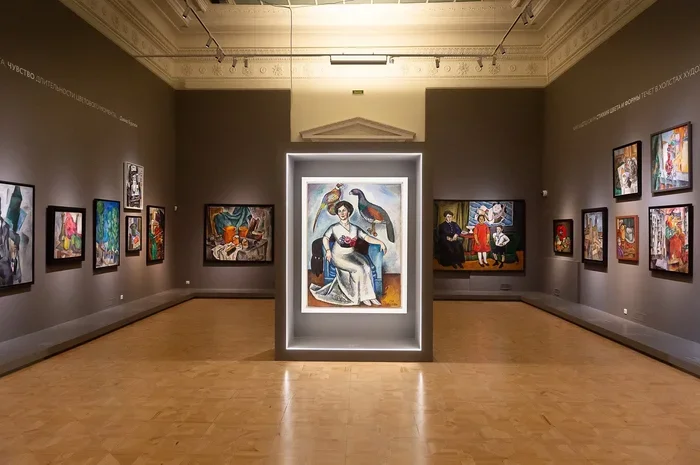
Art is one of the clearest mirrors of the zeitgeist. When you look at a painting, listen to a song, or watch a film, you are often looking directly at the cultural climate of its time. Zeitgeist in art is not just about style; it is about the themes and emotions that dominate a period.
How Art Reflects the Zeitgeist
Think about how Impressionism emerged in the 19th century. The cultural climate was shifting from rigid academic rules to a focus on individual perception and light. Artists like Monet and Renoir captured this spirit of the times by painting fleeting moments and everyday scenes. In the 1980s, the zeitgeist of excess and consumerism gave rise to pop art and bold, colorful works by artists like Keith Haring and Jean-Michel Basquiat. Today, digital art and NFTs reflect the zeitgeist of the internet age, where value and ownership are being redefined. The cultural climate directly shapes what artists create and how audiences receive it.
Music as a Mirror of Society
Music is perhaps the most powerful expression of zeitgeist in music. The songs that top the charts often capture the collective mood of a generation. In the 1990s, grunge music and the rise of Nirvana reflected a zeitgeist of disillusionment and anti-establishment sentiment. In the 2010s, the cultural climate of social justice and identity politics influenced the rise of hip-hop and R&B artists who spoke openly about race, gender, and inequality. The spirit of the times is in the lyrics, the beats, and the way people dance. When you listen to the music of an era, you are hearing the zeitgeist in its purest form.
Film and the Spirit of the Times
Film is another powerful lens for zeitgeist examples. Movies often crystallize the cultural climate of their moment. The film “The Matrix” (1999) captured the zeitgeist of late-1990s anxiety about technology and reality. “Barbie” (2023) tapped into the spirit of the times around feminism, identity, and nostalgia. Even blockbuster franchises like Marvel reflect the zeitgeist of our era: a desire for heroism, complex moral questions, and global spectacle. Zeitgeist in film is not just about special effects. It is about the stories we tell ourselves about who we are and where we are going.
Zeitgeist in Business and Technology
The cultural climate has a massive impact on the business world. Companies that understand zeitgeist in business can innovate faster and connect more deeply with customers. The spirit of the times drives consumer behavior, investment trends, and even the way we work.
Why Tech Companies Chase the Cultural Climate
Tech companies are masters of reading the cultural climate. They build products that align with the zeitgeist of the moment. When the spirit of the times shifted toward remote work and digital connection, companies like Zoom and Slack exploded. When zeitgeist in technology turned toward sustainability, electric vehicle makers like Tesla surged ahead. The key is to sense the cultural climate early and build solutions that feel inevitable. This is why zeitgeist in tech is such a valuable concept for entrepreneurs and investors.
The Role of Social Media in Shaping Trends
Social media has accelerated the way the zeitgeist moves. In the past, the spirit of the times might take years to spread. Today, a TikTok trend can capture the cultural climate in days. Platforms like Instagram and X (formerly Twitter) act as real-time barometers of the zeitgeist. They show us what people are talking about, what they are laughing at, and what they are afraid of. For brands, social media is a goldmine of zeitgeist examples. By monitoring conversations and sentiment, companies can stay ahead of the cultural climate and create content that resonates.
Quick Tips: How Businesses Can Tap Into the Zeitgeist
- Listen actively: Monitor social media, reviews, and forums to understand the current cultural climate.
- Look for patterns: Identify recurring themes in customer feedback and public discourse.
- Be authentic: The spirit of the times values genuine connection. Avoid forced trends.
- Experiment fast: Test small ideas quickly. The zeitgeist moves fast, so agility is key.
- Tell a story: Frame your brand around the deeper zeitgeist meaning of your audience’s lives.
How to Define and Describe the Zeitgeist
Describing the zeitgeist can feel abstract, but it becomes clear when you break it down. The zeitgeist is the sum of the dominant ideas, beliefs, and attitudes of a period. It is the “vibe” that makes the 1920s feel different from the 1990s. To define it, you look at the major forces shaping society: technology, politics, economics, and art. The cultural climate is the result of these forces interacting. When you understand the zeitgeist meaning, you can describe any era with precision and depth.
Key Traits of a Defining Era
Every zeitgeist has certain traits that make it recognizable. These include a dominant emotional tone (hopeful, anxious, rebellious), a set of core values (individualism, community, innovation), and a relationship with technology (optimistic or fearful). The spirit of the times also shows up in the language people use, the fashion they wear, and the entertainment they consume. When you see these traits aligning, you are looking at a strong cultural climate. The zeitgeist is the thread that ties them all together.
The Difference Between Zeitgeist and Trend
It is important to distinguish between a zeitgeist and a trend. A trend is a specific behavior or style that gains popularity within a zeitgeist. For example, the zeitgeist of the 1980s was one of excess and ambition. The trend of shoulder pads and power suits was a visible expression of that spirit of the times. But the trend ended when the cultural climate shifted. The zeitgeist is the deeper current; the trend is the ripple on the surface. Understanding this difference helps you avoid the mistake of thinking a trend is the same as the zeitgeist.
Comparison Table: Zeitgeist vs. Era vs. Trend vs. Fad
| Concept | Duration | Depth | Example |
|---|---|---|---|
| Zeitgeist | Years or decades | Deep, collective mood and values | The spirit of the times of the 1960s: rebellion, hope, and change |
| Era | Decades or centuries | Broad historical period | The Victorian Era, the Space Age |
| Trend | Months to a few years | Surface-level popularity | Bell-bottom jeans in the 1970s |
| Fad | Weeks to months | Very shallow, short-lived | The fidget spinner craze of 2017 |
Conclusion: Embracing the Spirit of the Times
The zeitgeist meaning is more than a dictionary definition. It is a way of seeing the world. When you understand the cultural climate, you see the hidden forces that shape our choices, our art, and our future. The spirit of the times is always changing, but the need to understand it remains constant. Whether you are a business leader, a creator, or simply someone who wants to make sense of the world, paying attention to the zeitgeist gives you a powerful advantage.
Remember, the zeitgeist is not something you can control. It is something you can sense and respond to. By studying zeitgeist examples from the past and staying attuned to the present, you can align yourself with the deeper currents of change. The next time you hear someone talk about the zeitgeist, you will know exactly what they mean. You will see the invisible thread that connects the music, the fashion, the technology, and the hopes of an entire generation. That is the true power of understanding the spirit of the times.
So, keep your eyes open. Listen to the conversations around you. Watch the art, the music, and the films that define our moment. The zeitgeist is always speaking. The question is whether you are listening. When you learn to hear it, you will never look at the world the same way again.
Frequently Asked Questions
What is the simple definition of zeitgeist?
Zeitgeist means the defining spirit or mood of a particular period in history. It comes from German and translates to “spirit of the time.” When people talk about the zeitgeist, they refer to the shared beliefs, ideas, and attitudes that shape a generation’s cultural climate.
Why is the zeitgeist important for businesses?
Understanding the zeitgeist helps businesses connect with their audience on a deeper level. Companies that tap into the spirit of the times can create products, campaigns, and experiences that feel timely and relevant. This alignment with the cultural climate often leads to stronger brand loyalty and market success.
Can the zeitgeist change quickly?
The zeitgeist usually evolves slowly, but major events like technological breakthroughs or global crises can accelerate change. The cultural climate can shift noticeably within a few years, especially in the digital age where information spreads instantly. However, the deep spirit of the times often takes a decade or more to fully form.
How is zeitgeist different from a trend?
A trend is a temporary style or behavior that gains popularity, like a specific fashion or dance. The zeitgeist is much deeper and longer-lasting. It is the underlying current that shapes multiple trends and reflects the core values and emotions of an era. A trend is a ripple; the zeitgeist is the ocean current.
What are some famous zeitgeist examples?
Classic zeitgeist examples include the Jazz Age of the 1920s, the counterculture movement of the 1960s, and the digital innovation wave of the 2010s. Each of these periods had a unique cultural climate that shaped art, politics, and daily life. The spirit of the times in those eras is still felt today.
How can I spot the zeitgeist in my own time?
To spot the zeitgeist, pay attention to the dominant conversations on social media, the themes in popular movies and music, and the anxieties or hopes people express. Look for recurring patterns in language and behavior. The cultural climate often shows up first in art and music before it becomes visible in politics or business. Stay curious and observe the world around you.