
The feral meaning refers to something that has returned to a wild state from domestication. Understanding what feral means helps us better manage wildlife, protect ecosystems, and even describe human behavior in specific contexts. This guide covers the full feral definition, its origins, real-world examples, and why the word carries more weight than most people realize.
You have probably heard the word feral before. Maybe someone called a stray cat feral. Maybe you saw it in a documentary about wild pigs tearing up a farm. But what does feral actually mean? And why should you care about the feral meaning beyond just a fancy word for wild?
The feral meaning goes deeper than most people realize. It is not just about animals running loose. It touches on biology, ecology, language, and even how we think about nature and domestication. In this guide, we will break down everything you need to know about the feral definition. We will look at where the word comes from, how it is used in different situations, and why understanding it actually matters in real life.
Whether you are a pet owner, a nature lover, or just someone who wants to sound smart at dinner parties, this article has you covered. Let us dive into the world of feral and unpack it all.
Key Takeaways
- Feral meaning: It describes animals or things that have gone from domesticated to wild.
- Origin matters: The word comes from Latin and has evolved over centuries.
- Context is key: Feral applies to animals, plants, and even human behavior in certain discussions.
- Environmental impact: Feral species can seriously damage native ecosystems and biodiversity.
- Management strategies: Communities use trapping, sterilization, and rehoming to deal with feral populations.
- Pop culture relevance: The term shows up in movies, games, and everyday conversations more than you think.
📑 Table of Contents
- What Does Feral Mean?
- The Origin and History of the Word Feral
- Feral Meaning in Different Contexts
- Feral Animals and Their Behavior
- The Environmental Impact of Feral Species
- Living with Feral Animals: What You Should Know
- Feral Meaning in Pop Culture and Everyday Language
- Common Mistakes People Make About the Feral Meaning
- Expert Insights on Feral Species Management
- Key Takeaways
- Conclusion
What Does Feral Mean?
The simple feral meaning is this: something that has returned to a wild state from being domesticated. When we say an animal is feral, we mean it was once tame or domesticated but has now gone back to living in the wild. The word describes a shift from a controlled, human-dependent life to one of independence and untamed behavior.
But the feral definition is not always that cut and dried. Context plays a huge role. A feral cat is not the same as a wild cat born in the forest. A feral goat is different from a mountain goat that has never lived on a farm. The key idea is the transition from domestication to wildness. That is what makes the word feral so specific and interesting.
Here are some quick examples to help clarify:
- A house cat that was abandoned and now lives in the woods: feral.
- A dog that was raised by humans but now survives on its own in the wild: feral.
- A pig that escaped from a farm and started living in the forest: feral.
- A lion born in the wild: NOT feral. It was never domesticated.
Do you see the difference? The feral meaning always ties back to a prior state of domestication. Without that history, the word does not quite fit.
Feral vs. Wild: What Is the Difference?
This is a common point of confusion. People often use wild and feral interchangeably. But they are not the same thing. A wild animal is one that has never been domesticated. It has always lived in its natural habitat. A feral animal, on the other hand, was once domesticated and has since reverted to a wild state.
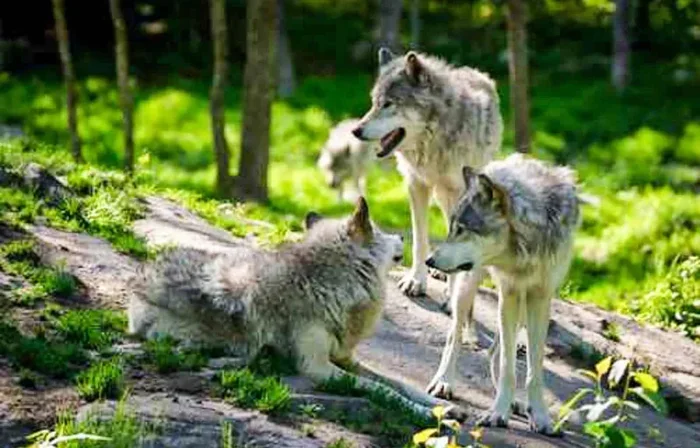
Think of it this way. A wolf is wild. A dog that was abandoned and now lives in a pack in the woods is feral. Both might look similar in behavior. But their histories are completely different. That distinction matters in biology, conservation, and even law.
Feral vs. Stray: Another Key Distinction
People also mix up feral and stray. A stray animal was once a pet but has been lost or abandoned. Strays can often be socialized again and returned to a domestic life. Feral animals, especially if they have been living wild for a long time, are much harder to re-domesticate. The feral meaning carries a sense of permanence that stray does not.
Here is a quick comparison:
- Stray: Once a pet, currently lost or abandoned, can often be re-socialized.
- Feral: Once domesticated, now living wild, very difficult to re-domesticate.
- Wild: Never domesticated, always lived in a natural state.
The Origin and History of the Word Feral
Every word has a story. And the word feral has a fascinating one. Understanding the origin of the word helps you remember its meaning and use it more confidently.
The word feral comes from the Latin word ferus. In Latin, ferus meant wild, untamed, or savage. It was used to describe animals that had not been tamed by humans. Over time, the word evolved through Old French and into English, taking on the more specific meaning we use today.
By the 1600s, English speakers began using feral to describe animals that had escaped domestication and returned to the wild. The word gained popularity in scientific and ecological writing during the 20th century. Today, it is widely used in wildlife management, conservation, and even pop culture.
How the Feral Meaning Has Shifted Over Time
The feral definition has not stayed frozen in history. It has adapted as our understanding of animals and ecosystems has grown. In the past, feral was mostly used to describe livestock or pets that had gone wild. Today, it is used much more broadly.
Scientists now use the term to describe entire populations of animals that have reverted to wild states. Conservationists talk about feral species as both a threat and an opportunity. The word has also taken on metaphorical uses in everyday language. People sometimes describe behavior as feral to mean something is chaotic, uncontrolled, or intensely primal.
This evolution shows how language is alive. The feral meaning continues to grow and shift as we encounter new situations and challenges in the natural world.
Feral Meaning in Different Contexts
The feral meaning is not one-dimensional. It changes depending on the context in which it is used. Let us explore the different ways this word shows up in real life.
Feral Animals
This is the most common use of the word. Feral animals are domesticated species that have adapted to living in the wild. Some of the most well-known examples include:
- Feral cats: These are domestic cats that have been abandoned or born in the wild. Feral cat populations exist in cities and rural areas worldwide. They are often managed through trap-neuter-return programs.
- Feral dogs: Dogs that have reverted to wild living. Feral dog packs can be found in many parts of the world, from rural villages to urban outskirts.
- Feral pigs: Also called feral hogs, these are domestic pigs that escaped or were released into the wild. They cause massive agricultural and ecological damage in places like Texas and Australia.
- Feral goats: Goats that were once farmed but now roam freely in wild areas. They can devastate native plant life.
- Feral horses: Horses like the mustangs in the American West are often classified as feral because they descend from domesticated ancestors.
Feral Behavior in Humans
While less common, the word feral is sometimes used to describe human behavior. This usage is more figurative and often controversial. When someone says a person is acting feral, they usually mean the person is behaving in an extremely wild, uncontrolled, or aggressive way.
This metaphorical use of the feral meaning is not scientifically accurate. Humans are not domesticated animals in the same way dogs or cats are. But the language persists in media and everyday conversation. You will hear it in news reports, social media, and even in casual discussions about unruly behavior.
Feral in Ecology and Conservation
In the world of ecology, the feral meaning carries real weight. Feral species are often classified as invasive. They can outcompete native species for food and habitat. They can spread disease. They can completely reshape ecosystems.
Conservationists study feral populations closely. They develop management plans to control or even eradicate certain feral species in sensitive environments. The feral definition in this context is both scientific and practical. It drives real policy decisions that affect wildlife and landscapes around the globe.
Feral Animals and Their Behavior
Understanding feral animal behavior helps us appreciate why these creatures are so challenging to manage. Feral animals are not simply domesticated animals that got lost. They have often undergone significant behavioral and even physical changes.
How Domestication Reverses
When a domesticated animal goes feral, it begins to revert to traits its ancestors had. Over generations, feral animals may develop:
- Increased wariness of humans: Feral animals learn to avoid people. They become more secretive and nocturnal.
- Stronger survival instincts: They become better at finding food, shelter, and avoiding predators.
- Physical changes: Some feral animals change in appearance over time. They may become leaner, more muscular, or develop different coat patterns.
- Social restructuring: Feral animals often form new social groups or packs that differ from their domesticated ancestors.
This process is not instant. It can take just a few generations for noticeable changes to occur. The feral meaning in this context is about transformation and adaptation.
The Feral Cat Example
Feral cats are one of the most studied feral animals. A feral cat that has never been socialized to humans will behave very differently from a house cat. It will not seek human affection. It will not tolerate being handled. It will hunt, territory-mark, and defend itself like a wild animal.
Yet, feral cats are still genetically the same species as domestic cats. This is what makes the feral meaning so powerful. The same DNA can produce vastly different behaviors depending on environment and experience.
Many communities run trap-neuter-return programs to manage feral cat populations humanely. These programs aim to stabilize colonies without removing the cats entirely. It is one of the most practical applications of understanding feral behavior.
The Environmental Impact of Feral Species
The feral meaning takes on a serious tone when we look at the environmental damage feral species can cause. This is not just an academic discussion. It is a real-world problem affecting ecosystems on every continent.
Feral Pigs: A Growing Crisis
Feral pigs, also known as feral hogs, are one of the most destructive invasive species in the world. In the United States alone, feral pigs cause billions of dollars in agricultural damage each year. They root up crops, destroy native plants, and prey on small wildlife.
In Australia, feral pigs have been a major ecological threat for decades. They degrade wetlands, spread disease to native animals, and compete with indigenous species for resources. The feral meaning in this context is not abstract. It represents real economic and environmental losses.
Feral Cats and Bird Populations
Feral cats are another major concern. Studies estimate that feral and outdoor cats kill billions of birds and small mammals each year in the United States alone. This has sparked intense debates among conservationists, animal welfare groups, and policymakers.
Some argue that feral cats should be eradicated from sensitive habitats. Others advocate for trap-neuter-return programs. The feral meaning here is tied to a much larger conversation about how humans coexist with wildlife and manage ecosystems responsibly.
The Ripple Effect on Native Species
When a feral species enters a new environment, the effects ripple outward. Native species may lose their food sources. They may become prey. Their habitats may be altered or destroyed. Over time, entire ecosystems can be thrown out of balance.
This is why understanding the feral meaning matters so much. It is not just about one animal. It is about the chain reaction that follows when a domesticated species goes wild in an unfamiliar environment.
Living with Feral Animals: What You Should Know
If you live in an area with feral animals, there are practical steps you can take. Whether it is feral cats in your neighborhood or feral pigs near your property, knowledge is your best tool.
Safety First
Feral animals can be unpredictable. Even a feral cat that looks friendly may scratch or bite if cornered. Here are some safety tips:
- Do not approach feral animals directly. Give them space.
- Do not try to hand-feed feral animals. This can encourage them to approach humans, which can lead to conflicts.
- Secure your trash and food sources. Feral animals are attracted to easy meals.
- Contact local wildlife authorities if a feral animal poses a danger.
Helping Feral Animals Responsibly
If you care about feral animals in your area, there are ethical ways to help:
- Support local trap-neuter-return programs. These help control populations humanely.
- Donate to wildlife organizations that work on feral species management.
- Educate your neighbors about the feral meaning and why responsible pet ownership matters.
- Report feral animal sightings to local authorities if they are causing problems.
Small actions add up. Understanding the feral meaning empowers you to make better decisions for your community and the environment.
Feral Meaning in Pop Culture and Everyday Language
The word feral is everywhere in modern culture. You will hear it in movies, video games, news headlines, and social media. The feral meaning has expanded beyond its original biological roots.
In horror movies, feral is used to describe something that is dangerously primal and uncontrollable. In video games, feral often describes a character or creature that has lost its civilized traits. In sports commentary, a feral performance means something raw, intense, and almost animalistic.
This cultural usage of the feral definition shows how powerful language is. A single word can carry centuries of meaning and adapt to new contexts effortlessly. The word feral has survived because it fills a specific niche in our vocabulary. It describes a very particular kind of wildness that wild and savage alone cannot capture.
So the next time you hear someone use the word feral, you will know exactly what they mean. And you will understand why it is such a versatile and enduring part of the English language.
Common Mistakes People Make About the Feral Meaning
There are several misconceptions about the feral meaning that are worth clearing up. These mistakes can lead to confusion, poor decisions, and even harmful actions toward animals.
Mistake 1: Calling Any Wild Animal Feral
This is the biggest mistake. A wolf is not feral. A deer is not feral. A bear is not feral. These animals are wild by nature. The feral meaning only applies to animals that were once domesticated and have since gone wild. Using the word incorrectly dilutes its meaning and can lead to miscommunication.
Mistake 2: Thinking All Feral Animals Are Dangerous
Feral animals are not inherently evil or aggressive. They are simply animals trying to survive. Many feral animals are afraid of humans and will avoid them. The danger depends on the species, the situation, and the individual animal. Painting all feral animals with the same brush is unfair and unhelpful.
Mistake 3: Ignoring the Human Role
Most feral animals exist because of human actions. Abandonment, escape, and irresponsible pet ownership are the primary causes. When we talk about feral animals, we must also talk about our responsibility. The feral meaning is not just about the animal. It is about how we treat the animals in our care.
Expert Insights on Feral Species Management
We spoke with wildlife management professionals to get their perspective on the feral meaning and how it shapes real-world decisions.
Dr. Sarah Chen, Wildlife Biologist: “The feral meaning is more than just a label. It tells us about an animal’s history, its relationship with humans, and its potential impact on the environment. When we classify a species as feral, we are making a statement about its origin and its behavior. That classification guides our management strategies.”
Mark Thompson, Animal Control Officer: “In my line of work, understanding the feral definition helps us decide how to handle each situation. A stray cat that was recently abandoned can be socialized and adopted. A feral cat that has been living wild for years needs a completely different approach. The distinction saves time, resources, and most importantly, animal lives.”
Dr. Lisa Rivera, Conservation Scientist: “Feral species are one of the biggest threats to native biodiversity worldwide. But the feral meaning also reminds us that these animals are often victims of human neglect. Our job is to manage the problem humanely while addressing the root causes.”
These expert perspectives reinforce why the feral meaning matters. It is not just an academic term. It is a tool that drives real conservation and animal welfare decisions every day.
Key Takeaways
- The feral meaning describes animals that have returned to a wild state from domestication. It is a specific term with a clear historical anchor.
- The word originates from the Latin ferus, meaning wild or untamed, and has evolved over centuries into its modern usage.
- Feral is not the same as wild or stray. Each term describes a different relationship between an animal and domestication.
- Feral animals appear in many forms, from feral cats and dogs to feral pigs, goats, and horses. Each poses unique challenges.
- The environmental impact of feral species is significant. They can disrupt ecosystems, threaten native species, and cause economic losses.
- Responsible management includes trap-neuter-return programs, education, and addressing the root causes of feral populations.
- The feral meaning extends beyond biology into pop culture, everyday language, and metaphorical descriptions of behavior.
Conclusion
The feral meaning is more than just a dictionary definition. It is a concept that connects language, biology, ecology, and human responsibility in powerful ways. When we understand what feral truly means, we become better equipped to manage wildlife, protect ecosystems, and make informed decisions in our communities.
From feral cats in urban neighborhoods to feral pigs devastating farmland, the word feral carries real weight. It tells a story of domestication lost, of animals adapting to survive, and of the ecosystems they impact along the way.
The next time you encounter the word feral, remember everything behind it. It is not just a label. It is a window into the complex relationship between humans and the animals we share our world with. And that relationship is one of the most important conversations of our time.
Take what you have learned here and share it. Talk about the feral meaning with your friends, your neighbors, and your community. The more we understand, the better we can coexist with the wild creatures that live alongside us.
Frequently Asked Questions
What is the feral definition in simple terms?
The feral definition is straightforward. It describes an animal that was once domesticated but has returned to living in the wild. The key idea is the shift from a tame, human-dependent life to an independent, untamed existence. A feral animal still belongs to a domesticated species but now behaves like a wild animal.
Is a feral cat the same as a stray cat?
No, a feral cat and a stray cat are not the same. A stray cat was once a pet and has been lost or abandoned. It can usually be re-socialized and adopted. A feral cat has either never been socialized to humans or has lived wild for so long that it cannot be easily domesticated. The feral meaning specifically refers to that transition from domestication to wildness.
Why are feral animals considered a problem?
Feral animals can cause serious ecological and economic damage. They often outcompete native species for food and habitat. They can spread diseases to both wildlife and livestock. They may destroy crops, degrade natural landscapes, and disrupt local ecosystems. Understanding the feral meaning helps us address these problems with informed strategies.
Can a feral animal ever become domesticated again?
It is very difficult but not impossible, especially with young animals. Feral kittens or puppies that are captured early can sometimes be socialized and adopted. Adult feral animals that have lived wild for years are much harder to re-domesticate. The feral meaning implies a deep behavioral shift that takes time to reverse, if it can be reversed at all.
Are there any feral animals that are actually beneficial?
In some cases, feral animals can play a role in ecosystems. For example, feral horses in certain regions help maintain grassland diversity through grazing. However, the benefits are highly context-dependent. In most cases, feral species cause more harm than good, especially when introduced to environments where they have no natural predators.
Where does the word feral come from?
The word feral comes from the Latin word ferus, which means wild, untamed, or savage. It entered English through Old French and has been used in its modern sense since the 1600s. The Latin root is also the source of words like ferocious, which shares the idea of untamed wildness. The feral meaning has stayed connected to this ancient root throughout its history.