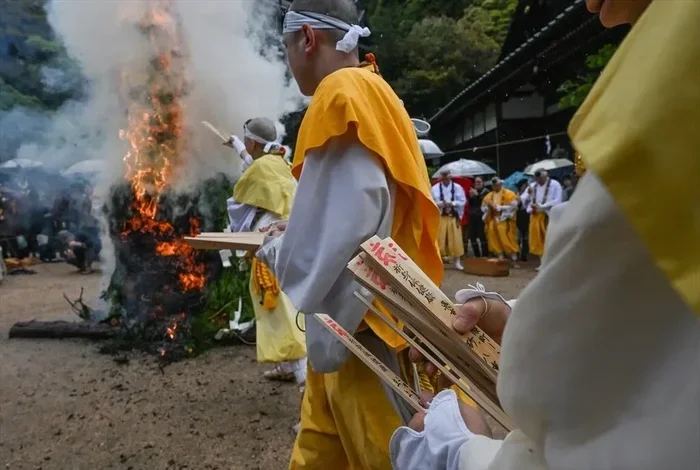

The firewalk meaning goes far deeper than most people realize. This ancient practice involves walking barefoot across hot coals and carries powerful symbolism of courage, transformation, and inner strength. People around the world have used firewalking for centuries as a rite of passage, a spiritual test, and a tool for personal growth. Understanding the firewalk meaning helps you appreciate why this ritual has survived for thousands of years across many cultures.
Have you ever wondered what drives people to walk barefoot across a bed of scorching hot coals? It sounds terrifying. It looks dangerous. And yet, thousands of people do it every year as part of a firewalk ceremony. The firewalk meaning behind this powerful ritual stretches back thousands of years and touches on deep themes of courage, faith, and personal transformation.
When you look beyond the surface, walking on hot coals is not just a stunt or a party trick. It is a profound act of self-discovery. People from many different cultures have used firewalking to prove their strength, mark important life changes, and connect with something greater than themselves. In this article, we will explore the full firewalk meaning, from its ancient origins to its modern-day applications.
Whether you are curious about the firewalk history, the science behind it, or how to safely experience one yourself, this guide covers everything you need to know. Let us dive in and uncover what makes this ritual so powerful and enduring.
Key Takeaways
- Deep Spiritual Roots: The firewalk meaning connects to transformation, faith, and inner power across many cultures.
- Rich History: Firewalking dates back thousands of years to ancient India, Greece, and other civilizations.
- Psychological Power: Walking on hot coals builds mental resilience, confidence, and a sense of achievement.
- Modern Relevance: Today, firewalk ceremonies are used for team building, personal development, and spiritual growth.
- Safety Matters: Understanding the science behind firewalking helps prevent burns and injuries.
- Symbolism Runs Deep: The ritual represents overcoming fear, proving faith, and stepping into a new chapter of life.
📑 Table of Contents
What Is the Firewalk Meaning?
The firewalk meaning is layered and rich. At its core, it represents the act of overcoming fear through sheer willpower. When a person walks across burning coals, they prove to themselves that the mind can conquer what the body fears. This simple idea has powered the ritual for centuries.
Different cultures attach different layers of meaning to the practice. For some, it is a test of faith. For others, it is a rite of passage into adulthood. And for many modern participants, it is a tool for personal transformation and mental resilience. No matter the reason, the central message stays the same: you can walk through fire and come out stronger on the other side.
The Symbolism of Firewalking
Fire has always held a special place in human history. It represents both destruction and creation. It warms us and burns us. In the context of the firewalk ritual, fire symbolizes the challenges we face in life. The hot coals represent our fears, doubts, and obstacles. When you step onto them and walk across, you are symbolically conquering those inner struggles.
Many people describe the experience as life-changing. They say it gives them a new sense of confidence. It breaks through mental barriers they did not even know existed. This is why the firewalk spiritual meaning resonates so deeply with so many people around the world.
The History and Origin of Firewalking
The firewalk history is fascinating and spans many continents. The practice is ancient, with roots going back over four thousand years. No single culture owns it. Instead, firewalking traditions have appeared independently in many parts of the world.
The earliest recorded evidence of firewalking comes from ancient India. The ritual was part of Hindu religious ceremonies and was closely tied to devotion and spiritual purity. Walking on hot coals was seen as a way to prove one’s faith and earn divine blessings. Over time, the practice spread to other parts of Asia, including Sri Lanka, Bali, and China.
In ancient Greece, firewalking appeared in mystery cults and religious rites. The followers of certain deities used the practice as a form of spiritual initiation. In Polynesian cultures, young warriors would walk on fire as a test of bravery before going to battle.
Firewalking Across Different Cultures
Let us look at how different cultures have practiced and interpreted the firewalk ceremony:
- India: Hindu devotees walk on fire as an offering to the gods, especially during the festival of Theemithi.
- Polynesia: Warriors used firewalking as a rite of passage into manhood and a test of courage.
- South America: Indigenous tribes incorporated firewalking into healing ceremonies and spiritual cleansing rituals.
- Africa: Several tribal communities use firewalking as a mark of transition from adolescence to adulthood.
- Southeast Asia: In Bali, firewalking is part of certain temple ceremonies and spiritual purification rituals.
What is remarkable is how the firewalk cultural significance remains consistent across these diverse traditions. The core message is always the same: faith, courage, and transformation.
The Spiritual and Symbolic Firewalk Meaning
The firewalk spiritual meaning goes beyond any single religion or belief system. At its heart, it is about faith and trust. When you step onto burning coals, you must trust the process. You must trust your preparation. And most importantly, you must trust yourself.
Many spiritual teachers use firewalking as a metaphor for life. The coals represent the hot, painful experiences we all go through. The act of walking across them shows that pain does not have to destroy us. It can transform us. This is a powerful message that resonates with people from all walks of life.
Firewalking as a Rite of Passage
In many traditions, the firewalk ceremony marks a major life transition. It might signal the end of one chapter and the beginning of another. A young person might walk on fire to mark their coming of age. A couple might do it together as a symbol of their commitment. Someone going through a difficult life change might use it to symbolize their readiness to move forward.
The ritual creates a clear before-and-after moment. Before the walk, you carry your fears and doubts. After the walk, you carry a new sense of identity. You are someone who has walked through fire and survived. That shift in self-perception is one of the most powerful aspects of the firewalk transformation.
The Role of Faith in Firewalking
Faith plays a huge role in the firewalk meaning. In religious contexts, participants walk on fire as an act of devotion. They believe that their faith will protect them from harm. This is not just a psychological trick. It is a deeply held belief that shapes the entire experience.
Interestingly, research in the field of firewalk psychology shows that belief does play a real role in outcomes. People who approach the walk with deep conviction and focus tend to have better results. Their mindset shapes their experience in powerful ways. This connection between belief and outcome is one of the most fascinating aspects of the entire practice.
The Psychology Behind Walking on Hot Coals
The firewalk psychology is a topic that has fascinated scientists and psychologists for decades. How does a person walk on coals that are hot enough to burn skin? The answer lies in a combination of physics, mental focus, and belief.
First, let us talk about the science. Coal is actually a poor conductor of heat. This means it does not transfer heat to your feet very quickly, especially if the coals are covered in ash. The Leidenfrost effect also plays a role. When the soles of your feet are slightly moist, a thin layer of steam can form, providing brief insulation. These physical factors explain why burns are not inevitable. But they do not explain why so many people report feeling transformed by the experience.
The real magic happens in the mind. The firewalk challenge is as much mental as it is physical. Participants must overcome their deepest fear of fire and pain. They must quiet their racing thoughts and stay focused on the present moment. This process of mental mastery is what gives the ritual its so-called firewalk transformation power.
Building Mental Resilience Through Firewalking
One of the biggest benefits of firewalking is the boost it gives to mental resilience. After completing a firewalk, many people report feeling unstoppable. They realize that the things they feared the most were not as dangerous as they imagined. This realization carries over into other areas of life.
Here are some of the psychological benefits people commonly report after a firewalk experience:
- A stronger sense of self-confidence
- Reduced fear of failure and rejection
- Greater ability to stay calm under pressure
- A renewed belief in their own potential
- Breaking through limiting beliefs about what is possible
These benefits are not just temporary. Many people carry the lessons of the firewalk with them for years. It becomes a reference point they can draw on whenever they face a new challenge. “If I can walk on fire, I can handle this,” becomes a powerful internal mantra.
How Firewalk Ceremonies Are Performed Today
Today, the firewalk ceremony has evolved far beyond its ancient religious roots. People from all backgrounds now participate in firewalking for a variety of reasons. Some do it for spiritual growth. Others do it for team building at work. And many do it simply as a personal challenge to push past their limits.
Modern firewalk events are usually organized by trained facilitators. These leaders guide participants through preparation, mindset work, and the actual walk. The setup typically involves a pit of hot coals that have been burning for several hours. The coals are raked flat, and participants walk across them barefoot in a single file.
The Preparation Phase
Preparation is a crucial part of any firewalk event. It is not something you just show up and do on a whim. Facilitators usually lead participants through breathing exercises, visualization, and group sharing. This preparation helps build focus and calm the nervous system.
Many facilitators also teach participants about the science of firewalking. Understanding why burns are unlikely helps reduce fear. When the mind is less afraid, the body follows. This combination of knowledge and mental preparation is what makes modern firewalking both safe and effective.
Modern Uses of Firewalking
The modern firewalk meaning has expanded to include several practical applications:
- Corporate Team Building: Companies use firewalking to build trust, unity, and confidence among employees.
- Personal Development: Coaches and therapists incorporate firewalking into programs focused on overcoming fear and building confidence.
- Spiritual Retreats: Many retreat centers offer firewalking as part of a broader spiritual practice.
- Youth Programs: Some organizations use firewalking to teach young people about courage, focus, and self-belief.
- Wedding and Relationship Ceremonies: Couples sometimes walk on fire together as a symbol of shared strength and commitment.
Each of these uses taps into the core firewalk symbolism of overcoming obstacles and stepping into a new version of yourself.
Firewalk Safety and Common Misconceptions
Safety is an important part of any discussion about firewalking. The firewalk meaning is powerful, but the practice does carry real risks if not done correctly. Understanding these risks and how to manage them is essential for anyone considering a firewalk.
Common Myths About Firewalking
There are many myths surrounding firewalking. Let us clear up some of the most common ones:
- Myth: Firewalking is a trick with special coals. Fact: The coals are real and genuinely hot. The science behind why burns are rare is well documented.
- Myth: You need special powers or training to firewalk. Fact: Most people can learn to firewalk with proper preparation and guidance.
- Myth: Firewalking is always dangerous. Fact: When done correctly with proper setup and supervision, the risk of serious injury is low.
- Myth: Only religious people firewalk. Fact: People of all backgrounds and beliefs participate in firewalking today.
- Myth: The firewalk meaning is the same everywhere. Fact: The meaning varies widely depending on culture, context, and individual intention.
Practical Firewalk Safety Tips
If you are considering a firewalk, here are some practical tips to keep you safe:
- Always participate with a trained and experienced facilitator.
- Follow all preparation instructions carefully, including breathing and mindset exercises.
- Do not firewalk if you have open wounds or sensitive skin on your feet.
- Walk calmly and steadily. Running or rushing increases the risk of burns.
- Stay hydrated before the event and avoid alcohol.
- Listen to your body. If something feels wrong, stop and speak with the facilitator.
Following these guidelines helps ensure that your firewalk experience is both safe and meaningful. The goal is not to prove you are invincible. The goal is to grow through the experience in a healthy and supported way.
The Firewalk Meaning in Everyday Life
You do not need to actually walk on fire to benefit from the firewalk meaning. The lessons it teaches apply to everyday challenges in powerful ways. The core idea is simple: you are capable of more than you think. The fears that hold you back are often much smaller than they appear.
When you face a difficult situation at work, in a relationship, or with your own personal goals, you can draw on the mindset that firewalking teaches. You can remind yourself that fear is not the same as danger. That preparation and focus matter more than raw talent. That growth happens at the edge of your comfort zone.
The firewalk motivation that comes from this practice is real and lasting. It gives people a concrete reference point for their own strength. And that reference point can make all the difference when life throws something hot your way.
Ultimately, the firewalk meaning is what you make of it. For some, it is a spiritual awakening. For others, it is a confidence booster. And for many, it is simply a reminder that they are stronger than they ever believed. Whatever your reason, the ritual of walking through fire has something powerful to offer.
The beauty of the firewalk tradition is that it has survived for thousands of years because it works. It connects us to something deeper within ourselves. It challenges us to grow. And it reminds us that the things we fear the most are often the things that transform us the most.
So the next time you hear about someone walking on hot coals, do not just see it as a stunt. See it for what it truly is: a powerful act of courage, faith, and self-discovery. The firewalk meaning is waiting for you to explore it.
Whether you choose to participate in a firewalk ceremony yourself or simply take the lessons it teaches into your daily life, the impact can be profound. You might just find that walking through fire is the best way to discover what you are truly made of.
Frequently Asked Questions
What does firewalk mean?
The firewalk meaning refers to the act of walking barefoot across a bed of hot coals. It symbolizes overcoming fear, building inner strength, and proving one’s faith or courage. The ritual has deep roots in many cultures and carries powerful themes of transformation and personal growth.
Where did the firewalk tradition originate?
The firewalk history traces back over four thousand years to ancient India, where it was part of Hindu religious ceremonies. The practice later spread to Greece, Polynesia, South America, and other regions. Each culture developed its own unique firewalk cultural significance while keeping the core themes of faith and courage.
Is firewalking dangerous?
When done correctly with proper preparation and a trained facilitator, firewalking is generally safe. The coals are hot, but they are poor conductors of heat, and the Leidenfrost effect provides brief insulation. However, rushing, improper setup, or lack of preparation can increase the risk of burns. Always follow safety guidelines.
What is the psychology behind firewalking?
The firewalk psychology involves the interaction between mental focus, belief, and the physical properties of hot coals. Studies show that mindset and preparation play a major role in the experience. Overcoming the fear of fire builds mental resilience and confidence that participants carry into other areas of their lives.
Can anyone learn to firewalk?
Yes, most people can learn to firewalk with proper guidance and preparation. You do not need special training or physical abilities. The key is working with a reputable facilitator, following all instructions, and approaching the experience with focus and an open mind. The firewalk challenge is as much mental as it is physical.
Why do people firewalk today?
People firewalk today for many reasons, including spiritual growth, team building, personal development, and as a rite of passage. The modern firewalk meaning has expanded beyond religious contexts to include corporate events, coaching programs, and personal challenges. The core appeal remains the same: proving to yourself that you can overcome fear and achieve something extraordinary.
=== CONCLUSION ===
The firewalk meaning is a powerful reminder of what human beings are capable of when they face their fears head-on. From ancient religious ceremonies in India to modern corporate team-building events, the practice of walking on hot coals continues to inspire and transform people around the world.
We have explored the rich firewalk history, the deep firewalk spiritual meaning, the fascinating firewalk psychology, and the practical safety considerations that make the experience both meaningful and safe. The firewalk symbolism of courage, faith, and transformation resonates across cultures, generations, and belief systems.
Whether you are drawn to firewalking for its spiritual depth, its psychological benefits, or simply as a personal challenge, the lessons it offers are universal. You are stronger than your fears. Preparation and focus matter more than talent. And the things that scare you the most are often the gateway to your greatest growth.
If you ever have the chance to participate in a firewalk ceremony, take it. The experience may change the way you see yourself and what you are capable of. The firewalk meaning is not just about fire. It is about the fire inside you that has been waiting to be lit.



