
Learning how to say hi and how are you in Korean opens the door to real conversations with native speakers. Korean greetings carry deep cultural meaning, and using the right form shows respect and builds trust. Whether you are texting a friend or meeting someone new, the right greeting makes all the difference. This guide covers casual, formal, and informal ways to greet people in Korean, along with pronunciation tips and cultural context. You will walk away with practical phrases you can use today.
Have you ever wondered how to say hi and how are you in Korean? Maybe you are planning a trip to Seoul, watching a K-drama, or just curious about the language. Whatever the reason, learning Korean greetings is the first step toward meaningful conversations. Korean greetings are more than just words. They carry respect, warmth, and cultural depth that make every interaction feel special.
In this guide, you will discover the most common and fun ways to greet people in Korean. You will learn the differences between casual and formal greetings. You will also pick up tips on pronunciation and cultural etiquette. By the end, you will feel confident saying hello and asking someone how they are in any Korean setting. Let us dive in and make your Korean journey a fun one.
Key Takeaways
- Multiple ways to say hi: Korean has several greetings depending on the situation, from casual to formal.
- How are you changes by context: The phrase you use depends on who you are talking to and how respectful you need to be.
- Formal vs. casual matters: Using the wrong level of formality can feel awkward or disrespectful in Korean culture.
- Pronunciation is key: Getting the tones and sounds right helps you sound more natural and confident.
- Texting has its own rules: Korean greetings in messages differ from face-to-face conversations.
- Cultural context enriches learning: Understanding why Koreans greet certain ways makes the language easier and more fun to learn.
📑 Table of Contents
- Why Learning Korean Greetings Matters
- The Most Common Ways to Say Hi in Korean
- How to Say How Are You in Korean
- Formal vs. Casual Korean Greetings
- Korean Greetings in Text Messages
- Cultural Tips for Using Korean Greetings
- Common Mistakes to Avoid
- Quick Tips for Practicing Korean Greetings
- Final Thoughts
Why Learning Korean Greetings Matters
Greetings are the foundation of every conversation. In Korean culture, how you greet someone reflects your relationship with that person. Using the wrong level of politeness can send the wrong message. On the other hand, a well-chosen greeting builds trust and shows genuine interest. Learning how to say hi and how are you in Korean gives you a huge advantage from day one.
Korean society places a strong value on hierarchy and respect. Age, social status, and familiarity all play a role in how you address someone. This might feel overwhelming at first. But once you understand the basics, it becomes second nature. The good news is that most Koreans appreciate the effort, even if your pronunciation is not perfect. They will often gently correct you or guide you along the way.
Beyond culture, greetings also help you practice pronunciation early on. Korean has unique sounds that do not exist in English. Starting with simple phrases gives you a chance to train your ears and mouth. You will pick up on rhythm, tone, and intonation naturally. This foundation makes learning harder phrases much easier later on.
Korean Greetings in Everyday Life
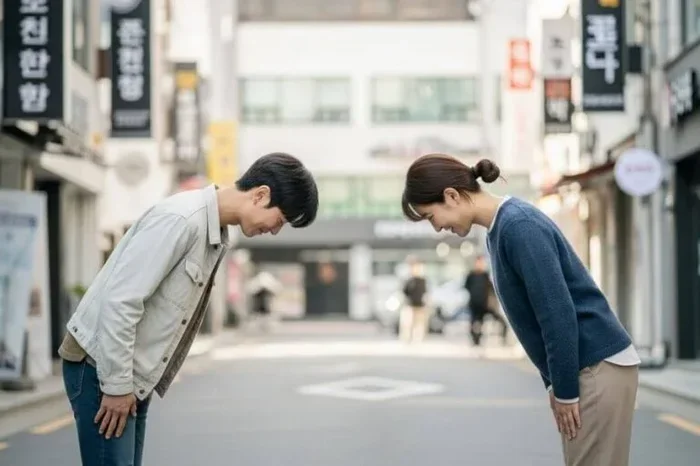
You will hear Korean greetings everywhere. In markets, offices, schools, and even on the street, people greet each other constantly. Unlike some Western cultures where a quick nod or wave is enough, Koreans often pair greetings with a small bow. The depth of the bow depends on the formality of the situation. These small gestures make a big difference in how your greeting is received.
The Most Common Ways to Say Hi in Korean
Now let us get into the fun part. There are several ways to say hi in Korean, and each one fits a different situation. Some are perfect for close friends, while others work in professional settings. Here are the most popular greetings you should know.
Annyeonghaseyo (안녕하세요) — The Standard Hello
This is the most widely used greeting in Korean. Annyeonghaseyo is polite, friendly, and safe for almost any situation. You can use it when meeting someone for the first time, greeting a coworker, or saying hello to an elder. It works in shops, restaurants, offices, and casual meetups.
Pronunciation tip: It sounds like “ahn-nyeong-ha-se-yo.” The first two syllables are short and soft. The last part has a gentle rising tone. Practice saying it slowly at first, then speed up as you get comfortable.
Annyeong (안녕) — The Casual Hi
If you are talking to a friend or someone your own age, annyeong is the way to go. It drops the formal ending and feels relaxed and natural. You would use this with close friends, siblings, or peers. It is also common among young people in casual settings like cafes or hangout spots.
However, be careful. Using annyeong with someone older or in a position of authority can come across as too casual. In those situations, stick with annyeonghaseyo. Respecting this boundary is an important part of Korean etiquette.
Yeoboseyo (여보세요) — The Phone Greeting
When answering the phone in Korean, yeoboseyo is the standard greeting. It is similar to saying “hello” on the phone in English. You will hear this in both personal and business calls. It is polite and universally understood.
This phrase is also useful in other situations where you want to get someone’s attention politely. For example, if you are at a store counter and need to get the attention of a staff member, a soft yeoboseyo works well.
How to Say How Are You in Korean
Asking someone how they are is a natural next step after greeting them. In Korean, there are several ways to ask, and each one carries a different level of formality. Let us explore the most common options.
Jal jinaess-eoyo? (잘 지냈어요?) — Polite “How Are You?”
This is the standard way to ask someone how they are doing. It translates to “Have you been well?” The tone is warm and respectful. You can use it with acquaintances, colleagues, and elders. It is the go-to phrase in most everyday conversations.
The pronunciation breaks down as “jal-jin-ay-ssoh-yo.” Each syllable is clear and distinct. The ending “-yo” adds a polite touch. This phrase is perfect for casual catch-ups and friendly conversations.
Jal jinaess-eo? (잘 지냈어?) — Casual “How Are You?”
For close friends and peers, you can drop the polite ending and say jal jinaess-eo. This version feels more relaxed and intimate. It is the equivalent of saying “Hey, how are you?” in a friendly English text. Use this only with people you are comfortable with.
Keep in mind that Korean speakers do not always expect a detailed answer. A simple “ne, jal jinaesseo” (yes, I have been well) is a perfectly acceptable response. The question is often a polite gesture rather than a request for a full update.
Mwoh-aesseoyo? (뭐했어요?) — “What Have You Been Up To?”
This is a slightly more casual way to check in on someone. It means “What have you been doing?” and is common among friends and peers. It feels natural and shows genuine interest in the other person’s life.
You might hear this after not seeing someone for a while. It is a warmer and more personal alternative to the standard jal jinaess-eoyo. Use it when you want to invite a longer, more meaningful conversation.
Formal vs. Casual Korean Greetings
Understanding the difference between formal and casual greetings is essential in Korean. The language has built-in levels of respect that speakers navigate every day. Getting this right shows that you understand and respect Korean culture.
When to Use Formal Greetings
Use formal greetings in these situations:
- Talking to someone older than you
- Meeting a new person for the first time
- Interacting with teachers, bosses, or authority figures
- Business meetings or professional settings
- Writing emails or formal messages
In all these cases, annyeonghaseyo and jal jinaess-eoyo are your best choices. They signal respect and politeness without being overly stiff.
When to Use Casual Greetings
Casual greetings work well in these settings:
- Talking to friends and peers of the same age
- Texting close friends
- Casual hangouts or social gatherings
- Online communities and social media
Use annyeong and jal jinaess-eo in these contexts. They feel natural and friendly. However, always be mindful of the other person’s comfort. If someone seems formal or reserved, match their tone.
A Quick Comparison Table
| Situation | Greeting | Level |
|---|---|---|
| Meeting someone new | Annyeonghaseyo | Formal |
| Talking to a friend | Annyeong | Casual |
| Answering the phone | Yeoboseyo | Formal |
| Asking how someone is (polite) | Jal jinaess-eoyo? | Formal |
| Asking how someone is (casual) | Jal jinaess-eo? | Casual |
| Checking in with a friend | Mwoh-aesseoyo? | Casual |
Korean Greetings in Text Messages
Texting in Korean has its own unique style. Greetings in messages often mirror the casual and formal levels of spoken Korean. When texting a close friend, you might simply type annyeong or even shorter forms like “안녕.” For a more polite text, annyeonghaseyo works perfectly.
Text abbreviations also play a role in Korean digital communication. Just like how people around the world use shortcuts like WTW meaning in text to ask “what are you up to,” Korean texters have their own set of quick expressions. These shortcuts make conversations faster and more fun, especially among younger users.
Another common abbreviation in informal Korean texting is TS meaning in text, which is used to signal a shift in tone or topic. Understanding these text conventions helps you keep up with natural Korean conversations online. They add a layer of authenticity to your digital communication.
When in doubt, it is always better to be slightly more formal in text messages. Koreans generally appreciate politeness, even in casual digital exchanges. Over time, as you get a feel for the person’s communication style, you can adjust your tone accordingly.
Tips for Texting Greetings in Korean
- Match the formality level of the person you are texting
- Use short, natural phrases with close friends
- Add emojis to soften your tone and make it feel friendly
- When unsure, default to the polite form
- Observe how the other person greets you and mirror their style
Cultural Tips for Using Korean Greetings
Beyond the words themselves, there are cultural nuances that make Korean greetings special. Understanding these will help you connect more deeply with Korean speakers.
Bowing Is Part of the Greeting
In Korean culture, a bow accompanies many greetings. A slight nod is enough for casual situations. A deeper bow shows more respect, especially toward elders or in formal settings. You do not need to bow perfectly. Even a small nod of the head shows that you understand and appreciate the culture.
Two Hands Show Extra Respect
When giving or receiving something, using both hands is a sign of respect. This applies to business cards, gifts, and even drinks. While it is not required for every greeting, it leaves a positive impression. It shows thoughtfulness and cultural awareness.
Age Determines Everything
In Korean society, age plays a significant role in how people interact. If someone is older than you, they will likely expect a more formal greeting. If they are the same age or younger, casual greetings are perfectly fine. When in doubt, it is always safe to start formal and let the other person guide the tone.
Smile and Be Genuine
Koreans value sincerity in greetings. A warm smile goes a long way, regardless of the language. Even if your Korean is not perfect, your genuine effort will be appreciated. People respond positively to kindness and authenticity in any language.
Common Mistakes to Avoid
Learning a new language comes with mistakes, and that is perfectly okay. However, some common errors can cause confusion or unintended rudeness. Here are a few to watch out for.
- Using casual greetings with elders: This can feel disrespectful. Always default to formal greetings with older people unless they invite casual speech.
- Skipping the bow entirely: While not mandatory, a small gesture of respect enhances any greeting.
- Overusing formal language with friends: It can feel stiff and create distance in a friendship.
- Mispronouncing syllables: Korean pronunciation is more straightforward than it looks. Take time to learn the basic sounds early.
- Ignoring context: The same phrase can feel different in a text versus a face-to-face conversation. Always consider the setting.
Quick Tips for Practicing Korean Greetings
Building confidence with Korean greetings takes practice. Here are some quick and effective ways to sharpen your skills.
- Practice out loud every day. Saying the phrases repeatedly helps your mouth get used to the sounds.
- Watch K-dramas and K-pop videos. Pay attention to how characters greet each other in different settings.
- Use language exchange apps. Connect with native Korean speakers who can correct your pronunciation.
- Record yourself speaking. Listen back and compare your pronunciation to native speakers.
- Start with one phrase per week. Master it before moving on to the next. This keeps learning manageable and fun.
The goal is not perfection. The goal is progress. Every time you greet someone in Korean, you are building a bridge to a new culture and new friendships. Keep practicing, stay curious, and enjoy the journey.
Final Thoughts
Learning how to say hi and how are you in Korean is a rewarding experience that goes far beyond words. Each greeting carries a piece of Korean culture, history, and values. Whether you choose a casual annyeong with a friend or a respectful annyeonghaseyo with a stranger, you are making a connection that matters.
Start with the phrases that feel most natural to you. Practice them in real-life situations whenever you can. Over time, you will find that greetings become second nature. They will flow out of you effortlessly, and you will feel more confident in every Korean conversation you have. The world of Korean language and culture is waiting for you. Say hi today and see where it takes you.
Frequently Asked Questions
What is the easiest way to say hi in Korean?
The easiest and most universal way is annyeonghaseyo. It works in almost every situation, whether you are meeting someone new or greeting an acquaintance. It is polite, friendly, and simple to pronounce.
Can I use casual Korean greetings with strangers?
It is best to avoid casual greetings with strangers, especially older people. Stick with the formal version until the other person signals that casual speech is okay. This shows respect and helps you make a good first impression.
How do I pronounce “annyeonghaseyo” correctly?
Break it into syllables: “ahn-nyeong-ha-se-yo.” Say each part slowly and clearly. The emphasis is light and even across the phrase. With a little practice, it will feel natural and smooth.
Is bowing required when greeting someone in Korean?
Bowing is not strictly required, especially for beginners. However, a small nod or slight bow adds warmth and cultural awareness to your greeting. It is a nice touch that most Koreans will appreciate.
What is the difference between “jal jinaess-eoyo” and “jal jinaess-eo”?
The difference is formality. Jal jinaess-eoyo is polite and suitable for most situations. Jal jinaess-eo is casual and best used with close friends or peers. Choosing the right one depends on your relationship with the person.
Are there Korean greeting phrases for texting?
Yes. In text messages, you can use the same phrases like annyeong for casual chats or annyeonghaseyo for polite messages. Many Korean texters also use short abbreviations and emojis to make greetings feel more personal and fun.
=== CONCLUSION ===
Mastering how to say hi and how are you in Korean is a wonderful first step into the language. You now have a range of phrases for every situation, from formal to casual, face-to-face to text messages. Each greeting you learn brings you closer to real conversations and deeper connections with Korean speakers.
Remember to be patient with yourself. Language learning is a journey, and every small step counts. Use the tips and phrases from this guide in your daily practice. Soon, greeting someone in Korean will feel as natural as breathing. Keep exploring, keep practicing, and most importantly, keep enjoying the beautiful Korean language.



