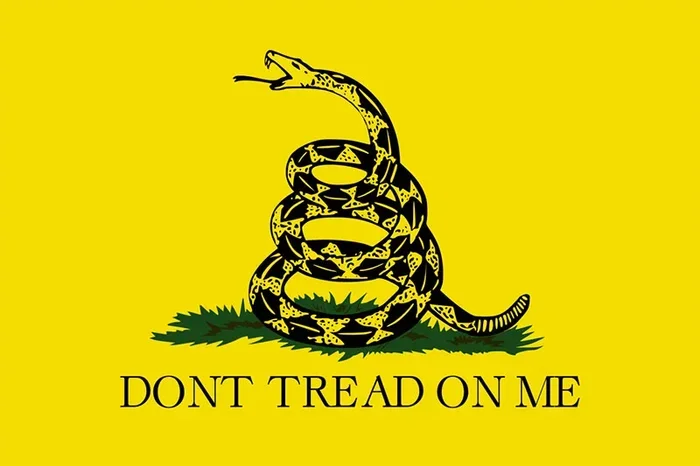

The Don’t Tread On Me meaning is a powerful declaration of independence and resistance. This famous phrase comes from a coiled rattlesnake on a yellow flag, created by Christopher Gadsden during the American Revolution. It stands for liberty, freedom, and the refusal to be oppressed. The symbol has evolved over centuries but its core message remains unchanged. Understanding the Don’t Tread On Me meaning connects you to a deep well of American history and patriotic pride.
Key Takeaways
- Historical Roots: The phrase dates back to the American Revolution and was created by Christopher Gadsden as a warning against tyranny.
- Symbolism: The coiled rattlesnake represents readiness, warning, and the spirit of resistance against oppression.
- Modern Relevance: The flag and phrase are still used today in political movements, patriotic displays, and as a symbol of personal freedom.
- Multiple Meanings: Depending on context, the Don’t Tread On Me meaning can represent liberty, defiance, Southern heritage, or constitutional rights.
- Cultural Impact: The symbol appears on clothing, bumper stickers, tattoos, and merchandise, making it one of the most recognizable American icons.
- Controversy: The phrase has been adopted by various groups, which has led to debates about its meaning and use in modern society.
📑 Table of Contents
- What Does Don’t Tread On Me Mean?
- Who Created the Don’t Tread On Me Flag?
- The Symbolism Behind the Rattlesnake
- The Don’t Tread On Me Flag in Modern Times
- The Political and Cultural Significance
- Common Misunderstandings About the Phrase
- How to Understand the Don’t Tread On Me Meaning in Today’s World
- Key Takeaways
What Does Don’t Tread On Me Mean?
The Don’t Tread On Me meaning is more than just a catchy phrase. It is a bold statement about freedom, independence, and the refusal to accept unfair treatment. The phrase comes from a famous yellow flag featuring a coiled rattlesnake. This image has deep roots in American history and continues to carry powerful symbolism today.
At its core, the Don’t Tread On Me meaning is a warning. It says, “Leave me alone. Do not oppress me. Do not violate my rights.” The rattlesnake was chosen for a reason. When threatened, a rattlesnake warns before it strikes. It does not attack first. This mirrors the idea that people should be left alone until provoked.
The phrase has been around since the 1700s. It played a role in the American Revolution. It has been used in political movements ever since. Today, people still fly the flag and wear the symbol. But what does it really mean in the modern world? Let us explore the full story.
The Origin of the Phrase
The Don’t Tread On Me meaning traces back to the American colonies in the 1770s. The colonies were under British rule. Many colonists felt oppressed and taxed unfairly. They wanted independence but also wanted to send a clear message to the British Crown.
The phrase was first associated with a yellow flag. The flag showed a coiled rattlesnake ready to strike. Below the snake, the words “Don’t Tread On Me” were written in bold letters. This flag became a symbol of colonial resistance. It told Britain that the American colonies would not back down.
The rattlesnake was already a well-known symbol in colonial America. Benjamin Franklin had used it in political cartoons. The snake represented the colonies coming together. Each segment of the snake stood for a different colony. When united, they were strong and dangerous to anyone who threatened them.
Who Created the Don’t Tread On Me Flag?
The Don’t Tread On Me meaning is closely tied to one man: Christopher Gadsden. He was a military officer and statesman from South Carolina. Gadsden was a strong voice for American independence. He designed the famous yellow rattlesnake flag during the Revolutionary War.
Gadsden served as a colonel in the Continental Army. He was also a member of the Continental Congress. In 1775, he presented the flag to the Commander-in-Chief of the Continental Navy. This was Esek Hopkins, the first commander of the United States Navy. Gadsden gave the flag as a personal gift to Hopkins. It became the first flag flown by the American navy.
The flag was also known as the Gadsden flag. Today, many people still refer to it by this name. The connection between Gadsden and the flag is a key part of its history. Without his vision, the Don’t Tread On Me meaning might not have become so iconic.
Christopher Gadsden’s Role in the Revolution
Gadsden was more than just a flag designer. He was a true patriot. He helped organize resistance against British rule in South Carolina. He was involved in the Stamp Act protests. He also helped defend Charleston during the war.
His flag became a symbol of American naval power. The yellow rattlesnake flew on ships in the early American navy. It sent a clear message to enemies and allies alike. The message was simple: America was free, and we will fight for our liberty.
Gadsden’s contribution to the Don’t Tread On Me meaning is why the flag is sometimes called the Gadsden flag. His name is forever linked to the symbol. This connection adds depth to the phrase and gives it historical weight.
The Symbolism Behind the Rattlesnake
The Don’t Tread On Me meaning is deeply tied to the rattlesnake. But why a snake? The choice was not random. The rattlesnake carried specific meanings that fit the colonial spirit perfectly.
First, the rattlesnake is native to America. It was not found in Europe. This made it a perfect symbol for the new American identity. The colonies wanted to separate from British culture. The rattlesnake represented something uniquely American.
Second, the rattlesnake is a warning creature. It does not strike without reason. It rattles its tail to give fair warning. This mirrors the colonial mindset. The colonists did not want war. But they were ready to fight if pushed too far. The snake said, “Back off, or there will be consequences.”
The Snake in American Culture
The rattlesnake appeared in many forms during the Revolution. It was used in political cartoons, pamphlets, and military flags. One of the most famous examples is the “Join, or Die” cartoon by Benjamin Franklin. This showed a snake cut into pieces, representing the colonies. The message was clear: unity was essential for survival.
The Don’t Tread On Me meaning built on this tradition. The coiled snake on the yellow flag was a standalone warning. It did not need words to make its point. The image alone was powerful enough. It told anyone who saw it that the American spirit was alive and ready.
Over time, the rattlesnake became a broader symbol of American freedom. It appeared on currency, military insignia, and government seals. The snake’s connection to the Don’t Tread On Me meaning helped cement its place in American culture.
The Don’t Tread On Me Flag in Modern Times
Today, the Don’t Tread On Me meaning has evolved. The flag is still recognized across America. But it is used in many different contexts. Some people fly it as a patriotic symbol. Others use it to express political views. Understanding these modern uses helps explain the phrase’s lasting power.
The flag has become popular in several movements. It is seen at political rallies and patriotic events. It appears on bumper stickers, T-shirts, and hats. Many people wear the symbol to show their love of freedom. Others use it to protest government overreach.
The Don’t Tread On Me meaning also connects to the Tea Party movement. This political group used the flag and phrase to advocate for smaller government. They saw the symbol as a representation of individual liberty. The connection helped bring the phrase into the modern political conversation.
The Flag on Merchandise and Apparel
You can find the Don’t Tread On Me design on all kinds of products. It appears on funny T-shirt business names that use patriotic themes, on hats, flags, stickers, and more. The design has become a popular choice for small businesses and entrepreneurs. It taps into a strong sense of American identity and pride.
The Don’t Tread On Me meaning resonates with people who value independence. It speaks to the idea of self-reliance and personal freedom. This is why it works so well on merchandise. People want to display these values in their daily lives.
Some people also use the symbol to show Southern heritage. The flag has ties to the American South. It represents resistance and regional pride. This adds another layer to the Don’t Tread On Me meaning and helps explain its widespread appeal.
The Political and Cultural Significance
The Don’t Tread On Me meaning carries different weight depending on who is using it. For some, it represents the birth of a nation. For others, it is a call to resist government control. The phrase has been adopted by many groups over the years. Each group brings its own interpretation to the symbol.
On one hand, the flag is a symbol of American patriotism. It represents the fight for independence. It honors the sacrifices of the founding generation. Many people see it as a tribute to the principles of the Constitution. It reminds them of the rights and freedoms guaranteed to every citizen.
On the other hand, the phrase has been used by libertarian and conservative groups. These groups often emphasize individual rights and limited government. The Don’t Tread On Me meaning fits their message perfectly. It says that the government should not overstep its boundaries.
The Flag in Popular Culture
The Don’t Tread On Me symbol has appeared in many forms of media. It shows up in movies, TV shows, and music. Musicians have used it on album covers and in performances. It has been featured in video games and comic books. This widespread presence keeps the Don’t Tread On Me meaning in the public eye.
The symbol also appears in military contexts. Some units in the U.S. military use the rattlesnake as an emblem. The First Navy Jack, which features a rattlesnake, is still flown on Navy ships. This keeps the historical connection alive and honors the original spirit of the phrase.
Pop culture has helped spread the Don’t Tread On Me meaning to new audiences. Younger generations may not know the full history. But they recognize the symbol. This recognition helps keep the phrase relevant in today’s world.
Common Misunderstandings About the Phrase
The Don’t Tread On Me meaning is sometimes misunderstood. Some people see the flag and assume it has only one meaning. But the truth is more complex. The symbol has been used by many different groups. Each group brings its own perspective to the phrase.
One common misconception is that the flag is only a political statement. While it is used in political contexts, it is not inherently partisan. Many people fly it simply as a patriotic symbol. They are honoring American history and the fight for freedom.
Another misunderstanding is that the phrase is only about rebellion. Yes, it represents resistance. But it also represents responsibility. The rattlesnake warns before it strikes. It does not act without cause. This shows that the Don’t Tread On Me meaning is about standing up for what is right, not just causing trouble.
The Controversy Surrounding the Symbol
Like many historical symbols, the Don’t Tread On Me flag has sparked debate. Some people view it as a symbol of freedom and liberty. Others see it as a symbol of division. These different views reflect the complexity of American history and identity.
It is important to understand the full context of the Don’t Tread On Me meaning. The phrase was born from a real struggle for independence. It was created by people who wanted to be free from oppression. That original intent is what gives the symbol its power.
At the same time, symbols can change meaning over time. Different groups may adopt them for different purposes. This does not erase the original history. But it does add layers of interpretation. Understanding these layers helps us appreciate the full Don’t Tread On Me meaning.
How to Understand the Don’t Tread On Me Meaning in Today’s World
The Don’t Tread On Me meaning is as relevant today as it was in the 1770s. The core message has not changed. It is still about freedom, resistance, and the right to live without oppression. But how does it apply in the modern world?
For many people, the phrase represents personal boundaries. It says, “Respect my space. Respect my rights. Do not try to control me.” This is a universal message that goes beyond politics. It applies to relationships, work, and everyday life.
The Don’t Tread On Me meaning also connects to the idea of civic responsibility. Freedom is not free. It requires active participation. Citizens must stay informed and engaged. They must stand up for their rights and the rights of others. The rattlesnake reminds us that freedom requires vigilance.
Teaching the History to New Generations
One of the best ways to honor the Don’t Tread On Me meaning is to teach its history. Many young Americans do not know the story behind the flag. They see the symbol but do not understand its roots. Sharing the history helps keep the meaning alive.
Parents and educators can use the flag as a teaching tool. It opens conversations about the American Revolution. It sparks discussions about liberty and rights. It helps young people understand where their freedoms come from.
The Don’t Tread On Me meaning is a gateway to deeper learning. Once someone understands the flag, they may want to explore more about American history. They may want to learn about Christopher Gadsden. They may want to understand the Revolutionary War in greater detail. This curiosity is a gift. It keeps history alive and relevant.
Key Takeaways
- Historical Origins: The Don’t Tread On Me meaning dates back to the American Revolution and was created by Christopher Gadsden as a warning against British tyranny.
- The Rattlesnake Symbol: The coiled rattlesnake represents readiness, fair warning, and the courage to stand up against oppression.
- Modern Uses: Today, the flag is used in patriotic displays, political movements, and personal expression of freedom values.
- Cultural Reach: The symbol appears across merchandise, popular culture, and military emblems, keeping its message visible to new generations.
- Multiple Interpretations: Depending on context, the Don’t Tread On Me meaning can represent liberty, resistance, Southern heritage, or individual rights.
- Enduring Relevance: The phrase continues to resonate because its core message of freedom and resistance is timeless and universal.
Frequently Asked Questions
What does Don’t Tread On Me mean literally?
The literal meaning of “Don’t Tread On Me” is a direct warning to not step on or oppress someone. It is a call for respect and personal freedom. The phrase tells others to leave you alone and not violate your rights or boundaries.
Who created the Don’t Tread On Me flag?
Christopher Gadsden, a South Carolina statesman and military officer, created the famous yellow rattlesnake flag during the American Revolution. He presented it to the Commander-in-Chief of the Continental Navy in 1775. This is why the flag is also known as the Gadsden flag.
Why is a rattlesnake used on the flag?
The rattlesnake was chosen because it is native to America and it warns before it strikes. It represents readiness, self-defense, and the willingness to fight back when threatened. The snake became a powerful symbol of colonial resistance and American identity.
Is the Don’t Tread On Me flag still used today?
Yes, the flag is still widely used today. You can see it on bumper stickers, T-shirts, hats, and flags across the country. It is used in patriotic events, political movements, and as a general symbol of American freedom and individual rights.
What is the connection between Don’t Tread On Me and the Tea Party?
The Tea Party movement adopted the Don’t Tread On Me flag as a symbol of limited government and individual liberty. They saw the phrase as representing resistance to government overreach. This connection helped bring the symbol into modern political discussions.
Can the Don’t Tread On Me meaning be controversial?
Yes, the meaning can be controversial because different groups interpret the symbol differently. Some see it as a patriotic symbol of freedom, while others view it as a political statement. The original intent was resistance to oppression, but modern usage varies widely depending on context and the group using it.
=== CONCLUSION ===
The Don’t Tread On Me meaning is a powerful reminder of the values that built America. It represents freedom, resistance, and the courage to stand up for what is right. From Christopher Gadsden’s original design to its modern-day uses, the symbol has never lost its impact. The coiled rattlesnake continues to warn and inspire. It tells us that liberty is worth fighting for and that no one should be oppressed.
Understanding the Don’t Tread On Me meaning gives us a deeper appreciation for American history. It connects us to the brave men and women who fought for independence. It also reminds us that freedom requires constant vigilance. The phrase is not just a relic of the past. It is a living message that still resonates today.
Whether you fly the flag, wear the symbol, or simply appreciate its history, the Don’t Tread On Me meaning has something to teach all of us. It teaches us to stand tall, to respect our rights, and to never let anyone walk over our freedoms. That message is timeless. And it will continue to matter for generations to come.



