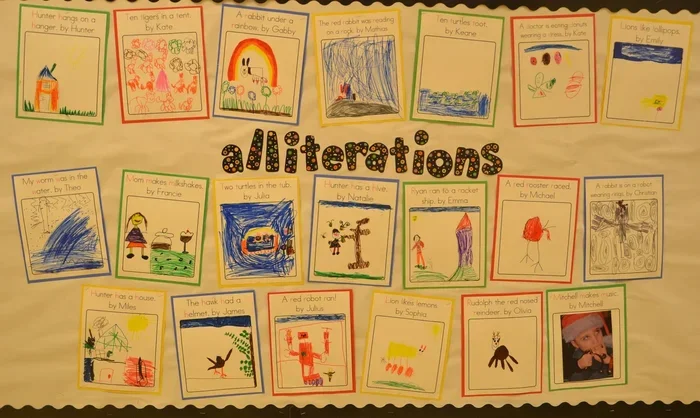

The alliteration meaning is simple: it is the repetition of the same starting sound in nearby words. This creative tool is used in poetry, advertising, speeches, and everyday storytelling to make language memorable and fun. Understanding alliteration meaning helps writers, students, and marketers craft content that sticks in the mind of the reader. In this guide, you will learn what alliteration is, where it appears, and how to use it in your own work.
Have you ever noticed how some phrases just roll off the tongue? Maybe it is “Peter Piper picked a peck of pickled peppers” or “She sells seashells by the seashore.” These phrases feel fun, catchy, and easy to remember. That is the magic of alliteration. But what exactly is the alliteration meaning, and why do writers use it so much?
In this guide, we will break down the alliteration definition in plain language. You will see real alliteration examples, learn where it shows up, and discover how to use it in your own writing. Whether you are a student, a writer, a marketer, or just someone who loves words, this guide will help you understand alliteration meaning like a pro.
The best part? Alliteration in writing is not just for poets and authors. It shows up in ads, songs, movie titles, brand names, and even in casual conversations. Once you start noticing it, you will see it everywhere. So let us dive in and explore this creative tool that has been used for centuries.
Key Takeaways
- Alliteration is the repetition of the same starting sound in words that are close together.
- Alliteration meaning goes beyond just repeating letters — it focuses on sounds, not spelling.
- Alliteration in literature adds rhythm, mood, and musicality to poems and stories.
- Alliteration in advertising helps brand names and slogans stick in people’s minds.
- Using alliteration in writing is a simple skill anyone can learn with practice.
- Alliteration is not the same as consonance or assonance, though they are related literary devices.
- Famous examples of alliteration appear in songs, tongue twisters, speeches, and movies.
📑 Table of Contents
- What Is Alliteration? The Alliteration Meaning Explained
- Alliteration in Literature and Poetry
- Alliteration in Everyday Life and Advertising
- How to Use Alliteration in Your Own Writing
- Alliteration in Speeches, Songs, and Pop Culture
- Common Mistakes When Using Alliteration
- Expert Insights on Alliteration
- Alliteration Meaning: Key Takeaways and Final Thoughts
What Is Alliteration? The Alliteration Meaning Explained
The Basic Alliteration Definition
The alliteration meaning is the repetition of the same initial consonant sound in two or more words that are close together in a sentence. It is important to note that alliteration is about sounds, not just letters. This is a common mistake many people make.
For example, take the phrase “big brown bear.” The words “big,” “brown,” and “bear” all start with the letter B. But more importantly, they all start with the same B sound. That is what makes it alliteration. The words do not need to be spelled the same way. They just need to sound the same at the start.
Here is another way to think about it. Alliteration is like a drumbeat in language. It creates a pattern that the ear naturally follows. This pattern makes phrases more rhythmic, more musical, and more memorable. When you say “wild and woolly,” the W sound ties the words together. It gives the phrase a sense of unity and flow.
Alliteration vs. Similar Literary Devices
People often confuse alliteration with other sound-based literary devices. Let us clear up the differences so you never mix them up again.
Alliteration repeats the starting sound of words. “Dead dogs don’t dance” is a classic example. The D sound leads each word.
Consonance repeats consonant sounds anywhere in the word, not just at the start. “Lost in the woods” uses the S and D sounds in the middle and end of words.
Assonance repeats vowel sounds inside words. “The rain in Spain” repeats the long A sound in the middle of the words.
Onomatopoeia is a word that sounds like what it describes, like “buzz” or “splash.”
Knowing these differences helps you use each device more effectively. It also deepens your understanding of how language works on a sound level.
Alliteration in Literature and Poetry
A Brief History of Alliteration in Poetry
Alliteration in literature is not new. It dates back over a thousand years. Old English and Anglo-Saxon poets used it as a primary structural device. They did not have rhyming schemes like we do today. Instead, they relied on alliteration to connect lines of poetry and create a musical flow.
The epic poem “Beowulf” is a perfect example. Lines were built around matching sounds at the beginning of key words. This gave the poetry a strong, rhythmic pulse that helped storytellers remember and perform the tales. Alliteration meaning in this context was functional as well as artistic.
Famous Examples of Alliteration in Poetry
Many well-known poets have used alliteration to enhance their work. Here are a few standout examples:
- Edgar Allan Poe — “The silken, sad, uncertain rustling of each purple curtain” from “The Raven.” The S and R sounds create a sense of softness and unease.
- Samuel Taylor Coleridge — “The fair breeze blew, the white foam flew” from “The Rime of the Ancient Mariner.” The B and F sounds give the line a smooth, flowing feel.
- Percy Bysshe Shelley — “The winter is dreary, the lily is weary” — a gentle use of the W and L sounds to evoke a tired, cold mood.
In each case, alliteration in poetry does more than sound nice. It sets the tone, creates atmosphere, and guides the reader’s emotions. This is the real power of understanding alliteration meaning.
Alliteration in Prose and Storytelling
It is not just poetry. Prose writers use alliteration to make sentences more vivid and engaging. In novels, short stories, and even non-fiction, repeating sounds at the start of words adds a layer of musicality to the text.
Think about a sentence like “The cold, crisp air carried the scent of pine.” The C sound in “cold,” “crisp,” and “carried” creates a chill, crisp feeling. You can almost feel the winter air. That is the subtle art of alliteration in storytelling. It works behind the scenes to shape how the reader experiences the words.
Alliteration in Everyday Life and Advertising
Alliteration in Advertising and Branding
If you think alliteration only lives in books, think again. It is everywhere in the world of marketing and branding. Companies use alliteration in advertising because it makes names and slogans easier to remember.
Here are some well-known examples:
- Coca-Cola — The C sound makes the brand name feel smooth and refreshing.
- Best Buy — The B sound feels strong and confident.
- PayPal — The P sound is punchy and easy to recall.
- Dunkin’ Donuts — The D sound gives the brand a fun, casual feel.
These brands understand that alliteration meaning goes beyond just sounding good. It helps customers remember names, builds brand identity, and creates a sense of familiarity. When a name rolls off the tongue easily, people are more likely to trust it and buy from it.
Alliteration in Slogans and Taglines
Slogans are another place where alliteration shines. A great tagline sticks in your head long after you hear it. Here are a few famous ones:
- “Maybe she’s born with it. Maybe it’s Maybelline.” — The M sound ties the line together beautifully.
- “Don’t dream it. Drive it.” — The D sound makes this Jaguar slogan feel powerful and action-oriented.
- “You’re in good hands with Allstate.” — The G and H sounds create a sense of comfort and reliability.
Each of these slogans uses alliteration in marketing to make the message more memorable. The repeated sound acts like a hook that catches the listener’s attention. This is why alliteration in advertising remains one of the most popular creative techniques today.
Alliteration in Everyday Conversation
You might be surprised to learn that you use alliteration in daily life without even realizing it. Phrases like “busy bee,” “good game,” and “nice and neat” are all examples of everyday alliteration. We naturally gravitate toward these sound patterns because they feel satisfying to say.
Kids love alliteration too. Tongue twisters like “She shields shoots and she shields shrimp” are a fun way for children to play with sounds and build language skills. Understanding alliteration meaning helps parents and teachers use these playful phrases as learning tools.
How to Use Alliteration in Your Own Writing
Step-by-Step Guide to Adding Alliteration
Using alliteration in writing is easier than you might think. Here is a simple step-by-step process you can follow:
- Choose your key word or phrase. Identify the word you want to emphasize. This is the word that will anchor your alliterative phrase.
- Pick a sound. Decide on the consonant sound you want to repeat. It does not have to be the first letter of the key word. Think about the sound, not the spelling.
- Brainstorm words. List as many words as you can that start with that sound. Do not worry about making sense yet. Just get ideas down.
- Build a phrase or sentence. Combine your words into a natural-sounding phrase. Make sure it fits the context and adds meaning.
- Read it out loud. This is the most important step. Alliteration is a sound-based device, so you need to hear it. Does it flow? Does it feel rhythmic? Adjust until it sounds right.
Tips for Effective Alliteration
Here are some practical tips to help you use alliteration like a seasoned writer:
- Keep it natural. Do not force alliteration if it makes the sentence feel awkward. The words should still make sense and flow smoothly.
- Use it for emphasis. Alliteration works best when it draws attention to an important idea or phrase. Use it sparingly for maximum impact.
- Match the mood. Soft sounds like S and L create a calm, gentle feeling. Hard sounds like K and T feel more sharp and energetic. Choose sounds that match the tone of your writing.
- Avoid overdoing it. Too much alliteration can feel silly or distracting. One or two well-placed alliterative phrases in a piece of writing are usually enough.
- Read widely. The more you read poetry, advertising copy, and great prose, the more naturally alliteration will appear in your own work.
Quick Tips for Beginners
If you are just starting out with alliteration in writing, keep these quick tips in mind:
- Start with simple two-word phrases like “wild wind” or “happy heart.”
- Use alliteration in headlines to make blog posts and articles more catchy.
- Practice with tongue twisters. They are a fun way to train your ear for sound patterns.
- Do not worry about being perfect. Like any writing skill, alliteration improves with practice.
Alliteration in Speeches, Songs, and Pop Culture
Alliteration in Famous Speeches
Great speakers have always known the power of alliteration. It gives speeches a rhythmic quality that makes them more persuasive and memorable. Martin Luther King Jr.’s famous “I have a dream” speech uses repeated sounds throughout to create emotional momentum. Politicians, motivational speakers, and preachers have all used alliteration in speeches to connect with their audiences.
Alliteration in Music and Song Lyrics
Songwriters use alliteration constantly. It adds a lyrical quality to verses and makes choruses more catchy. Here are a few examples:
- Beyoncé — “Better treat your mother better” from “Sorry.” The B sound creates a strong, assertive feel.
- Purple Rain — Prince’s iconic album title uses the P sound to create a dreamy, poetic image.
- Taylor Swift — “Better than the best, I’m loving it” from her song uses B alliteration to build energy.
Understanding alliteration meaning in music helps you appreciate the craft behind your favorite songs. The repeated sounds are never accidental. They are carefully chosen to enhance the mood and message of the lyrics.
Alliteration in Movies and TV
Movie titles and character names often use alliteration for branding and memorability. Think of “Batman Begins,” “Finding Nemo,” “Toy Story,” and “The Lord of the Rings.” These titles are easy to remember because of the sound patterns. Even character names like “Peter Parker” and “Bruce Banner” use alliteration to feel more complete and iconic.
Common Mistakes When Using Alliteration
Mistake 1: Confusing Letters with Sounds
The most common mistake is thinking that alliteration is about repeating letters. It is not. It is about repeating sounds. “Knight” and “king” both start with K, but they do not sound the same at the beginning. “Knight” starts with an N sound. So “knight and king” is not true alliteration. Always focus on the sound, not the spelling.
Mistake 2: Forcing It Where It Does Not Fit
Another mistake is forcing alliteration into a sentence just for the sake of it. This can make your writing feel unnatural and contrived. Good alliteration should feel organic. It should enhance the sentence, not distract from it.
Mistake 3: Overusing It
Too much of a good thing can backfire. If every sentence in your writing uses alliteration, it loses its impact. The device works best when it is used strategically and sparingly. Let the alliterative phrases stand out by using them only when they add real value.
Expert Insights on Alliteration
Experienced writers and linguists agree that alliteration meaning goes deeper than just a fun sound trick. According to language experts, alliteration taps into how our brains process patterns. The human mind naturally seeks patterns in sound, and alliteration satisfies that need. This is why alliterative phrases are easier to remember and more emotionally resonant.
Writing coaches also point out that alliteration in writing helps with pacing. Short alliterative phrases can speed up the rhythm, while longer ones can slow it down and create a more reflective tone. Learning to control this pacing gives writers a powerful tool for shaping how readers experience their work.
Marketing professionals emphasize that alliteration in advertising is not just creative fluff. Studies show that alliterative brand names are easier to recall and more trusted by consumers. This is why so many successful companies invest in alliterative naming and messaging from the very start.
Alliteration Meaning: Key Takeaways and Final Thoughts
Let us bring it all together. The alliteration meaning is the repetition of the same starting sound in nearby words. It is one of the oldest and most effective literary devices in the English language. From ancient poetry to modern advertising, alliteration continues to shape how we write, speak, and remember information.
Whether you are crafting a poem, writing a blog post, creating a brand name, or just playing with words, understanding alliteration meaning gives you a creative edge. It is a simple tool with a big impact. The key is to use it thoughtfully and naturally.
So the next time you read a great book, listen to a catchy song, or hear a powerful speech, pay attention to the sounds. You will start to notice alliteration everywhere. And who knows? Maybe you will find yourself using it in your own writing sooner than you think. The beauty of alliteration in writing is that it is fun, flexible, and incredibly effective. Start experimenting today and watch your words come alive.
Frequently Asked Questions
What is the alliteration meaning in simple terms?
The alliteration meaning is the repetition of the same starting sound in two or more words that are close together. It focuses on sounds, not spelling. For example, “big brown bear” uses the B sound at the start of each word, making it a clear case of alliteration.
Why is alliteration important in writing?
Alliteration in writing adds rhythm, musicality, and memorability to text. It helps key phrases stand out and makes writing more engaging. Writers use it to create mood, emphasize ideas, and make content more enjoyable to read or hear.
Can alliteration use different letters as long as the sound is the same?
Yes! This is a key part of understanding alliteration meaning. The device is about sounds, not letters. For example, “crystal clear” uses a K sound and a C sound, but they sound the same, so it counts as alliteration. The focus is always on the sound at the beginning of the word.
Where is alliteration commonly found?
Alliteration appears in many places, including poetry, prose, advertising, slogans, speeches, songs, movie titles, and everyday conversation. It is one of the most versatile literary devices because it works in both creative and commercial contexts. You can find alliteration in branding and alliteration in storytelling across almost every form of media.
How is alliteration different from other sound devices?
Alliteration repeats the starting sound of words. Consonance repeats consonant sounds anywhere in the word. Assonance repeats vowel sounds inside words. Onomatopoeia is a word that imitates a sound. Each device has a unique role, but they all work with the sounds of language to create effect.
Can kids benefit from learning about alliteration?
Absolutely. Learning about alliteration meaning helps children develop phonemic awareness, which is a key early reading skill. Tongue twisters, rhymes, and alliterative phrases make language fun for kids. They also build vocabulary and improve pronunciation in a playful, engaging way.
=== CONCLUSION ===
The alliteration meaning is a simple yet powerful concept that has shaped language for centuries. From the earliest poems to modern advertising campaigns, alliteration continues to make words more memorable, more musical, and more meaningful. Whether you are a writer looking to add flair to your prose, a marketer crafting a catchy slogan, or a student exploring the beauty of the English language, understanding alliteration gives you a real advantage.
Remember the key points. Alliteration is about sounds, not just letters. It creates rhythm, mood, and emphasis. It shows up in literature, music, advertising, speeches, and everyday conversation. And it is a skill anyone can develop with a little practice and attention to the sounds of words.
Now that you understand the alliteration meaning, it is time to put it into action. Try writing a few alliterative phrases today. Use them in a blog post, a social media caption, a poem, or even a text message. You will be amazed at how much more engaging your words become. Alliteration in writing is not just a technique. It is a creative superpower waiting to be unlocked.



