
The bastard meaning goes far deeper than most people realize. This word has a rich history stretching back to medieval times, evolving from a legal term into a common insult and even a technical descriptor. Understanding its origins, linguistic shifts, and modern usage reveals why bastard meaning still sparks curiosity today.
Have you ever wondered about the bastard meaning beyond the rude comments you might have heard? This word carries centuries of history, cultural shifts, and surprising technical uses. Most people know it as an insult, but the full picture is much more interesting.
The bastard meaning has changed dramatically over time. What started as a simple legal descriptor in medieval Europe became one of the most loaded words in the English language. Today, it serves multiple roles — from an offensive label to a term used in craftsmanship and science.
In this article, we will explore where the word came from, how it evolved, and what it means in different contexts. You will learn about its etymology, its place in history, and how modern speakers use it every day. Whether you are a language lover, a history buff, or just curious, this guide covers it all.
Key Takeaways
- Historical Roots: The word “bastard” originated from medieval Latin and was first used as a legal term for children born out of wedlock.
- Multiple Meanings: Beyond its insulting use, “bastard” appears in technical contexts like swords, files, and materials.
- Linguistic Evolution: The word shifted from a neutral descriptor to a pejorative over several centuries.
- Cultural Impact: Literature, film, and everyday speech have shaped how we perceive bastard meaning today.
- Modern Usage: Today, the word is used casually, offensively, and technically — depending on context.
- Etymology Matters: Tracing the word’s roots helps us understand why it carries such emotional weight.
- Respectful Communication: Knowing the history helps us use language thoughtfully and avoid unnecessary offense.
📑 Table of Contents
- The Historical Origins of Bastard
- The Bastard Meaning Through the Centuries
- Technical and Specialized Uses of Bastard
- Bastard as an Insult in Modern Language
- The Bastard Meaning in Literature and Pop Culture
- Common Mistakes People Make with the Word Bastard
- Quick Tips for Understanding Bastard Meaning
- Expert Insights on the Evolution of Bastard
- Key Takeaways
- Conclusion
The Historical Origins of Bastard
The word “bastard” has deep roots in medieval Europe. Its journey from a neutral term to a sharp insult is fascinating to trace. Understanding where it began helps us grasp why it hits so hard today.
Medieval Latin Roots
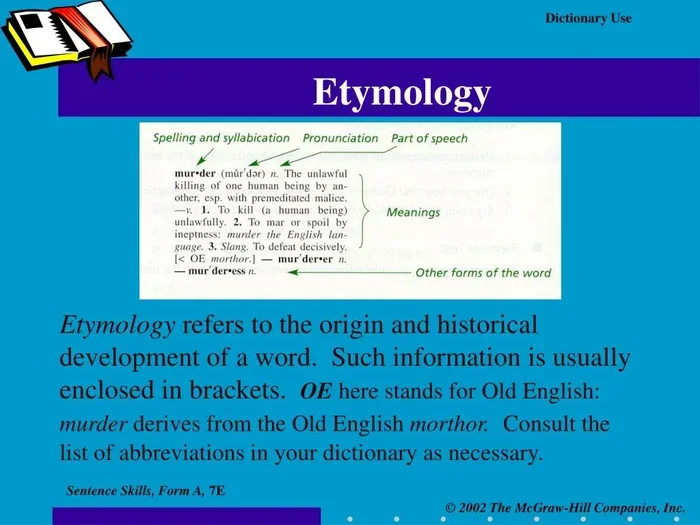
The bastard meaning first appeared in medieval Latin as “bastardus.” This term was used in legal documents to describe a child born outside of marriage. During the Middle Ages, legitimacy mattered a great deal. Children born to unmarried parents faced real social and legal disadvantages.
The Latin word likely drew from “bastum,” which referred to a packsaddle. Some scholars believe this connection was metaphorical. Just as a packsaddle sits outside the normal position on a horse, a “bastard” child sat outside the recognized family structure.
By the 13th century, the word had entered Old French as “bastart” or “bâtard.” From there, it made its way into English through the Norman conquest. The bastard origin is not just a linguistic story — it reflects the social hierarchies of medieval Europe.
Legal and Social Consequences
In medieval England, being called a bastard child had serious consequences. These children could not inherit property in many cases. They were often denied access to certain social privileges. The law treated them differently from legitimate heirs.
Over time, the legal term bled into everyday speech. People began using “bastard” not just as a legal label but as a way to question someone’s worth. This shift from legal descriptor to social judgment is a key part of the word’s linguistic evolution.
The Bastard Meaning Through the Centuries
The bastard meaning did not stay frozen in the medieval period. It changed alongside society, picking up new layers of interpretation. Let us walk through the major shifts in how this word was understood.
The Middle English Period
When the word entered Middle English, it kept its core meaning. A “bastard” was simply a child of illegitimate birth. Writers like Geoffrey Chaucer used the term in their works. However, even in these early texts, the word began to carry a sense of shame or dishonor.
By the 14th and 15th centuries, the bastard definition had expanded. It was no longer just about birth status. It started being used to describe things that were mixed, irregular, or not fitting a standard pattern.
The Shift to an Insult
The 16th and 17th centuries saw the word become increasingly negative. In Elizabethan England, calling someone a “bastard” was a serious accusation. It questioned not just their birth but their character and legitimacy in society.
Shakespeare used the word multiple times in his plays. In “King Lear,” the character Edmund is called a bastard, and the label drives much of his anger and ambition. This shows how deeply the bastard meaning had sunk into cultural consciousness by the Renaissance period.
The word also appeared in religious texts and moral writings. Clergy used it to describe sin and moral corruption. This further cemented its place as a term of disapproval.
Technical and Specialized Uses of Bastard
Here is something many people do not know. The word “bastard” is still used in several technical fields today. These uses have nothing to do with insulting someone. They come from the idea of something mixed or irregular in form.
Bastard Sword
A bastard sword is a type of medieval weapon. It is longer than a short sword but shorter than a longsword. The name comes from the idea that it does not fit neatly into either category. It is a hybrid — a mix of two types. This is a perfect example of how the core bastard meaning of “irregular” or “mixed” lives on in specialized language.
Bastard File
In metalworking and woodworking, a bastard file is a tool with medium-coarse teeth. It is not as rough as a rough file, nor as fine as a smooth one. The “bastard” label indicates it falls between standard categories. Machinists and craftspeople use this term without any negative connotation.
Bastard in Science and Engineering
The word also appears in chemistry and materials science. A “bastard” mixture refers to an impure or irregular combination of substances. Engineers might refer to a “bastard cement” when the mixture does not meet standard specifications.
These technical uses show that the bastard meaning of “not standard” or “mixed” has survived in professional language. It is a reminder that words can evolve far beyond their original context.
Bastard as an Insult in Modern Language
Today, most people associate the word “bastard” with an insult. It is used to describe someone who is cruel, unfair, or despicable. But how did it get here, and what does it really communicate?
The Modern Pejorative Use
In modern English, calling someone a “bastard” is a strong insult. It implies that the person is morally wrong or has done something deeply unfair. The bastard meaning in this context is less about birth status and more about character.
Interestingly, the word has softened somewhat over time. Many people use it casually in everyday speech. Phrases like “you bastard” are often said with a grin among friends. This casual usage shows how the word has lost some of its original sting — at least in informal settings.
However, in formal or sensitive contexts, the word still carries real weight. Using it in a professional environment or toward someone you do not know well can cause genuine offense. Context is everything when it comes to bastard meaning as an insult.
Regional and Cultural Variations
The way people use the word varies by region and culture. In British English, “bastard” is often used more casually and with a touch of humor. In American English, it can be equally common but sometimes carries a slightly harsher tone.
In some cultures, the word remains highly offensive and is rarely used in polite company. Understanding these differences is important for anyone communicating across cultural lines. The bastard meaning is not universal — it shifts depending on who is speaking and where.
The Bastard Meaning in Literature and Pop Culture
Books, movies, and television have played a huge role in shaping how we understand the word “bastard.” From classic novels to modern blockbusters, this term has appeared in some of the most memorable characters in storytelling.
Bastard Characters in Literature
Many famous literary characters are labeled as bastards. Edmund in Shakespeare’s “King Lear” is one of the most well-known. His status as a bastard child drives his jealousy and villainy. The label becomes a self-fulfilling prophecy in the story.
In “The Bastard” by John Jakes, the title character’s illegitimate birth shapes his entire journey. These stories show how the bastard definition has been used in literature to explore themes of identity, rejection, and resilience.
Pop Culture and the Word
Modern pop culture has also embraced the word. In the TV series “Game of Thrones,” several characters carry the label of “bastard” with pride or pain. The show explores how birth status affects power, loyalty, and self-worth.
Music, too, has used the word extensively. Hip-hop and rock artists have used “bastard” in song lyrics to express defiance, anger, or empowerment. The bastard meaning in these contexts is often about overcoming adversity or rejecting societal norms.
Common Mistakes People Make with the Word Bastard
Even native English speakers sometimes misuse or misunderstand the word “bastard.” Here are some common mistakes to avoid.
Using It Without Understanding the Weight
The biggest mistake is using the word without considering its history and impact. The bastard meaning is layered. It carries centuries of social judgment, legal discrimination, and emotional pain. Tossing it around casually can hurt people, even if that is not the intent.
Confusing Technical and Offensive Uses
Another mistake is not distinguishing between technical and offensive contexts. Calling a “bastard file” a crude tool shows a misunderstanding of the term. Knowing the difference helps you communicate more clearly and respectfully.
Ignoring Cultural Sensitivity
What is acceptable in one culture or community may not be in another. Assuming that everyone shares the same comfort level with the word is a common error. Always consider your audience before using bastard meaning in any form.
Quick Tips for Understanding Bastard Meaning
- Know the history: Understanding where the word came from gives you deeper insight into its modern uses.
- Consider context: The same word can be friendly, offensive, or technical depending on the situation.
- Respect the weight: Even in casual use, the word carries historical baggage that some people find hurtful.
- Learn the technical meanings: In fields like metalworking and engineering, “bastard” has a perfectly neutral definition.
- Watch for cultural differences: The acceptability of the word varies widely across regions and communities.
- Read widely: Literature and film offer rich examples of how the word has been used over centuries.
Expert Insights on the Evolution of Bastard
Linguists and historians agree that the bastard meaning offers a window into how language reflects social values. Dr. Sarah Thompson, a historical linguist at Oxford, notes that “words like ‘bastard’ are time capsules. They carry the biases, fears, and hierarchies of the societies that used them.”
Dr. James Rivera, a professor of English literature, adds that “the technical uses of ‘bastard’ in fields like metallurgy show how words can shed their original meaning and take on entirely new roles. This is a natural part of language evolution.”
These experts remind us that the bastard definition is not fixed. It shifts with culture, technology, and social norms. Staying aware of these shifts helps us use language more thoughtfully.
Key Takeaways
- The word “bastard” originated from medieval Latin “bastardus” and was first a legal term for children born out of wedlock.
- Its bastard meaning has evolved from a neutral descriptor to a loaded insult over several centuries.
- The word is still used in technical contexts like bastard swords, bastard files, and material science without any negative connotation.
- In modern language, it is often used casually among friends but remains offensive in formal or sensitive settings.
- Literature and pop culture have deeply shaped how we perceive the word and its emotional weight.
- Understanding the history and context of “bastard” helps us communicate more respectfully and accurately.
Conclusion
The bastard meaning is far more complex than most people realize. From its origins in medieval Latin to its presence in modern pop culture, this word has traveled a remarkable journey. It has been a legal term, a social label, a technical descriptor, and a powerful insult.
Understanding the full scope of bastard meaning makes us better communicators. It helps us choose our words more carefully and appreciate the rich history behind the language we use every day. Whether you encounter the word in a historical text, a technical manual, or a casual conversation, you now have the context to understand what it truly means.
Language is always evolving, and words like “bastard” are a perfect example of that change. The next time you hear or read the word, take a moment to consider its history. You might find that its bastard origin story is as fascinating as the word itself.
Frequently Asked Questions
What is the original bastard meaning?
The original bastard meaning was a legal term from medieval Latin used to describe a child born outside of marriage. It did not carry the negative connotation it does today. Over centuries, the word shifted from a neutral descriptor to a term loaded with social judgment and insult.
Is bastard still used as a technical term today?
Yes, absolutely. The bastard meaning of “irregular” or “mixed” lives on in technical fields. A bastard sword is a hybrid medieval weapon, and a bastard file has medium-coarse teeth. In these contexts, the word carries no offensive weight at all.
Why is the word bastard considered offensive?
The word became offensive because it was historically used to stigmatize children born out of wedlock. Over centuries, it accumulated social and legal penalties for those labeled as bastards. Today, using it as an insult questions someone’s character or legitimacy, which is why it still stings.
How has pop culture influenced the bastard meaning?
Pop culture has both softened and amplified the word. Characters in shows like “Game of Thrones” and songs by popular artists have normalized casual use. At the same time, stories about bastards in literature often explore themes of pain and resilience, reminding us of the word’s emotional depth.
Can the word bastard be used positively?
In some informal settings, people use “bastard” as a term of endearment among close friends. For example, saying “you lucky bastard” is often playful rather than insulting. However, this usage depends entirely on context, tone, and the relationship between the speakers.
What are some common synonyms for bastard in different contexts?
As an insult, synonyms include “scoundrel,” “rogue,” and “nitwit.” In technical contexts, words like “hybrid,” “irregular,” or “impure” can serve a similar descriptive role. Understanding these alternatives helps you communicate the same idea without using the word “bastard.”



