
The chav meaning refers to a British slang term describing a young person associated with flashy jewellery, sportswear, and a specific youth subculture. The term has deep roots in UK social history and media portrayal. Understanding chav meaning helps you navigate British slang, culture, and everyday conversations with confidence.
Key Takeaways
- Chav meaning: A British slang term for a young person linked to a specific style and subculture.
- Origins matter: The word likely comes from Romani or early 2000s UK media.
- Fashion is key: Tracksuits, gold jewellery, and sportswear define the look.
- Stereotypes exist: Media portrayal has shaped public perception significantly.
- Regional variations: The term is used differently across the UK.
- It is evolving: Modern chav culture looks different from what it did 20 years ago.
- Respect matters: Using the term carelessly can be seen as disrespectful or classist.
📑 Table of Contents
What Does Chav Mean?
If you have ever heard someone in the UK call a young person a chav, you might have wondered what it really means. The chav meaning is simple on the surface but carries a lot of cultural weight underneath. At its core, the term describes a young person from a working-class background who follows a specific style and lifestyle. This includes wearing sportswear, flashy gold jewellery, and branded trainers. The chav definition has evolved over the years, shaped by media, fashion, and social attitudes.
People use the word in different ways. Some use it as a neutral description. Others use it as an insult. The chav meaning depends heavily on context, tone, and who is saying it. Understanding this term means looking at more than just the clothes or the accent. It means understanding the history, the culture, and the stereotypes attached to it.
The term has become a major part of UK slang and British youth culture. It appears in TV shows, memes, news articles, and everyday conversations. Whether you are a visitor to the UK or just curious about British language, knowing what chav means will help you understand a big part of modern British life.
The Short Answer
The chav meaning is a British slang label for a young person who dresses in sportswear, wears cheap gold jewellery, and is often linked to a working-class youth subculture. The term is widely used across England, Wales, Scotland, and Northern Ireland, though it is most common in England.
The Origins and History of the Term
Every word has a story. The chav meaning is no different. The origins of the word are debated among linguists and historians. Some believe it comes from the Romani word “chavi,” which means “child.” Others think it emerged in the early 2000s as a media-created label for a specific type of young person. Regardless of its exact roots, the term gained massive popularity in the UK around 2004 to 2007.
During that time, British newspapers and TV shows started using the word to describe young people involved in anti-social behaviour. The media latched onto the term because it was an easy way to label a group of people. This helped the word spread quickly. Soon, everyone from tabloid journalists to comedians was using chav in their vocabulary.
The chav stereotype grew alongside the word. People began associating the term with certain behaviours, styles, and social classes. This is important to understand because the chav meaning is not just about fashion or slang. It is also about class, identity, and how society views certain groups of young people.
How the Word Spread
Social media and television played a huge role in popularising the term. Shows like Benefits Street and Shameless featured characters that fit the chav image. Memes and viral videos also helped spread the chav meaning far beyond the UK. Today, people around the world use the word, even if they do not fully understand its cultural context.
The Romani Connection
Some researchers believe the word chav has Romani roots. The Romani people have lived in the UK for centuries. Their language and culture have influenced British English in many ways. The word “chavi” in Romani means “child” or “young person.” Over time, this may have evolved into the modern British slang term we know today. This connection adds another layer to the chav meaning and shows how language evolves through cultural mixing.
Chav Fashion and Style
When most people think of a chav, they picture a specific look. The chav fashion is one of the most recognisable parts of this subculture. It is bold, loud, and impossible to miss. But the style has changed a lot over the years. Let us break down what makes up the classic chav look.
The Classic Chav Outfit
The traditional chav style includes several key items:
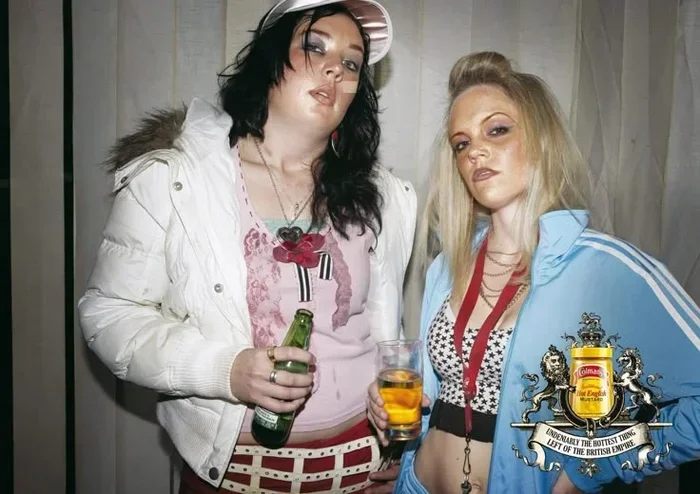
- Tracksuits: Usually in bright colours or shiny fabric. Adidas and tracksuit jackets are very common.
- Sportswear: Nike, Adidas, and Puma brands are popular choices.
- Gold jewellery: Large chains, hoop earrings, and thick bracelets. The bling is a big part of the look.
- Fake tan: A deep, golden tan is often associated with the style.
- Branded trainers: Burberry, Nike, and other name brands are worn, even if they are fake.
- Hoodies: Often worn with the hood up, especially by younger chavs.
- Baseball caps: Worn backwards or forwards, often with a flat brim.
Modern Chav Fashion
The chav meaning in fashion has shifted in recent years. Today, the style is more varied. Some young people still follow the classic look. Others have mixed it with streetwear and modern trends. The line between chav fashion and general street fashion has blurred. This makes it harder to define exactly what a “chav look” is in 2025.
Fast fashion has also changed the game. Brands that were once seen as “chav brands” are now worn by people from all social classes. What was once a marker of a specific subculture has become mainstream fashion. This is an important shift to understand when thinking about the chav meaning today.
The Role of Designer Knockoffs
One interesting part of chav fashion is the love for designer knockoffs. Fake Burberry scarves, replica trainers, and copycat jewellery are all common. This is not about wanting to steal brands. It is more about wanting to look good on a budget. The chav meaning includes this creative approach to fashion. People make style choices that reflect their identity and their budget.
Chav Culture and Lifestyle
The chav meaning goes beyond just clothes. It is tied to a broader culture and way of life. Chav culture includes music, social habits, and community identity. Understanding this side of the term gives you a fuller picture of what being a chav really means.
Music and Entertainment
Chav culture has strong ties to certain music genres. Grime music, UK garage, and hip hop are all closely linked to the subculture. Artists like Dizzee Rascal, Skepta, and Linkin Park (in his early career) have been associated with the chav image. Music provides a soundtrack to the lifestyle and helps build a sense of community among young people.
Social media has also changed the culture. TikTok, Instagram, and YouTube have given rise to new chav influencers and content creators. These young people share their lives, fashion tips, and humour with huge audiences. The chav meaning in the digital age is evolving fast.
Social Habits and Perceptions
The chav stereotype often includes ideas about binge drinking, anti-social behaviour, and trouble with the law. These perceptions are not always fair. Many young people who fit the chav description are hardworking and kind. The problem is that media and public opinion tend to focus on the negative.
It is important to remember that the chav meaning is not a fixed definition. It changes depending on who you ask, where you live, and what year it is. Some people embrace the label proudly. Others find it offensive and classist. This tension is at the heart of the modern chav conversation.
Community and Identity
For many young people, being called a chav is a source of pride. It represents belonging to a community. It means standing by your roots and your neighbourhood. The chav culture is about loyalty, friendship, and having fun. It is also about surviving tough economic conditions with style and humour.
However, the term can also be hurtful. When used as an insult, it can mock people for their appearance, their accent, or their background. This is why the chav meaning is so complex. It is both a label of identity and a tool of social judgement.
Media Portrayal and Stereotypes
The media has played a huge role in shaping the chav meaning. British newspapers, TV shows, and films have painted a very specific picture of who a chav is. This picture is often exaggerated and unfair. But it has become so embedded in popular culture that many people accept it as truth.
How the Media Shapes Perception
Tabloid newspapers love the word “chav.” It sells papers and generates clicks. Headlines about “chav gangs” or “chav behaviour” are common. This constant negative coverage has created a strong chav stereotype in the public mind. People who have never met a chav may still have strong opinions about them.
Television has also contributed. Reality shows like Benefits Street and My Big Fat Gypsy Wedding featured people who fit the chav image. These shows were hugely popular but also controversial. Critics argued they reinforced negative stereotypes and class prejudice.
The Impact on Real People
The media portrayal of chavs has real consequences. Young people who dress in sportswear or gold jewellery may face judgement or discrimination. Employers, teachers, and even shopkeepers may treat them differently based on their appearance. This is a serious issue that connects to broader problems of social class and inequality in the UK.
The chav meaning is not just a word. It is a lens through which society views certain groups of people. When that lens is distorted by stereotypes, it can cause real harm. This is why it is so important to think carefully about how we use the term.
Changing Attitudes
In recent years, attitudes toward the chav label have started to shift. More people are speaking out against classism and chav shaming. Social media campaigns and articles have challenged the negative stereotypes. Some people have even reclaimed the word, using it with pride instead of shame. The chav meaning is slowly becoming more nuanced and less one-dimensional.
How the Term Is Used Today
The way people use the chav meaning has changed a lot over the past decade. In the early 2000s, the term was mostly used as an insult. Today, it is used in many different ways. Some people use it playfully. Others use it seriously. And some people avoid it altogether.
Chav as a Humour Label
One of the most common ways the word is used today is in humour. Memes, jokes, and funny videos about chavs are everywhere online. People make light-hearted fun of the style and habits associated with the term. This playful use has made chav a part of everyday British humour.
However, there is a fine line between humour and disrespect. What one person finds funny, another may find hurtful. The chav meaning in humour depends on who is telling the joke and who is the target.
Chav as a Fashion Identity
Some young people proudly embrace the chav label. They see it as a fashion identity and a cultural badge. They wear the sportswear, the gold jewellery, and the branded trainers with confidence. For them, the chav meaning is about self-expression and belonging to a community.
This is especially common in council estates and working-class areas across the UK. The style is a way of showing pride in where you come from. It is also a way of pushing back against middle-class judgements and snobbery.
Chav as a Derogatory Term
Unfortunately, the word is still used as an insult in many situations. Calling someone a chav can be a way of putting them down based on their appearance, their accent, or their social class. This use of the term is harmful and contributes to class discrimination.
The chav meaning as an insult is closely linked to anti-social behaviour and negative stereotypes. When people use the word to mock or belittle others, it reinforces harmful ideas about working-class youth. It is important to be aware of this and to think about how our words affect others.
Regional Variations in Usage
The way people use the chav meaning varies across the UK. In some areas, the term is used more casually. In others, it is considered very offensive. Here are some regional differences:
- London: The term is widely used but can be seen as disrespectful in certain neighbourhoods.
- Manchester: “Chav” is commonly used, but local slang like “scally” is also popular.
- Birmingham: The term is used, but “charver” is the more common local equivalent.
- Scotland: “Ned” is the Scottish equivalent of a chav. The chav meaning overlaps with this term.
- Wales: “Chav” is used but “townie” or “pikey” may also be heard.
- Northern England: “Chav” is widely understood and used across the region.
These regional variations show that the chav meaning is not a single, fixed definition. It shifts depending on where you are in the UK and who you are talking to.
Chav vs Similar Terms: A Comparison
The chav meaning is often confused with similar terms used in the UK. Here is a simple comparison to help you understand the differences.
| Term | Region | Similarity to Chav | Key Difference |
|---|---|---|---|
| Chav | England (wide) | — | The most widely used term for the subculture |
| Scally | North West England | Very similar | More specific to Liverpool and surrounding areas |
| Charver | Yorkshire, Midlands | Very similar | Used in Northern England with slightly different connotations |
| Ned | Scotland | Very similar | The Scottish equivalent with its own cultural context |
| Townie | Wales | Similar | Broader term, not always linked to the same style |
| Pikey | UK (historical) | Related | Often linked to Traveller communities, different from chav |
As you can see, the chav meaning is part of a larger family of similar terms. Each one has its own regional flavour and cultural context. Understanding these differences helps you use the right term in the right place.
Quick Tips for Understanding Chav Culture
Here are some quick tips to help you understand the chav meaning and culture better:
- Watch British reality TV: Shows like Geordie Shore and The Only Way Is Essex feature characters who fit the chav image.
- Listen to UK music: Grime, UK garage, and British hip hop often reference chav culture.
- Read UK slang guides: Many websites and books cover British slang, including the chav term.
- Visit working-class areas: If you are in the UK, visiting areas in cities like London, Manchester, or Birmingham can give you real-world context.
- Be respectful: Remember that the term can be hurtful. Use it carefully and thoughtfully.
Common Mistakes People Make About Chavs
There are several common mistakes people make when thinking about the chav meaning. Avoiding these mistakes will help you have a more accurate and respectful understanding.
- Assuming all chavs are the same: The chav label covers a huge range of people. Not all of them look, act, or think the same way.
- Confusing chav with criminal: Wearing sportswear or gold jewellery does not make someone a criminal. The chav stereotype unfairly links the look to crime.
- Using the term as a universal insult: Calling someone a chav without knowing them is rude and often classist.
- Ignoring regional differences: The chav meaning changes depending on where you are in the UK. What applies in London may not apply in Scotland.
- Overgeneralising fashion choices: Wearing a tracksuit does not automatically make someone a chav. Fashion is personal and diverse.
- Believing the media portrayal: The media often exaggerates the chav image. Real chav culture is much more varied and complex than what you see on TV.
Expert Insights on the Chav Label
Sociologists and cultural experts have studied the chav meaning for years. Many agree that the term is deeply tied to social class and class prejudice. Dr. Julia Hales, a sociologist at the University of Oxford, has written about how the chav label reinforces class divisions in the UK.
“The word ‘chav’ is not just a description. It is a social tool,” she explains. “It is used to distance certain groups from mainstream society. This is why it matters so much.”
Other experts point out that the chav meaning is changing. Younger generations are more likely to use the term playfully or reclaim it. This shift suggests that the future of the word is in the hands of the people it describes.
Key Takeaways
- The chav meaning is a British slang term for a young person linked to a specific style and subculture.
- The term has Romani origins and gained popularity in the early 2000s through media coverage.
- Chav fashion includes tracksuits, sportswear, gold jewellery, and branded trainers.
- Media stereotypes have shaped public perception of chavs, often unfairly.
- The term is used differently across the UK, with regional equivalents like “scally” and “ned.”
- Respect matters: Using the term carelessly can be seen as classist and hurtful.
- The chav culture is evolving, and younger people are reclaiming the label with pride.
Conclusion
The chav meaning is much more than a simple slang word. It is a cultural label with deep roots in British history, fashion, and social class. Understanding what chav really means requires looking beyond the stereotypes and the media headlines. It requires empathy, curiosity, and a willingness to see the full picture.
Whether you encounter the term in a conversation, on social media, or in a British TV show, you now have the knowledge to understand it properly. The chav meaning is shaped by the people who use it, the culture that surrounds it, and the society that judges it. As attitudes continue to evolve, so will the way we understand and use this powerful word.
Next time you hear someone say the word chav, remember everything you have learned here. Think about the history, the fashion, the culture, and the people behind the label. The chav meaning is a window into a big part of modern British life. And now, you are looking through that window with clear eyes.
Frequently Asked Questions
What is the chav meaning in simple terms?
The chav meaning is a British slang term for a young person who follows a specific style and subculture. This includes wearing sportswear, gold jewellery, and branded trainers. The term is widely used across the UK, especially in England.
Where did the word chav come from?
The exact origin of the word is debated. Some believe it comes from the Romani word “chavi,” meaning “child.” Others think it emerged in the early 2000s through UK media. The term gained massive popularity around 2004 to 2007.
Is calling someone a chav offensive?
It can be. The chav meaning is often used as an insult that targets people based on their appearance, accent, or social class. This can be hurtful and classist. However, some young people reclaim the term with pride. Context and intent matter a lot.
What is the difference between a chav and a scally?
A scally is a regional term used mainly in North West England, especially around Liverpool. It is very similar to chav in meaning. The main difference is the region where each term is most commonly used. Both describe a similar style and subculture.
Has the chav meaning changed over time?
Yes, it has. In the early 2000s, the term was mostly used negatively. Today, it is used in many ways, including playfully and with pride. Modern chav culture is also more diverse and less tied to a single look than it was in the past.
Are chavs only found in England?
No. While the term chav is most common in England, similar terms exist across the UK. In Scotland, the equivalent is “ned.” In Northern England, you may hear “charver” or “scally.” The chav meaning has regional variations throughout the United Kingdom.