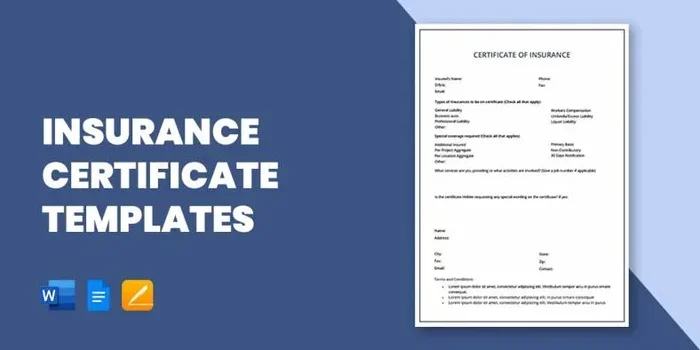

The COI meaning refers to a “Certificate of Insurance,” a document that proves a person or business has active insurance coverage. It is a quick, standardized way for companies, clients, and contractors to verify liability protection without digging through full policy details. Understanding COI meaning helps you stay compliant, avoid legal risks, and build trust in every business relationship.
If you have ever worked with a contractor, freelancer, or vendor, you may have heard them say, “I will send over my COI.” But what does COI meaning actually stand for? And why do so many businesses treat this little document with so much importance?
The short answer is that COI stands for Certificate of Insurance. It is a simple, one-page document that serves as proof of insurance coverage. Think of it as a snapshot of your insurance policy. It shows that you are covered and gives others confidence that you can handle risks if something goes wrong.
In this article, we will break down the COI meaning in plain language. We will cover what it includes, why it matters, how to get one, and the most common mistakes people make. Whether you are a business owner, a contractor, or just curious about insurance paperwork, this guide has you covered.
Key Takeaways
- COI stands for Certificate of Insurance: It is a one-page document that confirms your insurance coverage is active and valid.
- COI meaning matters for contractors and businesses: Clients and partners often require it before starting any project or signing a contract.
- A COI includes key details: Policy number, coverage type, limits, effective dates, and the insurance provider name.
- There are different types of COIs: General liability, professional liability, workers’ compensation, and commercial auto are the most common.
- Common mistakes include outdated COIs and missing additional insured endorsements: Both can cause delays and legal exposure.
- COI tracking tools simplify management: They help businesses monitor expiration dates and renewal deadlines across multiple policies.
- Requesting a COI is straightforward: Contact your insurance broker or carrier, and they can generate one in minutes.
📑 Table of Contents
- What Does COI Meaning Stand For?
- What Information Is on a COI?
- Why Does COI Meaning Matter for Businesses?
- Common Types of COI Certificates
- How to Request a COI
- Common Mistakes People Make With COIs
- COI Tracking: Why It Matters
- COI vs. Actual Policy: What Is the Difference?
- Expert Insights on COI Best Practices
- How COI Meaning Relates to Risk Management
- Key Takeaways
- Conclusion
What Does COI Meaning Stand For?
COI meaning is straightforward. COI stands for Certificate of Insurance. It is also commonly called an insurance certificate or a certificate holder document. This document is issued by an insurance company or broker and confirms that a policy is active.
The COI is not the actual insurance policy. Instead, it is a summary. It gives a quick overview of the key details without revealing sensitive information. Most COIs are just one page long, which makes them easy to share and review.
Why Is It Called a Certificate?
The word “certificate” means an official document that serves as proof. In this case, it proves that an insurance policy exists. A certificate of insurance works like a diploma proves you completed school. It does not give every detail, but it confirms the facts.
Insurance companies issue these certificates because they want a standardized way to share coverage information. Without a COI, every business would have to share their full policy documents. That would be time-consuming and a privacy concern for the policyholder.
What Information Is on a COI?
A standard certificate of insurance includes several important pieces of information. Let us walk through each one so you know exactly what to look for.
Policyholder Name
This is the name of the person or business that holds the insurance policy. It is usually at the top of the document. Make sure this name matches the business you are working with.
Insurance Company Details
The COI lists the name of the insurance carrier. It also includes the policy number. This helps anyone verify the coverage directly with the insurer if needed.
Coverage Types and Limits
This section shows what kind of coverage the policy provides. Common types include general liability, professional liability, workers compensation, and commercial auto. The coverage limits tell you the maximum amount the insurer will pay per claim or in total.
Effective and Expiration Dates
Every COI shows the start date and end date of the policy. This is crucial because expired coverage means no protection. Always double-check these dates before relying on a certificate.
Additional Insured Endorsements
Sometimes a COI lists other parties who are also covered under the policy. This is called an “additional insured” endorsement. It is very common in construction and service contracts where the client wants to be protected too.
Why Does COI Meaning Matter for Businesses?
Now that you understand the COI meaning, let us talk about why it matters so much. This document plays a bigger role in business than most people realize.
It Protects You From Risk
When you hire someone to do work for you, you take on a certain level of risk. If that person causes damage or gets injured on the job, you could be held responsible. A certificate of insurance helps you verify that the other party has their own coverage. This reduces your exposure to financial loss.
It Builds Trust With Clients
Clients want to work with professionals who are insured. When you can provide a COI quickly, it shows you are organized and serious about your business. It builds immediate trust and credibility. Many clients will not even start a conversation without asking for proof of coverage first.
It Is Often a Contract Requirement
Most contracts and service agreements include a clause requiring proof of insurance. This is standard in industries like construction, real estate, cleaning services, and consulting. Without a valid COI, you may not be able to sign the contract or start the project.
It Helps With Compliance
Many industries have regulations that require businesses to carry specific types of coverage. A certificate of insurance helps you stay compliant with these rules. It also helps your clients and partners stay compliant with their own requirements.
Common Types of COI Certificates
Not all certificates of insurance are the same. The type of COI you need depends on your business and the work you do. Here are the most common types you will encounter.
General Liability COI
This is the most widely requested type. A general liability COI covers third-party bodily injury, property damage, and personal injury claims. It is essential for contractors, consultants, and anyone who interacts with the public or other businesses.
Professional Liability COI
Also known as errors and omissions (E&O) insurance, a professional liability COI covers claims related to professional services. It protects against negligence, mistakes, or failures in the advice or services you provide. This is common for doctors, lawyers, accountants, and tech professionals.
Workers Compensation COI
This certificate proves that your business carries workers compensation insurance. It covers medical expenses and lost wages for employees who get injured on the job. Most states require this coverage for businesses with employees.
Commercial Auto COI
If your business uses vehicles, you need a commercial auto COI. This covers damage or injuries caused by company vehicles. It is especially important for delivery services, trucking companies, and any business that relies on transportation.
How to Request a COI
Getting a certificate of insurance is easier than most people think. Here is a simple step-by-step guide.
- Contact your insurance broker or carrier: Reach out to the person or company that handles your insurance.
- Provide the details: Tell them who needs the COI, what type of coverage is required, and who should be listed as the certificate holder.
- Review the document: Once you receive the COI, check all the details carefully. Make sure the dates, coverage types, and limits are correct.
- Send it promptly: Deliver the COI to the requesting party as soon as possible. Timely delivery keeps projects moving and avoids delays.
Most brokers can generate a COI within minutes. Many insurance companies also offer online portals where you can request and download certificates yourself.
Quick Tips for Requesting a COI
- Always request a new COI close to the start date of the project. Old certificates may be expired.
- Double-check that your business name is spelled correctly on the document.
- If you are a certificate holder, make sure your name is listed correctly so you are recognized as a covered party.
- Keep a record of every COI you send and receive for your own files.
Common Mistakes People Make With COIs
Even though COIs are simple documents, mistakes happen frequently. Here are the most common errors and how to avoid them.
Using an Expired Certificate
The biggest mistake is relying on an outdated COI. Insurance policies expire, and a certificate from last year means nothing. Always check the expiration date before accepting or sharing a certificate.
Missing the Additional Insured Endorsement
If a contract requires you to list the client as an additional insured, make sure the COI includes that endorsement. Leaving it out can void the coverage for the other party and create serious legal problems.
Not Verifying the Insurance Company
Fake or fraudulent certificates exist. Always verify the insurance company and policy number directly with the carrier if you have any doubts. A quick phone call can save you from significant headaches later.
Confusing the COI With the Actual Policy
Remember that a certificate of insurance is not the full policy. It is a summary document. Do not rely on a COI for every detail of your coverage. If you need specific terms, conditions, or exclusions, you must refer to the actual policy document.
COI Tracking: Why It Matters
For businesses that work with multiple vendors, contractors, or partners, tracking certificates can become a challenge. This is where COI tracking comes in.
COI tracking is the process of monitoring expiration dates, renewal deadlines, and compliance status for all the certificates you receive and send. Many businesses use specialized software or platforms to manage this efficiently.
Benefits of COI Tracking
- Never miss a renewal: Automated alerts remind you when a policy is about to expire.
- Stay compliant: You can ensure all your vendors and partners maintain active coverage.
- Save time: A centralized system makes it easy to find and share certificates when needed.
- Reduce risk: You avoid working with uninsured or underinsured parties.
Whether you use a simple spreadsheet or a dedicated COI tracking platform, the goal is the same. You want to keep your insurance verification process organized and up to date.
COI vs. Actual Policy: What Is the Difference?
It is easy to confuse a certificate of insurance with the actual insurance policy. They serve different purposes, and understanding the difference is important.
A COI is a summary document. It gives a high-level overview of your coverage. It is what you share with clients, partners, and third parties. The actual policy, on the other hand, contains all the fine print. It includes the terms, conditions, exclusions, endorsements, and full details of your coverage.
Think of the COI as the menu and the policy as the full recipe book. The menu gives you the key information at a glance. The recipe book has every detail you need if you want to dig deeper.
| Feature | Certificate of Insurance (COI) | Actual Insurance Policy |
|---|---|---|
| Purpose | Proof of coverage | Full contract with insurer |
| Length | One page | Multiple pages |
| Details Included | Summary of coverage | Complete terms and conditions |
| Who Receives It | Clients, partners, third parties | Policyholder only |
| Can It Be Used for Legal Claims? | No, it is just proof | Yes, it is the binding document |
| How Fast Can You Get It? | Minutes to hours | Takes time to issue and bind |
Understanding this distinction is essential. When someone asks for your COI, they do not need your full policy. They just need confirmation that you are covered. Keep this in mind the next time you are asked to provide one.
Expert Insights on COI Best Practices
We spoke with insurance professionals to get their top advice on handling certificates of insurance. Here is what they had to say.
Always read the COI before signing a contract. Many business owners skip this step, and it comes back to bite them. Take five minutes to review the coverage types and limits. Make sure they meet the requirements outlined in your agreement.
Do not wait until the last minute. If a client or partner requests a COI, get it to them as soon as possible. Delays in providing a certificate of insurance can hold up entire projects and damage your reputation.
Keep copies of every COI you send and receive. Having a paper trail protects you in case of disputes. It also makes audits and compliance checks much easier.
Use a COI tracking tool if you handle many certificates. Manual tracking is error-prone. A good tracking system saves time, reduces risk, and keeps you organized.
How COI Meaning Relates to Risk Management
COI meaning connects directly to the broader concept of risk management. Risk management is the process of identifying, assessing, and mitigating potential threats to your business. A certificate of insurance is one of the most practical tools in this process.
When you require a COI from your vendors or contractors, you are actively managing your risk exposure. You are ensuring that the people you work with can handle their own liabilities. This protects your business, your assets, and your reputation.
Effective risk management also involves reviewing coverage limits, checking for gaps in protection, and ensuring all parties meet the insurance requirements outlined in contracts. A COI is your first line of defense in this process.
Key Takeaways
- COI stands for Certificate of Insurance: It is a one-page document that confirms your insurance coverage is active and valid.
- COI meaning matters for contractors and businesses: Clients and partners often require it before starting any project or signing a contract.
- A COI includes key details: Policy number, coverage type, limits, effective dates, and the insurance provider name.
- There are different types of COIs: General liability, professional liability, workers’ compensation, and commercial auto are the most common.
- Common mistakes include outdated COIs and missing additional insured endorsements: Both can cause delays and legal exposure.
- COI tracking tools simplify management: They help businesses monitor expiration dates and renewal deadlines across multiple policies.
- Requesting a COI is straightforward: Contact your insurance broker or carrier, and they can generate one in minutes.
Conclusion
The COI meaning is simple but its importance is enormous. A certificate of insurance is more than just a piece of paper. It is a tool that protects your business, builds trust with clients, and keeps you compliant with industry standards. Whether you are a contractor, a small business owner, or a freelancer, understanding how COIs work is essential.
Take the time to learn how to request, review, and track your certificates. Avoid the common mistakes that so many businesses make. And remember that a COI is your proof that you take your responsibilities seriously. It shows the world that you are prepared, professional, and protected.
Next time someone asks for your COI, you will know exactly what they need and why it matters. Keep this guide handy, share it with your team, and make insurance verification a seamless part of your business process.
Frequently Asked Questions
What does COI stand for in insurance?
COI stands for Certificate of Insurance. It is a one-page document issued by an insurance company or broker that confirms a policy is active. The COI provides a summary of the coverage details, including the policyholder name, coverage types, limits, and effective dates.
How long does it take to get a COI?
Most insurance brokers can generate a certificate of insurance within minutes. Many carriers also offer online portals where you can request and download a COI yourself. If you need a rush certificate, let your broker know and they will prioritize your request.
Is a COI the same as an insurance policy?
No, a COI is not the same as an insurance policy. A certificate of insurance is a summary document that proves coverage exists. The actual insurance policy contains all the detailed terms, conditions, exclusions, and full coverage information. The COI is what you share with others, while the policy is your private contract with the insurer.
Why do clients ask for a COI before starting a project?
Clients ask for a COI to verify that you have the necessary insurance coverage. This protects them from liability if something goes wrong during the project. It is a standard business practice, especially in industries like construction, consulting, and cleaning services.
What is an additional insured endorsement on a COI?
An additional insured endorsement is a clause that extends coverage to another party under your insurance policy. When listed on a COI, it means the named third party is also protected in case of a claim. This is very common in contractor-client relationships where the client wants to be included in the coverage.
Can I use an old COI for a new project?
No, you should always use a current COI. Insurance policies expire, and an old certificate may show coverage that is no longer active. Always request a fresh certificate close to the start date of your project to ensure the dates are accurate and the coverage is valid.