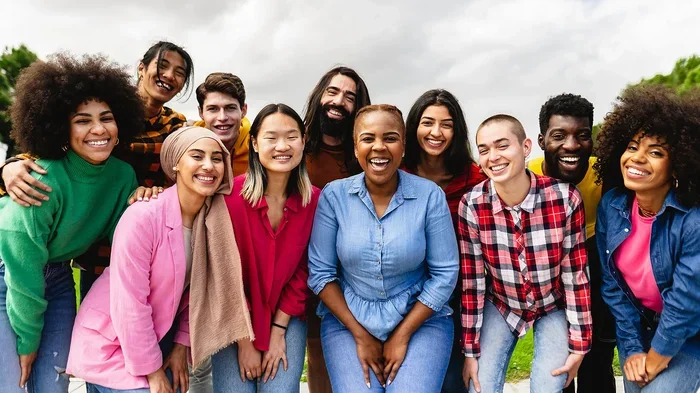

The ethnicity meaning refers to a person’s cultural background, shared traditions, ancestry, and social identity tied to a specific ethnic group. It goes far beyond surface-level labels and shapes how we see ourselves and connect with others. Understanding ethnicity meaning helps us appreciate diversity, build stronger communities, and navigate an increasingly multicultural world.
Have you ever stopped to think about what ethnicity really means? Most people use the word casually. They might say “my ethnicity is Mexican” or “I am of Irish descent.” But the ethnicity meaning runs much deeper than a simple label on a form.
Ethnicity shapes who we are. It influences our traditions, our values, the way we talk, and even how we see the world. Yet many people overlook just how powerful this concept really is. Understanding the ethnicity meaning can change how you see yourself and how you connect with others around you.
In this article, we will break down the ethnicity meaning in plain, simple terms. We will explore how it differs from race, why it matters in daily life, and how it shapes our sense of belonging. Whether you are curious about your own ethnic background or want to understand others better, this guide has you covered.
Let us dive in and explore what ethnicity truly means and why it matters more than you probably think.
Key Takeaways
- Ethnicity meaning goes deeper than you think: It encompasses cultural practices, shared history, language, and social identity tied to a group.
- Ethnicity and race are not the same: Race refers to physical traits, while ethnicity relates to cultural heritage and social belonging.
- Ethnicity shapes everyday life: From food and festivals to values and communication styles, ethnic identity influences how we live and interact.
- Self-identification matters: How a person chooses to identify with their ethnicity is personal and can evolve over time.
- Ethnic diversity strengthens societies: Multicultural communities benefit from varied perspectives, traditions, and innovations.
- Understanding ethnicity promotes empathy: Learning about different ethnic backgrounds reduces stereotypes and builds stronger connections.
- Ethnicity is fluid: It can change with migration, assimilation, and personal growth, making it a dynamic part of identity.
📑 Table of Contents
What Does Ethnicity Mean?
At its core, the ethnicity meaning refers to a shared cultural identity among a group of people. This identity is built on common traditions, language, ancestry, history, and social practices. When we talk about ethnicity, we are talking about the cultural fabric that connects people to one another.
Think of it this way. Your ethnicity is like a thread woven into a larger tapestry. That thread represents your unique cultural background. But it also connects you to a bigger community of people who share similar roots and experiences.
Ethnicity is not just about where your ancestors came from. It is about the cultural practices you carry forward. It includes things like:
- Language and dialects spoken within the community
- Religious and spiritual practices passed down through generations
- Traditional foods and cooking styles
- Music, art, and storytelling traditions
- Social customs and etiquette
- Shared historical experiences and collective memory
These elements come together to form a person’s ethnic identity. And they are often passed down from parents to children. This is why ethnicity feels so personal and deeply rooted in who we are.
How Ethnicity Is Defined by Different Groups
Every ethnic group has its own way of defining what it means to belong. For some, language is the most important marker. For others, it might be religious practices or shared geographic origins. Let us look at a few examples.
The Japanese ethnic group, for instance, places a strong emphasis on cultural harmony and shared social norms. The Italian ethnic identity is often tied to family traditions, regional food, and a deep connection to history. The Yoruba ethnic group in West Africa defines membership through shared language, mythology, and community rituals.
What ties all of these together is the idea of shared belonging. Ethnicity is not just about biology or appearance. It is about culture, community, and a sense of “us.”
The Role of Ancestry in Ethnicity
Ancestry plays a huge role in the ethnicity meaning. Your ethnic background often traces back to specific regions or populations. This is why many people feel a strong pull toward their ethnic roots, even if they were born thousands of miles away from those places.
For example, someone with Polish ancestry might celebrate Polish holidays, cook traditional Polish dishes, or speak Polish at home. These practices keep their ethnic heritage alive, even across generations and continents.
But ancestry is not always straightforward. Many people have mixed ethnic backgrounds. This complexity adds richness to their identity and broadens their cultural perspective.
Ethnicity vs Race — Understanding the Difference
One of the most common confusions people have is between ethnicity and race. These two terms are closely related but they mean very different things. Understanding this difference is key to grasping the full ethnicity meaning.
Race generally refers to physical characteristics. These include things like skin color, hair texture, and facial features. Race is often based on biological traits that people inherit.
Ethnicity, on the other hand, is about cultural identity. It is about shared traditions, language, history, and social practices. A person can belong to any race and still identify with multiple ethnicities.
Here is a simple comparison to make this clearer.
| Aspect | Race | Ethnicity |
|---|---|---|
| Based on | Physical and biological traits | Cultural and social practices |
| Can it change? | Generally fixed | Can evolve over time |
| Examples | Black, White, Asian, Indigenous | Irish, Nigerian, Korean, Arab |
| Focus | Appearance and genetics | Culture, language, heritage |
| Self-identification | Often assigned by others | Usually self-chosen |
This table shows why ethnicity meaning is so much broader than race. Your ethnicity is a living, breathing part of your identity. It can grow and change as you learn more about your cultural roots.
Why the Confusion Persists
The confusion between race and ethnicity is understandable. Many government forms and surveys group them together. Census categories often blur the lines between the two concepts. This can make it hard for people to understand where one ends and the other begins.
But the distinction matters. When we understand the difference, we can better appreciate the richness of human diversity. We stop reducing people to physical appearances and start recognizing their unique cultural stories.
Expert sociologists often point out that ethnicity is a social construct. This means it is created and shaped by society over time. Race is also a social construct, but it tends to focus more on physical traits. Ethnicity focuses on the cultural side of identity.
Why Ethnicity Matters More Than You Think
You might wonder why ethnicity meaning deserves so much attention. After all, is it not just a label? The truth is, ethnicity plays a much bigger role in our lives than most people realize.
Ethnicity influences how we see the world. It shapes our values, our priorities, and our sense of belonging. It affects the way we raise our children, the food we eat, and the holidays we celebrate. In short, ethnicity is woven into nearly every aspect of daily life.
Ethnicity and Social Identity
One of the most powerful aspects of ethnicity is its role in social identity. When people share an ethnic background, they often feel a sense of connection and solidarity. This shared identity can be a source of pride, strength, and community.
For many people, their ethnic identity is a cornerstone of who they are. It gives them a sense of place in the world. It connects them to a larger story that stretches back generations.
Think about the Indian ethnic identity, for example. India is home to thousands of distinct ethnic groups, each with its own language, cuisine, and traditions. Someone who identifies as Tamil or Punjabi carries a rich cultural legacy that shapes their everyday experiences.
Ethnicity and Mental Health
Research shows that ethnic identity has a real impact on mental health. People who feel connected to their ethnic background often report higher levels of self-esteem and life satisfaction. They have a stronger sense of purpose and belonging.
On the flip side, people who feel disconnected from their ethnic roots may struggle with identity issues. They might feel lost or disconnected from their cultural heritage. This is especially common among people from immigrant families who grow up in a different cultural environment.
This is why understanding the ethnicity meaning matters so much. It is not just an academic concept. It has real, tangible effects on how people feel about themselves and their place in the world.
Ethnicity in the Workplace and Education
Ethnicity also plays a role in professional and educational settings. Diverse teams that include people from different ethnic backgrounds often perform better. They bring a wider range of perspectives and problem-solving approaches.
In education, understanding ethnicity meaning helps teachers create inclusive classrooms. When students see their ethnic backgrounds reflected in the curriculum, they feel valued and engaged. This leads to better learning outcomes and stronger self-confidence.
Many organizations now recognize the importance of ethnic diversity. They actively work to create environments where people from all ethnic backgrounds feel welcome and respected.
How Ethnicity Shapes Our Identity
Identity is a complex thing. It is made up of many pieces, including personality, beliefs, experiences, and cultural background. Ethnicity is one of the most significant pieces of that puzzle.
Your ethnic identity influences the way you interact with others. It shapes your communication style, your sense of humor, and even your body language. These are often unconscious behaviors that come from your cultural upbringing.
The Process of Ethnic Identity Formation
Ethnic identity is not something you are born with and simply accept. It develops over time. Psychologists call this process ethnic identity formation. It involves several stages that people go through as they grow and learn about their cultural background.
Here is how the process typically unfolds:
- Awareness: You begin to notice differences between your ethnic group and others. This often happens in childhood when you start interacting with people from different backgrounds.
- Exploration: You actively seek to learn more about your ethnic heritage. You might explore traditional foods, music, language, or history.
- Commitment: You develop a strong sense of pride in your ethnic identity. You feel connected to your cultural roots and want to preserve them.
- Deepening: Your understanding of your ethnicity grows richer over time. You integrate your ethnic identity with other aspects of who you are.
This process is different for everyone. Some people go through it quickly. Others take years to fully embrace their ethnic identity. And some people may revisit this process multiple times throughout their lives.
Ethnic Identity and Belonging
One of the most powerful outcomes of ethnic identity is a sense of belonging. When you connect with your ethnic group, you tap into a community that shares your values and experiences. This sense of belonging is deeply fulfilling.
For many people, ethnic communities provide emotional support, mentorship, and a sense of home. These communities celebrate shared traditions and help keep cultural practices alive across generations.
But belonging can also come with challenges. Some people feel pressure to conform to ethnic expectations that do not align with their personal values. Others struggle with feeling “not enough” of a certain ethnicity because of mixed heritage or limited cultural exposure.
These tensions are normal. And they are part of the ongoing journey of understanding your own ethnicity meaning.
Ethnicity in the Modern World
The world is more connected than ever before. Globalization, migration, and the internet have brought people from different ethnic backgrounds closer together. This has created both opportunities and challenges when it comes to understanding ethnicity meaning.
Multicultural Societies and Ethnic Diversity
Many countries today are home to people from dozens or even hundreds of ethnic groups. The United States, Canada, Australia, and the United Kingdom are all prime examples of multicultural societies. In these countries, ethnic diversity is not just a fact of life. It is a source of national strength.
Multicultural societies benefit from the richness that ethnic diversity brings. Different ethnic groups contribute unique foods, art forms, musical traditions, and ways of thinking. This cultural exchange makes societies more vibrant and innovative.
However, multicultural societies also face challenges. Prejudice, discrimination, and cultural misunderstandings can create divisions. This is why education about ethnicity meaning is so important. When people understand and respect each other’s ethnic backgrounds, communities become stronger.
Ethnicity and Migration
Migration has always been a major driver of ethnic diversity. When people move from one country to another, they bring their ethnic traditions with them. Over time, these traditions blend with the cultures of their new home.
This blending creates something beautiful. It gives rise to new cultural expressions that honor multiple ethnic heritages. Think of the rich fusion cuisines that have emerged in cities around the world. Or the multilingual communities where people seamlessly switch between languages.
Migration also raises important questions about ethnicity meaning. How do people maintain their ethnic identity when they live far from their ancestral homeland? How do second-generation immigrants balance their parents’ ethnic traditions with the culture of their new country?
These are not easy questions. But they are important ones. And they show just how dynamic and evolving the concept of ethnicity really is.
Technology and Ethnic Identity
The internet has transformed how people explore and express their ethnic identity. Social media platforms allow people from different ethnic groups to connect, share stories, and celebrate their heritage. Online communities have become powerful spaces for ethnic identity exploration.
At the same time, technology has also amplified ethnic prejudice. Hate speech and stereotypes spread quickly online. This makes it even more important for people to understand the true ethnicity meaning and to stand up against discrimination.
Digital tools also offer new ways to trace ethnic ancestry. DNA testing services have made it possible for people to discover their ethnic origins with a simple saliva sample. This has helped many people reconnect with ethnic roots they did not even know they had.
Embracing Ethnic Diversity Every Day
Understanding ethnicity meaning is not just an intellectual exercise. It is a call to action. When we truly grasp what ethnicity means, we are better equipped to embrace diversity in our daily lives.
Practical Steps to Celebrate Ethnic Diversity
Here are some simple but powerful ways to celebrate ethnic diversity in your everyday life:
- Learn about different ethnic groups. Read books, watch documentaries, or visit cultural museums. The more you learn, the more you appreciate the richness of human diversity.
- Try ethnic cuisines. Food is one of the best ways to connect with a culture. Explore restaurants that serve dishes from different ethnic traditions.
- Attend cultural festivals. Festivals are vibrant celebrations of ethnic heritage. They offer a window into traditions, music, art, and community life.
- Listen to people’s stories. Every person has a unique ethnic story. Take the time to listen and learn from others’ experiences.
- Challenge stereotypes. When you hear harmful stereotypes about an ethnic group, speak up. Use your understanding of ethnicity meaning to promote respect and empathy.
Quick Tips for Teaching Kids About Ethnicity
Helping children understand ethnicity meaning early on sets the foundation for a more inclusive future. Here are some quick tips:
- Share stories about your own ethnic background and why it matters to you
- Read children’s books that celebrate ethnic diversity
- Encourage kids to ask questions about different cultures without judgment
- Cook meals from different ethnic traditions together as a family
- Visit community events that showcase a variety of ethnic heritages
Common Mistakes People Make When Discussing Ethnicity
Even well-meaning people sometimes make mistakes when talking about ethnicity. Here are a few to watch out for:
- Assuming all members of an ethnic group are the same. Every ethnic group is diverse. People within the same ethnic background can have very different experiences and perspectives.
- Confusing ethnicity with nationality. Someone can be of Mexican ethnicity but hold American citizenship. These are separate concepts and should not be treated as interchangeable.
- Treating ethnicity as a monolith. Ethnicity is complex and multifaceted. Reducing it to a single stereotype does a disservice to the richness of the culture.
- Ignoring mixed ethnic identities. Many people have multiple ethnic backgrounds. Acknowledging this complexity shows respect for their full identity.
By avoiding these common mistakes, you can have more meaningful and respectful conversations about ethnicity meaning with the people around you.
Expert Insights on Ethnicity and Identity
Cultural anthropologists and sociologists have long studied the role of ethnicity in human life. Many experts agree that ethnicity is one of the most fundamental aspects of identity. It provides people with a sense of continuity, connection, and purpose.
Dr. Maria Gonzalez, a cultural psychologist, explains it this way: “Ethnicity gives people a lens through which they interpret the world. It shapes their values, their relationships, and their aspirations. Understanding ethnicity meaning is essential to understanding human behavior.”
Other experts emphasize that ethnicity is not static. It evolves as societies change. As people move, mix, and adapt, their ethnic identities can shift and grow. This fluidity is one of the most fascinating aspects of ethnicity.
Professor James Okafor adds: “In a globalized world, ethnic identity is not about drawing borders. It is about building bridges. When we understand our own ethnicity, we become better equipped to understand and respect the ethnicities of others.”
Conclusion
The ethnicity meaning is far richer and more complex than most people realize. It is not just a label or a checkbox on a form. It is a living, breathing part of who we are. It connects us to our ancestors, our communities, and our cultural heritage.
Understanding ethnicity meaning helps us appreciate the incredible diversity of the human experience. It teaches us to see beyond surface-level differences and recognize the shared humanity that connects us all. When we embrace our own ethnic identities and respect those of others, we build a more compassionate and inclusive world.
Take some time today to reflect on your own ethnicity meaning. What traditions do you carry? What values does your ethnic background have given you? How does your ethnicity shape the way you see the world?
The answers to these questions might surprise you. And they might open your eyes to the beauty and depth of ethnic identity. So go ahead. Explore your roots. Celebrate your heritage. And share your story with the world.
Because when we truly understand the ethnicity meaning, we unlock a deeper appreciation for the rich tapestry of human culture. And that appreciation makes all of us stronger.
Frequently Asked Questions
What is the simple definition of ethnicity?
Ethnicity refers to a shared cultural identity among a group of people. It is based on common traditions, language, ancestry, history, and social practices. Unlike race, which focuses on physical traits, ethnicity is about cultural belonging and shared heritage.
How is ethnicity different from race?
Race is generally based on physical and biological characteristics like skin color and facial features. Ethnicity, on the other hand, is rooted in cultural identity. It includes shared traditions, language, customs, and a sense of belonging to a particular cultural group. A person can belong to any race and identify with multiple ethnicities.
Can your ethnicity change over time?
Yes, ethnicity can evolve over time. As people migrate, assimilate into new cultures, or learn more about their heritage, their ethnic identity may shift. Some people also discover new ethnic roots through genealogical research or DNA testing. Ethnicity is a dynamic and personal part of identity.
Why is understanding ethnicity meaning important?
Understanding ethnicity meaning promotes empathy, reduces prejudice, and helps people connect across cultural differences. It allows us to appreciate the richness of diverse traditions and perspectives. It also supports mental health by helping people feel connected to their cultural roots and community.
Can someone have multiple ethnicities?
Absolutely. Many people have mixed ethnic backgrounds, especially in multicultural societies. A person might identify with more than one ethnic group based on their ancestry, cultural practices, and personal experiences. Multiracial and multiethnic identities are increasingly common and celebrated.
How does ethnicity affect daily life?
Ethnicity influences many aspects of daily life, including food choices, holiday celebrations, language use, family traditions, and social norms. It shapes how people communicate, what they value, and how they relate to their communities. Ethnic identity is woven into the fabric of everyday experiences.