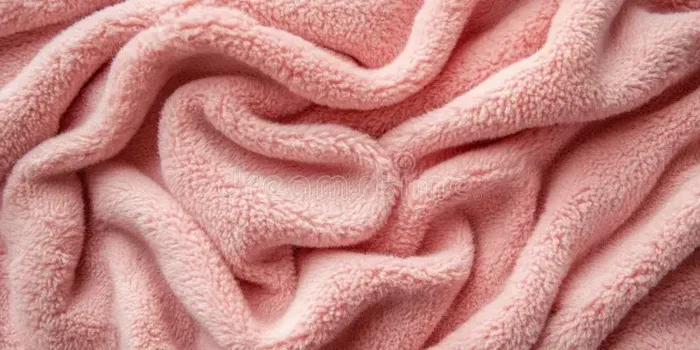

The fleece meaning is simple: it refers to a soft, synthetic fabric made from polyester that traps heat and feels cozy. Originally created as a wool alternative, fleece has become a go-to material for jackets, blankets, and outdoor gear. Understanding fleece fabric properties helps you pick the right gear for cold weather. This guide covers everything from the fleece meaning to how it compares to wool and other fabrics. Whether you are shopping for a fleece jacket or just curious, this article has you covered.
Key Takeaways
- Fleece is a synthetic polyester fabric known for its softness, warmth, and lightweight feel.
- Fleece fabric properties include breathability, moisture-wicking, and quick drying.
- Fleece vs wool shows fleece is easier to care for and dries faster than natural wool.
- There are multiple types of fleece, including microfleece, polar fleece, and recycled fleece.
- Fleece jacket warmth makes it ideal for outdoor activities and cold weather layering.
- Understanding fleece weight and grade helps you choose the right garment for your needs.
- Recycled fleece is a more sustainable option that reduces environmental impact.
📑 Table of Contents
- What Does Fleece Mean? Understanding the Basics
- The History of Fleece: From Wool Alternative to Wardrobe Staple
- Types of Fleece Fabric: Microfleece, Polar Fleece, and More
- Fleece vs Wool: Which Is Better for You?
- Why Fleece Matters in Fashion and Outdoor Gear
- How to Choose the Right Fleece for Your Needs
- Expert Insights on Fleece Fabric and Its Future
- Conclusion
What Does Fleece Mean? Understanding the Basics
So, what does fleece mean exactly? The fleece meaning is straightforward. It refers to a soft, synthetic fabric made primarily from polyester fibers. The material is designed to mimic the warmth of wool while being lighter and easier to care for.
When you hear someone talk about fleece fabric, they are describing a knit textile that has a brushed, napped surface. This texture creates tiny air pockets that trap body heat. That is why a fleece jacket keeps you so warm even on chilly mornings.
The word “fleece” originally comes from the wool of sheep. But modern fleece material is entirely man-made. Engineers developed it in the 1980s as a lighter, more affordable alternative to wool. Today, fleece clothing is everywhere, from cozy blankets to high-performance outerwear.
Understanding the fleece meaning is the first step to making smarter buying decisions. Whether you need a lightweight layer or a heavy winter coat, knowing what fleece is and how it works helps a lot. Let us dig deeper into what makes this fabric so special.
The Core Properties of Fleece Fabric
Fleece fabric properties are what set it apart from other materials. First, fleece is incredibly lightweight. You can wear a fleece jacket all day and barely feel it. Second, it is highly breathable, which means air flows through the fabric easily.
Another key property is moisture-wicking. Fleece performance fabric pulls sweat away from your skin and lets it evaporate quickly. This keeps you dry during workouts or outdoor activities. Fleece also dries very fast compared to cotton or wool.
Here are the main fleece fabric properties at a glance:
- Lightweight: barely adds bulk to your outfit.
- Warm: traps heat even in cold conditions.
- Breathable: allows air circulation to prevent overheating.
- Moisture-wicking: pulls sweat away from the skin.
- Quick-drying: dries much faster than natural fibers.
- Soft: gentle on the skin, even for sensitive users.
The History of Fleece: From Wool Alternative to Wardrobe Staple
The story of fleece material begins in the 1980s. A company called Malden Mills introduced the first synthetic fleece fabric. They wanted to create something that felt like wool but weighed much less. The result was a game-changer for the textile industry.
Early fleece jacket designs were popular with hikers and outdoor enthusiasts. The fabric provided excellent fleece insulation without the heaviness of traditional wool. Over time, manufacturers improved the technology, creating softer and more durable versions.
By the 1990s, fleece had exploded in popularity. It became a staple in casual fashion, workwear, and athletic gear. Today, fleece clothing is a multi-billion dollar market. People love it because it is affordable, versatile, and easy to maintain.
How Fleece Became So Popular
Several factors drove the rise of fleece in everyday fashion. First, the fleece jacket warmth it provides is impressive for its weight. You get serious heat without feeling bulky. Second, fleece is very affordable compared to high-quality wool.
Third, fleece is easy to care for. You can throw most fleece items in the washing machine and they come out fine. No dry cleaning needed. This convenience made fleece outerwear appealing to a wide audience.
The fleece meaning has evolved over the decades. What started as a simple wool substitute is now its own category of fabric. It has its own grades, weights, and specialized uses. That evolution shows how much people value this material.
Types of Fleece Fabric: Microfleece, Polar Fleece, and More
Not all fleece is the same. Different types of fleece fabric serve different purposes. Knowing the variations helps you pick the right item for your needs. Let us explore the most common types.
Microfleece
Microfleece is one of the lightest forms of fleece. It uses very fine polyester fibers to create a smooth, soft texture. Microfleece fabric is perfect for base layers and mild weather.
Because it is so thin, microfleece works great as a layering piece. You can wear it under a rain jacket or a heavier coat. It adds warmth without restricting movement. Many fleece clothing brands use microfleece for their lightweight hoodies.
Polar Fleece
Polar fleece is thicker and warmer than microfleece. It has a more textured, fuzzy surface that traps more air. This makes it ideal for cold weather and outdoor activities.
A polar fleece jacket can handle temperatures well below freezing. It is a favorite among campers, skiers, and anyone who spends time outdoors in winter. Polar fleece weight varies, so you can choose lighter or heavier versions depending on your needs.
Recycled Fleece
Recycled fleece is made from post-consumer plastic bottles. This gives plastic waste a second life and reduces the need for new petroleum-based materials. The fleece material performs just as well as traditional fleece.
Many eco-conscious brands now offer recycled fleece options. It is a great choice if you care about sustainability. The fabric is soft, warm, and has a much smaller environmental footprint.
Other Fleece Varieties
There are a few more types worth knowing about. Berber fleece has a looped texture that resists pilling. Slim fleece is designed for a more fitted look. And fleece blends combine polyester with other fibers like cotton or spandex for added stretch or comfort.
Fleece vs Wool: Which Is Better for You?
The debate between fleece vs wool is common. Both fabrics keep you warm, but they have key differences. Understanding these helps you choose the right option for your lifestyle.
Fleece fabric is synthetic, which means it is made from polyester. Wool comes from sheep and other animals. Each has its strengths depending on what you need.
Warmth and Insulation
Both fleece insulation and wool are excellent at trapping heat. However, fleece tends to be lighter for the same level of warmth. A fleece jacket can match the warmth of a wool coat at half the weight. This makes fleece ideal for activities where you do not want extra bulk.
Moisture Handling
Fleece performance shines when it comes to moisture. It wicks sweat away and dries quickly. Wool also handles moisture well, but it takes longer to dry. If you are sweating during a hike, fleece is the better choice.
Care and Maintenance
One of the biggest advantages of fleece is how easy it is to care for. You can machine wash and dry most fleece items. Wool often requires gentle hand washing or dry cleaning. For busy people, the fleece material wins on convenience every time.
Price and Accessibility
Fleece clothing is generally more affordable than wool. The synthetic production process is less expensive than raising sheep and processing wool. This makes fleece a budget-friendly option for staying warm.
Comparison Table
| Feature | Fleece | Wool |
|---|---|---|
| Weight | Very lightweight | Heavier |
| Warmth | Excellent for its weight | Excellent warmth |
| Moisture Wicking | Very good | Good, but slower drying |
| Care | Machine washable | Often hand wash or dry clean |
| Price | Affordable | Moderate to expensive |
| Breathability | High | High |
| Sustainability | Recycled options available | Natural, biodegradable fiber |
Why Fleece Matters in Fashion and Outdoor Gear
Fleece outerwear has changed the way people dress for cold weather. It is no longer just for hikers. Today, you see fleece in casual fashion, work uniforms, and even formal layers.
The fleece jacket warmth makes it a reliable choice for many situations. You can wear it to a football game, on a morning jog, or during a camping trip. It adapts to your lifestyle easily.
Fleece in Everyday Fashion
Many fashion brands now include fleece in their collections. Fleece clothing comes in jackets, pullovers, vests, and even pants. The soft texture and wide range of colors make it a stylish option for casual wear.
You can layer a fleece vest over a button-down shirt for a smart-casual look. Or zip up a full fleece jacket for a relaxed weekend outfit. The versatility of fleece fabric makes it a wardrobe staple for people of all ages.
Fleece in Outdoor and Performance Gear
For outdoor enthusiasts, fleece performance fabric is essential. It provides warmth without slowing you down. Hikers, climbers, and hunters rely on fleece layers to regulate body temperature during intense activity.
Fleece insulation works well as a mid-layer in a three-layer clothing system. The base layer wicks sweat, the fleece mid-layer traps heat, and the outer shell blocks wind and rain. This system keeps you comfortable in harsh conditions.
The Growing Role of Recycled Fleece
Sustainability is a big topic today, and recycled fleece plays a role. Brands are increasingly using recycled polyester to make fleece. This reduces waste and lowers the carbon footprint of fleece production.
When you buy recycled fleece, you get the same softness and warmth with a clear conscience. It is a small choice that adds up to a big impact over time.
How to Choose the Right Fleece for Your Needs
Choosing the right fleece garment depends on a few factors. Not every fleece is the same, and picking the wrong one can leave you too hot or too cold. Here is what to consider.
Consider Fleece Weight
Fleece weight is measured in grams per square meter (GSM). Lighter fleece, around 100-200 GSM, works well for mild weather and layering. Medium fleece, 200-300 GSM, is great for everyday cold weather. Heavy fleece, above 300 GSM, is best for extreme cold.
Think About the Fit
Do you want a loose, relaxed fit or a slim profile? Slim fleece designs are popular for a modern look. Oversized fleece offers more room for layering underneath. Choose the fit that matches your style and comfort preferences.
Check the Zipper and Features
Look for details that add functionality. A full-zip design lets you adjust ventilation easily. A hood adds extra protection from wind. Pockets keep your hands warm. These small features make a big difference in daily use.
Quick Tips for Buying Fleece
- Check the GSM: higher numbers mean thicker, warmer fabric.
- Look for anti-pill treatment: this keeps your fleece looking new longer.
- Consider recycled options: better for the environment and often just as soft.
- Try it on with layers: make sure it fits comfortably over a base layer.
- Read reviews: other buyers often share real-world insights on fleece warmth and durability.
Common Mistakes When Buying Fleece
One common mistake is choosing fleece that is too thin for the intended use. A lightweight microfleece will not keep you warm in sub-zero temperatures. Another mistake is ignoring the fit. If your fleece is too tight, it restricts movement and reduces the insulating air layer.
Some people also overlook care instructions. Harsh detergents and high heat can damage fleece fabric over time. Always follow the label instructions to get the longest life from your fleece clothing.
Expert Insights on Fleece Fabric and Its Future
Textile experts agree that fleece fabric is here to stay. Its combination of warmth, light weight, and affordability gives it a broad appeal. As technology advances, we can expect even better versions of fleece in the future.
One trend to watch is smart fleece. Some brands are now embedding temperature-regulating technology into fleece material. This could change how we think about layering in cold weather.
Another exciting development is improved fleece recycling. As circular fashion grows, more companies are finding ways to recycle old fleece into new fabric. This closes the loop and reduces waste significantly.
Fleece meaning continues to expand as the fabric evolves. What started as a simple wool alternative is now a category of its own. The future of fleece looks bright, sustainable, and innovative.
Conclusion
The fleece meaning goes far beyond just a soft warm fabric. It represents comfort, versatility, and smart design. From its origins as a wool alternative to its current role in fashion and outdoor gear, fleece has proven its value again and again.
Understanding fleece fabric properties helps you make better choices. Whether you are picking a fleece jacket for a winter hike or a cozy pullover for weekends at home, knowing what to look for matters. Consider the weight, the type, and the features that match your lifestyle.
Fleece outerwear and fleece clothing are more than just trends. They are practical, reliable, and accessible to almost everyone. The next time you reach for a fleece item, you will know exactly what makes it special and why it works so well.
Take what you have learned here and apply it to your next purchase. Choose the right fleece fabric for the right occasion, and you will stay warm and comfortable all season long. The fleece meaning is clear: it is a fabric that truly matters in our everyday lives.
Frequently Asked Questions
What is the fleece meaning in simple terms?
In simple terms, fleece refers to a soft, synthetic fabric made from polyester. It is designed to be warm, lightweight, and easy to care for. The fleece meaning covers both the fabric itself and the clothing made from it.
How is fleece different from wool?
Fleece vs wool comes down to material and care. Fleece is synthetic polyester, while wool comes from sheep. Fleece is lighter, dries faster, and is easier to wash. Wool is natural and biodegradable but requires more maintenance.
What are the main types of fleece fabric?
The main types include microfleece, which is very light, polar fleece for cold weather, and recycled fleece made from plastic bottles. Each type has its own fleece fabric properties suited to different uses and climates.
Is fleece good for cold weather?
Yes, fleece jacket warmth is excellent for cold weather. Fleece traps body heat effectively while remaining breathable. It works best as a mid-layer in a cold-weather clothing system.
Can fleece be recycled?
Yes, recycled fleece is made from post-consumer plastic bottles. Many brands now offer recycled options that perform just as well as traditional fleece while being more environmentally friendly.
How do I care for fleece clothing?
Most fleece items can be machine washed in cold water and air-dried. Avoid high heat and harsh detergents to preserve the fleece fabric softness and prevent pilling over time.
=== CONCLUSION ===
The fleece meaning is all about warmth, comfort, and versatility in one lightweight package. From its history as a wool alternative to its modern role in fashion and outdoor gear, fleece has earned its place as a go-to fabric. Understanding the different fleece fabric types and fleece fabric properties empowers you to make smarter choices. Whether you are layering up for a winter adventure or just staying cozy at home, the right fleece makes all the difference. Embrace the warmth, explore the options, and enjoy everything this remarkable fabric has to offer.



