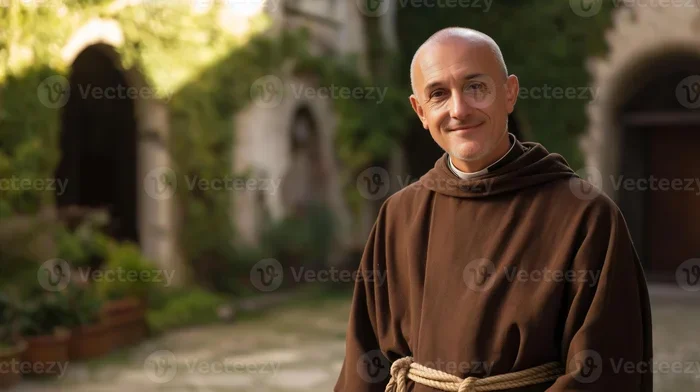

The friar meaning refers to a member of a religious order who takes sacred vows while living a life dedicated to serving others. Unlike monks who retreat to monasteries, friars travel and work among everyday people, spreading their faith through action. Understanding friar meaning gives you insight into a centuries-old tradition that still shapes religious life today.
The friar meaning goes far beyond a simple dictionary definition. It represents a centuries-old tradition of religious devotion, community service, and spiritual commitment within the Catholic Church. When you explore the friar meaning, you discover a world of mendicant orders, sacred vows, and a unique way of living faith in the real world. This guide covers everything from the historical roots of friars to their role in modern society. By the end, you will have a clear and thorough understanding of friar meaning and why it continues to matter today.
Many people hear the word friar and think of a robed figure begging on the street or preaching in a town square. While those images are not wrong, the full picture is much richer. The friar meaning encompasses a specific type of religious life that combines prayer with active service in the world. Friars belong to organized religious orders and live by a set of sacred promises called vows. Understanding friar meaning helps you appreciate the diversity within the Catholic clergy. It also gives you context for historical events, literature, and cultural traditions that have shaped Western civilization.
Key Takeaways
- Friar meaning refers to a member of a mendicant religious order who lives among the people and serves communities directly
- Friars differ from monks in their lifestyle, vows, and daily mission – friars go out into the world while monks stay in monasteries
- The friar meaning has deep roots in the medieval era, particularly within the Catholic Church and its mendicant orders
- Major friar orders include the Franciscans, Dominicans, Augustinians, and Carmelites, each with unique traditions and missions
- Understanding friar meaning helps clarify religious titles, church hierarchy, and the broader concept of consecrated life
- Friars continue to serve communities worldwide through charity, education, healthcare, and social outreach programs
- The friar meaning connects to larger themes of apostolic life, ecclesiastical tradition, and spiritual commitment
📑 Table of Contents
- What Does Friar Meaning Really Mean?
- Friar vs Monk – Understanding the Key Differences
- The Rich History Behind Friar Meaning
- The Different Types of Friars and Their Roles
- Why Understanding Friar Meaning Matters in the Modern World
- Common Misconceptions About Friars
- Key Takeaways from the Friar Meaning
- Final Thoughts on Friar Meaning
What Does Friar Meaning Really Mean?
The Core Definition of a Friar
At its simplest, the friar meaning is a religious man who belongs to a mendicant order. A mendicant order is a group within the Catholic Church whose members live a life of poverty, prayer, and preaching. They rely on donations and charity rather than owning property or accumulating wealth. The word friar comes from the Latin word frater, which means brother. So at the heart of friar meaning is the idea of brotherhood and shared service.
Friars take three core vows. These are the vows of poverty, the vow of chastity, and the vow of obedience. The vow of poverty means friars own nothing personally. The vow of chastity means they do not marry or have romantic relationships. The vow of obedience means they follow the rules and guidance of their religious order and their superiors. Together, these vows form the foundation of the friar meaning and set friars apart from other members of the clergy.
How Friars Fit into the Church Hierarchy
Friars are part of the broader Catholic clergy, but they are not the same as priests or bishops in the traditional sense. A friar can become a priest, but not all friars are ordained. Some friars serve as religious brothers, focusing on practical work like teaching, nursing, or community outreach. The friar meaning includes both ordained and non-ordained members of religious orders. This flexibility is one of the things that makes the friar role so unique within the ecclesiastical structure of the Church.
Unlike diocesan priests who serve a specific parish, friars belong to a religious order that may operate across many countries and regions. This global reach is a key part of understanding friar meaning. Friars often move from place to place, responding to where they are needed most. Their work is guided by the principles of the apostolic life, which emphasizes active engagement with the world rather than withdrawal from it.
Expert Insight: According to church historians, the rise of the mendicant movement in the 13th century was one of the most significant shifts in Western religious life. The friar meaning evolved from a reaction against the wealth and corruption of the medieval clergy, creating a new model of spiritual leadership rooted in humility and service.
Friar vs Monk – Understanding the Key Differences
One of the most common points of confusion is the difference between a friar and a monk. While both are members of religious orders, their lifestyles, missions, and daily routines are quite different. Understanding friar meaning becomes much easier when you compare it directly to monastic life.
Lifestyle and Daily Routine
Monks typically live in a monastery, a self-contained community away from the general public. Their daily life revolves around prayer, meditation, and manual labor within the monastery walls. Monks follow a strict schedule of worship called the Liturgy of the Hours. Their focus is largely on contemplation and personal spiritual growth.
Friars, on the other hand, live among the people. They do not stay in one place permanently. Instead, they travel to different communities, preach, teach, and provide spiritual guidance. The friar meaning is closely tied to this outward-facing mission. While monks pray for the world, friars actively work in it. Both paths are valuable, but they represent different expressions of religious life.
Where They Live and Work
Monks live in monasteries, which are often located in remote or rural areas. These communities are self-sufficient and operate independently. Friars, by contrast, live in friaries, which are usually located in urban or suburban areas close to the people they serve. A friar might spend the morning teaching at a school, the afternoon visiting the sick, and the evening leading a prayer service in a neighborhood church.
This difference in living arrangements is central to the friar meaning. Friars are meant to be visible and accessible. They are not hidden away from society. Instead, they immerse themselves in it. Their consecrated life is lived out in the midst of everyday challenges and joys.
A Simple Comparison
Here is a quick look at how friars and monks differ across key areas:
- Residence: Friars live in friaries within communities; monks live in monasteries that are often isolated.
- Mission: Friars focus on active service and preaching; monks focus on prayer and contemplation.
- Lifestyle: Friars travel and move between communities; monks stay in one monastery.
- Vows: Both take vows of poverty, chastity, and obedience, but friars interpret poverty as complete reliance on charity.
- Work: Friars often work in education, healthcare, and outreach; monks often focus on manual labor and worship within the monastery.
This comparison helps clarify the true friar meaning and shows why these two roles, while similar in some ways, are fundamentally different in practice.
Quick Tip: If you ever get confused, remember this simple rule. Monks stay, friars go. Monks focus inward on prayer and community life within their monastery walls. Friars focus outward on serving the wider world. This one distinction captures the essence of the friar meaning better than any lengthy explanation.
The Rich History Behind Friar Meaning
The story of friars is a story of reform, devotion, and social change. The friar meaning we understand today was shaped by events and figures from the medieval era. To truly grasp what a friar is, you need to look back at where this tradition began.
Origins in the Medieval Era
The friar meaning as we know it emerged in the early 13th century. During this time, the Catholic Church was facing growing criticism. Many people felt that the clergy had become too wealthy and too disconnected from ordinary believers. In response, a new type of religious life began to take shape.
Instead of retreating to remote monasteries, these new religious figures chose to live among the poor and the marginalized. They begged for their food, wore simple habits, and dedicated their lives to preaching and helping others. This movement gave birth to the mendicant orders, and the word mendicant comes from the Latin word for beggar. But begging was not a sign of weakness. It was a deliberate choice rooted in the friar meaning of total reliance on God and solidarity with the poor.
Historically, friars also practiced tonsure, a ritual shaving of the head that symbolized devotion and humility. This visible mark of religious commitment helped distinguish friars from laypeople and connected them to a long tradition of religious life within the Church.
How Mendicant Orders Changed Religion
The rise of mendicant orders was a turning point in the history of the Catholic Church. Before friars, most religious life was monastic. Monks lived in cloistered communities and focused on copying manuscripts, farming, and prayer. Friars brought a new energy to religious life. They went into universities, markets, and city streets. They preached to crowds, debated scholars, and cared for the sick.
The friar meaning was essentially a call to action. It said that faith was not just for the cloister. It was for the marketplace, the hospital, and the classroom. This shift had a profound impact on medieval society and helped shape the modern Church.
Key Figures in Friar History
No discussion of friar meaning is complete without mentioning Saint Francis of Assisi. Born in Italy in 1181, Francis rejected his wealthy upbringing and embraced a life of radical poverty. He founded the Franciscan Order, one of the most famous mendicant orders in history. Francis and his followers lived simply, preached humility, and cared for lepers and the poor.
Another key figure is Saint Dominic, who founded the Dominican Order in 1216. Dominicans focused heavily on preaching and combating heresy through education and scholarship. The friar meaning expanded even further through their work in universities across Europe. Other important orders include the Augustinians and the Carmelites, each contributing to the rich tapestry of religious life that defines the friar meaning today.
Common Mistake: Many people assume all friars belong to the Franciscan Order. While the Franciscans are the most famous, the friar meaning encompasses several distinct orders, each with its own founder, charism, and mission. Remembering this diversity gives you a more accurate picture of religious life.
The Different Types of Friars and Their Roles
Not all friars are the same. The friar meaning covers a wide range of religious orders, each with its own charism, mission, and traditions. Understanding these differences gives you a fuller picture of what friars do and why they matter.
Franciscan Friars
The Franciscans are perhaps the most well-known of all friar orders. Founded by Saint Francis of Assisi, the Franciscans emphasize poverty, humility, and love of nature. Franciscan friars often work in parishes, schools, and missions around the world. They are known for their simple lifestyle and their deep commitment to serving the poorest of the poor. The friar meaning as expressed by the Franciscans is one of radical simplicity and joyful service.
Dominican Friars
Dominican friars, also known as the Order of Preachers, place a strong emphasis on teaching and theology. Many famous scholars and theologians have been Dominicans. The friar meaning within the Dominican tradition is deeply intellectual. Dominican friars often work in universities, write theological works, and lead preaching missions. Their motto, “contemplare et contemplata aliis tradere,” means to contemplate and share the fruits of contemplation with others.
Augustinian and Carmelite Friars
The Augustinian Order follows the teachings of Saint Augustine and emphasizes community life, study, and pastoral care. Augustinian friars often serve in parishes and educational institutions. The Carmelite Order, originally founded on Mount Carmel, has a strong contemplative tradition. Carmelite friars focus on prayer, silence, and spiritual depth. Both orders add unique dimensions to the broader friar meaning and show the diversity within religious life.
Other Notable Orders
Beyond the major orders, there are many other groups that fall under the friar meaning umbrella. The Jesuits, for example, are technically a religious order of priests and brothers rather than friars, but they share many of the same values. The Servites, the Trinitarians, and the Mercedarians are other orders that contribute to the rich tradition of religious service. Each order brings its own flavor to the friar meaning and expands our understanding of what it means to live a consecrated life.
Expert Insight: Religious scholars note that the diversity within the friar meaning is actually one of its greatest strengths. Different orders respond to different needs in society, which is why the mendicant movement was so successful in reaching people across all social classes and regions during the medieval era and beyond.
Why Understanding Friar Meaning Matters in the Modern World
You might wonder why the friar meaning matters in the 21st century. After all, friars are not as common as they were in the medieval era. Yet their legacy continues to influence society in meaningful ways.
Friars in Today’s Society
Today, friars can be found in hospitals, schools, prisons, and parishes around the world. Many friars work in social justice, advocating for the poor and the marginalized. The friar meaning in the modern context is about more than religious devotion. It is about active compassion, justice, and community building.
For example, Franciscan friars run food banks and shelters in cities across the globe. Dominican friars teach theology and philosophy in universities. Carmelite friars offer spiritual direction to people seeking deeper meaning in their lives. The friar meaning is alive and well, even if it looks different from how it did centuries ago.
The Ongoing Relevance of Religious Life
In a world that often feels disconnected and individualistic, the friar meaning offers a powerful counter-narrative. It reminds us that community, service, and spiritual commitment still matter. Friars model a way of living that prioritizes others over oneself. This is a message that resonates far beyond the walls of any church.
Whether you are religious or not, the friar meaning provides a window into a way of life that values generosity, humility, and purpose. It challenges us to ask big questions about what truly matters and how we can use our lives to serve others.
Quick Tip: If you want to learn more about the friar meaning in practice, look for local Franciscan or Dominican communities near you. Many orders welcome visitors to their friaries, offer open lectures, or run community events. Experiencing the friar meaning firsthand is one of the best ways to understand its enduring appeal.
Common Misconceptions About Friars
Like many historical and religious terms, the friar meaning is often misunderstood. Let us clear up some of the most common misconceptions so you have an accurate picture.
Myth vs Reality
Myth: Friars are just wandering beggars with no real purpose.
Reality: While friars do embrace poverty and rely on charity, their begging is a spiritual practice, not a lack of purpose. Friars are highly educated, trained professionals who serve as teachers, counselors, chaplains, and community leaders. The friar meaning is rooted in intentionality and deep spiritual commitment.
Myth: All friars are Catholic priests.
Reality: Not all friars are priests. Many friars are religious brothers who serve in non-ordained roles. The friar meaning includes both priests and brothers, and both are equally important to their orders and communities.
Myth: Friars are outdated and irrelevant.
Reality: Friars continue to serve in active ministries worldwide. Their work in education, healthcare, and social justice remains vital. The friar meaning has adapted to modern needs while staying true to its core values.
What People Get Wrong
Another common mistake is confusing friars with monks or nuns. While they share some similarities, friars have a distinct mission and lifestyle. Monks focus on cloistered prayer, while friars focus on active service in the world. Nuns and sisters are women who follow a similar path, but the friar meaning specifically refers to male members of mendicant orders.
Some people also think that friars no longer exist or that the friar meaning is purely historical. In reality, religious orders are still active and recruiting new members every year. The friar meaning continues to evolve while honoring its rich heritage.
Common Mistake: Do not confuse the friar meaning with the term “friarhood,” which is rarely used and can cause confusion. Stick with the well-established term “friar” when discussing this religious role.
Key Takeaways from the Friar Meaning
Let us pull together the most important points about friar meaning. First, a friar is a member of a mendicant religious order who lives by vows of poverty, chastity, and obedience. Second, friars differ from monks in their active, outward-facing mission. Third, the friar meaning has deep historical roots in the medieval era, shaped by figures like Saint Francis and Saint Dominic. Fourth, there are many types of friars, each with unique traditions and roles. Fifth, the friar meaning remains relevant today through ongoing work in education, healthcare, and social justice.
Understanding friar meaning enriches your knowledge of religious history and the Catholic Church. It also gives you a greater appreciation for the many men who have dedicated their lives to serving others. The friar meaning is a powerful reminder that faith can be lived out boldly, publicly, and with deep compassion.
Final Thoughts on Friar Meaning
The friar meaning is more than a historical curiosity. It is a living tradition that continues to inspire and serve people around the world. From the medieval mendicant orders to modern-day friars working in hospitals and schools, the essence of the friar has remained remarkably consistent. At its core, the friar meaning is about brotherhood, service, and a radical commitment to living out one’s faith in action.
If you have ever been curious about what friars do or why they matter, we hope this guide has given you clear and valuable answers. The friar meaning invites us all to think more deeply about service, community, and purpose. Whether you are exploring religious life yourself or simply want to understand the world better, the story of the friar is a story worth knowing.
Take what you have learned here and share it with others. The more we understand about traditions like the friar meaning, the more connected and compassionate our communities can become. Faith, service, and brotherhood are timeless values, and the friar is one of their most enduring symbols.
Frequently Asked Questions
What is the difference between a friar and a priest?
A friar is a member of a religious order who takes vows of poverty, chastity, and obedience, while a priest is someone who has been ordained to perform sacraments. A friar can also be a priest, but not all friars are ordained. The friar meaning focuses on belonging to a mendicant order and living a communal religious life, which is different from the role of a diocesan priest who serves a specific parish.
Can women be friars?
No, the term friar specifically refers to men. Women who belong to religious orders are called nuns or sisters. While nuns and friars share similar vows and commitments, the friar meaning applies only to male members of mendicant orders. Women have their own rich traditions of religious life within the Catholic Church.
Do friars still exist today?
Yes, friars are very much alive and active today. While their numbers have decreased since the medieval era, friars continue to serve in parishes, schools, hospitals, and social justice organizations around the world. The friar meaning remains relevant as these religious brothers carry on the tradition of preaching, teaching, and serving communities in need.
What vows do friars take?
Friars take three solemn vows: the vow of poverty, the vow of chastity, and the vow of obedience. The vow of poverty means they own nothing personally and rely on charity. The vow of chastity means they remain celibate. The vow of obedience means they follow the rules of their religious order. These vows are central to the friar meaning and define the friar’s way of life.
How is the friar meaning different from a monk?
The main difference is in their lifestyle and mission. Monks live in monasteries and focus on prayer and contemplation within a cloistered community. Friars live among the people, travel, preach, and engage in active service. The friar meaning emphasizes outward-facing work and community engagement, while the monastic life emphasizes withdrawal and contemplation. Both are valid paths within the Catholic tradition.
Do friars have to be Catholic?
Yes, friars are members of the Catholic Church and belong to Catholic religious orders. The friar meaning is deeply rooted in Catholic tradition and ecclesiastical structure. While other Christian denominations have similar religious communities, the specific term friar and its associated meaning are tied to the Catholic Church and its mendicant orders.