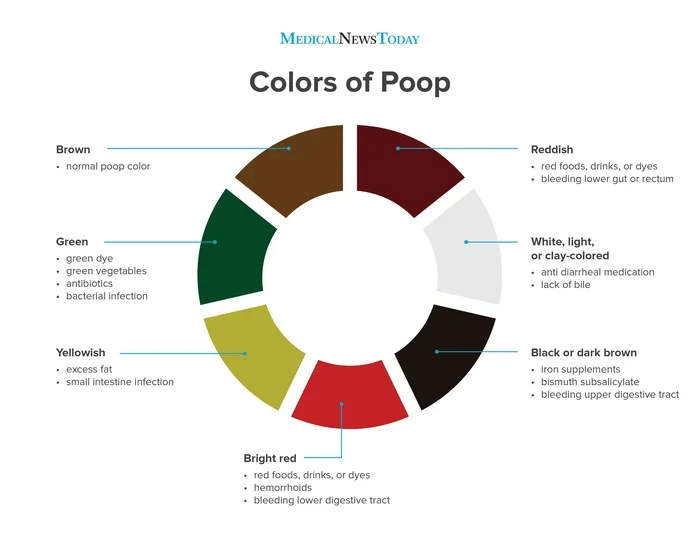

Green stool meaning is simpler than most people think. Your stool color changes for many common reasons, from diet to digestion speed. Bile pigment and food coloring are the top culprits behind green bowel movements. Most causes are harmless and easy to fix with small lifestyle changes. However, persistent green stool can sometimes signal an underlying digestive issue that needs attention.
Have you ever sat on the toilet and noticed your bowel movements are green? It can be a little alarming at first. But here is the good news. Green stool meaning is something most people experience at some point, and it is rarely a sign of anything serious.
Your digestive system is a fascinating machine. It processes everything you eat and drink, and it sends signals about your health through the color, texture, and frequency of your stool. When your poop turns green, it is usually your body telling you something simple. Maybe you ate too many leafy greens. Maybe your food moved through your intestines a little too fast. Or maybe you took a supplement that changed the game.
In this article, we will break down the green stool meaning in plain language. You will learn what causes green poop, when it is normal, and when it might be time to talk to a doctor. We will cover everything from bile pigment and digestive transit time to diet choices and common stomach issues. By the end, you will feel confident about what your body is trying to tell you.
Key Takeaways
- Green stool is usually harmless: Diet, supplements, and faster digestion are the most common reasons for green poop.
- Bile pigment plays a key role: When bile moves through your intestines too quickly, it doesn’t fully break down, leading to green stool.
- Food and drink are major triggers: Green leafy vegetables, green dyes, and certain beverages can temporarily change your stool color.
- Green stool in babies is normal: Breastfed and formula-fed infants often pass green bowel movements, especially in the early weeks.
- Know when to seek help: Persistent green stool with pain, diarrhea, or other symptoms may indicate IBS, infections, or digestive disorders.
- Simple fixes work best: Adjusting your diet, staying hydrated, and managing stress often restores normal stool color quickly.
📑 Table of Contents
- What Does Green Stool Actually Mean?
- Common Causes of Green Stool
- When Green Stool Signals a Digestive Issue
- How Diet and Lifestyle Affect Stool Color
- Quick Tips for Healthier Bowel Movements
- When to See a Doctor About Green Stool
- Common Mistakes People Make About Green Stool
- Expert Insights on Stool Color and Digestive Health
- Key Takeaways
- Conclusion
What Does Green Stool Actually Mean?
Let us start with the basics. Green stool meaning comes down to one key process in your body. Your liver produces a greenish fluid called bile. Bile helps your body digest fats. As bile moves through your small intestine, it gets broken down by enzymes. This process turns it brown. That is why healthy stool is usually brown.
But sometimes, bile does not get fully broken down. When that happens, your stool stays green. The speed at which food moves through your digestive tract plays a big role here. If your intestinal transit time is faster than normal, bile passes through quickly without changing color. This is the most common reason behind green bowel movements.
The Role of Bile Pigment in Stool Color
Bile pigment, also called bilirubin, starts out green. Your body relies on bacteria in your gut to transform it into stercobilin, which gives stool its brown shade. When this process gets rushed or disrupted, the green color stays. Think of it like a stoplight. The green light means go, and in your gut, that means the bile is moving fast without stopping to change.
Several factors can speed up this process. Eating high-fiber foods, taking laxatives, or dealing with a stomach bug can all push food through your intestines faster. Even stress can affect how quickly your digestive system processes meals. When food moves too fast, your body does not have enough time to complete the chemical changes needed for brown stool.
Is Green Poop Different From Normal Stool?
Not really. Your stool color can vary from day to day, and that is perfectly normal. A stool chart from a doctor or health website will show you that green falls within the range of healthy colors. What matters more than color alone is consistency, frequency, and any other symptoms you might have.
Green stool consistency that is soft and well-formed is usually nothing to worry about. But if your green stool diarrhea lasts for more than a day or two, or if you notice a strong change in stool odor, it is worth paying closer attention. Your bowel movements are a window into your colon health, and changes in color can be helpful clues.
Common Causes of Green Stool
Now that you understand the basic green stool meaning, let us look at the specific causes. Most of these are harmless and easy to address. You might be surprised how many everyday habits can turn your poop green.
Diet and Food Choices
What you eat has a direct impact on your stool color. Green leafy vegetables like spinach, kale, and broccoli are packed with chlorophyll. Chlorophyll is the green pigment in plants, and your body does not always break it down completely. When it passes through your system, it can tint your poop green.
Foods with green dye are another big cause. Think about green sports drinks, green jelly candies, and bright green frosting. These artificial colors often pass through your gut without being fully absorbed. The result is vivid green bowel movements the next time you use the bathroom.
Here are some common foods and drinks that can cause green stool:
- Spinach and other dark leafy greens
- Green food coloring in candies and drinks
- Purple cabbage and seaweed
- Green juice and smoothie mixes
- Iron-fortified cereals and grains
Green Stool and Digestive Transit Speed
Your digestive transit time is the amount of time food takes to travel from your mouth to the end of your digestive tract. A normal transit time is usually between 12 and 36 hours. When food moves through your system faster than that, bile does not get enough time to break down into its brown form.
This is why green stool diarrhea often happens. Diarrhea speeds up transit time significantly. Your body is trying to flush something out quickly, and bile rushes through before it can change color. The same thing happens with irritable bowel syndrome or IBS. People with IBS often experience rapid gut motility, which can lead to green poop.
Supplements and Medications
Certain supplements can change your stool color in surprising ways. Iron supplements are a well-known cause of dark or greenish stool. When your body cannot absorb all the iron you take, the excess moves through your intestines and reacts with bile. This can produce a green or dark green color in your bowel movements.
Some medications also affect digestive health and stool color. Antibiotics are a big one. They kill bacteria in your gut, including the helpful bacteria that help break down bile. Without enough of those bacteria, bile stays green longer. Antacids that contain aluminum hydroxide can also change stool color.
Green Stool in Babies and Infants
Parents often worry when they see green stool baby in their diaper. But green poop in newborns and infants is usually completely normal. In the first few days after birth, babies pass meconium, which is dark green or black. This is the stool that built up in their intestines during pregnancy.
After meconium passes, breastfed babies often have yellow or greenish bowel movements. Formula-fed babies may have greener stool too, especially if the formula contains iron. As long as the baby is feeding well, gaining weight, and seems comfortable, green stool in infants is nothing to stress about.
When Green Stool Signals a Digestive Issue
Most of the time, green stool meaning is simple and temporary. But there are moments when green poop points to something that needs medical attention. It is important to know the difference between a one-off occurrence and a pattern that deserves a closer look.
Green Diarrhea and Gut Infections
Green diarrhea is a common complaint during stomach bugs. Viral or bacterial infections like norovirus, salmonella, or giardia can speed up your gut transit time dramatically. Your body pushes waste through faster than usual, and bile does not get the time it needs to turn brown.
Signs that your green stool might be linked to an infection include:
- Fever and chills
- Stomach cramps and bloating
- Nausea and vomiting
- Watery stool that lasts more than two days
- Unusual stool odor that is especially foul
If you notice these symptoms alongside green bowel movements, it is a good idea to stay hydrated and see a doctor if the symptoms persist. Dehydration is the biggest risk with diarrhea, especially for young children and older adults.
IBS and Other Gut Disorders
Irritable bowel syndrome affects millions of people worldwide. One of the hallmark symptoms of IBS is a change in stool color and consistency. People with IBS often experience alternating constipation and diarrhea, and their stool frequency can be unpredictable.
Green stool is very common in people with IBS because the condition affects how quickly food moves through the intestines. Stress and certain foods can trigger flare-ups that lead to rapid transit and green poop. If you have IBS and notice your stool color changing regularly, tracking your diet and symptoms can help you identify your personal triggers.
Celiac Disease and Malabsorption
In some cases, green stool can be a sign of malabsorption. When your body struggles to absorb nutrients properly, your digestive system does not process food the way it should. Celiac disease, lactose intolerance, and other absorption issues can all lead to unusual stool colors.
People with malabsorption may also notice greasy or floating stool, strong odor, and unexplained weight loss. If green bowel movements come with any of these symptoms, a doctor can run tests to check for underlying conditions. Early diagnosis and treatment can make a big difference for your long-term colon health.
How Diet and Lifestyle Affect Stool Color
Your daily habits shape your digestive health more than you might realize. Small changes in what you eat and how you live can shift your stool color from one day to the next. Understanding this connection gives you more control over your gut health.
Fiber and Its Impact on Digestion
Fiber is essential for a healthy gut, but too much fiber too quickly can speed up digestion. When you suddenly add a lot of green vegetables or high-fiber foods to your diet, your intestines may respond by moving things along faster. This can result in green stool consistency that is looser than usual.
The key is to increase fiber gradually. Give your body time to adjust. Drink plenty of water because fiber works best when it absorbs water. A well-hydrated digestive system processes food more efficiently and maintains a more consistent stool color.
Stress and the Gut-Brain Connection
Your gut and your brain are closely connected. This is called the gut-brain axis. When you are stressed, your body releases hormones that can speed up or slow down digestion. Many people experience green poop during stressful periods because stress speeds up transit time.
Finding healthy ways to manage stress can improve your digestive system and your stool color. Walking, deep breathing, yoga, and getting enough sleep all help calm your nervous system and support regular digestion. Even a short daily walk can make a noticeable difference in how your body processes food.
Quick Tips for Healthier Bowel Movements
Want to keep your bowel movements regular and your stool color normal? Here are some practical tips you can start today.
- Eat a balanced diet with a mix of fruits, vegetables, whole grains, and lean proteins.
- Stay hydrated by drinking at least 8 glasses of water a day.
- Include probiotic foods like yogurt, kefir, and fermented vegetables to support healthy gut bacteria.
- Avoid excessive green dyes and artificial colors in processed foods and drinks.
- Manage stress through regular exercise, meditation, or hobbies you enjoy.
- Do not ignore persistent changes in your stool color, consistency, or frequency.
- Keep a food diary if you notice a pattern between certain foods and green bowel movements.
Quick Tips
- If you eat a big green salad and notice green stool the next day, do not panic. It is completely normal.
- Green stool meaning in babies is almost always harmless. Watch for feeding patterns and overall mood instead.
- A single green bowel movement is rarely a cause for concern. Look for patterns over several days.
When to See a Doctor About Green Stool
Most of the time, green poop resolves on its own within a day or two. But there are situations where you should reach out to a healthcare professional. Trust your instincts. You know your body better than anyone.
You should see a doctor if your green bowel movements last longer than a few days and are accompanied by other symptoms. Pain in your abdomen, blood in your stool, unexplained weight loss, or persistent changes in stool frequency are all red flags worth investigating. A simple stool chart or journal can help your doctor understand what is happening over time.
Also see a doctor if you have recently started a new medication and notice a sudden change in stool color. Some drugs interact with bile or affect gut bacteria in ways that change how your body processes waste. Your doctor can help determine whether the medication is the cause and whether an adjustment is needed.
Common Mistakes People Make About Green Stool
Mistake 1: Panicking Over a Single Green Bowel Movement
One green poop does not mean something is wrong with your digestive system. People often overreact after a single unusual bowel movement. Remember that your stool color can shift based on what you ate the day before. Give it a day or two before you start worrying.
Mistake 2: Ignoring Persistent Changes
On the flip side, some people ignore green stool diarrhea that lasts for weeks. They assume it is just diet and do not seek help. If a change in your bowel movements persists, it is always better to get checked. Early detection of digestive issues leads to better outcomes.
Mistake 3: Self-Diagnosing Based on Internet Searches
It is easy to go down a rabbit hole of search results and convince yourself of the worst-case scenario. While learning about green stool meaning is helpful, do not use the internet to replace professional medical advice. A doctor can look at your full picture and give you a proper diagnosis.
Expert Insights on Stool Color and Digestive Health
Dr. Sarah Chen, a gastroenterologist, explains that stool color is one of the most overlooked indicators of digestive health. She says, “Patients often come to me worried about green poop, and nine times out of ten, it is nothing serious. But paying attention to your bowel movements is a simple way to stay in tune with your body.”
Registered dietitian Mark Torres adds that diet and stool color are closely linked. “What goes in must come out,” he says. “If you eat a lot of green vegetables or foods with artificial coloring, your body will reflect that. The key is balance and awareness.”
These expert opinions reinforce a simple truth. Your green stool meaning is usually straightforward and connected to your daily habits. Small adjustments to your diet and lifestyle can bring your colon health back on track.
Key Takeaways
- Green stool is usually harmless: Diet, supplements, and faster digestion are the most common reasons for green poop.
- Bile pigment plays a key role: When bile moves through your intestines too quickly, it does not fully break down, leading to green stool.
- Food and drink are major triggers: Green leafy vegetables, green dyes, and certain beverages can temporarily change your stool color.
- Green stool in babies is normal: Breastfed and formula-fed infants often pass green bowel movements, especially in the early weeks.
- Know when to seek help: Persistent green stool with pain, diarrhea, or other symptoms may indicate IBS, infections, or digestive disorders.
- Simple fixes work best: Adjusting your diet, staying hydrated, and managing stress often restores normal stool color quickly.
Conclusion
The green stool meaning is something you can understand without a medical degree. Most of the time, your green bowel movements are simply a reflection of what you ate or how fast your digestive system is working. Green stool diarrhea, food coloring, iron supplements, and leafy greens are the usual suspects behind an unexpected change in stool color.
Paying attention to your stool consistency, stool frequency, and any other symptoms gives you valuable insight into your colon health and overall digestive health. A single green poop is rarely a reason to worry. But if the color change sticks around or comes with pain, fever, or other red flags, it is smart to see a doctor.
Take charge of your gut health today. Eat a balanced diet, drink plenty of water, manage your stress, and listen to what your body is telling you. Understanding green stool meaning is just one small step toward a healthier, more confident you. Your digestive system works hard for you every day. The least you can do is pay attention to what it has to say.
Frequently Asked Questions
What does green stool mean for my health?
Green stool meaning is usually harmless and related to your diet or how fast food moves through your intestines. Bile pigment that does not fully break down often causes the green color. In most cases, it is a temporary change and nothing to worry about.
Can green stool be a sign of a serious condition?
Rarely. Most green bowel movements are caused by food, supplements, or fast digestion. However, if green stool lasts for more than a few days and is accompanied by pain, fever, or blood, it could signal an infection or digestive disorder that needs medical attention.
Why is my baby’s stool green?
Green stool baby is very common and usually normal. Breastfed and formula-fed infants often have greenish bowel movements, especially in the first weeks. As long as your baby is feeding well and gaining weight, green stool is nothing to be concerned about.
What foods cause green stool?
Green leafy vegetables like spinach and kale, foods with green artificial dye, iron-fortified cereals, and green juices are the most common culprits. These foods contain pigments or compounds that your body does not fully absorb, which can turn your stool color green.
How long does green stool last?
A single episode of green poop usually resolves within 24 to 48 hours. If green stool diarrhea or color changes persist for more than a few days, it is a good idea to review your diet and consult a doctor to rule out underlying issues.
Should I be worried if my stool turns green after taking antibiotics?
Antibiotics can disrupt the balance of good bacteria in your gut, which affects how bile is broken down. This often leads to temporary green bowel movements. Once you finish the course of antibiotics and your gut bacteria recover, your stool color should return to normal.