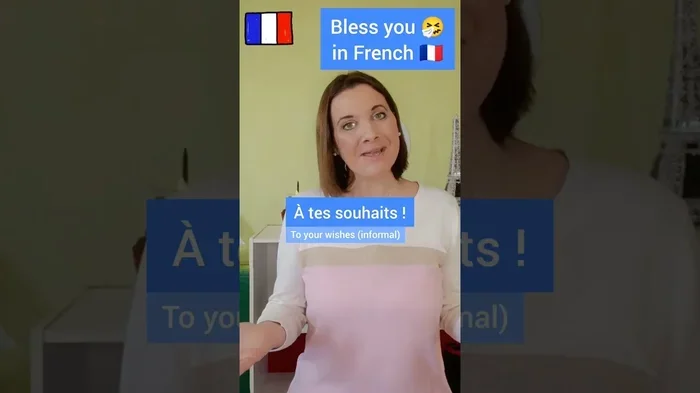

Knowing how to say bless you in french is a simple yet meaningful way to connect with French speakers. The most common response is “santé,” but there are several other phrases like “à tes souhaits” and “à vos souhaits” that you can use depending on the situation. This guide covers every French blessing, the cultural reasons behind them, and how to use them in text messages and real life.
Key Takeaways
- Santé is the most universal and widely used French response to a sneeze
- À tes souhaits is used for informal settings with friends and family
- À vos souhaits is the formal version used with strangers or elders
- French sneeze responses have deep cultural and historical roots dating back centuries
- You can also say these phrases when texting or messaging in French
- Avoid common mistakes like using the wrong formality level
- Learning these phrases adds warmth and cultural awareness to your French conversations
📑 Table of Contents
The Basic Way to Say Bless You in French
If you have ever wondered how to say bless you in french, the good news is that it is simpler than you might think. The most common and widely recognized French response to a sneeze is santé. This word literally means “health” in English, and it carries the same warm wish as saying “bless you” or “gesundheit” in English.
When someone sneezes near you in France, simply say santé with a friendly tone. It works in almost every situation, whether you are talking to a close friend or a stranger on the street. This is the go-to phrase that most French people use daily. It is short, easy to pronounce, and universally understood across all French-speaking regions.
Santé is also used in other contexts beyond sneezing. For example, you might say it before someone takes a sip of alcohol, similar to saying “cheers” in English. This versatility makes it one of the most practical common french phrases to learn early on in your language journey.
If you want to sound more natural, try to say it quickly and casually. French people do not usually make a big deal out of sneezing, so a light and friendly santé is perfect. It shows politeness without being over the top.
Other French Responses to Sneezing
While santé is the most popular option, there are several other ways to respond when someone sneezes. Each phrase has its own level of formality and context where it fits best.
À Tes Souhaits
À tes souhaits translates to “to your wishes” in English. This is the informal version used with people you are close to, such as friends, siblings, or peers your own age. It has a warm and personal feel to it. When you say à tes souhaits, you are essentially wishing the person that all their wishes come true. It is a lovely and thoughtful response that goes beyond a simple health wish.
À Vos Souhaits
À vos souhaits is the formal version of the same phrase. You would use this when speaking to someone older, a stranger, a coworker, or anyone you would address with “vous” instead of “tu.” The difference between “tu” and “vous” is a big part of french customs, and getting this right shows respect and cultural awareness.
À Votre Santé
Another option is à votre santé, which means “to your health.” This is a more formal and elegant way to respond. It works well in professional settings or when you want to sound particularly gracious. Some people also use à votre santé when toasting drinks, which makes it a versatile phrase to know.
Je Te Souhaite Bonne Santé
If you want to be extra kind, you can say je te souhaite bonne santé, meaning “I wish you good health.” This is a longer and more heartfelt response. It is perfect for moments when you genuinely want to show care. However, it might feel a bit over the top for a quick sneeze in passing.
The Cultural Background of Saying Bless You in French
Every language has its own traditions around sneezing, and French culture is no different. Understanding the cultural background of these phrases helps you appreciate them more and use them with confidence.
Historical Origins
The tradition of responding to sneezes dates back thousands of years. In ancient times, people believed that sneezing could either expel evil spirits or signal that the body was fighting off illness. Saying a blessing was a way to protect the person and wish them well. The French french sneeze response tradition carries echoes of these old beliefs, even though most people today do not think about the origins anymore.
The word santé has been used in French for centuries as a simple and sincere way to care for others. It reflects the French value of french cultural traditions that emphasize politeness and small gestures of kindness in everyday life.
Regional Differences in France
France is a big country with regional variations in language and culture. While santé is understood everywhere, you might hear slightly different expressions in regions like Quebec, Belgium, or Switzerland. For example, in Quebec French, à tes souhaits and à vos souhaits are very commonly used, just as they are in France. The core phrases remain the same, but the rhythm and pronunciation might shift slightly depending on the region.
These small differences are part of what makes the french language so rich and interesting. If you travel to different French-speaking areas, you will notice subtle variations that make each region unique.
How to Say Bless You in French in Text Messages
In today’s digital world, many conversations happen through text messages and chat apps. If you are texting with a French speaker and they mention a sneeze, you can respond with the same phrases you would use in person. Simply type santé, à tes souhaits, or à vos souhaits depending on your relationship with the person.
When you are learning french language basics, it is helpful to know how these phrases translate into text speak. French texters often keep things short and simple. Santé is by far the most popular choice in text messages because it is quick and universally understood.
It is also worth noting that French texting has its own set of abbreviations and slang. If you are curious about other common abbreviations people use in digital conversations, you might want to explore what wtw meaning in text covers, as it helps you understand the broader world of text abbreviations that French speakers also use. Similarly, learning about ts meaning in text can give you a fuller picture of how people communicate casually online. These small details help you feel more comfortable when texting in French or any other language.
The key takeaway is that responding to sneezes in text follows the same rules as in person. Keep it simple, match the formality level to your relationship, and do not overthink it.
Common Mistakes People Make
Learning a new language always comes with small mistakes, and that is completely normal. Here are some common errors people make when trying to say bless you in french.
- Using the wrong formality level: Saying “à tes souhaits” to a stranger or elder can feel too casual and slightly disrespectful. Always match the “tu” or “vous” form to the situation.
- Mispronouncing santé: The word is spelled simply, but the pronunciation matters. It sounds like “sahn-tay” with a soft ending. Practice saying it out loud a few times.
- Forgetting to respond at all: In French culture, it is considered polite to respond when someone sneezes. Even just a quick “santé” goes a long way in showing good manners.
- Overcomplicating things: You do not need to memorize every single phrase. Start with “santé” and build from there as you become more comfortable.
- Mixing up the phrases: Using the informal “à tes souhaits” in a formal setting can feel awkward. When in doubt, stick with “santé” or the formal “à vos souhaits.”
Quick Tips for Remembering French Blessings
Memorizing new phrases can be tricky, but these tips will help you remember how to say bless you in french with ease.
- Start with santé. It is the simplest and most universal option. Once you have this one down, you can expand to the others.
- Think of the meaning. “Santé” means health, “à tes souhaits” means to your wishes, and “à vos souhaits” is the formal version. Connecting the phrase to its meaning helps you remember it.
- Practice with a friend. Find a French-speaking friend or language partner and practice responding to sneezes together. It makes the learning process fun and natural.
- Use flashcards. Write each phrase on one side and the meaning on the other. Review them daily for just five minutes.
- Watch French media. Pay attention to how characters respond to sneezing in French movies, shows, and videos. This gives you real-world context and helps with pronunciation.
- Explore French names and expressions. If you enjoy learning about the cultural side of French, you might also find funny french names entertaining and educational. Understanding French names and expressions gives you a deeper connection to the language and its people.
Key Takeaways
How to say bless you in french is a small but meaningful part of learning the language. Here is a quick recap of everything we covered:
- Santé is the most common and universal French response to a sneeze
- À tes souhaits is informal and used with close friends and family
- À vos souhaits is the formal version for strangers and elders
- À votre santé adds an elegant touch for professional or gracious settings
- French sneeze responses have deep historical and cultural roots
- These phrases work the same way in text messages as in person
- Avoid common mistakes by matching formality to the situation
Conclusion
Learning how to say bless you in french opens a small but meaningful door into French culture and daily life. Whether you choose santé, à tes souhaits, or à vos souhaits, each phrase carries a genuine wish for the other person’s well-being. These are the kinds of small expressions that make conversations feel warmer and more authentic.
The beauty of these phrases is their simplicity. You do not need to be fluent in French to use them correctly. A simple “santé” said with a smile can brighten someone’s day and show that you respect their language and culture. As you continue your French learning journey, these small phrases will become second nature.
Start practicing today. The next time someone sneezes near you, try responding in French. You will be surprised at how much joy a single word like santé can bring. And remember, every small step you take in learning a new language brings you closer to deeper connections with people around the world.
Frequently Asked Questions
What is the most common way to say bless you in French?
The most common and widely used phrase is santé, which means “health” in English. It works in almost every situation and is understood by all French speakers. It is short, easy to say, and the perfect go-to response.
When should I use “à tes souhaits” versus “à vos souhaits”?
Use à tes souhaits with people you are close to, such as friends, family, or peers your own age. Use à vos souhaits in formal settings, with strangers, elders, or anyone you would address using the formal “vous” pronoun. Choosing the right one shows respect and cultural awareness.
Do French people actually say something when someone sneezes?
Yes, many French people do respond to sneezes, though it is not as elaborate as in some other cultures. A simple “santé” is the most common response. It is a polite and natural part of everyday French conversation, just like saying “bless you” in English.
Can I use these French phrases when texting?
Absolutely. The same phrases work perfectly in text messages and chat apps. Simply type “santé,” “à tes souhaits,” or “à vos souhaits” depending on your relationship with the person. Texting in French follows the same rules of formality as speaking in person.
Are there any other French expressions for sneezing besides santé?
Yes, there are several options. Beyond “santé,” you can say “à tes souhaits,” “à vos souhaits,” “à votre santé,” or the longer “je te souhaite bonne santé.” Each has its own level of formality and warmth. Start with “santé” and explore the others as you grow more comfortable.
Is it rude not to say anything when someone sneezes in France?
It is not considered deeply rude, but it is seen as a missed opportunity to be polite. French culture values small gestures of kindness in daily interactions. Even a quick “santé” shows that you are attentive and respectful. When in doubt, just say “santé” and you will be fine.