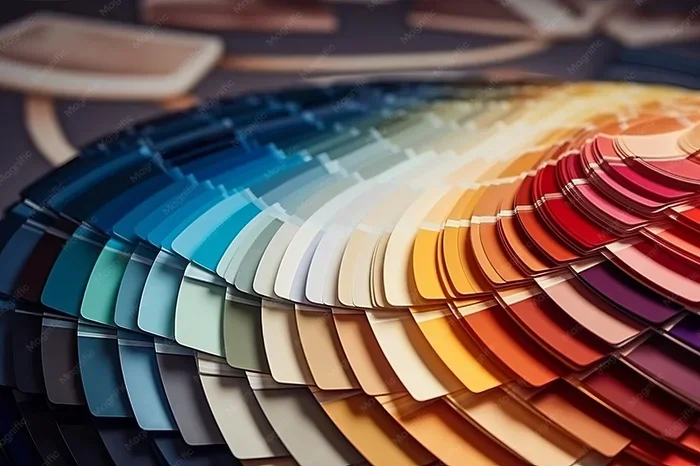

Learning how to say color in Spanish is a key skill for anyone studying the language. From basic color names to advanced expressions, this guide covers everything you need to speak confidently. You will master pronunciation, grammar rules, and real-life examples that help you use color vocabulary naturally. Follow our tips and start speaking Spanish like a native today.
Key Takeaways
- Learn core color words first: Start with basic colors like rojo, azul, and verde to build a strong Spanish vocabulary foundation.
- Pronunciation matters: Focus on rolling your Rs and using pure vowel sounds to speak colors like a native speaker.
- Match gender and number: Always adjust color adjectives for masculine, feminine, singular, and plural nouns in Spanish grammar.
- Use colors in real sentences: Practice with everyday examples describing objects, nature, and fashion to reinforce your learning.
- Explore advanced expressions: Move beyond basics with specialty colors, cultural meanings, and common Spanish phrases involving colors.
- Avoid common mistakes: Watch out for wrong gender forms, plural errors, and confusing similar color names in conversational Spanish.
📑 Table of Contents
- Why Knowing How to Say Color in Spanish Matters
- Basic Colors in Spanish: Your Essential Vocabulary List
- How to Pronounce Colors in Spanish Like a Native
- Using Colors in Everyday Spanish Sentences
- Common Mistakes When Saying Colors in Spanish
- Advanced Color Vocabulary and Expressions
- Quick Tips for Mastering Spanish Colors
- Conclusion
Why Knowing How to Say Color in Spanish Matters
Colors are everywhere around you. They fill your world in nature, art, fashion, and daily conversations. If you are learning Spanish, knowing how to say color in Spanish is one of the most useful skills you can develop. It opens doors to richer conversations and deeper understanding of the language.
Imagine walking through a vibrant market in Barcelona. You want to buy a red scarf. Or perhaps you are describing a beautiful green landscape to your Spanish-speaking friend. Without basic color vocabulary, these simple moments become frustrating. Color words in Spanish are building blocks for expression.
Mastering this vocabulary also strengthens your overall language abilities. It helps you think in Spanish. It builds confidence for more advanced topics. Whether you are a beginner or an intermediate learner, this Spanish lesson will take your skills to the next level.
Basic Colors in Spanish: Your Essential Vocabulary List
Let us start with the fundamentals. These are the common colors in Spanish that every learner should memorize. Think of this as your color palette for the Spanish language.
Primary Colors
- Rojo (Red)
- Azul (Blue)
- Amarillo (Yellow)
Secondary Colors
- Naranja (Orange)
- Verde (Green)
- Morado (Purple)
Neutral and Other Essential Colors
- Blanco (White)
- Negro (Black)
- Gris (Gray)
- Rosa (Pink)
- Marrón (Brown)
- Beige (Beige)
These color names in Spanish form the core of your vocabulary. Start here. Memorize them through repetition and daily use. Once these stick, you can expand into more specific shades and expressions.
Quick Tip
Create flashcards with the Spanish word on one side and the English translation on the other. Review them for just five minutes each day. This simple habit accelerates vocabulary building significantly.
How to Pronounce Colors in Spanish Like a Native
Knowing the words is only half the battle. Spanish pronunciation matters a lot. Poor pronunciation can lead to misunderstandings. Good pronunciation earns you respect and builds fluency.
Master the Spanish R
The Spanish “r” is famously different from the English version. Words like rojo and rosa require a rolled or lightly tapped “r.” This sound is one of the most distinctive features of the Spanish language.
Here is a simple exercise. Place your tongue against the roof of your mouth behind your front teeth. Let air flow while your tongue taps rapidly. Start slow. Practice daily. Many learners find the “rr” sound challenging at first. With consistent practice, it becomes natural.
Pure Vowel Sounds
Spanish vowels are clean and consistent. Unlike English, they rarely change sound. This is great news for language learners. Each vowel has one clear pronunciation:
- A sounds like “ah”
- E sounds like “eh”
- I sounds like “ee”
- O sounds like “oh”
- U sounds like “oo”
This consistency means that once you learn the vowels, you can pronounce almost any Spanish phrase correctly. It is a huge advantage for beginners.
Listen and Repeat
The best method for improving pronunciation is immersion. Watch native speakers on YouTube or language apps. Then repeat what you hear. Try mimicking their rhythm and intonation. Just as people sometimes look up something like wtw meaning in text to understand modern digital communication, you should immerse yourself in how native speakers actually sound. Listening is the fastest path to natural speech.
Expert Insight
Language coaches recommend recording yourself speaking color words in Spanish. Play the recording back and compare it to a native speaker. This feedback loop dramatically improves speak Spanish skills over time. Do not be afraid of mistakes. Every learner goes through this phase.
Using Colors in Everyday Spanish Sentences
Words alone do not make fluent speech. You need to use them in context. Here are practical examples of how to say color in Spanish in real-life situations.
Describing Objects Around You
- La casa es blanca. (The house is white.)
- El coche es rojo. (The car is red.)
- Mi vestido es azul. (My dress is blue.)
- La mesa de madera es marrón. (The wooden table is brown.)
Talking About Nature
- El cielo está azul hoy. (The sky is blue today.)
- Las hojas son verdes en primavera. (The leaves are green in spring.)
- El atardecer es naranja y rosa. (The sunset is orange and pink.)
- El pasto es verde y gris en invierno. (The grass is green and gray in winter.)
Shopping and Fashion
- ¿Tienes esta camisa en negro? (Do you have this shirt in black?)
- Me gusta el color beige para la sala. (I like the beige color for the living room.)
- Quiero una falda morada, por favor. (I want a purple skirt, please.)
- ¿Este abrigo viene en amarillo? (Does this coat come in yellow?)
Grammar Tip: Where to Place Color Adjectives
In Spanish, color adjectives usually come after the noun. You say “coche rojo” (red car), not “rojo coche.” This differs from English where color words often come before the noun. However, some colors can appear before the noun for stylistic emphasis or poetic effect. As a general rule, place the color after the noun when in doubt. This follows standard Spanish grammar patterns.
Common Mistakes When Saying Colors in Spanish
Every learner makes mistakes. The good news is that most of them are easy to fix once you know what to watch for. Here are the most frequent errors with color vocabulary.
Mixing Up Gender Forms
Spanish is a gendered language. Most color adjectives change form based on whether the noun is masculine or feminine. Rojo becomes roja for feminine nouns. Azul stays the same because it ends in -l. Verde also stays the same regardless of gender.
Here is a helpful comparison:
- El gato rojo (The red male cat)
- La gata roja (The red female cat)
- El cielo azul (The blue sky)
- La camisa azul (The blue shirt)
Understanding this pattern is essential for proper conversational Spanish. Pay close attention to gender agreement whenever you describe something.
Forgetting Plural Forms
When you talk about more than one object, colors often need to become plural. Add -s to words ending in a vowel and -es to words ending in a consonant. For example:
- Coches rojos (Red cars)
- Casas blancas (White houses)
- Gatos negros (Black cats)
This matching of number is a core part of Spanish grammar. Skipping it can make your sentences sound awkward or incorrect.
Using the Wrong Color Word
Spanish sometimes has multiple words for the same color. Choosing the wrong one can confuse listeners. For instance, morado and púrpura both mean purple. But morado is far more common in everyday speech. Púrpura sounds more formal or literary.
Similarly, naranja means both “orange (the fruit)” and “the color orange.” Context tells your listener which meaning applies. Just as people might search for ts meaning in text to avoid miscommunication in digital conversations, taking time to learn the precise color words in Spanish prevents real-world confusion.
Common Mistakes Summary
- Wrong gender: Always match the color to the noun’s gender.
- Wrong number: Make colors plural when describing multiple items.
- Wrong shade: Choose the appropriate word for the context and region.
Advanced Color Vocabulary and Expressions
Once you have the basics down, it is time to expand. Native speakers use more specific and colorful language. This is where your learning Spanish journey gets really fun.
Specialty and Descriptive Colors
Beyond the basic twelve, Spanish has words for specific shades:
- Turquesa (Turquoise)
- Cyan (Cyan)
- Magenta (Magenta)
- Lavanda (Lavender)
- Mostaza (Mustard)
- Borgoña (Burgundy)
- Emerald (Emerald green)
- Carbón (Charcoal)
These words add richness and precision to your Spanish vocabulary. They are especially useful in art, design, and fashion conversations.
Color Idioms and Expressions
Spanish is rich with colorful expressions that bring the language to life:
- Ponerse rojo como un tomate — To turn red like a tomato. Meaning: to blush or feel embarrassed.
- Verde de envidia — Green with envy. Meaning: to be jealous. This works just like in English.
- En blanco y negro — In black and white. Meaning: stated clearly or in writing.
- Tener un lado negro — To have a dark side. Meaning: a hidden, less pleasant aspect of someone.
- Pintar de amarillo — To paint yellow. Meaning: to show cowardice (regional expression).
Learning these expressions makes your bilingual communication sound much more natural. They also give you insight into how native speakers think and express emotions.
Colors in Art and Culture
Colors carry deep cultural meaning across Spanish-speaking countries. Understanding these meanings enriches your cultural knowledge:
- In Mexico, rojo symbolizes passion, love, and celebration.
- In Spain, amarillo can represent courage and nobility.
- In Argentina, verde is associated with hope and prosperity.
- Across Latin America, negro often carries complex historical and social connotations.
These cultural layers make the language more meaningful. They connect you to millions of people on a deeper level.
Quick Tips for Mastering Spanish Colors
Here are proven strategies to lock in your color vocabulary and use it with confidence:
- Label items at home. Put small sticky notes with the Spanish color name on objects around your house. Your coffee mug is taza blanca. Your lamp is lámpara amarilla. This constant exposure reinforces memory.
- Describe your day. Make it a habit to describe three things you see using their colors in Spanish. “Veo un cielo azul y unas hojas verdes.” This simple exercise builds language tips into your daily routine.
- Watch Spanish media. Shows, movies, and music expose you to natural pronunciation and usage. Pay attention to how characters describe things. Netflix and YouTube are excellent resources for Spanish lesson material.
- Play color games. Challenge yourself to name the color of everything you see in a room, all in Spanish. Time yourself and try to beat your record. This makes vocabulary building enjoyable.
- Practice with a partner. Find a language exchange partner or tutor. Ask them to correct your Spanish pronunciation and gender agreement. Real conversation is the best teacher.
Key Takeaway
The secret to mastering how to say color in Spanish is consistent, active practice. Do not just memorize lists. Use the words in real conversations and real situations every single day.
Conclusion
Learning how to say color in Spanish is more than a vocabulary exercise. It is a gateway to richer conversations, deeper cultural understanding, and greater confidence in your language journey. From basic words like rojo and verde to advanced expressions like ponerse rojo como un tomate, you now have a complete toolkit.
You have learned the essential color names in Spanish, proper pronunciation techniques, grammar rules for gender and number agreement, and practical sentence examples for everyday use. You also discovered common mistakes to avoid and strategies to keep improving.
The key to success is practice. Start small. Describe one object in Spanish today. Use a color word in a conversation this week. Every step forward counts. With dedication and consistency, you will speak Spanish with the confidence and fluency of a native speaker. ¡Buena suerte!
Frequently Asked Questions
What is the easiest way to remember Spanish color words?
The easiest method is active repetition combined with visual association. Label objects around your home with their Spanish color names. Say the full phrase out loud each time you see the object. For example, look at your white wall and say “pared blanca.” This constant exposure locks the vocabulary into your long-term memory much faster than passive study alone.
How do I pronounce rojo and azul correctly?
For “rojo,” tap or roll the “r” sound by placing your tongue against the roof of your mouth behind your upper teeth. For “azul,” the “z” sounds like a soft “s” in most Spanish-speaking regions. The “u” is a pure “oo” sound. Listen to native speakers on YouTube or language apps and repeat until your pronunciation sounds natural and confident.
Do all Spanish colors change for gender?
Most do, but not all. Colors ending in a vowel like “rojo” change to “roja” for feminine nouns. Colors ending in -l like “azul” stay the same regardless of gender. Colors ending in -e like “verde” also remain unchanged. Always check the specific word, as irregular forms exist. This gender agreement is a core part of Spanish grammar.
What is the difference between morado and púrpura?
Both mean purple, but they are used differently. “Morado” is the standard, everyday word for purple in most Spanish-speaking countries. “Púrpura” is more formal and literary. You will hear “morado” in regular conversation and see “púrpura” in poetry or official documents. When in doubt, use “morado” for natural-sounding speech.
Can I use English color words when speaking Spanish?
You can, but it will limit your fluency and may confuse listeners. Native speakers expect you to use Spanish words for colors. Using English terms like “el color rojo” instead of just “rojo” is understandable but sounds unnatural. Commit to using the Spanish words from the start. Even small efforts show respect for the language and culture.
Why is learning color vocabulary important for language learners?
Colors appear constantly in everyday life. You need them when shopping, describing things, talking about art and nature, and expressing emotions. They are among the first words children learn in any language. For language learners, mastering colors builds a foundation for more complex descriptions and helps develop overall fluency and confidence in conversational Spanish.



