
Learning how to say congratulations in German opens doors to deeper connections with German speakers. Whether you are sending a birthday wish, a wedding greeting, or a professional congrats message, the right German phrase makes all the difference. This guide covers formal and informal congratulation words, cultural context, and practical examples you can use today.
Key Takeaways
- Multiple Ways to Say Congratulations: German offers several phrases like “Herzlichen Glückwunsch” and “Glückwunsch” depending on the formality and occasion.
- Formal vs. Informal Matters: Using “Sie” instead of “du” changes the tone of your German congratulation message significantly.
- Cultural Context Is Key: Germans value sincerity, so matching the right phrase to the right moment shows respect and thoughtfulness.
- Written and Spoken Forms Differ: Texting congratulations in German uses shorter, casual expressions compared to formal written cards.
- German Congratulations Are Not Just Words: Accompanied by gestures like handshakes or hugs, the delivery matters just as much as the phrase itself.
- Special Occasions Need Special Phrases: Birthdays, weddings, graduations, and promotions each have their own unique German congratulation expressions.
📑 Table of Contents
- How to Say Congratulations in German Like a Native Speaker
- Why Saying Congratulations in German Matters
- The Most Common German Congratulations Phrases
- Formal vs. Informal Congratulations in German
- Congratulations in German for Special Occasions
- How to Write a Congratulations Message in German
- Common Mistakes to Avoid When Congratulating in German
- Quick Tips for Saying Congratulations in German Like a Pro
- Comparison Table: German Congratulations Phrases by Occasion
- Final Thoughts on Congratulations in German
- Frequently Asked Questions
How to Say Congratulations in German Like a Native Speaker
So you want to learn how to say congratulations in German. Maybe a German friend just got engaged, or a colleague earned a big promotion. Either way, you want to get it right. And honestly, that is a great goal.
The German language has a rich set of congratulation phrases. Some are warm and casual. Others are polished and formal. Knowing which one to use can feel tricky at first. But do not worry. By the end of this guide, you will sound just like a native speaker. You will learn the best congratulations in German for every situation, understand the cultural nuances, and even pick up some German congratulation messages you can copy and paste. Let us dive in.
Why Saying Congratulations in German Matters
Language is more than just words. It is a bridge between people. When you take the time to congratulate someone in their native language, you show respect. You show effort. And in German culture, that effort really counts.
Germans appreciate directness and sincerity. A heartfelt congratulation in German goes a long way. It tells the other person that you care enough to learn their language. Whether you are texting a quick wish or writing a formal card, the right words matter. Using congratulation phrases in German also helps you build stronger relationships with German-speaking friends, coworkers, and business partners.
Think about it this way. If someone took the time to wish you well in your language, how would that make you feel? Pretty great, right? That is exactly the kind of impression you want to make. And mastering congratulations in German is one of the simplest ways to do it.
The Cultural Context Behind German Congratulations
In Germany, people tend to be genuine and straightforward. They do not usually overdo compliments. So when a German person says “Herzlichen Glückwunsch,” you can trust that they mean it. The culture values authenticity over fancy words. This means your German congratulation words do not need to be elaborate. Simple and sincere works perfectly.
Also, Germans are big on formality rules. The way you address someone changes everything. Using “Sie” (the formal “you”) for strangers or older people is standard. Using “du” (the informal “you”) is reserved for friends, family, and close peers. Getting this distinction right shows that you understand German social norms. It is a small detail that makes a huge difference.
The Most Common German Congratulations Phrases
Now let us get to the good stuff. Here are the most common and widely used ways to say congratulations in German. Each one works for different situations, so pay attention to when to use each.
Herzlichen Glückwunsch
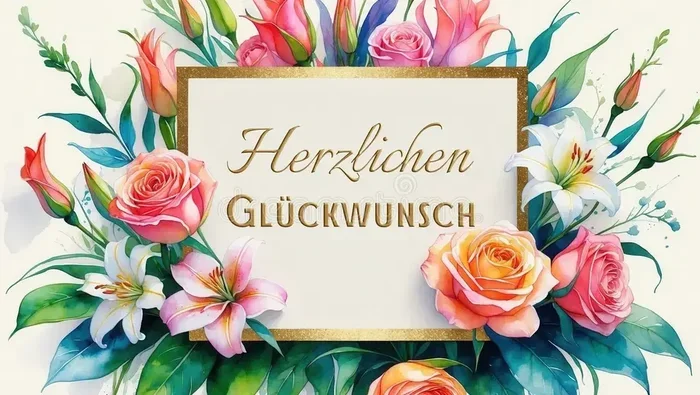
This is the gold standard of congratulations in German. “Herzlichen Glückwunsch” translates to “heartfelt congratulations.” You will hear this phrase at weddings, birthdays, graduations, and promotions. It works in almost every setting. Whether you are writing a card or saying it out loud, this phrase never fails.
Use this when you want to sound warm and genuine. It is appropriate for both formal and semi-formal situations. If you only learn one German congratulation phrase, make it this one.
Glückwunsch
“Glückwunsch” is the shorter, more casual version. It means “congrats” or “congratulations.” Germans use this with friends and family in everyday conversations. It is perfect for a quick text message or a casual chat over coffee.
If you are texting a close friend about their new job, a simple “Glückwunsch!” will do the trick. It is friendly, natural, and exactly what native speakers say. For a more personal touch, you could add “Herzlichen” in front to make it “Herzlichen Glückwunsch.” But for quick messages, “Glückwunsch” is all you need.
Alles Gute
“Alles Gute” means “all the best.” While not strictly a congratulations phrase, Germans use it very often for celebrations. You will see it on birthday cards and in congratulation texts. It carries a warm, well-wishing tone that fits many occasions.
This phrase is especially popular for birthdays and personal milestones. If you are not sure which congratulation phrase to use, “Alles Gute” is a safe and lovely choice. It works for people of all ages and in most settings.
Herzlichen Glückwunsch zum Geburtstag
Want to wish someone a happy birthday in German? This is the phrase you need. “Herzlichen Glückwunsch zum Geburtstag” means “Happy Birthday” in a congratulatory sense. It is the most common way to say German birthday wishes in a heartfelt manner.
You can shorten it to “Alles Gute zum Geburtstag” for a more casual feel. Both versions are widely used and loved. Germans appreciate when you take the time to learn these phrases for their special days.
Formal vs. Informal Congratulations in German
One of the most important parts of learning German is understanding the formal-informal distinction. This applies to congratulations just as much as anything else. Let us break it down clearly.
Formal Congratulations (Using “Sie”)
When congratulating someone you do not know well, a boss, or an elder, use the formal “Sie” form. This shows respect and professionalism. Here are some examples:
- Herzlichen Glückwunsch zu Ihrer Beförderung. (Congratulations on your promotion.)
- Glückwunsch zur bestandenen Prüfung. (Congratulations on passing the exam.)
- Herzlichen Glückwunsch zum Geburtstag. (Happy Birthday – formal version.)
Notice how the formal versions often include “zu” or “zur” followed by the specific achievement. This structure is very common in professional and formal German congratulation messages. If you are writing a business congratulation card, stick with these formal constructions.
Informal Congratulations (Using “Du”)
With friends, family, and close peers, you can drop the formalities. Use “du” and keep things light and warm. Here are some informal examples:
- Herzlichen Glückwunsch, du hast es geschafft! (Congratulations, you did it!)
- Glückwunsch zum neuen Job! (Congrats on the new job!)
- Alles Gute und viel Glück! (All the best and good luck!)
Informal congratulation messages in German feel natural and relaxed. You can add exclamation marks and personal touches. Germans love enthusiasm, especially in casual settings. Do not be afraid to let your excitement show through your words.
Congratulations in German for Special Occasions
Different occasions call for different phrases. Germans have specific ways to celebrate milestones. Let us explore some of the most common special situations.
Congratulations for Weddings
Wedding congratulations in German are warm and heartfelt. The most common phrase is “Herzlichen Glückwunsch zur Ehe.” This means “Congratulations on your marriage.” You might also hear “Alles Gute für die Zukunft,” which means “All the best for the future.”
If you are writing a wedding card, you can combine phrases. For example: “Herzlichen Glückwunsch zur Ehe! Alles Gute für eure gemeinsame Zukunft.” (Congratulations on your marriage! All the best for your future together.) This kind of layered message shows thoughtfulness and genuine care.
Congratulations for Graduations
Graduation is a big deal in Germany too. The phrase “Herzlichen Glückwunsch zum Abschluss” works perfectly for this occasion. It means “Congratulations on your graduation.” For a more personal touch, you can say “Glückwunsch zum bestandenen Examen” (Congratulations on passing the exam).
German students work hard for their degrees. A thoughtful congratulation message means a lot to them. Whether it is a high school diploma or a university degree, acknowledging their achievement in German shows real support.
Congratulations for New Babies
When a friend or family member has a baby, Germans say “Herzlichen Glückwunsch zur Geburt.” This translates to “Congratulations on the birth.” It is the standard way to welcome a new baby in German-speaking communities.
You might also hear “Herzlichen Glückwunsch zum Nachwuchs,” which means “Congratulations on the new arrival.” Both phrases are widely used and understood. If you want to keep it casual, a simple “Glückwunsch!” with a baby emoji in a text message works perfectly.
How to Write a Congratulations Message in German
Writing a congratulation message in German is easier than you might think. The key is to match the tone to the occasion and your relationship with the person. Here are some practical tips to help you craft the perfect message.
Start with the Right Phrase
Every German congratulation message should start with a strong opening phrase. Choose from “Herzlichen Glückwunsch,” “Glückwunsch,” or “Alles Gute” depending on the formality level. This sets the tone for the entire message.
Add a Personal Touch
Germans appreciate personal details. Instead of just saying “Herzlichen Glückwunsch,” try adding a specific reason. For example: “Herzlichen Glückwunsch zur bestandenen Prüfung! Das hast du dir wirklich verdient.” (Congratulations on passing the exam! You really deserved that.) This small addition makes your message feel more genuine.
Keep It Concise
German congratulation messages do not need to be long. A few well-chosen words can be more powerful than a long paragraph. Germans value clarity and directness. Keep your message focused and sincere. A short but heartfelt note will always be appreciated more than a lengthy but generic one.
Use the Right Tone for the Medium
If you are sending a text message, keep it casual and friendly. A simple “Glückwunsch!” or “Alles Gute!” works great for texts. If you are writing a card or email, you can be slightly more formal and detailed. And if you are speaking in person, let your tone and body language do the talking. A warm smile and a firm handshake pair perfectly with any congratulation phrase.
When texting, you might also see abbreviations like “Glückw!” or “GW!” used among friends. These are common in casual German texting culture. If you are curious about other German text abbreviations, you might find the wtw meaning in text article helpful for understanding German texting lingo in general. Similarly, some German speakers use “ts” as a casual abbreviation, and you can learn more about the ts meaning in text to better understand informal German digital communication.
Common Mistakes to Avoid When Congratulating in German
Even well-meaning learners can make mistakes. Here are some common pitfalls to watch out for.
Mixing Up Formal and Informal
This is the number one mistake. Using “du” with someone you do not know well can come across as disrespectful. On the other hand, using “Sie” with a close friend can feel cold and distant. Always consider your relationship with the person before choosing your form of address.
Overcomplicating the Message
You do not need to write a novel. Germans prefer concise and sincere messages. Trying too hard to sound impressive can actually make your congratulation feel less genuine. Keep it simple and let the words speak for themselves.
Forgetting the Occasion-Specific Phrase
Using a generic “Glückwunsch” is fine for everyday moments. But for weddings, birthdays, and graduations, using the occasion-specific phrase shows that you put thought into your message. It is a small detail that people notice and appreciate.
Ignoring Gender and Grammar
German grammar matters. The word “Glückwunsch” is masculine, so you say “ein Glückwunsch.” The prepositions change based on the noun. While native speakers will still understand your meaning, getting the grammar right shows that you truly care about the language. If you ever want to explore more about German culture and naming traditions, the funny German names article offers a fun look at the lighter side of the German language.
Quick Tips for Saying Congratulations in German Like a Pro
- Practice saying “Herzlichen Glückwunsch” out loud. It is the most universal phrase and works for nearly every occasion.
- Match your tone to your relationship. Formal for strangers and colleagues, informal for friends and family.
- Add a specific detail. Mentioning the achievement or occasion makes your message feel personal.
- Keep it short and sweet. Germans value sincerity over length.
- Use “Alles Gute” when in doubt. It is a safe, warm, and widely understood phrase for almost any celebration.
- Pair your words with a smile. Nonverbal communication matters just as much as the words themselves.
Comparison Table: German Congratulations Phrases by Occasion
| Occasion | Formal Phrase | Informal Phrase |
|---|---|---|
| Birthday | Herzlichen Glückwunsch zum Geburtstag | Alles Gute zum Geburtstag! |
| Wedding | Herzlichen Glückwunsch zur Ehe | Glückwunsch zur Hochzeit! |
| Graduation | Herzlichen Glückwunsch zum Abschluss | Glückwunsch zum bestandenen Examen! |
| New Job | Herzlichen Glückwunsch zu Ihrer neuen Stelle | Glückwunsch zum neuen Job! |
| New Baby | Herzlichen Glückwunsch zur Geburt | Glückwunsch zum Nachwuchs! |
| Promotion | Herzlichen Glückwunsch zur Beförderung | Glückwunsch, du hast es geschafft! |
Final Thoughts on Congratulations in German
Learning how to say congratulations in German is a wonderful skill. It connects you to people, culture, and moments that matter. The phrases in this guide give you a solid foundation for any occasion. From formal business messages to casual birthday texts, you now have the tools to express your joy and support in German.
Remember, the goal is not perfection. It is sincerity. Germans value genuine effort over flawless grammar. So do not be afraid to practice, make mistakes, and keep learning. Every congratulation phrase you use brings you closer to fluency and deeper relationships with German speakers.
Start with “Herzlichen Glückwunsch.” Add “Alles Gute” to your repertoire. And soon, you will be congratulating friends and colleagues in German with confidence and ease. The language is beautiful, and your effort to learn it will not go unnoticed.
So the next time someone you know achieves something amazing, reach for one of these phrases. Say it with a smile. Say it with heart. And watch how a simple “Herzlichen Glückwunsch” can brighten someone’s day in the most meaningful way.
Whether you are texting a quick “Glückwunsch!” or writing a heartfelt congratulation card, you now know exactly what to say. Go ahead and use it. The German-speaking world is waiting to hear your kind words.
Frequently Asked Questions
What is the most common way to say congratulations in German?
The most common and widely used phrase is “Herzlichen Glückwunsch.” It works for almost every occasion, from birthdays to weddings to professional achievements. It is warm, sincere, and understood by all German speakers. If you only learn one phrase, make it this one.
Is there a difference between “Glückwunsch” and “Herzlichen Glückwunsch”?
Yes, there is a small but meaningful difference. “Glückwunsch” is the casual, short form used with friends and family. “Herzlichen Glückwunsch” is the fuller, warmer version that works in both formal and informal settings. Think of “Herzlichen Glückwunsch” as the go-to phrase for most situations, and “Glückwunsch” as your quick casual option.
Can I use “Alles Gute” as a congratulations phrase?
Absolutely. “Alles Gute” means “all the best” and is commonly used for celebrations. While it is not strictly a congratulations phrase, Germans use it widely for birthdays, graduations, and other happy occasions. It is a safe and lovely choice when you are not sure which congratulation phrase to use.
How do I congratulate someone in German over text?
For texting, keep it short and casual. “Glückwunsch!” or “Alles Gute!” are perfect for text messages. You can also use “Herzlichen Glückwunsch!” if you want a slightly warmer tone. Adding emojis like 🎉 or ❤️ makes the message feel even more personal and fun.
What should I say for a German wedding congratulation?
The standard phrase is “Herzlichen Glückwunsch zur Ehe.” For a more personal touch, you can add “Alles Gute für eure gemeinsame Zukunft,” meaning “All the best for your future together.” These phrases are traditional, heartfelt, and widely appreciated in German-speaking communities.
Do Germans expect congratulation messages to be long and elaborate?
No, they do not. Germans value sincerity and directness over length. A short but genuine message is always better than a long but generic one. A few well-chosen words that show you truly care will always be appreciated more than an overly elaborate message.