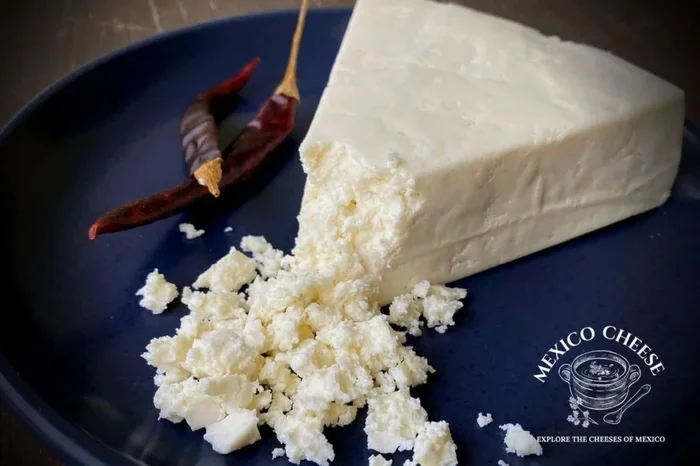

Cotija cheese is a traditional Mexican cheese that many people struggle to pronounce correctly. The authentic way to say it is “co-TEE-ha,” with the emphasis on the second syllable. This crumbly, salty cheese adds amazing flavor to tacos, salads, and many other dishes.
Have you ever been at a restaurant or watching a cooking show and heard someone mention cotija cheese? Maybe you ordered tacos and saw it sprinkled on top. You thought, “I know what that is, but can I even say it?” You are not alone. Many food lovers want to know the correct way to pronounce this delicious Mexican ingredient.
This guide will show you exactly how to say cotija cheese the authentic Mexican way. We will cover the pronunciation step by step. We will also explore where this cheese comes from, how it tastes, and the best ways to use it in your kitchen. By the end, you will sound like a true expert when you order or talk about this amazing cheese.
The word “cotija” might look tricky at first glance. But once you break it down, it is actually quite simple. The secret lies in understanding Spanish pronunciation rules and paying attention to the stress in the word. Let us dive in and master it together.
Key Takeaways
- Correct pronunciation: Cotija is pronounced “co-TEE-ha” with stress on the second syllable.
- Authentic Mexican origin: This cheese comes from the town of Cotija in Michoacán, Mexico.
- Distinctive taste: It has a salty, tangy, and slightly sharp flavor that elevates many dishes.
- Versatile ingredient: You can use cotija cheese on tacos, salads, elote, soups, and more.
- Two main types: Fresh cotija and aged cotija have different textures and flavors.
- Easy to find: Most grocery stores and Latin markets carry cotija cheese.
📑 Table of Contents
- What Is Cotija Cheese?
- How to Say Cotija Cheese the Authentic Way
- The Rich History and Origin of Cotija Cheese
- Delicious Ways to Use Cotija Cheese in Your Cooking
- Cotija Cheese vs. Other Popular Cheeses
- How to Buy and Store Cotija Cheese
- Health Benefits and Nutritional Value
- Common Mistakes People Make with Cotija Cheese
- Expert Tips for Using Cotija Cheese Like a Pro
- Frequently Asked Questions
- Conclusion
What Is Cotija Cheese?
Cotija cheese is a traditional Mexican cheese made from cow’s milk. It gets its name from the town of Cotija in the state of Michoacán, Mexico. This region has been producing this cheese for centuries. The local artisans follow age-old methods that give cotija its unique character.
This cheese is known for its crumbly texture and bold, salty flavor. It looks a bit like a hard, dry block when you first buy it. But once you break it apart, it crumbles easily into small, irregular pieces. Many people compare it to feta or parmesan, but cotija has its own distinct personality.
Fresh Cotija vs. Aged Cotija
There are two main types of cotija cheese you should know about. Fresh cotija, also called “cotija fresco,” is softer and milder. It has a higher moisture content and a gentler taste. You can crumble it directly onto dishes as a finishing touch.
Aged cotija, sometimes called “cotija añejo,” is firmer and much saltier. It gets aged for several months, which gives it a sharper, more intense flavor. The texture becomes harder and drier over time. Aged cotija is often grated like parmesan and used as a finishing garnish.
Both types are delicious, but they serve different purposes in cooking. Fresh cotija works well in salads and on warm dishes. Aged cotija shines when you want a strong, salty punch of flavor.
How to Say Cotija Cheese the Authentic Way
Now let us get to the heart of the matter. How do you actually say this word correctly? The proper pronunciation is “co-TEE-ha.” The stress always falls on the second syllable, which is “TEE.” This is key. If you stress the wrong syllable, it will sound off to native Spanish speakers.
Let us break it down syllable by syllable:
- Co — pronounced like “co” in “coffee.” It is a short, soft vowel sound.
- TEE — this is the emphasized syllable. Say it like the word “tea” but with a slightly shorter “ee” sound.
- Ha — pronounce it like “ha” in “hat.” Keep it soft and short.
Put them together, and you get “co-TEE-ha.” Say it a few times slowly at first. Then try to speed up naturally. With a little practice, it will become second nature.
Common Mistakes in Pronunciation
One of the most common mistakes is saying “co-TIJ-a” with an English “j” sound. The Spanish “j” in this context sounds more like a soft “h” in English. Another mistake is putting the stress on the first syllable, making it sound like “COT-ee-ha.” Always remember, the stress belongs on “TEE.”
Some people also add an extra syllable or say “co-tee-ha” with a long “ee” sound. While this is close, the correct version has a short, crisp “ee” in the middle syllable. Listen to native speakers online or in Mexican restaurants to train your ear.
The Rich History and Origin of Cotija Cheese
Cotija cheese has deep roots in Mexican culture and tradition. It originated in the mountainous town of Cotija, located in the state of Michoacán. This region is known for its rich dairy farming heritage. The cool, high-altitude climate makes it perfect for raising cattle and producing high-quality milk.
The cheese-making tradition in this area dates back hundreds of years. Spanish colonizers brought dairy farming techniques to Mexico in the 16th century. Local communities adapted these methods using their own recipes and traditions. Over time, cotija cheese became a staple in the region’s cuisine.
Today, cotija cheese is still made by hand in many parts of Michoacán. Artisanal producers follow the same techniques passed down through generations. They use fresh milk, natural rennet, and traditional aging methods. This hands-on approach is what gives authentic cotija its distinctive taste and texture.
Why Cotija Cheese Matters in Mexican Cuisine
Cotija cheese plays a vital role in Mexican cooking. It is not just a topping. It is a flavor enhancer that transforms simple dishes into something extraordinary. In Mexican households, cotija is as essential as salt or lime.
You will find cotija in street food, home-cooked meals, and festive celebrations. It is especially popular during celebrations and holidays. Families use it to add richness and depth to their favorite recipes. Without cotija, many traditional Mexican dishes would feel incomplete.
Delicious Ways to Use Cotija Cheese in Your Cooking
One of the best things about cotija cheese is how versatile it is. You can use it in so many different dishes. It adds a salty, savory kick that complements both simple and complex recipes. Here are some of the most popular and delicious ways to enjoy it.
Elote and Esquites
Elote is Mexican street corn, and it is one of the most famous uses for cotija cheese. You grill or boil corn on the cob, then brush it with mayo, sprinkle chili powder, and top it with crumbled cotija. The cheese adds a salty contrast to the sweet, smoky corn.
Esquites is the same concept but served in a cup. You cut the corn off the cob, mix it with mayo, lime juice, chili, and cotija cheese. It makes a perfect snack or side dish.
Tacos and Burritos
Cotija cheese is a go-to topping for tacos. Whether you are making fish tacos, carnitas tacos, or veggie tacos, a sprinkle of cotija takes them to the next level. The salty crumble balances the fresh toppings and sauces perfectly.
Burritos also benefit from cotija cheese. It adds a nice crunch and saltiness that pairs well with rice, beans, and meat. Try it in a burrito bowl for a restaurant-quality meal at home.
Salads and Soups
Do not limit cotija to Mexican dishes only. It works beautifully in salads too. Toss it into a simple cucumber and tomato salad for a Mexican-inspired twist. The saltiness of the cheese enhances the freshness of the vegetables.
Soups like pozole, black bean soup, and tortilla soup are also great candidates. A handful of crumbled cotija on top adds both flavor and texture. It gives the soup a more satisfying and complete taste.
Avocado Dishes and Dips
Guacamole and avocado-based dishes love cotija cheese. Crumble some on top of your guacamole for an extra layer of flavor. You can also mix cotija into avocado toast or use it in stuffed avocado halves.
The combination of creamy avocado and salty cotija is a match made in heaven. It is simple to prepare but tastes incredibly gourmet.
Cotija Cheese vs. Other Popular Cheeses
Many people wonder how cotija compares to other cheeses they already know. Understanding these differences helps you choose the right cheese for each dish. It also helps you find a good substitute if you cannot find cotija.
| Feature | Cotija Cheese | Parmesan | Feta | Queso Fresco |
|---|---|---|---|---|
| Origin | Michoacán, Mexico | Italy | Greece | Mexico |
| Texture | Crumbly, dry | Hard, granular | Crumbly, moist | Soft, crumbly |
| Flavor | Salty, tangy | Sharp, nutty | Briny, tangy | Mild, milky |
| Aging | Fresh or aged | Aged 12+ months | Aged 2-3 months | Fresh, no aging |
| Best Used As | Finishing garnish | Grated over pasta | Crumbled on salads | Melting or crumbling |
| Salt Level | High | Moderate | High | Low |
As you can see, cotija cheese stands out for its unique combination of saltiness and crumbly texture. While parmesan is the closest substitute in terms of grating and aging, cotija has a distinctly Mexican flavor profile. Queso fresco is milder and softer, making it a different experience altogether.
How to Buy and Store Cotija Cheese
Buying good cotija cheese is easier than you might think. Most well-stocked grocery stores carry it in the cheese section or the international aisle. Look for brands that list “cotija” clearly on the label. Some popular brands include Santa Gadea, Vida, and Herdez.
If you want the most authentic experience, visit a local Mexican or Latin market. These stores often carry artisanal cotija made by local producers. The flavor is usually richer and more traditional than mass-produced versions.
Storing Cotija Cheese Properly
Proper storage keeps your cotija cheese fresh for longer. Here are some quick tips:
- Wrap it tightly in plastic wrap or store it in an airtight container.
- Keep it in the coldest part of your refrigerator, usually the back of the top shelf.
- Fresh cotija lasts about two weeks in the fridge when stored correctly.
- Aged cotija can last even longer because of its lower moisture content.
- If your cotija dries out too much, you can still grate and use it. The flavor will be even stronger.
Never store cotija cheese at room temperature for more than a couple of hours. Bacteria can grow quickly on soft and semi-hard cheeses. When in doubt, always refrigerate.
Health Benefits and Nutritional Value
Cotija cheese is not just delicious. It also offers some nutritional benefits. Like most cheeses, it is a good source of protein and calcium. Protein helps build and repair muscles, while calcium supports strong bones and teeth.
One ounce of cotija cheese contains about 100 to 110 calories. It also provides vitamin A, vitamin B12, and phosphorus. However, cotija is quite high in sodium, so you should enjoy it in moderation. A little goes a long way in adding flavor to your meals.
For those watching their fat intake, keep in mind that cotija contains saturated fat. But using it as a garnish means you only need a small amount. This makes it a manageable part of a balanced diet.
Common Mistakes People Make with Cotija Cheese
Even enthusiastic home cooks sometimes make mistakes when using cotija cheese. Here are a few to avoid:
- Using it as a melting cheese. Cotija does not melt well. It softens slightly but holds its crumbly shape. Use it as a finishing cheese instead.
- Using too much. Because it is salty, a little cotija goes a long way. Start with a small amount and add more to taste.
- Confusing it with queso fresco. These are not the same cheese. Queso fresco is milder and softer. Cotija is saltier and crumblier.
- Buying the wrong type. Make sure you choose fresh or aged cotija based on your recipe needs.
- Storing it improperly. Leaving it uncovered in the fridge dries it out fast and affects the flavor.
Avoiding these simple mistakes will help you get the best results every time you cook with cotija cheese.
Expert Tips for Using Cotija Cheese Like a Pro
Want to elevate your cotija game? Here are some expert tips that make a real difference:
- Crush it with your hands instead of using a knife. This creates a more natural, rustic crumble that looks and tastes better.
- Add it at the end of cooking. Heat can make cotija turn mushy. Sprinkle it on just before serving for the best texture.
- Pair it with fresh lime juice. The acidity of lime brightens the salty flavor of cotija and creates a perfect balance.
- Use it in unexpected places. Try cotija on roasted vegetables, scrambled eggs, or even popcorn for a creative twist.
- Toast it lightly. A quick toast in a dry pan can enhance the nutty flavor of aged cotija. Just watch it carefully so it does not burn.
These small tricks can transform your dishes from ordinary to restaurant-quality. Once you start using cotija this way, you will never go back.
Frequently Asked Questions
What does cotija cheese taste like?
Cotija cheese has a salty, tangy, and slightly sharp flavor. It is crumbly and dry, with a strong taste that stands out in dishes. Fresh cotija is milder, while aged cotija is more intense and salty.
Can I substitute cotija cheese with parmesan?
Yes, parmesan is one of the best substitutes for cotija cheese. Both are hard, salty cheeses that work well as finishing garnishes. However, cotija has a distinctly Mexican flavor that parmesan cannot fully replicate. Use parmesan when you need a similar texture but do not have cotija on hand.
Is cotija cheese the same as queso fresco?
No, cotija and queso fresco are different cheeses. Cotija is saltier, crumblier, and firmer. Queso fresco is milder, softer, and melts more easily. They are often used in similar Mexican dishes but offer different textures and flavors.
Does cotija cheese melt?
Cotija cheese does not melt like mozzarella or cheddar. When heated, it softens slightly but keeps its crumbly shape. This is why it is best used as a finishing cheese sprinkled on top of dishes just before serving.
Where can I buy authentic cotija cheese?
You can find cotija cheese in most grocery stores, especially those with a good international or Latin food section. For the most authentic option, visit a local Mexican or Latin market. Artisanal cotija from these stores often has a richer, more traditional flavor.
How long does cotija cheese last?
Fresh cotija cheese lasts about two weeks in the refrigerator when stored properly in an airtight container. Aged cotija can last even longer due to its lower moisture content. Always check for signs of spoilage like off smells or discoloration before using.
Conclusion
Learning how to say cotija cheese the authentic Mexican way is just the beginning. Once you master the pronunciation “co-TEE-ha,” you will feel confident using this incredible ingredient in your cooking. Cotija cheese brings a burst of salty, tangy flavor to so many dishes, from simple tacos to elaborate Mexican feasts.
Remember the key points. Know the difference between fresh and aged cotija. Store it properly to keep it at its best. Use it as a finishing cheese, not a melting cheese. And most importantly, do not be afraid to experiment with it in your own recipes.
Cotija cheese is more than just an ingredient. It is a piece of Mexican culinary tradition that adds depth and character to every dish it touches. Next time you are at the grocery store or a Mexican restaurant, impress your friends and family by pronouncing it correctly and sharing what you have learned. Enjoy the journey of discovering this wonderful cheese, and let its bold flavor inspire your next meal.



