
Learning how to say dragon in Japanese is simpler than you think. The primary word is ryū (竜), and you will also encounter tatsu (竜) in everyday Japanese. This guide covers pronunciation, kanji, mythology, and practical usage so you can talk about dragons in Japanese like a pro.
Have you ever wondered how to say dragon in Japanese? Maybe you love anime, or you are studying the language and want to expand your vocabulary. Either way, you are in the right place.
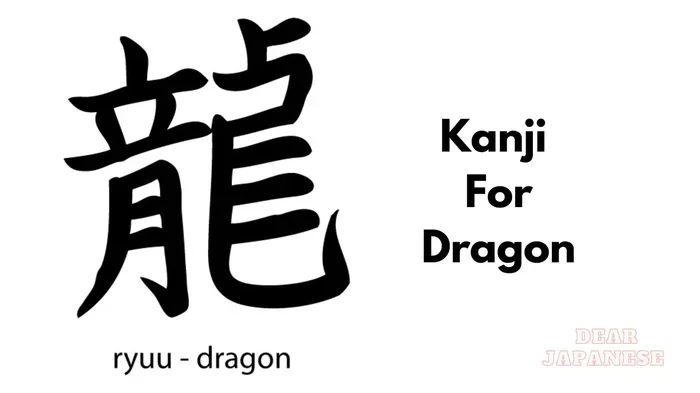
The Japanese word for dragon is ryū, written in kanji as 竜 or 龍. It sounds elegant and powerful, just like the creatures it describes. In this guide, we will walk you through everything you need to know about saying dragon in Japanese. We will cover pronunciation, writing systems, cultural meaning, and how to use these words in real conversations.
By the end of this article, you will not only know how to say dragon in Japanese, but you will also understand why dragons hold such a special place in Japanese mythology and culture. Let us dive in.
Key Takeaways
- Ryū (竜) is the most common word for dragon in Japanese and works in most contexts.
- The kanji 竜 and 龍 both mean dragon, with 龍 being the more traditional and formal version.
- Pronouncing dragon in Japanese is straightforward once you master the “ryū” sound.
- Japanese dragons differ from Western dragons in symbolism, often representing water and wisdom.
- You can use dragon-related words in casual conversation, anime discussions, and even when exploring funny dragon names for pets or characters.
- Understanding dragon in Japanese opens doors to deeper appreciation of Japanese mythology and pop culture.
- When texting about dragons or anime, you may come across abbreviations like wtw meaning in text or ts meaning in text in fan communities.
📑 Table of Contents
- What Is the Word for Dragon in Japanese?
- How to Pronounce Dragon in Japanese
- How to Write Dragon in Japanese
- Japanese Dragons in Mythology and Culture
- Types of Dragons in Japanese Folklore
- How to Use Dragon Words in Everyday Conversation
- Common Mistakes When Saying Dragon in Japanese
- Expert Insights on Dragon in Japanese
- Key Takeaways
- Conclusion
What Is the Word for Dragon in Japanese?
The most common translation of dragon in Japanese is ryū. You will see it written as 竜 in modern kanji. The older, more traditional form is 龍, which you may still see in classical texts, temple names, and formal writing.
Both characters carry the same meaning. However, 竜 feels more contemporary and is used in everyday speech. Meanwhile, 龍 carries a sense of grandeur and tradition. Many people use them interchangeably, but knowing the difference helps you sound more natural.
Another word you might encounter is tatsu. This is the verb form meaning “to be a dragon” or “to transform into a dragon.” It comes from the same root as ryū and appears in compound words and expressions.
Ryū vs. Tatsu: What Is the Difference?
Here is a quick breakdown of how these two words differ:
- Ryū (竜/龍): A noun that means dragon. Use it when talking about the creature itself.
- Tatsu (竜/龍): Can function as a noun or a verb. It appears in names and expressions like “tatsu” in compound words.
For most everyday situations, ryū is all you need. If you are reading manga or watching anime, you will see both forms used frequently.
How to Pronounce Dragon in Japanese
Pronouncing dragon in Japanese is easier than you might expect. The word ryū has two syllables. Let us break it down.
The first part, “ry,” sounds like the “r” in “run” blended with the “y” in “yes.” It is not a hard “r” like in English. Think of it as a soft, light sound. The second part, “ū,” is a long “oo” sound, like the “oo” in “moon.”
Put it together and you get ryū (pronounced roughly like “ryoo”). The macron over the “u” indicates the long vowel sound. Do not rush it. Let that “oo” stretch out a little.
Pronunciation Tips for Beginners
- Practice saying “ry” slowly at first. Blend the “r” and “y” smoothly.
- Hold the “ū” sound for a full beat. Do not cut it short.
- Listen to native speakers on YouTube or language apps. Mimic what you hear.
- Remember that Japanese does not have silent letters. Every syllable gets pronounced.
If you can say the English word “rue” and add a long “oo” at the end, you are very close. Practice a few times out loud and it will start to feel natural.
How to Write Dragon in Japanese
Writing dragon in Japanese involves understanding the kanji characters. There are two primary kanji you should know: 竜 and 龍.
The character 竜 is used in modern Japanese. It has 13 strokes and is the version you will see most often in newspapers, manga, and daily communication. The character 龍 is the traditional form with 16 strokes. It appears in more formal or classical contexts.
Both characters are read as ryū when they stand alone. In compound words, the reading may change slightly depending on context.
Breaking Down the Kanji
Let us look at what these characters actually represent:
- 竜: This kanji combines elements that suggest a scaled, serpentine creature. It is the standard modern character for dragon.
- 龍: This is the ancient form. It includes additional strokes that emphasize the mythical and divine nature of the creature.
If you are learning Japanese, start with 竜. It is simpler and more commonly used. Once you feel comfortable, you can explore 龍 in classical literature or calligraphy.
Dragon in Hiragana and Katakana
In hiragana, dragon is written as りゅう. In katakana, it is リュウ. Both represent the same sound: ryū. Katakana is often used for foreign words, but you will also see hiragana in children’s books and furigana (reading guides) above kanji.
Japanese Dragons in Mythology and Culture
Understanding how to say dragon in Japanese is only part of the story. To truly appreciate the word, you need to understand what dragons mean in Japanese culture.
Unlike Western dragons that are often portrayed as evil and destructive, Japanese dragons are generally seen as wise and benevolent. They are associated with water, rivers, and rainfall. In Japanese mythology, dragons are protectors and bringers of good fortune.
The most famous dragon deity in Japanese folklore is Ryūjin (竜神), the dragon god of the sea. Ryūjin lives in a palace beneath the ocean and controls the tides. Many temples and shrines honor Ryūjin, especially in coastal regions.
How Japanese Dragons Differ from Western Dragons
Here is a quick comparison that helps clarify the difference:
- Japanese dragons are typically wingless, serpentine, and associated with water and weather.
- Western dragons are often depicted with wings, breathing fire, and guarding treasure.
- Japanese dragons symbolize wisdom, power, and protection.
- Western dragons often symbolize danger, greed, and chaos.
This contrast is important because when you say “dragon” in Japanese, the image that comes to mind is very different from what English speakers might imagine. Japanese dragons are more like long, flowing serpents than the fire-breathing beasts of European legend.
Types of Dragons in Japanese Folklore
Japanese folklore includes several types of dragons, each with its own characteristics and symbolism. Knowing these can help you use dragon-related words more confidently in conversation.
Ryū (竜/龍)
This is the standard dragon. It represents power, wisdom, and the forces of nature. You will find ryū in countless stories, artworks, and place names across Japan.
Sui-Ryū (水竜)
Sui-ryū means “water dragon.” This type is specifically tied to bodies of water and rainfall. Farmers in ancient Japan would pray to water dragons for good harvests.
Ka-Ryū (火竜)
Ka-ryū means “fire dragon.” While less common in traditional folklore, this term has gained popularity through anime and modern media. It combines the dragon with the element of fire.
Inryū (隠竜)
Inryū translates to “hidden dragon.” This concept refers to a powerful being that stays out of sight until the right moment. You will find this term in martial arts philosophy and fiction.
Each of these types uses the core word ryū combined with a modifier. This pattern is very common in Japanese and makes it easy to build your vocabulary once you know the base word.
How to Use Dragon Words in Everyday Conversation
Now that you know how to say dragon in Japanese, let us look at how to actually use these words in real-life situations.
Common Phrases and Expressions
- Ryū ga deru (竜が出る): A dragon appears. Use this when describing fantasy scenes or anime moments.
- Ryū no kuni (竜の国): Land of the dragon. This is a poetic way to refer to Japan itself.
- Ryū wo tsugu (竜を継ぐ): To succeed a dragon. Used for someone who carries on a powerful legacy.
Dragon Words in Anime and Pop Culture
If you watch anime, you will hear dragon words constantly. Series like Dragon Ball, Fairy Tail, and Attack on Titan feature dragons or dragon-like creatures. Knowing how to say dragon in Japanese helps you understand dialogue and connect with fellow fans.
When you are chatting with friends about your favorite shows, you might even use text abbreviations. For instance, if someone asks “wtw meaning in text” during a dragon anime discussion, they might be asking what “wtw” stands for while talking about dragon powers. Similarly, “ts meaning in text” could come up in casual fan conversations. These little details make your dragon-related texting feel more natural and native.
Using Dragon Names for Characters and Pets
Many people choose Japanese dragon names for their pets, online characters, or creative projects. Names like Ryūta (a male name combining dragon with a common suffix) or Tatsu are popular choices. If you want more inspiration, you can explore funny dragon names that blend Japanese and English styles for a unique touch.
Common Mistakes When Saying Dragon in Japanese
Even eager learners make mistakes. Here are a few to watch out for.
- Mispronouncing the “ry” sound: Do not say it like “ree” or “rah.” Keep it light and blend the sounds smoothly.
- Using the wrong kanji: Mixing up 竜 and 龍 is not a big deal in casual talk. But in formal writing, 龍 is more appropriate.
- Forgetting the long vowel: Saying “ryu” instead of “ryū” changes the meaning. Always hold that “oo” sound.
- Assuming Western dragon imagery: When you talk about dragons in Japanese, remember they are water creatures, not fire-breathers.
Quick Tips to Avoid Mistakes
- Practice with a language partner or tutor at least once a week.
- Record yourself saying ryū and compare it to native audio.
- Read simple Japanese texts that use the kanji 竜 and 龍 in context.
- Watch anime with Japanese subtitles to hear how native speakers use dragon-related words.
Expert Insights on Dragon in Japanese
Language experts agree that learning words like dragon in Japanese opens up a whole new layer of cultural understanding. The word ryū is not just a translation. It carries centuries of folklore, art, and spiritual significance.
Dr. Yuki Tanaka, a professor of Japanese linguistics, notes that “the concept of ryū in Japanese culture is deeply tied to nature and water. When students learn this word, they are not just learning a vocabulary item. They are connecting with a worldview that has shaped Japanese art, religion, and storytelling for thousands of years.”
This perspective matters because it reminds us that language is never just about words. Every time you say ryū, you are tapping into a rich tradition of storytelling and symbolism.
Key Takeaways
- Ryū (竜/龍) is the primary word for dragon in Japanese, with 竜 being modern and 龍 being traditional.
- Pronounce it as “ryoo” with a long “oo” sound at the end.
- Japanese dragons are water-associated, wise creatures, very different from Western fire-breathing dragons.
- You will find dragon words in compound terms like sui-ryū (water dragon) and ka-ryū (fire dragon).
- Use dragon vocabulary in anime discussions, creative projects, and everyday Japanese conversations to sound more natural.
- Avoid common pronunciation and cultural mistakes by practicing regularly and listening to native speakers.
- Knowing how to say dragon in Japanese gives you a gateway into deeper appreciation of Japanese mythology and language.
Conclusion
Learning how to say dragon in Japanese is a rewarding journey. The word ryū is simple to pronounce, easy to write, and rich with cultural meaning. Whether you are a language learner, an anime fan, or someone who loves mythology, this word belongs in your vocabulary.
Start by practicing the pronunciation. Then explore the kanji. Finally, dive into the stories and cultural context that make the word come alive. With each step, you will sound more like a native speaker and understand the world of Japanese dragons on a deeper level.
So go ahead. Say ryū out loud. Feel the power of the word. And let your love for dragons bridge the gap between languages and cultures.
Frequently Asked Questions
What is the Japanese word for dragon?
The most common word for dragon in Japanese is ryū, written in kanji as 竜 or 龍. You may also hear tatsu, which is related and used in compound words and names.
How do you pronounce ryū correctly?
Say “ry” like a soft blend of “r” and “y,” then stretch the “ū” into a long “oo” sound. It should flow smoothly as one word, similar to saying “ryoo” with emphasis on the long vowel.
What is the difference between 竜 and 龍?
Both characters mean dragon. 竜 is the modern, everyday version with fewer strokes. 龍 is the traditional and formal version with more strokes. Use 竜 in daily conversation and 龍 in classical or ceremonial contexts.
Are Japanese dragons the same as Western dragons?
No. Japanese dragons are typically wingless, serpentine, and connected to water and wisdom. Western dragons are often winged, fire-breathing, and associated with danger. The cultural meanings are quite different.
Can I use dragon words in casual Japanese conversation?
Absolutely. Words like ryū and tatsu are used in everyday speech, especially when talking about anime, mythology, or creative projects. They sound natural and are widely understood.
Where can I find more dragon-related Japanese vocabulary?
You can explore Japanese mythology resources, anime with Japanese subtitles, or language learning platforms. If you are looking for creative dragon names, check out funny dragon names for inspiration that blends Japanese and English styles.