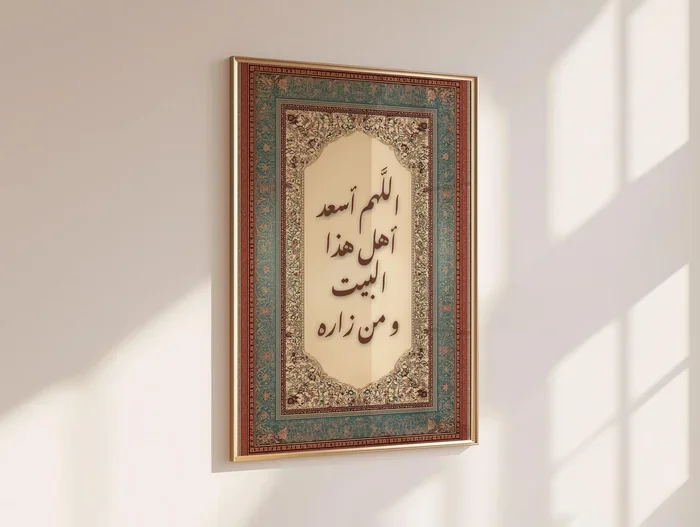

Want to learn how to say god bless you in arabic? This guide covers the most common Arabic blessing phrases, their meanings, and how to use them in daily life. You will find easy pronunciations, cultural tips, and real-life examples to help you sound natural when speaking Arabic. Whether you are traveling or connecting with Muslim friends, these phrases will help you spread warmth and kindness.
Learning how to say god bless you in arabic opens a door to rich cultural and spiritual traditions. Arabic blessing phrases carry deep meaning and warmth in everyday conversations. When you use these words, you connect with people on a level that goes beyond simple small talk.
Whether you are traveling to an Arabic-speaking country or simply want to connect with Muslim friends, knowing the right words matters. People appreciate it when others make the effort to speak their language. Even a simple blessing said with sincerity can brighten someone’s day. This guide walks you through every phrase step by step.
By the end of this article, you will feel confident using arabic blessing phrases in real life. You will know what each phrase means, when to use it, and how to pronounce it correctly. Let us dive in and explore the beauty of arabic religious phrases together.
Key Takeaways
- Barakallah is the most common way to say god bless you in arabic and is widely used across the Muslim world.
- Jazakallah Khair is a beautiful phrase that means “may God reward you with goodness” and is perfect for showing gratitude.
- Allah Yibarik Feek is used to directly bless someone and is very common in daily conversations.
- Pronunciation matters in Arabic, so learning the correct sounds helps you communicate more clearly and respectfully.
- Arabic blessing phrases are not just religious; they are also cultural expressions used in everyday life.
- Knowing how to respond when someone blesses you shows respect and deepens your understanding of Arabic culture.
- These phrases work in both formal and informal settings, making them useful for travelers and language learners alike.
📑 Table of Contents
- What Does “God Bless You” Mean in Arabic?
- Common Arabic Blessings and Their Meanings
- How to Pronounce Arabic Blessing Phrases
- When and How to Use These Blessings in Daily Life
- Arabic Blessings for Different Situations
- Quick Tips for Remembering Arabic Blessing Phrases
- Common Mistakes to Avoid
- Expert Insights on Arabic Blessings
- How to Respond When Someone Blesses You in Arabic
- Final Thoughts on How to Say God Bless You in Arabic
What Does “God Bless You” Mean in Arabic?
The English phrase “god bless you” does not have one single direct translation in Arabic. Instead, Arabic offers several beautiful phrases that carry the same warm meaning. Each phrase has its own unique feel and use case. Understanding these differences helps you choose the right words for the right moment.
The arabic translation of god bless you depends on the situation and your relationship with the person. In Arabic culture, blessings are taken very seriously. They are not just polite words; they carry genuine spiritual weight. When you say a blessing in Arabic, you are asking God to shower someone with mercy and goodness.
These phrases also reflect the deep connection between language and faith in Arabic-speaking communities. Using them correctly shows respect for both the language and the culture. Let us look at the most common ways to express this beautiful sentiment.
The Heart Behind the Words
In Islam, blessings are a form of prayer. When you say how to say bless you in arabic, you are essentially praying for someone else. This act of wishing well for others is a core value in Arabic culture. It reflects generosity, kindness, and spiritual awareness.
The common arabic expressions for blessing someone often include references to Allah or God. This is because faith and daily life are deeply intertwined in Arabic-speaking societies. Understanding this connection helps you use these phrases with the right heart and intention.
Common Arabic Blessings and Their Meanings
Now let us look at the most popular Arabic blessing phrases. Each one has a specific meaning and a best-use scenario. I will break them down so they are easy to remember and use.
Barakallah — The Most Common Blessing
Barakallah (بارك الله) is the go-to phrase for how to say god bless you in arabic. It literally means “May God bless you.” This phrase is short, powerful, and widely understood across the Arabic-speaking world.
You can use Barakallah in almost any situation. When a friend shares good news, say Barakallah. When someone helps you, say Barakallah. It works in both formal and informal settings. The beauty of this phrase is its simplicity and universal appeal.
Here is how you might use it in a sentence:
- “Barakallah feek” — May God bless you (singular, to a male).
- “Barakallah feeki” — May God bless you (singular, to a female).
- “Barakallah fikum” — May God bless you (plural or formal).
These variations show respect for gender and formality. Using the correct form makes your words feel more personal and thoughtful.
Jazakallah Khair — A Thankful Blessing
Jazakallah Khair (جزاك الله خير) means “May God reward you with goodness.” This phrase is perfect when someone does something kind for you. It combines gratitude with a spiritual blessing.
Many people use Jazakallah Khair as a way of saying “thank you” in a more meaningful way. It shows that you do not just appreciate the action but also pray for the person’s well-being. This makes it one of the most heartfelt arabic prayer phrases you can learn.
Here are some examples:
- Someone holds the door for you: “Jazakallah khair!”
- A friend helps you move houses: “Jazakallah khair, may Allah reward you.”
- A coworker covers your shift: “Jazakallah khair for your kindness.”
The response to Jazakallah Khair is “Wa iyyakum” (وإياكم), which means “And to you too.” This creates a beautiful exchange of goodwill.
Allah Yibarik Feek — Blessing Someone Directly
Allah Yibarik Feek (الله يبارك فيك) is another powerful way to say god bless you in arabic. It translates to “May God bless you” and is very common in daily conversations.
This phrase carries a slightly more personal tone than Barakallah. People often use it when speaking directly to someone they care about. It works well in family settings, among close friends, and even in professional environments.
Here is how the variations look:
- “Allah yibarik feek” — for a male.
- “Allah yibarik feeki” — for a female.
- “Allah yibarik fikum” — for a group or formal setting.
Many native speakers use Barakallah and Allah Yibarik Feek interchangeably. Both are correct and widely accepted. The key is sincerity in your delivery.
Other Beautiful Arabic Blessing Phrases
Beyond the three main phrases, there are many other arabic words for blessing that you can add to your vocabulary. Here are a few more gems:
- “Ameen” — This is the Arabic word for “Amen.” You can say it after someone blesses you.
- “Ma sha’ Allah” — Meaning “What God wills.” This is not a blessing itself but often accompanies blessings.
- “Sabran jamilan” — Meaning “Beautiful patience.” A blessing for those going through hard times.
- “Rizqun barak” — Meaning “Blessed provision.” A great wish for someone’s success and sustenance.
These additional phrases give you more tools to express your well-wishes. They show that you understand the depth of blessings in arabic culture.
How to Pronounce Arabic Blessing Phrases
Pronunciation is key when learning any new language. Arabic has sounds that do not exist in English, so getting them right takes practice. The good news is that most Arabic blessing phrases are easy to pronounce once you know the basics.
Breaking Down the Sounds
Let us look at the sounds that often challenge English speakers:
- The “B” sound in Barakallah — This is a regular B sound, like in “ball.”
- The “KH” sound in Khair — This comes from the back of your throat, like clearing your throat gently.
- The “AA” sound in Allah — Hold the “A” sound longer than you would in English.
- The “EE” sound in feek — Like the “ee” in “see.”
Listening to native speakers is one of the best ways to improve your pronunciation. You can find many free audio clips online. Repeat after them slowly at first, then gradually speed up.
Tips for Non-Arabic Speakers
Here are some quick tips to help you sound more natural when you how to pronounce arabic blessings:
- Practice each phrase slowly before trying to say it at normal speed.
- Record yourself and compare with native speakers.
- Focus on the rhythm and flow of the phrase, not just individual sounds.
- Do not worry about making mistakes — effort is always appreciated.
- Use the transliteration of arabic phrases as a guide, but try to move away from it over time.
Remember, the goal is clear communication, not perfection. People will appreciate your effort no matter how you sound. The sincerity behind your words matters most.
When and How to Use These Blessings in Daily Life
Knowing the phrases is only half the battle. Using them at the right time makes all the difference. Arabic blessings fit naturally into many parts of daily life. Let us explore the best situations to use them.
Everyday Moments That Call for a Blessing
You can use arabic blessing phrases in many routine situations. Here are some common ones:
- When someone sneezes — a global tradition, and in Arabic you can say “Alhamdulillah” followed by a blessing.
- When a friend shares good news — a quick “Barakallah” shows you are happy for them.
- When someone helps you — “Jazakallah Khair” is the perfect response.
- Before someone starts a new job or project — “Allah Yibarik Feek” brings good wishes.
- When greeting someone in the morning — “Sabah al-khayr, barakallah” sets a positive tone.
These moments may seem small, but they matter a lot in Arabic culture. Using blessings in these contexts shows that you understand and respect local customs.
The Role of Blessings in Arabic Greetings
Arabic greetings often include blessings. When you say “as-salamu alaykum” (peace be upon you), the response is “wa alaykum as-salam” (and peace be upon you too). Adding a blessing to this exchange makes it even more meaningful.
The arabic language basics of greeting and blessing are closely linked. They both serve to show care, respect, and goodwill toward others. This is why learning blessings is such a valuable part of learning Arabic.
Arabic Blessings for Different Situations
Different moments call for different types of blessings. Let us look at some specific scenarios where islamic blessings and Arabic phrases shine.
Blessings for Health and Recovery
When someone is sick or recovering, your words of blessing carry extra weight. Here are some phrases to use:
- “Allah yashfik” — May God heal you.
- “Shifa’ Allah yashfeek” — May God grant you healing.
- “Ameen ya Rabb” — Amen, O Lord — a powerful prayer for recovery.
These phrases show deep empathy and care. They let the person know you are thinking of them and praying for their well-being.
Blessings for Success and Prosperity
Want to wish someone well for a new venture or challenge? Try these:
- “Allah yufaqqihik” — May God grant you understanding.
- “Tawfiq Allah yisallam” — May God grant you success.
- “Rizqun barak lakum” — May you have blessed provision.
Using these phrases shows that you want the best for the other person. It is a beautiful way to support someone from the heart.
Blessings for New Beginnings
New beginnings deserve special blessings. Whether it is a wedding, a new home, or a new chapter in life, these phrases work perfectly:
- “Barakallah lizawjik/ik” — May God bless your marriage.
- “Allah yubarik lakum fi baytik” — May God bless your home.
- “Taqabbal Allahu minna wa minkum” — May Allah accept from us and from you (common during Ramadan and celebrations).
Each of these phrases carries a deep sense of warmth and goodwill. They make any occasion feel more special and meaningful.
Quick Tips for Remembering Arabic Blessing Phrases
Learning new phrases can feel overwhelming at first. But with the right approach, you can remember them easily. Here are some tips that actually work:
- Start with just three phrases: Barakallah, Jazakallah Khair, and Allah Yibarik Feek. Master these first before adding more.
- Use flashcards: Write the Arabic on one side and the meaning on the other. Review them daily.
- Listen and repeat: Find audio clips online and mimic the pronunciation. Repetition builds memory.
- Practice with a partner: Say the phrases out loud to a friend or language exchange partner.
- Use them daily: The more you use these phrases, the more natural they become. Try to use at least one blessing phrase every day.
- Watch Arabic content: Movies, shows, and videos expose you to how native speakers use these phrases in real conversations.
When you are texting these blessings to friends, you may also come across other common abbreviations in digital conversations. Many people search for what wtw means in text or what ts meaning in text when chatting with friends online. Understanding these shortcuts helps you keep up with fast conversations across different platforms.
The key is consistency. Even five minutes of practice a day can make a huge difference over time. Do not rush the process. Enjoy each small win as you build your vocabulary.
Common Mistakes to Avoid
Even with the best intentions, learners can make mistakes when using arabic cultural expressions. Here are some common pitfalls to watch out for:
- Using the wrong gender form: Arabic phrases change based on whether you are speaking to a male or female. Pay attention to this detail.
- Mispronouncing key sounds: The “KH” and “AA” sounds are unique to Arabic. Practice them until they feel natural.
- Using blessings out of context: Some phrases are more appropriate for certain situations than others. Choose wisely.
- Forgetting to respond: When someone blesses you, always respond. A simple “Ameen” or “Wa iyyakum” goes a long way.
- Overcomplicating things: You do not need to master every phrase at once. Start simple and build from there.
Avoiding these mistakes will help you use Arabic blessings with confidence and respect. Remember, the goal is connection, not perfection.
Expert Insights on Arabic Blessings
Language experts and cultural scholars agree that arabic phrases for daily use like blessings are among the most impactful words you can learn. They are not just vocabulary; they are tools for building relationships and showing empathy.
According to arabic language basics experts, the emotional weight of a blessing in Arabic comes from the belief that your words carry spiritual power. When you say “Barakallah,” you are genuinely invoking divine goodness upon someone. This is why these phrases feel so powerful and heartfelt.
Many muslim blessings have been passed down through generations. They carry the wisdom and warmth of centuries of cultural tradition. Learning them connects you to something much larger than just language.
Experts also recommend learning the how to respond to blessings in arabic just as much as the blessings themselves. A good response shows that you are engaged and respectful. Simple responses like “Ameen,” “Wa iyyakum,” or “Jazakallah” work perfectly in most situations.
How to Respond When Someone Blesses You in Arabic
Knowing how to respond is just as important as knowing how to give a blessing. Here are the most common and appropriate responses:
- “Ameen” — Meaning “Amen.” This is the most universal response to any blessing.
- “Wa iyyakum” — Meaning “And to you too.” A warm and common reply.
- “Barakallah fikum” — Returning the blessing to the other person.
- “Allah yibarik lakum” — May God bless you too. A beautiful way to close the exchange.
Using these responses shows that you understand the cultural importance of exchanging blessings. It creates a cycle of goodwill that strengthens relationships and builds trust.
The act of blessing and responding is a small but meaningful ritual in Arabic culture. It reminds us that we are all connected and that wishing well for others is one of the simplest yet most powerful things we can do.
Final Thoughts on How to Say God Bless You in Arabic
Learning how to say god bless you in arabic is more than just memorizing phrases. It is about understanding a culture that values kindness, faith, and community. Each blessing phrase carries a piece of that wisdom with it.
Start with the basics — Barakallah, Jazakallah Khair, and Allah Yibarik Feek. Practice their pronunciations. Use them in real conversations. Over time, these words will become a natural part of how you communicate.
The beauty of arabic blessing phrases is that they work in any situation. Whether you are at a family gathering, a business meeting, or a casual chat with a friend, these words add warmth and sincerity to your interactions. They show that you care, and that is what truly matters.
So go ahead and start using these blessings today. Share them with friends, family, and anyone you meet along the way. You will be amazed at how these simple words can brighten someone’s day and deepen your connections with others. The world needs more blessings, and now you have the tools to share them in Arabic.
Frequently Asked Questions
What is the simplest way to say god bless you in arabic?
The simplest and most widely used phrase is Barakallah (بارك الله), which means “May God bless you.” It works in almost any situation and is understood across all Arabic-speaking countries. You can add “feek” for a male, “feeki” for a female, or “fikum” for a group.
How do you respond when someone says Barakallah to you?
The most common response is “Ameen”, which means “Amen.” You can also say “Wa iyyakum” (and to you too) or “Barakallah fikum” to return the blessing. Any of these responses shows appreciation and respect.
Is there a difference between Barakallah and Allah Yibarik Feek?
Both phrases mean “May God bless you” and are used interchangeably by most native speakers. Barakallah is shorter and more casual, while Allah Yibarik Feek sounds slightly more formal and personal. Choose whichever feels natural for the situation.
Can non-Muslims use Arabic blessing phrases?
Absolutely. These phrases are part of Arabic culture and language, not just religious practice. Non-Muslims who use them show respect and appreciation for the culture. Most Arabic speakers will warmly welcome your effort to use their language.
How can I practice pronouncing Arabic blessing phrases correctly?
Start by listening to native speakers online through videos or audio clips. Repeat each phrase slowly and focus on the unique sounds like the “KH” and long “AA.” Recording yourself and comparing with native speakers is one of the fastest ways to improve your pronunciation of arabic prayer phrases.
What are some other common arabic greetings I should learn alongside blessings?
Start with “As-salamu alaykum” (peace be upon you) and its response “Wa alaykum as-salam”. Also learn “Sabah al-khayr” (good morning) and “Masaa al-khayr” (good evening). Adding blessings like “Barakallah” to these greetings makes your interactions feel more natural and culturally aware.
=== CONCLUSION ===
Learning how to say god bless you in arabic is a rewarding journey that connects you to a rich tradition of faith, kindness, and community. The phrases we covered — Barakallah, Jazakallah Khair, Allah Yibarik Feek, and many more — give you powerful tools to spread goodwill in Arabic-speaking environments.
Remember, the magic of these arabic blessing phrases lies not in perfect pronunciation but in sincere intention. When you say these words from the heart, people feel the warmth behind them. That is the true power of blessings in arabic culture.
Start small, practice daily, and do not be afraid to make mistakes. Every time you use these phrases, you grow more comfortable and more connected to the Arabic-speaking world. Share these blessings generously, and you will find that they come back to you tenfold. Now go out and spread some arabic blessings today!



