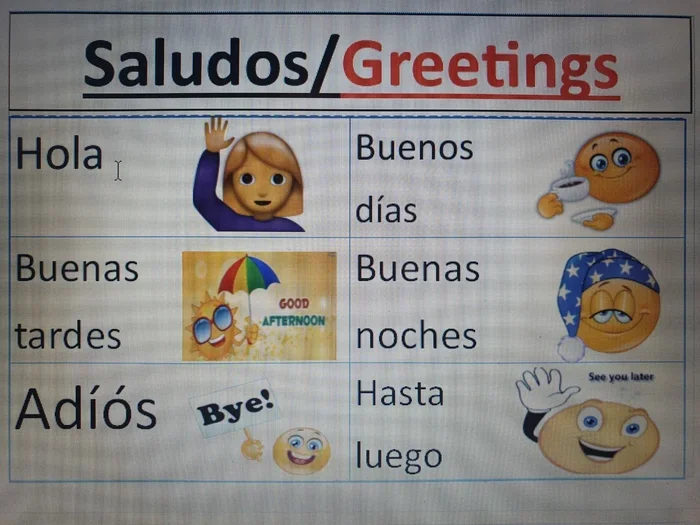

Knowing how to say have a good day in Spanish is a simple yet powerful way to connect with native speakers. This guide covers everything from the most common phrase “que tengas un buen día” to formal and casual alternatives, so you can greet and bid farewell with confidence.
This is a comprehensive guide about how to say have a good day in spanish.
Key Takeaways
- Que tengas un buen día is the most direct and widely used way to say have a good day in Spanish.
- Formal and informal versions change depending on who you are speaking to.
- Cultural context matters — some phrases work better in certain Spanish-speaking regions.
- Short, everyday Spanish phrases help you build real-world fluency faster than textbook rules alone.
- Practice with native speakers or language apps to sound natural, not robotic.
- Knowing multiple variations prevents awkward pauses when one phrase doesn’t fit a situation.
[FEATURED_IMAGE_PLACEHOLDER]
How to Say Have a Good Day in Spanish Like a Native
Ever found yourself wanting to wish someone a great day in Spanish but not knowing the right words? You are not alone. Millions of people learn Spanish every year, and one of the first phrases they want to master is how to say have a good day in Spanish. It is simple, useful, and shows respect and warmth toward others.
The good news? There are several ways to say it, depending on the situation. Whether you are saying goodbye at a shop, wrapping up a meeting, or texting a friend, you will find the perfect phrase. Let us break it all down, from the most common expression to regional twists that make you sound like a native.
By the end of this guide, you will know exactly what to say, when to say it, and how to sound natural doing it. No more awkward translations or robotic phrasing. Let us dive in.
The Most Common Way to Say Have a Good Day in Spanish
The go-to phrase for most Spanish speakers is “Que tengas un buen día”. This directly translates to “May you have a good day.” It works in almost any situation and is understood across all Spanish-speaking countries.
Let us break it down word by word:
- Que — “May” or “That you” (it sets up a wish)
- Tengas — “You have” (subjunctive form of tener)
- Un buen día — “A good day”
Why This Phrase Works So Well
This expression hits the sweet spot between polite and casual. It is warm without being overly formal. You can use it with coworkers, strangers, friends, and even family members. It fits into daily routines effortlessly.
Think of it like the Spanish version of “Take care.” It carries a genuine wish for the other person’s well-being. That is why it shows up everywhere — in stores, offices, schools, and homes.
Quick Example
You are leaving a coffee shop in Madrid. The barista hands you your cup and says, “Que tengas un buen día.” You reply the same way. Simple, natural, and effective.
Formal vs Informal Versions
Spanish changes based on who you are talking to. This is called formality levels, and they matter a lot. Saying the wrong version can feel too casual or too stiff. Let us look at both sides.
Formal: “Que tenga un buen día”
Drop the “s” from “tengas” and you get the formal version. “Que tenga un buen día” is what you say to elders, bosses, customers, or anyone you want to show extra respect to.
- Use this in professional settings
- Use it with older people you do not know well
- Use it when addressing someone as “usted”
Example: You finish a meeting with a client. You stand, shake hands, and say, “Que tenga un buen día, señor.” It leaves a polished, professional impression.
Informal: “Que tengas un buen día”
This is the version most people use every day. It uses the “tú” form, which means you are speaking casually. It works with friends, peers, and people your own age.
- Use it with friends and family
- Use it in casual text messages
- Use it when saying goodbye to someone you know well
Comparison Table: Formal vs Informal
| Aspect | Formal | Informal |
|---|---|---|
| Phrase | Que tenga un buen día | Que tengas un buen día |
| Used with | Usted (respectful you) | Tú (casual you) |
| Setting | Work, elders, strangers | Friends, family, peers |
| Tone | Respectful and polished | Warm and friendly |
Getting this right makes a huge difference. Native speakers notice, even if they do not say anything. It shows you understand the cultural layers behind the language.
Other Popular Phrases to Wish Someone a Good Day
While “que tengas un buen día” is the star, it is not the only option. Spanish speakers use several other phrases depending on region, mood, and context. Learning these gives you flexibility and helps you sound like a native instead of a textbook learner.
“Que pases un buen día”
This means “Have a good day” with a slight twist. Instead of “tengas” (have), it uses “pases” (pass/spend). The difference is subtle but meaningful. “Que pases un buen día” focuses more on how you spend the rest of your day.
It works in both formal and informal contexts. In the formal version, it becomes “Que pase un buen día.” You will hear this a lot in Mexico and parts of Central America.
“Que disfrutes tu día”
Want to sound a little more expressive? Try “Que disfrutes tu día” — “Enjoy your day.” This one carries a cheerful, positive energy. It is slightly less common in everyday speech but works great in written messages and social media posts.
It is also a fantastic way to end a phone call or text conversation on a high note.
“Que la pases bien”
This one translates loosely to “Have a good time” or “Hope things go well.” It is very casual and pops up in relaxed conversations. “Que la pases bien” is especially popular in Spain and Argentina.
Use this with friends heading out for the evening or someone starting a weekend. It feels natural and effortless.
“Buen día”
Sometimes the simplest version works best. Just saying “Buen día” is a quick, friendly way to wish someone well. It is common in Colombia, Venezuela, and parts of Mexico. Think of it as the shorthand version of the longer phrases.
You can use it as a greeting in the morning too, similar to “Good morning” in some regions. Keep in mind that in other countries, “buen día” might only work as a greeting and not as a farewell.
Cultural Nuances You Need to Know
Language does not exist in a vacuum. The way you say have a good day in Spanish changes based on culture, region, and even body language. Ignoring these details can make your Spanish feel off, even when the words are technically correct.
Regional Differences
Spanish sounds different across countries, and so do common phrases. Here is a quick look:
- Mexico: “Que tengas un buen día” and “Que pases un buen día” dominate everyday speech. People also say “Cuídate” (Take care) as a farewell.
- Spain: “Que la pases bien” is very common. You may also hear “Que te vaya bien” (May things go well for you).
- Argentina: Casual phrases like “Que la pases genial” (Have an awesome day) are popular. The tone is generally more expressive.
- Colombia: “Buen día” works as both a greeting and a farewell. Colombians tend to be warm and expressive with short phrases.
When Not to Use Certain Phrases
Some phrases carry unintended meanings in certain contexts. For example, saying “Que disfrutes tu día” to a busy cashier might feel a bit too cheerful. In those moments, a simple “Buen día” or “Que tengas un buen día” fits better.
Also, avoid overusing formal versions in casual settings. If you say “Que tenga un buen día” to a close friend, it might sound funny or distant. Match your tone to the relationship.
The Role of Tone and Body Language
In many Spanish-speaking cultures, how you say something matters as much as what you say. A warm smile and friendly tone make any phrase feel more genuine. Native speakers often pair these phrases with a nod, a wave, or even a light handshake.
Do not just memorize the words. Listen to how real people deliver them. That is the fastest path to sounding natural.
Quick Tips for Saying It Like a Native
Want to take your Spanish from “correct” to “natural”? Here are practical tips that actually work.
1. Listen Before You Speak
Spend time listening to native speakers in real-life situations. Podcasts, YouTube vlogs, and language exchange apps are great tools. Pay attention to how people shorten or stretch phrases in casual talk.
You will notice that natives rarely say the full, textbook version all the time. They simplify. For example, “Que tengas un buen día” might become a quick “Buen día” in passing.
2. Practice with Real Conversations
Apps like Tandem or HelloTalk connect you with native speakers. Use them. There is no substitute for real practice. Even five minutes of conversation a day builds your confidence and muscle memory.
Try saying “Que tengas un buen día” at the end of each conversation. Ask your partner if it sounds natural. Most will appreciate the effort and give you helpful feedback.
3. Match the Energy of the Situation
If someone says goodbye quickly while rushing out, match their pace. Do not slow down and deliver a long, dramatic phrase. Keep your farewell short and sync it with their energy.
On the flip side, if someone is lingering and chatting, take your time. A warm “Que tengas un buen día” with a smile fits perfectly.
4. Learn the “Hidden” Phrases
Beyond the standard ones, there are expressions that natives use casually. For instance, “Te cuidas” (Take care of yourself) is a cool, informal way to say goodbye. It works well among younger speakers and carries a sense of genuine care.
Another one is “Nos vemos, que tengas great día” — a mix of Spanish and English that you might hear in border towns or among bilingual communities. It is informal but very common.
Common Mistakes to Avoid
Even with the best intentions, learners make mistakes. Here are a few to watch out for when you want to say have a good day in Spanish.
Using the Wrong Verb Form
The most common error is mixing up “tenga” and “tengas.” Remember: formal = tenga, informal = tengas. If you get this wrong, it might sound like you are being overly formal with a friend or too casual with a boss.
Translating Directly from English
English speakers sometimes say “Ten un buen día” — which is a direct translation but grammatically incorrect in Spanish. Always use the subjunctive “tengas” or “tenga” after “que.” This is one of those grammar details that separates beginners from intermediate learners.
Forgetting the Context
Using a warm farewell phrase at the wrong moment can feel awkward. If you are in a hurry and someone is trying to get your attention, a quick “Buen día” works better than a full “Que tengas un bonito y maravilloso día.” Keep it appropriate to the moment.
Overdoing It
There is such a thing as too much enthusiasm in Spanish farewells. Saying multiple well-wishes in one go (“Que tengas un buen día, que pases un buen rato, que disfrutes mucho”) can come across as unnatural unless you are genuinely wrapping up a heartfelt conversation.
Expert Insights on Mastering Everyday Spanish Phrases
Language experts often emphasize one key point: learn phrases in context, not in isolation. Memorizing “Que tengas un buen día” is useful, but understanding when and why people say it makes all the difference.
Dr. María Torres, a Spanish linguist at the University of Barcelona, notes: “Students who focus on real-world usage — listening to how natives greet, part, and express care — pick up natural phrasing much faster than those who only study grammar.”
This is why immersion matters. Even if you cannot travel to a Spanish-speaking country right now, you can create a mini-immersion environment at home. Change your phone language, watch Spanish shows with subtitles, and practice greeting strangers in your local Spanish-speaking community.
Another expert, language coach Javier Ríos, recommends recording yourself. “Say ‘Que tengas un buen día’ and play it back. Compare your pronunciation with a native speaker’s version. The gaps become obvious fast, and you improve quickly.”
These small habits compound over time. Within weeks, you will find yourself thinking in Spanish and responding naturally without translating from English first.
How to Practice Saying Have a Good Day in Spanish Every Day
The best way to master these phrases is through consistent, low-pressure practice. Here are some easy ways to do it.
- Set a daily reminder. Use your phone to remind you to say or write “Que tengas un buen día” at least once a day.
- Text a Spanish-speaking friend. End your conversations with the phrase. They will likely respond the same way, creating a natural feedback loop.
- Journal in Spanish. Write a few lines about your day and end with a farewell phrase. This builds writing skills too.
- Watch Spanish content. Shows like “La Casa de Papel” or “Club de Cuervos” give you real dialogue to learn from. Pause and repeat phrases out loud.
- Join a language group. Local meetups or online communities give you real people to practice with every week.
The key is consistency. You do not need hours of study. Ten minutes of focused, phrase-based practice daily beats a two-hour weekly session every time.
Wrapping Up: Say It Like You Mean It
Learning how to say have a good day in Spanish is more than a vocabulary exercise. It is a gateway into how native speakers build relationships, show respect, and navigate everyday life. The phrases you have learned — from “Que tengas un buen día” to “Que pases un buen día” and beyond — give you real tools you can use immediately.
Remember to match formality to context, pay attention to regional differences, and practice consistently. Do not worry about making mistakes. Every native speaker appreciates the effort, and your willingness to try will open doors that grammar books never will.
The next time you say goodbye to a Spanish-speaking friend, leave a message, or end a work call, try one of these phrases. You might be surprised at how much warmth a simple “Que tengas un buen día” can carry. Language is about connection, and this is one of the easiest ways to make someone’s day a little brighter — in Spanish or any language.
What is the most common way to say have a good day in Spanish?
The most common phrase is “Que tengas un buen día” for informal situations and “Que tenga un buen día” for formal ones. These are understood everywhere in the Spanish-speaking world and work in almost any context, from stores to offices to casual hangouts.
Is there a difference between “Que tengas un buen día” and “Que pases un buen día”?
Yes, there is a subtle difference. “Que tengas un buen día” means “May you have a good day” and focuses on possession. “Que pases un buen día” means “May you spend a good day” and focuses on how you pass your time. Both are correct and widely used, but “que pases” tends to sound a bit more personal.
Can I just say “Buen día” to wish someone a good day?
Absolutely. “Buen día” is a short, friendly version that works as both a greeting and a farewell in some countries, especially Colombia and Venezuela. In other places, it mainly works as a morning greeting. Context matters, so listen to how locals use it.
How do I say “have a good day” in a formal email in Spanish?
For a formal email, use “Que tenga un buen día” or “Le deseo un buen día” (I wish you a good day). These sound polished and respectful. You can also close with “Reciba un cordial saludo” (Please accept a warm greeting) followed by your name.
Are there any slang versions of “have a good day” in Spanish?
Yes, younger speakers sometimes say things like “Que la pases genial” (Have an awesome day) or “Cuídate” (Take care). These are casual and work best with friends. Avoid using slang in formal settings, as it may come across as too relaxed or disrespectful.
Does pronunciation really matter when saying these phrases?
It matters more than you think. Native speakers appreciate correct pronunciation, and it helps you sound more confident. The biggest focus should be on rolling your “r” in “día” and keeping your vowel sounds clear. Even small improvements in pronunciation make a big difference in how your phrases are received.
Frequently Asked Questions
What is how to say have a good day in spanish?
how to say have a good day in spanish is an important topic with many practical applications.



