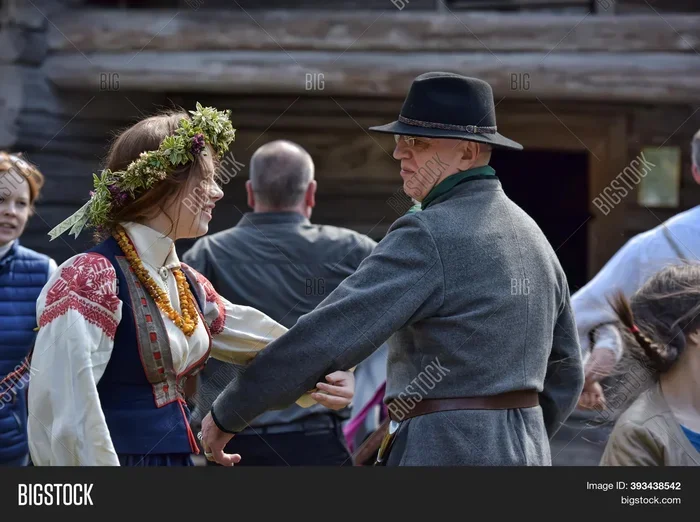

Learning how to say hello in Latvian is the perfect first step toward connecting with Latvian speakers and exploring Baltic culture. This friendly guide covers everything from basic greetings like “Sveiki” to informal phrases you can use in casual conversations. You will also discover pronunciation tips, cultural etiquette, and common mistakes to avoid when greeting people in Latvia.
Key Takeaways
- Sveiki is the standard way to say hello in Latvian and works in most situations.
- Latvian has both formal and informal greetings depending on who you are speaking to.
- Pronunciation is straightforward once you learn a few basic vowel and consonant sounds.
- Understanding Latvian greeting customs shows respect and helps you build genuine connections.
- Common mistakes like using the wrong formality level can feel awkward in conversations.
- Practice with real examples and audio resources to improve your spoken Latvian quickly.
📑 Table of Contents
- How to Say Hello in Latvian: A Friendly Beginner Guide
- The Most Common Ways to Say Hello in Latvian
- Formal vs Informal Greetings in Latvian
- Pronunciation Guide for Latvian Greetings
- Latvian Greeting Customs and Etiquette
- Common Mistakes to Avoid When Greeting in Latvian
- Putting It All Together: Real-Life Greeting Scenarios
- Expanding Your Latvian Greeting Vocabulary
- Final Thoughts on Saying Hello in Latvian
How to Say Hello in Latvian: A Friendly Beginner Guide
If you are planning a trip to Latvia or just want to impress a Latvian friend, learning how to say hello in Latvian is a great place to start. Greetings are the foundation of every conversation. They set the tone for how people perceive you. In Latvian culture, a proper greeting shows respect and warmth.
The Latvian language belongs to the Baltic language family. It might look unfamiliar at first glance. But the good news is that saying hello is simple. You do not need years of study to make a great first impression. This guide will walk you through every greeting you need. You will learn the right words, the correct pronunciation, and the cultural context behind them.
Whether you are saying hello to a stranger on the street or greeting a new colleague, this guide has you covered. Let us dive into the world of Latvian greetings and give you the confidence to start conversations the right way.
The Most Common Ways to Say Hello in Latvian
Latvian has several ways to greet someone. The right choice depends on the time of day, the setting, and who you are talking to. Here are the most common phrases you will hear and use every day.
Sveiki – The Universal Hello
Sveiki (pronounced SVAY-kee) is the standard way to say hello in Latvian. You can use it in almost any situation. It works for formal settings, casual meetups, and even phone calls. Think of it as the equivalent of “hello” in English. If you only learn one Latvian greeting, make it this one.
Sveiki is appropriate for strangers, older people, and professional environments. It carries a friendly but respectful tone. Most Latvians will appreciate the effort even if your pronunciation is not perfect.
Sveiken! – A Warm Hello to One Person
When greeting a single person, you might hear or use Sveiken (pronounced SVAY-kehn). This is the singular form of Sveiki. It works well in one-on-one conversations. Use it when meeting a friend, a neighbor, or someone new.
The difference between Sveiki and Sveiken is subtle but important. Sveiki is more general. Sveiken feels a bit more personal. Both are widely understood and accepted across Latvia.
Priekš – A Casual Way to Say Hi
If you want something more casual, try Priekš (pronounced PREESH). This is an informal greeting similar to “hi” or “hey” in English. Use it with friends, peers, and people your age. It would feel too casual in a business meeting or with someone older.
Priekš is popular among younger Latvians. You might hear it in cafes, on campus, or among friends. It keeps things light and friendly.
Formal vs Informal Greetings in Latvian
Like many European languages, Latvian has different levels of formality. Understanding when to use each one is key to sounding natural and respectful.
Formal Greetings
Formal greetings are essential in professional settings, with elders, and in official situations. Here are the phrases to use:
- Sveiki – The go-to formal greeting for almost any situation.
- Labdien (pronounced LAB-deen) – This means “good day.” It is polite and professional. Use it during daytime hours.
- Labrīt (pronounced LAB-reet) – Use this to say “good morning.” It is warm and appropriate before noon.
- Labvakar (pronounced LAB-vah-kar) – This means “good evening.” Use it after sunset or in the early night.
When using formal greetings, maintain a polite tone. A slight nod or handshake is common in Latvia. These small gestures go a long way in showing respect.
Informal Greetings
Informal greetings are for casual settings with friends, family, and peers. Here is what to use:
- Priekš – A friendly “hi” or “hey.”
- Čū (pronounced CHOO) – This is a very informal and youthful greeting. Think of it like “yo” in English. Use it only with close friends.
- Sveiki – Yes, even Sveiki can work informally! Context and tone make the difference.
The key to choosing the right level is to read the situation. When in doubt, start with a formal greeting. Latvians will usually let you know if a more casual tone is welcome.
Pronunciation Guide for Latvian Greetings
Pronouncing Latvian greetings correctly can boost your confidence quickly. The Latvian alphabet uses the Latin script, which makes it familiar to English speakers. However, a few sounds might be new to you.
Vowel Sounds
Latvian vowels are pronounced clearly and consistently. Unlike English, there are no silent vowels. Here is a quick guide:
- i sounds like the “i” in “sit.”
- e sounds like the “e” in “bed.”
- a sounds like the “a” in “father.”
- u sounds like the “oo” in “food.”
Consonant Sounds
A few consonants in Latvian have a unique twist:
- v is pronounced like a soft “w” in some words.
- š sounds like the “sh” in “shoe.”
- č sounds like the “ch” in “church.”
- ķ sounds like a soft “k” at the back of the throat.
These sounds might feel unusual at first. But with a little practice, they will become second nature. Listening to native speakers is one of the best ways to improve. Try watching Latvian videos or using language apps to train your ear.
Quick Tips for Better Pronunciation
- Break words into syllables and pronounce each one clearly.
- Stress usually falls on the first syllable in Latvian words.
- Do not rush. Take your time to get each sound right.
- Practice saying greetings out loud every day.
- Record yourself and compare with native audio.
Latvian Greeting Customs and Etiquette
Knowing the right words is only half the battle. Understanding the cultural context makes your greetings feel even more authentic. Latvians value politeness, sincerity, and a certain level of reserve in initial interactions.
Handshake and Eye Contact
A firm but gentle handshake is the standard greeting in Latvia. Maintain eye contact during the handshake. This shows confidence and respect. With close friends and family, a light hug or a pat on the back is common.
Addressing People Properly
When meeting someone for the first time, use their title and last name. For example, “Kungs” means “Mr.” and “Kundze” means “Ms.” or “Mrs.” Wait for the other person to suggest using first names before switching to informal address.
Smiling and Body Language
Latvians tend to be more reserved in public spaces. A polite smile is appreciated, but overly enthusiastic greetings might feel a bit much. Keep your body language calm and respectful. This aligns with the general Latvian approach to social interactions.
Seasonal Greetings
Latvians also use seasonal greetings that reflect their rich cultural traditions. During Christmas, you might hear “Priecīgus Ziemassvētkus” which means “Merry Christmas.” In summer, a simple “Jaukas vasaras!” (Happy summer!) can bring a smile to someone’s face. These small touches show genuine interest in Latvian culture.
Common Mistakes to Avoid When Greeting in Latvian
Even the most enthusiastic learners make mistakes. Here are the most common ones and how to avoid them.
Using the Wrong Level of Formality
One of the biggest mistakes is using an informal greeting in a formal setting. Saying “Čū” to a professor or a business partner would feel disrespectful. Always start formal and let the other person guide the tone.
Mispronouncing Key Words
Latvian has some sounds that do not exist in English. For example, the rolled “r” and the soft “v” can be tricky. Mispronouncing a greeting might cause confusion, but Latvians are generally very forgiving with learners. They will appreciate your effort regardless.
Ignoring the Time of Day
Using “Labrīt” in the evening or “Labvakar” in the morning might seem like a small error. But it shows a lack of attention to detail. Try to match your greeting to the time of day. This small habit shows cultural awareness.
Overcomplicating Things
You do not need to memorize dozens of greetings. Start with Sveiki and Labdien. These two phrases will serve you well in most situations. Add more as you grow more comfortable.
Putting It All Together: Real-Life Greeting Scenarios
Theoretical knowledge is helpful, but real-life practice is where you truly improve. Here are a few scenarios to help you apply what you have learned.
Scenario 1: Meeting a Latvian Colleague for the First Time
You walk into the office and meet your new colleague. You extend your hand, make eye contact, and say “Sveiki, es esmu [Your Name].” This means “Hello, I am [Your Name].” Your colleague responds with a smile and a handshake. This simple exchange sets a professional and respectful tone for your working relationship.
Scenario 2: Greeting a Friend at a Café
You run into a friend at a local café in Riga. You wave and say “Priekš! Kā klājas?” This means “Hey! How are you?” Your friend responds casually, and you both settle in for a friendly chat. The informal greeting keeps the mood light and relaxed.
Scenario 3: Saying Good Morning to a Neighbor
You bump into your neighbor early in the morning. A simple “Labrīt!” with a friendly nod is all you need. This short and polite greeting is a staple of daily life in Latvia. It shows that you are a considerate neighbor.
Expanding Your Latvian Greeting Vocabulary
Once you feel comfortable with the basics, you can expand your greeting vocabulary. Here are a few more phrases that will make your conversations smoother.
- “Kā iet?” (KAH ee-et) – “How is it going?” A casual follow-up after saying hello.
- “Kā tev klājas?” (KAH tehv KLAH-yahs) – “How are you?” A warm and personal question.
- “Lūdzu, iepazināsies” (LOOD-zoo ee-pah-zee-NAA-sees) – “Nice to meet you.” Perfect for first encounters.
- “Uz redzēšanos” (Ooz RED-zay-shah-nohs) – “See you later.” The standard way to say goodbye.
- “Uz redzēšanos!” – A cheerful farewell you can use in casual settings.
These phrases work great alongside your greetings. They help you keep conversations flowing naturally. People will notice your effort and respond warmly.
Final Thoughts on Saying Hello in Latvian
Learning how to say hello in Latvian opens the door to meaningful connections with Latvian speakers. It shows that you care about their culture and language. Even a simple greeting can make someone’s day brighter.
Start with the basics. Master Sveiki, Labdien, and a few informal phrases. Practice your pronunciation regularly. Pay attention to cultural customs like handshakes and eye contact. Over time, you will find that greeting people in Latvian feels natural and enjoyable.
Remember that every language learner starts somewhere. The fact that you are making the effort already sets you apart. Latvians are known for being warm and welcoming once the initial greeting is exchanged. So go ahead, say hello, and let the conversations begin.
For those interested in modern communication and text abbreviations, you might also want to explore what common texting terms mean in different languages. Understanding WTW meaning in text can help you navigate informal digital conversations with Latvian friends. Similarly, learning about TS meaning in text can be useful when chatting online or texting in Latvian social settings.
Language learning is a journey. Every greeting you learn is a step forward. Keep practicing, stay curious, and enjoy the process of connecting with people through the beautiful Latvian language.
Frequently Asked Questions
What is the easiest way to say hello in Latvian?
The easiest and most universal way is to say Sveiki. It works in formal and informal settings and is understood by everyone in Latvia. If you only learn one greeting, make it this one.
Is Latvian a difficult language to learn?
Latvian has its challenges, especially with pronunciation and grammar. But the basics, including greetings, are quite accessible for beginners. With regular practice, you can pick up common phrases quickly.
Can I use English greetings in Latvia?
Many younger Latvians speak English, especially in cities like Riga. However, using even a simple Latvian greeting is greatly appreciated. It shows respect and effort toward their culture.
What is the difference between Labrīt and Labdien?
Labrīt means “good morning” and is used before noon. Labdien means “good day” and is appropriate for daytime hours. Labvakar is used for “good evening” after sunset.
Do Latvians shake hands when greeting?
Yes, a handshake is the standard greeting in formal and semi-formal situations. Maintain eye contact and offer a firm but gentle grip. With close friends, a hug or a pat on the back is more common.
How can I practice Latvian greetings every day?
Try greeting yourself out loud in Latvian each morning. Listen to Latvian podcasts or watch videos to hear native pronunciation. Practice with a language partner or use language exchange apps to build confidence.
=== CONCLUSION ===
Learning how to say hello in Latvian is a simple yet powerful step toward connecting with Latvian culture and people. From the universal Sveiki to the casual Priekš, each greeting carries its own warmth and purpose. Use the formal greetings like Labdien and Labrīt when the situation calls for respect. Switch to informal phrases with friends and peers. Pay attention to pronunciation, cultural customs, and the time of day. Avoid common mistakes by starting formal and adjusting as the conversation unfolds.
Every greeting you learn brings you closer to meaningful conversations and genuine relationships. Practice regularly, stay patient with yourself, and celebrate small wins along the way. The Latvian people will appreciate your effort, and you will find that saying hello opens doors you never expected. So take that first step today and say hello in Latvian with confidence.



