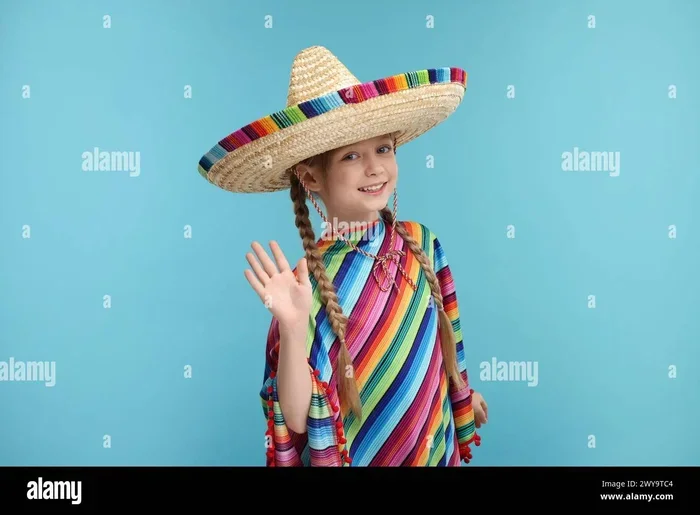

Learning how to say hello in Mexico opens doors to real connections with Mexican people. From the classic “Hola” to regional slang and warm gestures, Mexican greetings reflect the country’s vibrant culture and friendly spirit. This guide covers everything you need to greet locals confidently in any situation.
Imagine stepping off a plane in Mexico for the first time. The air feels warm, the colors are bright, and everyone around you is smiling. You want to say hello, but you are not sure what to say. Learning how to say hello in Mexico is more than just memorizing words. It is your first step toward genuine human connection.
Mexican greetings carry warmth, respect, and a touch of playfulness that you will not find anywhere else. Whether you are visiting Mexico City, relaxing on a beach in Cancún, or exploring a small town in Oaxaca, knowing the right Mexican greetings changes everything. People open up when they feel you are trying. This guide gives you the phrases, cultural insights, and practical tips to greet anyone with confidence.
Key Takeaways
- Basic Greetings Matter: “Hola” is the foundation, but adding “Buenos días” or “Buenas tardes” shows respect and warmth.
- Regional Differences Exist: Each Mexican region has unique greetings, from Mexico City slang to coastal casual phrases.
- Body Language Counts: Handshakes, hugs, and cheek kisses are all part of how Mexicans say hello in different settings.
- Formal vs. Informal Depends on Context: Using “usted” versus “tú” changes the tone of every greeting you use.
- Practice Makes Perfect: Locals appreciate effort, so even a simple attempt earns smiles and goodwill.
📑 Table of Contents
- Why Greetings Matter So Much in Mexico
- The Basic Ways to Say Hello in Mexico
- Regional Greetings Across Mexico
- Formal vs. Informal Greetings
- Body Language and Physical Greetings
- Common Mistakes to Avoid When Greeting People in Mexico
- Practical Tips for Greeting Locals Like a Pro
- How Greetings Reflect Mexican Culture
- Conclusion
Why Greetings Matter So Much in Mexico
In Mexico, greetings are not just a formality. They are a social ritual. A simple hello in Spanish can set the tone for an entire conversation. Mexicans value personal connection, and the way you greet someone tells them a lot about your intentions and respect.
When you walk into a shop, a restaurant, or someone’s home, the first words you exchange matter. A warm greeting shows you understand Mexican culture and care about the people around you. This is true whether you are meeting a stranger on the street or sitting down for a meal with new friends.
The Role of Warmth in Mexican Communication
Mexican communication is inherently warm and personal. Unlike some cultures where people keep interactions brief and transactional, Mexicans often take time to greet each other genuinely. A quick “Hola” with eye contact and a smile goes a long way. Greeting customs in Mexico prioritize human connection over efficiency.
If you have ever traveled to Latin America before, you may have noticed this pattern everywhere. The Latin American Spanish spoken in Mexico has its own rhythm and personality. Greetings reflect that personality perfectly. They are unhurried, heartfelt, and sometimes even poetic.
The Basic Ways to Say Hello in Mexico
Let us start with the essentials. Every learner should know these core Mexican Spanish greetings. They work in almost every situation and will serve you well from day one.
Hola — The Universal Hello
“Hola” is the most common way to say hello in any Spanish-speaking country, and Mexico is no exception. It is simple, friendly, and universally understood. You can use it with anyone, from a cashier at a market to a new acquaintance at a party.
Here are some tips for using “Hola” naturally:
- Say it with a smile and relaxed energy.
- Pair it with a slight nod or wave.
- Use it as your go-to when you are unsure of the situation.
- Remember that tone matters more than perfect pronunciation.
Buenos Días, Buenas Tardes, Buenas Noches
These three phrases cover the entire day and show a level of politeness that Mexicans truly appreciate:
- Buenos días — Good morning (until around noon).
- Buenas tardes — Good afternoon (from noon until sunset).
- Buenas noches — Good evening or good night (after sunset).
Using these time-specific greetings shows that you understand the rhythm of the day in Mexico. It also signals respect, especially with older people or in formal settings. Locals often respond with the same phrase, creating a pleasant exchange that sets a positive tone.
¿Qué Tal? and ¿Cómo Estás?
Once you have mastered the basics, these follow-up greetings take your conversations to the next level:
- ¿Qué tal? — What’s up? / How’s it going?
- ¿Cómo estás? — How are you?
These are informal and perfect for casual settings. You will hear them constantly in markets, parks, and among friends. If someone asks you “¿Qué tal?”, a simple “Bien, gracias” (Good, thanks) keeps the conversation flowing naturally.
Regional Greetings Across Mexico
Mexico is a vast and diverse country, and greetings vary from region to region. Understanding these differences helps you connect with locals in a more meaningful way. Each area has its own flavor of Mexican Spanish and its own greeting traditions.
Mexico City Greetings
In Mexico City, people are fast-paced but still warm. The most common greeting is simply “Hola.” However, city dwellers also use informal expressions that reflect urban Mexico City slang. You might hear “Qué onda” among younger people, which means “What’s up?”
City greetings tend to be shorter and more direct. But do not mistake brevity for coldness. The warmth comes through in tone and body language. A firm handshake paired with a smile is standard in business settings.
Coastal and Southern Regions
In coastal areas like Cancún, Puerto Vallarta, and the Yucatán Peninsula, greetings are even more relaxed and friendly. People are generally more laid-back, and conversations start with warmth and ease. In the Yucatán, you may also hear Mayan-influenced greetings that add a unique cultural touch.
In southern states like Oaxaca and Chiapas, greetings carry a deeper sense of community. People take more time to exchange pleasantries, and it is common to ask about someone’s family or well-being before getting to the main topic of conversation.
Northern Mexico Greetings
In northern Mexico, near the border cities, you will notice influences from both Mexican and American culture. Greetings here tend to be direct and confident. Handshakes are common, and people often use Spanish slang that reflects the border region’s unique identity.
Formal vs. Informal Greetings
Understanding when to be formal and when to be casual is one of the most important social etiquette Mexico skills you can develop. The wrong level of formality can feel awkward, while the right one builds trust instantly.
When to Use Formal Greetings
Use formal greetings when:
- Meeting someone for the first time in a professional setting.
- Speaking with older people or authority figures.
- Visiting someone’s home for the first time.
- Attending a business meeting or formal event.
In formal situations, use “usted” instead of “tú” when addressing someone. For example, “Mucho gusto, señor” (Nice to meet you, sir) or “Buenos días, señora” (Good morning, ma’am) shows proper respect.
When to Use Informal Greetings
Switch to informal greetings when:
- You are among friends or peers.
- You are in a casual social setting like a party or market.
- Younger people are speaking to each other.
- Someone invites you to use “tú” instead of “usted.”
Informal greetings feel relaxed and natural. Phrases like “Qué onda” or “¿Qué hay?” are perfect for these moments. They show that you are comfortable and open to connection.
Quick Tip: When in doubt, start with a formal greeting and let the other person guide the tone. Mexicans appreciate politeness, and they will let you know if a more casual approach is welcome.
Body Language and Physical Greetings
Words are only part of the equation. Mexican hospitality also shines through body language and physical greetings. Understanding these nonverbal cues helps you avoid misunderstandings and shows respect.
Handshakes
A firm but friendly handshake is the standard greeting in most professional and first-meeting situations. Maintain eye contact during the handshake. In Mexico, a limp handshake can feel dismissive, so offer a confident grip.
Hugs and Cheek Kisses
Among friends and acquaintances, hugs and cheek kisses are very common. Women often greet each other with a single cheek kiss on the right cheek. Men may greet women with a hug and a kiss on the cheek, while men greeting men might opt for a warm embrace or a pat on the back.
If you are unsure what to do, follow the other person’s lead. Mexicans are generally forgiving of cultural differences, and your effort will always be appreciated.
The Power of Eye Contact and Smiling
Never underestimate the power of a genuine smile and steady eye contact. In Mexican culture, these simple gestures communicate warmth, openness, and respect. They are the foundation of every friendly greeting you will ever exchange.
Common Mistakes to Avoid When Greeting People in Mexico
Even the most well-meaning travelers make mistakes. Here are some common pitfalls to watch out for when you are learning how to greet someone in Mexico.
- Being too rushed: Mexicans value the greeting itself. Do not rush through “Hola” to get to the point of your conversation.
- Ignoring titles: Always use “Señor,” “Señora,” or “Señorita” with people you do not know well until invited to do otherwise.
- Using overly casual language too soon: Jumping to slang or “tú” before the other person sets the tone can feel disrespectful.
- Skipping the smile: A greeting without a smile in Mexico feels incomplete and even cold.
- Assuming everyone speaks English: Even if your Spanish is basic, making the effort to greet someone in their language means a lot.
Avoiding these mistakes shows that you have taken the time to understand cultural norms Mexico has to offer. People notice and respond positively to that effort.
Practical Tips for Greeting Locals Like a Pro
Ready to put your knowledge into action? Here are some practical tips that will help you greet locals with confidence and authenticity.
Practice Before You Go
Spend a few minutes each day practicing your greetings out loud. Say “Buenos días” when you wake up. Greet a friend with “¿Qué tal?” during a phone call. Repetition builds muscle memory and natural confidence.
Listen and Observe
When you arrive in Mexico, pay attention to how locals greet each other in different settings. Watch how they use body language, tone, and timing. You will pick up nuances that no textbook can teach you.
Be Patient with Yourself
You will make mistakes, and that is perfectly okay. Every mispronounced word and awkward handshake is a learning opportunity. Mexicans are famously patient and kind with visitors who are trying their best.
Learn a Few Extra Phrases
Beyond greetings, learning a few extra common phrases Mexico travelers use helps you navigate any situation. Phrases like “Mucho gusto” (Nice to meet you), “Con permiso” (Excuse me), and “Gracias por todo” (Thanks for everything) add depth to your interactions.
For those curious about other Mexican slang and phrases, checking out resources on Wtw Meaning In Text and Ts Meaning In Text can give you a fun window into how Mexicans text and communicate casually today.
How Greetings Reflect Mexican Culture
Every greeting in Mexico carries a piece of the country’s rich cultural identity. Mexicans are known for their warmth, resilience, and joy, and these qualities shine through in even the simplest hello.
When you greet someone in Mexico, you are participating in a tradition that goes back centuries. From indigenous roots to Spanish colonial influences to modern innovations, Mexican greetings are a living tapestry of history and culture. Understanding this deeper context makes every interaction more meaningful.
The Mexican hospitality you experience starts the moment you say hello. People want to connect, share stories, and make you feel welcome. Your greeting is the key that unlocks all of that.
Conclusion
Learning how to say hello in Mexico is one of the most rewarding things you can do before any trip to this beautiful country. The right greeting opens hearts, builds trust, and creates moments of genuine human connection. From the classic “Hola” to regional expressions and thoughtful body language, every element of a Mexican greeting tells the other person that you care.
Use the tips and phrases in this guide to greet locals with confidence. Practice regularly, stay curious, and always lead with a smile. Mexico has so much warmth to offer, and your journey of connection starts with a simple hello.
So the next time you find yourself in a Mexican market, a beachside café, or a family dinner, remember these words and gestures. You are not just saying hello. You are saying “I see you, I respect you, and I am glad you are here.” And that is a message everyone understands.
Frequently Asked Questions
What is the most common way to say hello in Mexico?
The most common greeting is “Hola.” It works in every situation, from casual encounters to formal introductions. Pair it with a smile and a nod for a natural, friendly exchange.
Do Mexicans use formal or informal greetings more often?
It depends on the context. In professional settings and with strangers, formal greetings like “Buenos días, señor” are standard. Among friends and in casual settings, informal greetings like “¿Qué tal?” are the norm. When in doubt, start formal and adjust based on the other person’s cues.
Is it rude to use English greetings in Mexico?
Not necessarily rude, but it can feel dismissive. Mexicans appreciate when visitors make the effort to greet them in Spanish. Even a simple “Hola” shows respect and opens doors to warmer interactions.
How do you greet someone older in Mexico?
Use formal greetings and titles like “Señor” or “Señora.” Say “Buenos días” or “Mucho gusto” with a respectful tone. Wait for the older person to suggest using informal language before switching to “tú.”
Are cheek kisses common when greeting in Mexico?
Yes, cheek kisses are very common among friends and acquaintances, especially women greeting women. A single kiss on the right cheek is standard. In more casual or rural areas, you might see two kisses. When in doubt, a handshake is always safe.
What is a good way to practice Mexican greetings before traveling?
Practice out loud every day, watch Mexican TV shows or videos to hear natural pronunciation, and try greeting Spanish speakers in your community. Apps and language exchanges are also great tools for building confidence before your trip.
=== CONCLUSION ===
How to say hello in Mexico is more than a language lesson. It is a gateway to authentic human connection, cultural understanding, and unforgettable experiences. The phrases, body language, and social cues you learned in this guide will serve you well in every corner of Mexico.
Start using these greetings today, and watch how people respond differently. A warm, well-timed hello can turn a stranger into a friend and a simple interaction into a lasting memory. Mexico welcomes those who make the effort, and your journey of genuine connection begins with just two words: “Hola.”



