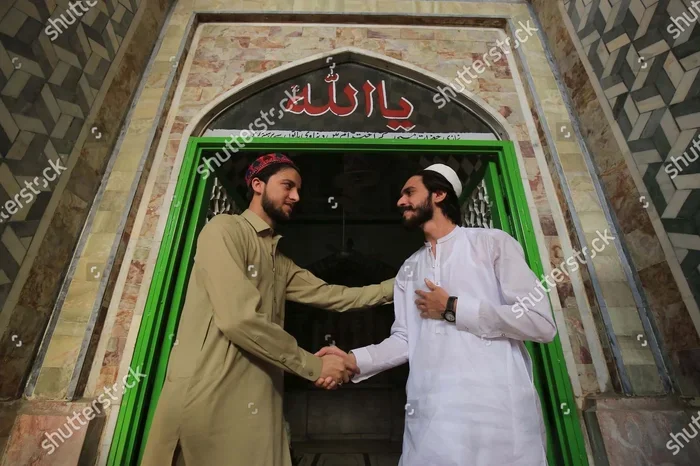

Learning how to say hello in Pakistan opens doors to genuine connections and rich cultural experiences. The most common greeting is Assalamu Alaikum, a warm Islamic salutation used across the country. Beyond this, Pakistan offers a variety of greetings shaped by regional languages, local customs, and even texting culture.
Have you ever wondered how to say hello in Pakistan? Whether you are planning a trip or just curious about Pakistani culture, knowing the right greeting can make a huge difference. A simple hello in the right language can break the ice, earn you smiles, and even lead to lasting friendships.
Pakistan is a country full of warmth and hospitality. People there value respect and kindness, and greetings play a big role in daily life. The way you greet someone can show that you care about their culture and traditions. This guide will walk you through everything you need to know about how to say hello in Pakistan, from the most common phrases to regional variations and even texting shortcuts.
By the end of this article, you will feel confident greeting people in Pakistan like a local. You will learn the standard Islamic greeting, explore Urdu phrases, discover regional differences, and pick up tips on greeting etiquette. Let us dive in and make your next interaction with a Pakistani person a memorable one.
Key Takeaways
- Assalamu Alaikum is the most widely used greeting in Pakistan and works in almost every setting.
- Urdu is the national language, but regional languages like Punjabi, Sindhi, and Pashto each have their own unique greetings.
- Greeting etiquette in Pakistan involves warmth, handshakes, and sometimes even hugs among close friends.
- Texting greetings in Pakistan often include abbreviations and informal shortcuts, especially among younger generations.
- Understanding local greetings shows respect and helps you build trust with Pakistani people quickly.
- Learning a few basic Urdu phrases beyond hello can greatly enhance your travel experience.
📑 Table of Contents
- The Most Common Greeting in Pakistan
- Other Common Urdu Greetings Beyond Hello
- Regional Greetings Across Pakistan
- Greeting Etiquette in Pakistan
- Texting Greetings and Digital Communication
- Quick Tips for Greeting Like a Local
- Common Mistakes to Avoid
- Why Greetings Matter in Pakistani Culture
- Final Thoughts
The Most Common Greeting in Pakistan
When you ask how to say hello in Pakistan, the answer almost always starts with one phrase: Assalamu Alaikum. This is the Islamic greeting that means “Peace be upon you.” It is used by millions of people across Pakistan every single day. Whether you are in a busy bazaar in Lahore or a quiet village in the mountains, you will hear this greeting everywhere.
The response to Assalamu Alaikum is Wa Alaikum Assalam, which means “And upon you, peace.” This exchange is simple but powerful. It shows mutual respect and goodwill. Even if you do not speak Urdu fluently, saying this greeting will immediately warm the hearts of the people you meet.
When to Use Assalamu Alaikum
This greeting works in almost every situation. You can use it when meeting someone for the first time. You can use it when greeting a shopkeeper, a colleague, or even a stranger on the street. It is appropriate in both formal and informal settings. Here are some situations where Assalamu Alaikum fits perfectly:
- Meeting someone new for the first time
- Entering a home or a shop
- Starting a phone call or a video chat
- Greeting elders or people you respect
- Beginning any social interaction
The beauty of this greeting is that it transcends language barriers. Even if someone does not speak Urdu, they will understand the warmth behind Assalamu Alaikum. It is a universal sign of peace and goodwill in Pakistan.
Other Common Urdu Greetings Beyond Hello
While Assalamu Alaikum is the king of greetings, Pakistanis use several other phrases in daily conversation. Learning these will help you sound more natural and feel more connected to the culture. Here are some essential how to say hello in Pakistan phrases you should know:
Assalamu Alaikum Wa Rahmatullahi Wa Barakatuh
This is an extended version of the basic greeting. It adds “And may the mercy and blessings of God be upon you.” People use this more formal version during religious occasions or when greeting someone they deeply respect. It might sound long, but locals appreciate the effort.
Hello and Hi
Modern Pakistani culture has embraced English greetings. Young people and city dwellers often say Hello or Hi in casual settings. If you are in a café in Karachi or a shopping mall in Islamabad, these English greetings are perfectly fine. They are simple, widely understood, and work great in urban areas.
Kya Haal Hai
This phrase means “How are you?” in Urdu. It is a common follow-up after the initial greeting. The typical response is Main Theek Hu, meaning “I am fine.” This small exchange shows that you care about the other person’s well-being. Pakistanis love when visitors take the time to ask how they are doing.
Sab Kuch Theek Hai
This means “Everything is fine.” It is a casual and friendly way to respond when someone asks about your state. Using phrases like this shows that you are trying to connect on a personal level. People in Pakistan genuinely appreciate this kind of effort.
Regional Greetings Across Pakistan
Pakistan is a diverse country with many languages and cultures. Each region has its own way of greeting people. Knowing these regional greetings can impress locals and show that you respect their heritage. Here is a closer look at how people greet each other in different parts of Pakistan.
Punjabi Greetings
Punjab is the most populous province in Pakistan. The Punjabi language has its own cheerful greetings. One popular phrase is Assalamu Alaikum, just like in Urdu. But Punjabis also love warm, energetic greetings. You might hear Kiddo Aa Ve, which means “Welcome, come” in Punjabi. It is a friendly and inviting way to greet guests.
Sindhi Greetings
In Sindh, people greet each other with phrases that reflect the rich Sindhi culture. The basic Islamic greeting is still used, but Sindhis also say Jee Bolo, which means “Speak, dear.” It is a respectful and warm way to start a conversation. Sindh is known for its hospitality, and greetings there reflect that spirit beautifully.
Pashto Greetings
Pakistan’s western regions, including Khyber Pakhtunkhwa, are home to Pashto speakers. In Pashto culture, greetings carry deep meaning. A common greeting is Salaam, similar to the Arabic greeting. Pashtuns are known for their strong sense of honor and hospitality, and their greetings reflect those values.
Balochi Greetings
In Balochistan, the Balochi language has its own unique greetings. While Assalamu Alaikum is widely understood, locals might also use traditional Balochi phrases. The emphasis is always on respect and warmth, no matter which language is used.
| Region | Language | Common Greeting | Meaning |
|---|---|---|---|
| Punjab | Punjabi | Kiddo Aa Ve | Welcome, come |
| Sindh | Sindhi | Jee Bolo | Speak, dear |
| KPK | Pashto | Salaam | Peace |
| Balochistan | Balochi | Assalamu Alaikum | Peace be upon you |
| Nationwide | Urdu | Assalamu Alaikum | Peace be upon you |
This table shows how greetings vary across Pakistan but always share a common thread of peace and respect. No matter where you go, the core message remains the same.
Greeting Etiquette in Pakistan
Knowing the right words is only half the battle. How you deliver a greeting matters just as much in Pakistan. Greeting etiquette here is rooted in respect, warmth, and genuine interest in others. Let us explore some key etiquette tips that will help you navigate social interactions with confidence.
Handshakes and Physical Greetings
In Pakistan, a handshake is a common way to greet someone, especially in formal settings. Men typically shake hands with other men. The handshake is often gentle and accompanied by a warm smile. However, there are some important cultural nuances to keep in mind.
- Gender considerations: In more traditional settings, men and women may not shake hands. Wait for the other person to extend their hand first.
- Elders first: Always greet elders before anyone else. This shows deep respect for age and wisdom.
- Right hand only: Use your right hand for greetings and giving or receiving items. The left hand is considered unclean in Pakistani culture.
The Power of Eye Contact and Smiles
A genuine smile goes a long way in Pakistan. When you greet someone, look them in the eye with warmth. Pakistanis value sincerity, and a forced or fake greeting will not sit well. If you smile and mean it, people will respond in kind.
Greeting in Homes and Families
If you are invited to a Pakistani home, the greeting process is especially important. You will likely be greeted with warmth and enthusiasm. Hosts may hug close friends and family members. They will offer you tea or refreshments right away. Accepting their hospitality graciously is a wonderful way to show respect.
When entering a home, it is polite to say Assalamu Alaikum as you walk in. You might also hear the host say Khush Aamdeed, which means “Welcome.” Responding with a cheerful greeting sets a positive tone for the entire visit.
Texting Greetings and Digital Communication
In today’s digital age, how people greet each other has evolved. Pakistan is no exception. Young Pakistanis love texting, and their greeting style has adapted to the fast-paced world of instant messaging. If you are chatting with Pakistani friends online, you will notice some fun and casual greeting habits.
Casual Text Greetings
In text messages, many Pakistanis keep greetings short and sweet. A simple Hi or Hello works perfectly. Some people start with Hey or even just a wave emoji. The goal is to be friendly and approachable, just like in face-to-face conversations.
When texting casually, you might come across abbreviations. For example, some people use wtw meaning in text when asking “what are you up to” in a casual way. Similarly, you may see ts meaning in text used as a shorthand in informal chats. These texting abbreviations are part of the casual digital culture among Pakistani youth and are a fun way to stay connected.
Voice Notes and Video Calls
Pakistanis also love sending voice notes on apps like WhatsApp. A voice greeting feels personal and warm. When you receive a voice note, it is polite to respond with one too. Video calls are another popular way to greet friends and family, especially during festivals and celebrations.
Quick Tips for Greeting Like a Local
Want to make a great impression when you visit Pakistan? Here are some quick tips that will help you greet people the right way:
- Start with Assalamu Alaikum. It works everywhere and shows respect for the local culture.
- Smile genuinely. A warm smile builds trust and makes people feel comfortable around you.
- Use the right hand. Always use your right hand for handshakes, giving gifts, or receiving items.
- Learn a few Urdu phrases. Even basic phrases like Kya Haal Hai will earn you big smiles.
- Be patient and respectful. Greetings in Pakistan can be longer and more personal than what you might be used to. Enjoy the process.
- Follow the other person’s lead. If someone does not extend their hand, do not force a handshake. Respect their comfort level.
- Embrace the warmth. Pakistanis are naturally hospitable. Let their warmth embrace you and respond in kind.
These tips might seem simple, but they make a world of difference. People in Pakistan notice and appreciate when visitors make an effort to greet them properly. It shows that you care about their culture and traditions.
Common Mistakes to Avoid
Even with the best intentions, travelers sometimes make greeting mistakes in Pakistan. Here are a few common errors to watch out for:
- Using only English greetings in rural areas. While English works in cities, rural areas may prefer Urdu or regional language greetings. Learning a few local phrases goes a long way.
- Ignoring elders. Always greet the oldest person in the room first. Skipping this step can be seen as disrespectful.
- Being too rushed. Greetings in Pakistan are not rushed. Take your time, ask how someone is doing, and enjoy the conversation.
- Using your left hand. This is a big no-no. Always use your right hand for all social interactions.
- Being overly formal with close friends. While formal greetings work for strangers, close friends appreciate casual and warm exchanges.
Avoiding these mistakes will help you navigate social situations with ease and confidence. Remember, the goal is to connect with people and show genuine respect.
Why Greetings Matter in Pakistani Culture
Greetings in Pakistan are not just a formality. They carry deep cultural and spiritual significance. The Islamic greeting Assalamu Alaikum is a prayer for peace. When you say it, you are wishing well for the other person. This simple act of wishing peace creates a bond between people.
Pakistani culture places a high value on relationships and community. Greetings are the first step in building and maintaining those relationships. Whether you are at a family gathering, a business meeting, or a street market, the way you greet others sets the tone for the entire interaction.
For travelers, understanding this cultural depth adds richness to the experience. It transforms a simple hello into a meaningful exchange. You are not just saying words. You are participating in a tradition that has been passed down for generations.
Final Thoughts
Learning how to say hello in Pakistan is more than just memorizing phrases. It is about embracing a culture of warmth, respect, and genuine human connection. Whether you use Assalamu Alaikum in a bustling street market or send a friendly text greeting to a new Pakistani friend, your effort will always be appreciated.
The people of Pakistan are known for their incredible hospitality. When you greet them with sincerity and respect, you open the door to unforgettable experiences. You will find that a simple hello can lead to a shared cup of chai, a fascinating conversation, or even a lifelong friendship.
So the next time you wonder how to say hello in Pakistan, remember this guide. Start with Assalamu Alaikum, smile with your whole heart, and let the warmth of Pakistani culture welcome you in return. You will be glad you did.
Frequently Asked Questions
What is the most common way to say hello in Pakistan?
The most common greeting in Pakistan is Assalamu Alaikum, which means “Peace be upon you.” It is used across the entire country, regardless of region or language, and is appropriate in both formal and informal settings.
Do people in Pakistan speak English?
Yes, many Pakistanis speak English, especially in cities and urban areas. However, Urdu is the national language, and regional languages like Punjabi, Sindhi, and Pashto are also widely spoken. Learning basic Urdu greetings will always be appreciated by locals.
Is it okay to shake hands with everyone in Pakistan?
Handshakes are common in Pakistan, but gender norms matter. In more traditional or conservative settings, men and women may not shake hands. Always wait for the other person to initiate physical contact, and use your right hand for all greetings.
What do Pakistani people text when greeting friends?
Pakistani people often use casual English greetings like “Hi” or “Hello” in text messages. Younger generations also use abbreviations and emojis to keep things fun and informal. Apps like WhatsApp are very popular for voice notes and video greetings too.
How do you respond to Assalamu Alaikum?
The proper response is Wa Alaikum Assalam, meaning “And upon you, peace.” This response completes the greeting exchange and shows mutual respect and goodwill toward the other person.
Why are greetings so important in Pakistani culture?
Greetings in Pakistan carry deep cultural and spiritual meaning. They reflect values of peace, respect, and community. Taking the time to greet someone properly shows that you value the relationship and respect their traditions, which Pakistani people deeply appreciate.
=== CONCLUSION ===
Now you know exactly how to say hello in Pakistan like a seasoned traveler. From the universal Assalamu Alaikum to regional greetings in Punjabi, Sindhi, and Pashto, you have a full toolkit for connecting with people across this beautiful country. Remember, greetings are more than words. They are a bridge to genuine human connection and cultural understanding.
Use these phrases with sincerity, respect the etiquette, and embrace the warmth that Pakistani people are famous for. Your next visit to Pakistan will be richer and more meaningful because of these simple but powerful greetings. Go ahead, say hello, and let the magic of Pakistani hospitality sweep you off your feet.



