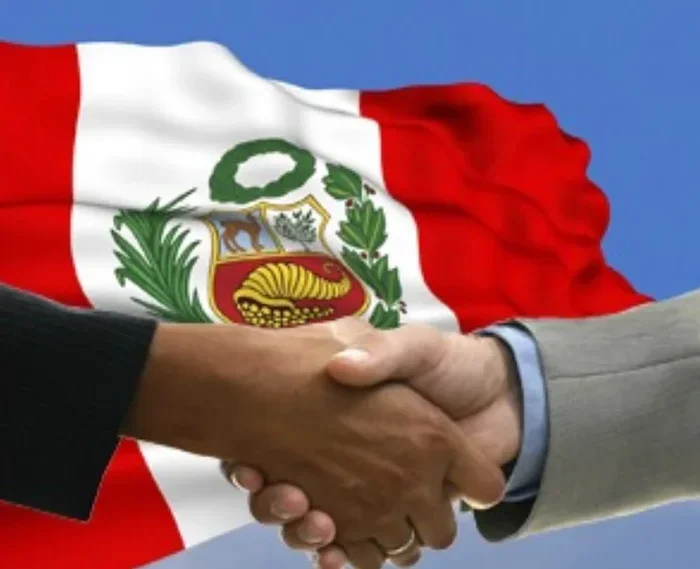

Knowing how to say hello in Peru opens doors to real cultural connections. From the classic hola to regional expressions and Quechua greetings, Peruvian greetings reflect warmth and respect. This guide covers every situation travelers face, so you can greet people like a local from the moment you arrive.
Traveling to Peru is one of the most exciting trips you can take. The food is incredible. The history is mind-blowing. And the people are genuinely warm. But here is the thing most travelers overlook. How you greet people changes everything.
A simple hello sets the tone for every interaction. It shows respect. It builds trust. And in a country as culturally rich as Peru, getting the greeting right matters more than you might think. This guide will walk you through how to say hello in Peru in ways that feel natural and genuine.
## Why Greetings Matter in Peruvian Culture
Peru is not a place where people rush through conversations. Greetings carry real weight here. They are not just a formality. They are a way of showing care and connection.
### The Role of Warmth in Peruvian Society
Peruvian culture values personal warmth. When you meet someone, the greeting is your first chance to show you care. A rushed or cold hello can feel off-putting. A warm, friendly greeting does the opposite. It makes people open up.
This is true whether you are in a busy market in Lima or a small village in the Andes. People notice effort. When you try to greet them in their language, they appreciate it deeply.
### How Greetings Differ from Western Norms
In many Western countries, a quick “hi” and a handshake might be enough. In Peru, things work differently. Greetings tend to be more personal and unhurried. You might chat for a few minutes before getting to the actual reason for the meeting.
This is not inefficiency. It is culture. Peruvians value relationships. They want to know how you are feeling before diving into business or logistics. Understanding this shift in pace will make your trip smoother and more enjoyable.
## The Most Common Ways to Say Hello in Peru
Let us start with the basics. These are the greetings you will hear and use every single day.
### Hola — The Universal Hello
Hola is the go-to greeting in Peru. It works in every city, every town, and every situation. Whether you are walking into a shop, meeting a guide, or greeting a host family, hola is always safe and welcome.
It is simple. It is friendly. And almost everyone in Peru understands it. You cannot go wrong with this one.
### Buenos Días, Buenas Tardes, Buenas Noches
These time-based greetings are slightly more formal than hola. They show a level of politeness that Peruvians respect.
Use buenos días in the morning. Use buenas tardes in the afternoon. Use buenas noches in the evening or when meeting someone late. These phrases work well in professional settings or when greeting older people.
### ¿Cómo Está? — A Friendly Check-In
This phrase means “How are you?” It is a natural follow-up to hola. Most Peruvians will appreciate you asking. It shows you care about more than just a surface-level exchange.
The formal version is ¿Cómo está usted? Use this with older people or in formal situations. The informal version, ¿Cómo estás? works with friends and peers.
## Regional Greetings Across Peru
Peru is a big country with diverse regions. The way people greet each other shifts depending on where you are. Let us break it down.
### Coastal Greetings (Lima, Trujillo, Arequipa)
Along the coast, greetings tend to be warm but a bit more relaxed. People in Lima might greet you with a casual hola, ¿qué tal? which means “hi, what’s up?” The pace is a little faster here, but the warmth is still there.
Coastal Peruvians also use a lot of slang. You might hear ¿Qué hubo? as a casual way of saying “what’s going on?” It is informal but very common among younger people.
### Highland Greetings (Cusco, Puno, Huaraz)
In the highlands, greetings carry a deeper sense of community. People in places like Cusco often greet each other with extra warmth. A simple hola might be followed by a longer exchange about family, health, or the weather.
Many highland Peruvians also speak Quechua or bilingual Spanish-Quechua. Learning a few Quechua greetings can be a powerful way to connect. We will cover those in detail soon.
### Jungle Greetings (Iquitos, Puerto Maldonado)
In the Amazon region, greetings tend to be relaxed and easygoing. People here are used to travelers from all over the world. You will hear a mix of Spanish and regional expressions. The overall vibe is laid-back and welcoming.
## Quechua Greetings: Honoring Indigenous Heritage
Quechua is one of the most widely spoken indigenous languages in South America. In Peru, millions of people speak it as their first language. Learning even a few Quechua greetings shows deep respect for Peruvian heritage.
### Allianchu — How Are You?
Allianchu (pronounced “alyan-choo”) is the Quechua equivalent of “How are you?” It is one of the most recognized Quechua phrases. When you say this to someone, you are showing that you value their culture.
People often respond with Allianmi, which means “I am well.” This simple exchange can create a real moment of connection.
### Allianchau — The Informal Version
Allianchau is the informal version of allianchu. Use it with people your age or younger. It carries the same meaning but feels more casual and friendly.
### Ñuqanchik — Nice to Meet You
If you want to say “nice to meet you” in Quechua, say Ñuqanchik. This phrase works well in both formal and informal settings. It is a beautiful way to honor the indigenous roots of Peruvian culture.
### Why Learning Quechua Greetings Matters
Many travelers skip this entirely. They stick to Spanish and miss out on something meaningful. When you make the effort to greet someone in their native language, it signals respect. It opens conversations. And it often leads to richer, more authentic travel experiences.
## Formal vs. Informal Greetings: What to Use When
Knowing when to be formal and when to be casual is an important skill. Here is a simple breakdown.
### When to Use Formal Greetings
– When meeting older people
– In business or professional settings
– When visiting someone’s home for the first time
– When speaking with authority figures or elders
Formal greetings in Peru include usted forms (like ¿Cómo está usted?). You might also use titles like señor or señora. These are not outdated. They are still very much alive in Peruvian culture.
### When to Use Informal Greetings
– With friends and peers
– In casual markets and street settings
– When younger people are around
– In relaxed social situations
Informal greetings use tú forms (like ¿Cómo estás?). Young Peruvians also use casual digital shorthand when texting. For example, you might come across abbreviations like wtw meaning “what’s up” in text messages among younger locals, or ts as a quick informal response similar to saying “whatever” or “okay” in casual chat. These are not universal, but you may encounter them in social media or messaging apps while traveling.
### Quick Tips for Navigating Formality
- When in doubt, start formal. You can always shift to informal if the other person suggests it.
- Watch how locals greet each other. This is your best guide for the right level of formality.
- Use titles whenever possible. Señora, señor, don, and doña are always appreciated.
## Body Language and Greeting Customs in Peru
Words are only part of the greeting. How you say them matters just as much.
### The Handshake
A firm but gentle handshake is the standard greeting in most situations. It works for both formal and casual encounters. Maintain eye contact and smile. This simple gesture goes a long way.
### The Cheek Kiss (El Beso)
In many parts of Peru, especially on the coast, a single cheek kiss is common between women and between men and women who know each other. This is less common for men greeting men, especially in formal settings.
As a traveler, you do not need to initiate a cheek kiss right away. Let the other person guide the interaction. Follow their lead, and you will be perfectly fine.
### Eye Contact and Smiling
Peruvians value warm eye contact during greetings. It shows sincerity. A genuine smile makes everything feel more natural. Avoid looking away or checking your phone during a greeting. That small gesture can feel dismissive.
### Personal Space
Peruvians tend to stand closer during conversations than some other cultures might expect. Do not pull away or step back. Standing at a comfortable but close distance shows engagement and interest.
## Common Mistakes Travelers Make When Greeting in Peru
Avoiding these mistakes will help you connect better with locals.
### Skipping the Greeting Entirely
Some travelers jump straight into asking questions or making requests. This can feel rude. Always greet someone first, even if it is just a simple hola. It sets a positive tone.
### Using Overly Casual Language Too Soon
Using slang or informal language with strangers can come across as disrespectful. Read the room. Start with a standard greeting and adjust based on how the other person responds.
### Ignoring Regional Differences
What works in Lima might feel slightly different in Cusco or Iquitos. Be open to local variations. Flexibility shows cultural awareness.
### Mispronouncing Quechua Phrases
Quechua pronunciation can be tricky. Do not stress too much about getting it perfect. The effort matters more than perfection. Most Peruvians will be touched that you tried.
## Expert Insights: What Locals Wish Travelers Knew
We spoke with travelers and locals who shared their top tips for greeting in Peru.
- “Start with hola and a smile. Everything else follows naturally.” — Maria, a tour guide in Cusco
- “Learning allianchu changed how people treated me in the highlands.” — James, a backpacker from Australia
- “Don’t be afraid of using titles. Peruvians respect when you show formality.” — Rosa, a Lima resident
- “Just try. People appreciate the effort far more than perfect pronunciation.” — Carlos, a language teacher in Arequipa
These insights highlight a common theme. Peruvians value effort and sincerity. You do not need to be fluent. You just need to try.
## Putting It All Together: A Practical Greeting Guide
Here is a quick reference for your trip.
Everyday Greetings
- Hola — Hello (works everywhere)
- Buenos días — Good morning
- Buenas tardes — Good afternoon
- Buenas noches — Good evening / Good night
- ¿Cómo está? — How are you? (formal)
- ¿Cómo estás? — How are you? (informal)
Quechua Greetings
- Allianchu — How are you?
- Allianchau — How are you? (informal)
- Allianmi — I am well
- Ñuqanchik — Nice to meet you
Casual and Digital Greetings
- ¿Qué tal? — What’s up?
- ¿Qué hubo? — What’s going on? (coastal slang)
- Wtw — What’s up? (text abbreviation used by younger Peruvians)
- Ts — Casual acknowledgment in text chats
## Conclusion
Learning how to say hello in Peru is more than just a language exercise. It is a gateway to deeper cultural connection. Whether you use hola on the streets of Lima, say allianchu in the highlands, or exchange a warm cheek kiss in Trujillo, every greeting you use shows respect and curiosity.
The people of Peru are some of the most welcoming you will ever meet. A little effort on your part goes a long way. Practice these greetings before your trip. Use them with confidence. And enjoy the authentic connections that come from greeting people the right way.
Your next adventure in Peru starts with a single hello. Make it a good one.
Key Takeaways
- Hola is the universal starter: It works everywhere in Peru, from Lima to Cusco.
- Quechua greetings matter: Many indigenous Peruvians appreciate when visitors try Quechua phrases.
- Titles show respect: Using “señor,” “señora,” or “don/doña” is standard and expected.
- Informal greetings vary by region: Coast, highlands, and jungle areas each have unique styles.
- Body language is part of the greeting: Handshakes, cheek kisses, and warm eye contact go a long way.
- Text abbreviations are common: Younger Peruvians use casual digital shorthand when messaging friends.
Frequently Asked Questions
What is the most common way to say hello in Peru?
The most common way is hola. It works in every region, every situation, and with every age group. It is simple, friendly, and universally understood across Peru.
Do Peruvians speak Quechua, and should I learn it?
Yes, millions of Peruvians speak Quechua, especially in the highlands. Learning a few Quechua greetings like allianchu shows deep respect for indigenous culture. While not required, it can create meaningful connections during your travels.
Is it better to use formal or informal greetings in Peru?
Start formal when meeting strangers, older people, or in professional settings. Use informal greetings with peers and friends. Peruvians are generally warm and will let you know if a more casual tone is welcome.
What body language should I use when greeting someone in Peru?
Offer a firm but gentle handshake, maintain warm eye contact, and smile. In casual settings, a single cheek kiss may be appropriate between familiar people. Follow the lead of the person you are greeting.
Are text abbreviations like wtw and ts common in Peru?
Yes, younger Peruvians use casual text abbreviations in messaging apps. Wtw (meaning what’s up) and ts (a quick informal acknowledgment) are examples you might encounter in digital communication. These are informal and best reserved for casual conversations.
What greeting mistakes should I avoid in Peru?
Avoid skipping the greeting entirely, using overly casual language with strangers, and ignoring regional differences. Also, do not worry too much about perfect pronunciation. Peruvians genuinely appreciate the effort you make to greet them in their language.



