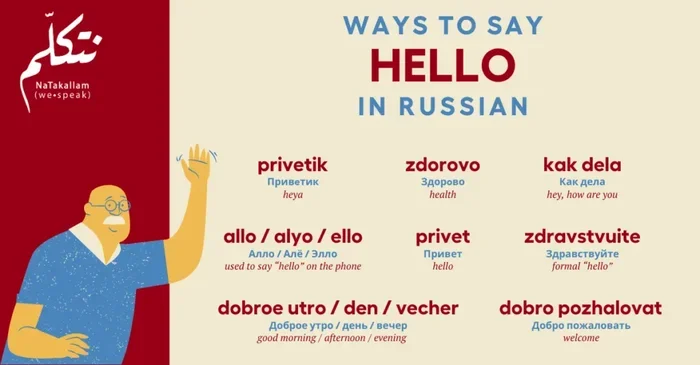

Learning how to say how are you in russian opens the door to real conversations with native speakers. The standard phrase “Как дела?” (Kak dela) works in most situations, but casual and slang versions make you sound more natural. This guide covers formal greetings, informal text slang, pronunciation tips, and cultural context so you can greet people confidently in any setting.
Want to sound less like a textbook and more like a real person when you speak Russian? The journey starts with one simple question: how to say how are you in russian. It might seem tiny, but this greeting sets the tone for every conversation you have in the language.
Most learners stick with the basic “Как дела?” and call it a day. But native speakers use so many more options depending on the situation. Whether you are texting a friend, meeting someone for the first time, or catching up with an old colleague, there is a specific way to ask that fits the moment.
This guide breaks it all down. You will learn formal and informal phrases, pronunciation tricks, cultural dos and donts, and even how Russians greet each other in text messages. By the end, you will know exactly how to say how are you in russian in any situation.
Key Takeaways
- Kak dela (Как дела?) is the most common and versatile way to say how are you in russian.
- Use informal phrases like “Как ты?” with friends and “Как вы?” in formal settings.
- Russian slang greetings like “Что нового?” and “Как идёт?” make conversations feel natural.
- Pronunciation matters — stress the right syllable and soften your consonants for authenticity.
- Cultural context shapes greetings — Russians often expect genuine responses, not just polite small talk.
- Texting in Russian uses short forms and English abbreviations that native speakers actually use.
- Avoid common mistakes like using formal phrases with close friends or skipping the response entirely.
📑 Table of Contents
- The Standard Way: Как Дела? (Kak Dela?)
- Informal Ways to Say How Are You
- Formal and Respectful Greetings
- How Russians Text: Abbreviations and Slang
- Pronunciation Tips That Make You Sound Native
- Cultural Context: Why Russians Ask “How Are You?”
- Common Mistakes to Avoid
- How to Say How Are You in Russian: Quick Reference
- Conclusion
The Standard Way: Как Дела? (Kak Dela?)
Every learner starts here, and for good reason. Как дела? (Kahk deh-LAH) is the go-to phrase for asking someone how they are doing. It works almost everywhere — with coworkers, neighbors, shopkeepers, and people you have just met.
The phrase translates directly to “How are your affairs?” But in practice, it means the same thing as “How are you?” in English. You can use it in almost any setting without sounding too casual or too stiff.
How to Pronounce Как Дела?
Breaking it down syllable by syllable makes it easier:
- Как — sounds like “kahs” (short and soft)
- де — sounds like “deh”
- ла — sounds like “lah”
Put it together: “Kahk deh-lah.” Keep your tone friendly and slightly rising at the end, just like you would in English. The stress falls on the second syllable — “де.”
When to Use Как Дела?
This phrase is your safest bet. Use it:
- When meeting someone you do not know well
- In professional or semi-formal settings
- When you want to sound polite but not overly formal
- As a default greeting when you are unsure of the situation
Most Russian speakers will respond with “Хорошо, спасибо” (Khah-ROH-shah, spah-SEE-bah), which means “Good, thank you.” You can then follow up with “А у тебя?” (Ah oo tee-BYE), meaning “And you?”
Informal Ways to Say How Are You
Once you are comfortable with the standard phrase, it is time to level up. Informal greetings help you connect with friends, peers, and younger Russians. Using the right casual phrase shows that you understand the conversational russian flow.
Как Ты? (Kak Ty?)
This is the informal version of “How are you?” Use it with friends, family, and people your age or younger. The word “ты” (ty) means “you” in the informal singular form.
Pronunciation: “Kahs tih.” Keep it short and natural.
Что Нового? (Shto Novogo?)
This translates to “What is new?” It is a popular casual greeting among friends. Instead of asking directly about someone’s well-being, you are inviting them to share what has been happening in their life.
Example response: “Ничего особенного” (Nyeh-chyoh oh-sah-BYEH-nyee) — “Nothing special.”
Как Идёт? (Kak Idyot?)
This means “How is it going?” It is relaxed and friendly. You will hear it often in everyday conversations among peers.
Use it when you want to check in on someone without being too direct. It works great in casual settings like hanging out or chatting over coffee.
Formal and Respectful Greetings
There are times when you need to be more polite. Formal greetings matter in Russian culture, especially with older people, authority figures, and in professional environments.
Как Вы? (Kak Vy?)
The word “вы” (vy) is the formal or plural “you.” Use this when speaking to someone older, a boss, a teacher, or a stranger in a respectful context.
Pronunciation: “Kahs vih.” The “в” sounds like a soft “v” in this position.
Здравствуйте, Как Дела? (Zdravstvuyte, Kak Dela?)
Start with “Здравствуйте” (Zdrah-STVOOY-tyeh), which means “Hello” in formal situations. Then follow up with “Как дела?” for a complete and polished greeting.
This combination is perfect for:
- Meeting someone for the first time
- Business or official settings
- Speaking with elderly people
- Writing formal emails or messages
How Russians Text: Abbreviations and Slang
Texting in Russian is fast, creative, and full of shortcuts. Native speakers use short forms of words and even borrow abbreviations from English. Understanding these will help you keep up with real russian text abbreviations and casual digital conversations.
Common Text Greetings
- ПРивет, как дела? — “Privet, kak dela?” (Hi, how are you?)
- Как ты? — Short and sweet for friends
- Что новенького? — “What is new?” very casual
You will also see English abbreviations pop up in Russian texts. For example, some people use “wtw” when chatting. If you have ever wondered what “wtw” means in text, it stands for “what are you up to?” — a casual way to check in with someone. Similarly, you might encounter “ts” in text conversations, which has its own specific meaning in digital slang. Knowing these small details helps you understand the informal side of russian language basics that you will not find in textbooks.
Emoji and Tone in Russian Texts
Russians use emojis heavily in text messages. A simple “Как дела?” followed by a smiley face changes the entire tone. It becomes warmer and more personal. Without the emoji, the same phrase can feel a bit flat or even distant.
Quick tip: When texting friends, add a smiley or a heart emoji. It makes your message feel genuine and friendly.
Pronunciation Tips That Make You Sound Native
Getting the sounds right matters more than you think. Even if your grammar is perfect, wrong pronunciation can make your greeting sound off. Here are some tips to help you nail the kak dela pronunciation and other common phrases.
Master the Soft Consonants
Russian has many soft consonant sounds that do not exist in English. When you say “Как,” the “к” should be crisp but not hard. Think of it as a quick, clean “k” sound — not the heavy “k” you use in English words like “kite.”
Stress the Right Syllable
Every Russian word has a stressed syllable. Getting the stress wrong can change the meaning entirely. For “Как дела,” the stress is on “де” — not on “как” or “ла.” Practice saying it slowly and then build up speed.
Soften Your Vowels
Russian vowels change slightly depending on the letters around them. The “а” in “дела” sounds softer and more open than the “a” in English “cat.” Listen to native speakers and try to mimic the warmth in their voice.
Quick Tips for Better Pronunciation
- Record yourself and compare with native audio
- Practice daily for just five minutes
- Focus on one phrase at a time until it feels natural
- Use apps or YouTube videos to hear the correct rhythm
- Do not worry about perfection — progress matters more
Cultural Context: Why Russians Ask “How Are You?”
Here is something many learners do not expect. When a Russian person asks you “Как дела?” they often genuinely want to know. This is different from the English habit of saying “How are you?” as a quick passing greeting without waiting for an answer.
In Russian culture, greetings carry weight. People appreciate honest responses. If you are doing well, share a little detail. If you are having a tough day, it is okay to say so — within reason.
Typical Responses and Follow-Ups
| Your Response | Russian | What It Means |
|---|---|---|
| Good, thank you | Хорошо, спасибо | Standard polite reply |
| Not bad | Нормально | Casual and common |
| Great, thanks! | Отлично, спасибо! | Enthusiastic reply |
| A bit tired | Устал немного | Honest but brief |
| Busy lately | Занят lately | Shows you are active |
After you respond, the conversation usually continues. The other person will often ask “А у тебя?” (And you?) or share a bit about their own life. This back-and-forth is the heart of Russian greeting phrases and everyday everyday russian expressions.
Common Mistakes to Avoid
Even intermediate learners make these errors. Avoiding them will instantly improve your russian greeting phrases and overall conversational confidence.
- Using formal phrases with close friends. Saying “Как Вы?” to a buddy feels awkward and distant. Stick with “Как ты?” for informal settings.
- Ignoring the response. When someone asks you how you are, always reply. Skipping the answer feels rude in Russian culture.
- Overcomplicating your answer. Keep it simple. “Хорошо, спасибо” is perfect. You do not need to write an essay.
- Forgetting the question back. Always ask “А у тебя?” after your reply. It shows interest and keeps the conversation flowing.
- Mispronouncing the stress. “Как ДЕла” not “КАК дела.” Wrong stress makes words sound unfamiliar to native ears.
How to Say How Are You in Russian: Quick Reference
Here is a handy summary of the phrases covered in this guide. Bookmark this section for quick review.
- Как дела? — Standard, works everywhere
- Как ты? — Informal, for friends
- Как вы? — Formal, for strangers and elders
- Что нового? — Casual, “What is new?”
- Как идёт? — Relaxed, “How is it going?”
- Здравствуйте, как дела? — Polite and complete formal greeting
Keep this list handy. The more you practice, the more natural these phrases will feel in real conversations.
Conclusion
Knowing how to say how are you in russian is one of the first and most important steps in building real connections with Russian speakers. From the standard “Как дела?” to casual slang and formal greetings, each phrase has its place and purpose. Pronunciation, cultural awareness, and texting shortcuts all play a role in making your greetings feel authentic.
Start with the basics. Practice the informal versions. Pay attention to how native speakers respond. And do not be afraid to make mistakes — every conversation is a chance to improve. With these tools in your pocket, you are ready to greet anyone in Russian with confidence and warmth.
The best way to learn is to use these phrases in real life. Send a message to a Russian-speaking friend, try a greeting in a conversation, or practice out loud by yourself. Every small step brings you closer to sounding like a native speaker.
Frequently Asked Questions
What is the most common way to say how are you in russian?
The most common phrase is “Как дела?” (Kak dela). It works in almost every situation, from casual meetups to semi-formal conversations. Most Russian speakers understand and use this greeting daily.
Should I use “Как ты?” or “Как вы?” when greeting someone?
Use “Как ты?” with friends, family, and people your age. Use “Как вы?” with strangers, older people, or in professional settings. Choosing the right form shows respect and social awareness.
Do Russians expect a detailed answer when they ask “Как дела?”
Yes, in many cases. Unlike the English “How are you?” which is often just a greeting, Russians usually expect a real response. A simple “Хорошо, спасибо” works, but adding a small detail makes the conversation feel more genuine.
What does “wtw” mean in text when chatting with Russian speakers?
“Wtw” stands for “what are you up to?” It is an English abbreviation that some Russian speakers use in text messages, especially younger ones. It is a casual way to check in with a friend, similar to saying “Что нового?” in Russian.
How can I sound more natural when greeting people in Russian?
Focus on pronunciation, use the right formality level, and add a follow-up question like “А у тебя?” Practice with native audio, and do not be afraid to use slang and casual phrases with friends. The more you use real phrases, the more natural you will sound.
Are there any slang versions of “how are you” in Russian I should know?
Yes, phrases like “Что нового?” (What is new?) and “Как идёт?” (How is it going?) are popular slang greetings. They work best with friends and in relaxed settings. Using these shows you understand informal russian slang and helps you blend in with native speakers.



