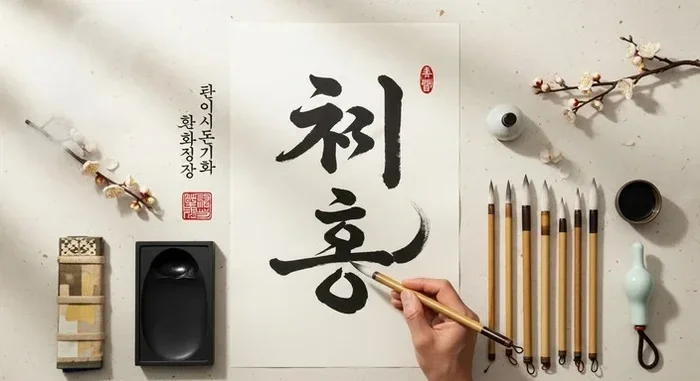

Learning how to say i hate you in korean is more nuanced than a direct translation. Korean language and culture place heavy emphasis on respect, hierarchy, and context. This guide covers formal and casual expressions, cultural insights, and texting tips so you can communicate strong feelings without causing offense.
Have you ever wondered how to say i hate you in korean without causing a scene? Maybe you are watching a Korean drama and heard a character fire off a heated phrase. Or perhaps you are learning Korean and want to understand the full range of emotional expressions. Whatever your reason, this guide has you covered.
The Korean language is rich with nuance. Every word carries weight based on who you are talking to and the situation. Saying something strong like “I hate you” requires careful thought. In this article, we break down the phrases, the cultural rules, and the texting shortcuts so you can communicate honestly and respectfully.
Key Takeaways
- Korean has multiple speech levels: Formal, informal, and casual tones change how “I hate you” lands.
- Context is everything: Using the wrong level can seriously offend someone in Korean culture.
- Softer alternatives exist: You can express frustration or dislike without using harsh words.
- Texting has its own norms: Korean text abbreviations and slang differ from English equivalents.
- Practice makes progress: Regular use of these phrases in the right settings builds confidence.
📑 Table of Contents
Understanding Korean Speech Levels and Emotion
Before diving into specific phrases, you need to understand how Korean speech levels work. Korean has several levels of formality that shape every sentence. The level you choose determines whether your words sound polite, neutral, or blunt.
Using the wrong speech level is one of the biggest mistakes learners make. For example, speaking casually to someone older or in a position of authority can feel disrespectful. The same phrase said in a formal tone versus a casual tone can mean completely different things.
The Formal Speech Level
The formal speech level uses endings like “-습니다” (seumnida) and “-ㅂ니다” (mnida). This level shows respect and distance. When you use formal Korean, your words sound measured and careful. It is the safest choice in most situations, especially with people you do not know well.
If you want to express dislike formally, you would soften your words significantly. Direct anger is rarely appropriate in formal settings. Instead, Koreans use indirect language to convey strong emotions while maintaining politeness.
The Informal and Casual Speech Levels
The informal level uses endings like “-요” (yo). This is common among friends and people of similar age. It feels friendly but still carries a degree of respect.
The casual level drops all polite endings. You might use this with close friends or people younger than you. However, even casual Korean has unwritten rules. Using overly harsh words casually can still hurt someone deeply.
How to Say I Hate You in Korean
Now let us look at the actual phrases. There are several ways to say i hate you in korean, and each one fits a different situation. We will cover formal options, informal options, and softer alternatives.
Formal Expressions of Dislike
When you need to express strong feelings formally, you have a few options. These phrases keep your tone respectful while still conveying your emotion clearly.
- 미워합니다 (miweohamnida) – “I hate you” in formal Korean. This is the most polite way to say it.
- 싫어합니다 (silheohamnida) – “I dislike you” in formal Korean. Softer than 미워합니다 but still clear.
- 당신을 싫어합니다 (dangshineul silheohamnida) – “I dislike you” with the explicit “you” attached.
These formal phrases work well in professional settings or when speaking with elders. They deliver your message without crossing into rudeness. However, even in formal Korean, saying you hate someone is a strong statement. Use it sparingly.
Informal and Casual Ways to Say It
If you are among close friends or peers, you have more options. These phrases feel more natural in everyday conversation but still carry emotional weight.
- 미워 (miweo) – “I hate you” in casual Korean. Short and direct.
- 싫어 (silheo) – “I dislike you” casually. Less intense than 미워.
- 너를 미워해 (neoreul miweohae) – “I hate you” with “you” specified. More personal.
- 진짜 싫어 (jinjja silheo) – “I really dislike you.” Adds emphasis with 진짜 (really).
Using these casual phrases requires awareness of your audience. Saying 미워 to a boss or elder would be very inappropriate. Save these for situations where the tone matches the relationship.
Softer Alternatives That Still Get the Point Across
Sometimes you want to express frustration without saying “I hate you” directly. Korean offers several softer alternatives that convey similar feelings.
- 짜증나다 (jjajeungnada) – “I am annoyed.” This is a common way to express frustration.
- 성가시다 (seonggasida) – “I am irritated.” A milder option that still shows displeasure.
- 다시는 만나고 싶지 않아 (dasineun mannago shipji anha) – “I do not want to see you again.” A strong statement without using hate.
These alternatives let you express strong emotions while staying within cultural bounds. They give you room to be honest without burning bridges. In Korean culture, preserving relationships often matters more than venting in the moment.
Korean Text Abbreviations and Slang
Texting in Korean has its own set of rules and shortcuts. Just like in English, where people use abbreviations like what does wtw mean in text, Korean texters have their own shorthand. Understanding these can help you navigate digital conversations more naturally.
Common Korean Text Slang for Strong Emotions
When texting in Korean, people often shorten phrases for speed and style. Here are some common ones related to expressing negative emotions.
- 싫어 (silheo) – Used in texts just as in speech. Very common in casual messaging.
- 미워 (miweo) – Also popular in text form. Short and to the point.
- ㅋㅋㅋ (kkk) – Laughing emoticon. Koreans use this differently than “LOL” in English, similar to how what does ts mean in text carries specific tone in English texting.
- ㅠㅠ (uu) – Crying face emoticon. Often used to express sadness or frustration.
- 화남 (hwanam) – Short for “화가 남” (angry). Used in texts to show irritation.
Korean emoticons and abbreviations add emotional layers to text conversations. They help soften harsh words and add context that plain text might lack. Using them correctly shows cultural awareness and helps your message land the right way.
How Texting Norms Differ from Spoken Korean
In spoken Korean, speech levels are built into every sentence. In texting, these levels become more relaxed. People often drop formal endings even when writing to someone older or more senior.
However, this does not mean texting is free of rules. Using overly casual language with someone you barely know can still feel disrespectful. The key is matching your tone to the relationship. When in doubt, err on the side of politeness.
Cultural Context Behind Expressing Strong Feelings
Korean culture places a high value on harmony and respect. Expressing negative emotions directly is not always encouraged, especially in public or formal settings. Understanding this cultural backdrop helps you use the right phrases at the right time.
Why Koreans Avoid Direct Confrontation
In many Korean social settings, maintaining face is important. Both your face and the other person’s face matter. Saying “I hate you” bluntly can cause both parties to lose face. This is why softer alternatives and indirect expressions are often preferred.
Confucian values also play a role. Respect for elders, social hierarchy, and group harmony shape how people communicate. Strong negative emotions are usually expressed privately or through careful word choices.
When It Is Okay to Be Direct
There are times when directness is acceptable. Close friends often use strong language casually without meaning lasting harm. Dramatic expressions are also common in K-dramas and pop culture, where they serve as entertainment rather than real communication.
In everyday life, most Koreans prefer to cool down before addressing conflict. Giving space and time is often seen as more respectful than firing off strong words in the heat of the moment.
Common Mistakes Learners Make
When learning how to say i hate you in korean, mistakes are easy to make. Here are some common pitfalls to avoid.
- Using casual speech with strangers: This can come across as rude or aggressive. Always gauge the relationship first.
- Mixing speech levels: Switching between formal and casual mid-sentence confuses listeners and can feel jarring.
- Overusing strong phrases: Saying 미워 or 싫어 too often dilutes their impact and can feel insincere.
- Ignoring cultural context: A phrase that seems mild in English might carry much more weight in Korean.
- Assuming translations are exact: “I hate you” and its Korean equivalents do not always carry the same emotional intensity.
Avoiding these mistakes will help you communicate more effectively and respectfully. Take time to learn the context behind each phrase before using it in real conversations.
Quick Tips for Practicing These Phrases
Getting comfortable with emotional Korean expressions takes practice. Here are some tips to help you improve.
- Start with the softer alternatives. Phrases like 짜증나다 are safer for daily practice.
- Practice with a language partner. A native speaker can tell you when a phrase fits the situation.
- Watch Korean dramas with subtitles. Pay attention to how characters use different speech levels.
- Write short dialogues. Practice scenarios where you might need to express dislike or frustration.
- Use Korean texting apps. Messaging with Korean friends helps you learn natural text slang and abbreviations.
Consistent practice in real or simulated settings builds your confidence. Over time, you will naturally know which phrase fits which situation.
Final Thoughts on Expressing Strong Emotions in Korean
Learning how to say i hate you in korean without offending anyone is about more than just memorizing phrases. It is about understanding the culture, the speech levels, and the relationships between people. Korean communication values respect, harmony, and context above all else.
Whether you choose a formal expression like 미워합니다 or a casual one like 미워, always consider your audience. Softer alternatives like 짜증나다 give you a safe middle ground. And when texting, remember that Korean digital communication has its own set of norms and abbreviations.
With the knowledge in this guide, you are better equipped to express strong feelings in Korean while staying respectful. Practice these phrases, pay attention to cultural cues, and you will communicate with confidence and care.
Frequently Asked Questions
Is it rude to say I hate you in Korean?
It depends on the context and speech level. Using formal Korean and softer alternatives is generally respectful. Saying 미워 directly to someone older or in a position of authority would be considered very rude. Always consider your relationship and the setting before using strong emotional phrases.
What is the most polite way to say I hate you in Korean?
The most polite form is 미워합니다 (miweohamnida). This uses the formal speech level and conveys your feelings without being aggressive. It is appropriate for situations where you need to express displeasure but want to maintain respect and decorum.
Do Korean people actually say I hate you in real life?
Yes, but less often than in Western cultures. Koreans tend to express negative emotions more indirectly. Close friends might use casual phrases like 미워 during arguments, but even then, the intensity is usually lower than a direct English translation might suggest.
Can I use these phrases when learning Korean as a beginner?
Yes, but start with the softer alternatives. Phrases like 짜증나다 (I am annoyed) are safer for beginners. As you become more comfortable with speech levels and cultural norms, you can gradually incorporate stronger expressions into your vocabulary.
How do Korean emoticons change the meaning of text messages?
Korean emoticons like ㅋㅋㅋ (laughing) and ㅠㅠ (crying) add emotional context to text messages. They help soften harsh words and clarify your tone. Using the right emoticon with your message can prevent misunderstandings and make your texting feel more natural.
What is the difference between 미워 and 싫어 in Korean?
미워 (miweo) means “I hate you” and carries stronger emotional weight. 싫어 (silheo) means “I dislike you” or “I do not like you” and is generally softer. Both are casual forms, but 싫어 is less intense and easier to use in everyday situations without causing offense.
=== CONCLUSION ===
Mastering how to say i hate you in korean opens up a deeper understanding of the language and culture. The Korean language offers a wide range of expressions, from formal and polite to casual and direct. Each phrase fits a specific context, and using them correctly shows respect for Korean communication norms.
Remember that softer alternatives like 짜증나다 and 성가시다 give you honest ways to express frustration without harshness. Texting in Korean adds another layer of nuance, with emoticons and abbreviations shaping how your words are received.
Take what you have learned here and start practicing. Whether you are talking, texting, or just trying to understand Korean media, these expressions will serve you well. The key is always context, respect, and awareness of the people around you.



