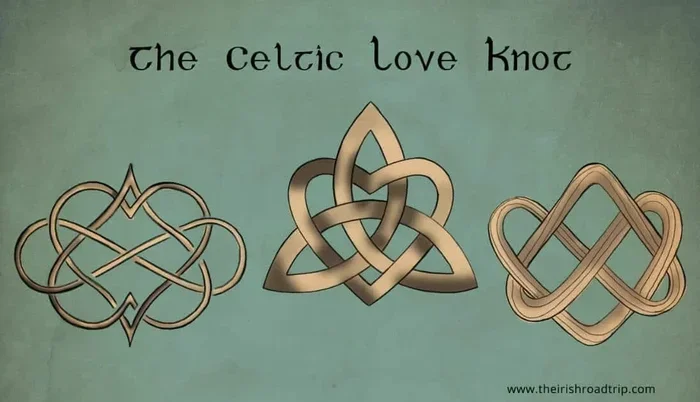

Learning how to say I love you in Irish opens up a world of beautiful, heartfelt expressions rooted in centuries of Celtic tradition. This guide covers everything from basic Irish love phrases to deeper romantic words that native speakers actually use. You will discover pronunciation tips, texting-friendly shortcuts, and cultural insights that make Irish love words truly special.
There is something truly magical about expressing love in a language that carries centuries of tradition and culture. If you have ever wondered how to say I love you in Irish, you are in the right place. The Irish language, also known as Gaeilge, offers some of the most beautiful and heartfelt ways to share your feelings with someone special.
Whether you are planning to surprise an Irish partner, connecting with your heritage, or simply exploring a new language, learning Irish love phrases opens a door to a richer emotional experience. This guide will walk you through everything you need to know, from basic phrases to deeper romantic expressions that native speakers actually use.
By the end of this article, you will have a solid collection of Irish romantic words and phrases, tips on pronunciation, and cultural insights that go far beyond simple translations. Let us dive in and discover the beauty of love in the Irish language.
Key Takeaways
- Multiple ways to say I love you: Irish offers several phrases like “Is breá liom tú” and “Tá grá agam duit” for different levels of intimacy.
- Pronunciation matters: Irish has unique sounds like the soft “ch” and vowel mutations that take practice but are easy to learn with listening.
- Rich romantic vocabulary: Beyond “I love you,” Irish offers poetic terms of endearment like “mo ghrá” and “mo chuisle” that native speakers cherish.
- Texting in Irish is popular: Younger Irish speakers blend traditional phrases with modern text abbreviations for a unique communication style.
- Cultural depth adds meaning: Irish love phrases carry history, poetry, and community spirit that make them more powerful than simple translations.
- Dialects vary across Ireland: Ulster, Connacht, and Munster each have slight differences that can make your expression more personal and authentic.
- Consistent practice is key: Listening to Irish music, watching films, and writing love notes are the best ways to build fluency in romantic Irish expressions.
📑 Table of Contents
- The Beauty of Saying I Love You in Irish
- How to Say I Love You in Irish – Basic Phrases
- Romantic Irish Phrases Beyond “I Love You”
- Quick Tips for Using Irish Love Phrases
- Texting Irish Love Phrases in Modern Times
- Common Mistakes to Avoid When Using Irish Love Phrases
- Expert Tips for Learning Irish Love Expressions
- Conclusion
The Beauty of Saying I Love You in Irish
The Irish language has a musical quality that makes even the simplest words sound poetic. When you learn how to say I love you in Irish, you are not just translating words. You are connecting with a tradition that stretches back thousands of years.
Why Irish Love Phrases Matter
Irish is a Celtic language spoken primarily in Ireland. It holds deep cultural significance for the Irish people. Using Irish phrases to express love shows respect for the language and the culture behind it.
Many Irish speakers feel a strong emotional connection to their native tongue. When you speak to someone in Irish, especially about love, you tap into something personal and profound. It shows effort, thoughtfulness, and genuine care.
The Irish language also carries a sense of warmth that is hard to find in other languages. Words like mo ghrá (my love) and tá mo chroí ag rince (my heart is dancing) paint vivid emotional pictures. These phrases carry weight and meaning that goes far beyond their literal translations.
The Cultural Significance of Love in Irish
In Irish culture, love is expressed through poetry, music, and storytelling. The language itself has a lyrical quality that lends itself perfectly to romantic expression. Irish poets and songwriters have used the language to capture the essence of love for generations.
When you learn how to express love in Irish, you are stepping into a tradition of Gaelic love phrases that have been passed down through families and communities. Each phrase carries history, emotion, and a sense of belonging.
The Irish approach to love tends to be sincere and deeply felt. Rather than grand gestures, Irish speakers often prefer heartfelt, simple expressions. This authenticity is what makes Irish love phrases so powerful and memorable.
How to Say I Love You in Irish – Basic Phrases
Let us start with the essentials. Here are the most common ways to say I love you in Irish, along with pronunciation tips and context for each phrase.
The Most Common Ways to Express Love
There is no single way to say I love you in Irish. The language offers several options depending on the level of intimacy and the context. Here are the key phrases you should know:
- Tá grá agam duit. (Taw grah ag-um gwich) – I have love for you. This is a classic and widely used phrase that works in most situations.
- Is breá liom tú. (Iss brah lum too) – I love you / I adore you. This is perhaps the most direct translation and the one most commonly taught.
- Mo ghrá thú. (Mo graw hoo) – My love for you. This is tender and intimate, perfect for close relationships.
- Tá mo chroí istigh ionat. (Taw mo kree ish-tih go-nat) – My heart is within you. A deeply romantic expression that resonates with Irish speakers.
- Grá mo chroí. (Graw mo kree) – Love of my heart. A beautiful and poetic way to declare your feelings in any setting.
Each of these phrases carries a slightly different tone. Some are more formal, while others feel deeply personal. The best choice depends on your relationship and the moment you are sharing.
Pronunciation Guide for Irish Love Phrases
Irish pronunciation can be tricky for English speakers. The language has sounds that do not exist in English, and the spelling system works differently. Here are some tips to help you get it right:
- The combination “gr” often sounds like a soft “grr” with a slight roll at the back of the throat.
- The “ch” sound in Irish is like the “ch” in “loch” or the German “Bach.” It is a soft, breathy sound that takes practice.
- Vowels in Irish can change sound depending on the consonants around them. This is called vowel mutation, and it is a key feature of the language.
- Stress usually falls on the first syllable of a word, which makes Irish phrases easier to handle than you might expect.
If you are unsure about pronunciation, listening to native speakers is the best approach. Apps, Irish music, and podcasts can all help you hear the correct sounds. Practice saying the phrases out loud until they feel natural and comfortable.
Comparison Table: Irish Love Phrases at a Glance
| Irish Phrase | Pronunciation | Meaning | Best Used For |
|---|---|---|---|
| Tá grá agam duit | Taw grah ag-um gwich | I have love for you | Everyday expressions of love |
| Is breá liom tú | Iss brah lum too | I love you / I adore you | Direct and sincere declarations |
| Mo ghrá thú | Mo graw hoo | My love for you | Intimate, one-on-one moments |
| Tá mo chroí istigh ionat | Taw mo kree ish-tih go-nat | My heart is within you | Deeply romantic occasions |
| Grá mo chroí | Graw mo kree | Love of my heart | Poetic declarations and letters |
Romantic Irish Phrases Beyond “I Love You”
Once you know the basics, you can expand your vocabulary with deeper romantic expressions. Irish offers a rich collection of phrases that go far beyond the simple “I love you.” These words add layers of emotion and beauty to your conversations.
Heartfelt Phrases for Special Moments
These phrases are perfect for romantic moments, love letters, or heartfelt conversations with your partner:
- Tá mo shaol ag teastáil ótú. – My life needs you. This expresses how someone completes your world in a way that is deeply moving.
- Is tusa an gháire agus an grás. – You are the laughter and the grace. A beautiful compliment that highlights someone’s joy and elegance.
- Bhí mo chroí ag teacht abhaile. – My heart was coming home. Use this when you see someone you love after being apart for a while.
- Is é tú an phríomhghrá mo shaoil. – You are the first love of my life. A powerful declaration of deep and lasting commitment.
- Tá sé deas an rud é a bheith ag dul leat. – It is nice to be going with you. Simple but sweet for everyday moments together.
These phrases show that the Irish language has a way of making even simple sentiments sound profound and beautiful. They work wonderfully in love letters, wedding vows, or quiet moments between partners who share a connection to the Irish language.
Irish Terms of Endearment
Terms of endearment are an important part of any romantic language. Irish has several lovely options that native speakers use regularly:
- Mo ghrá – My love. The most common and beloved term of endearment in Irish.
- Mo chuisle (Mu khish-la) – My pulse / My darling. A tender term that reflects the heartbeat connection between lovers.
- Mo stór (Mu stor) – My treasure. A sweet and affectionate way to describe someone you cherish.
- Mo rí (Mu ree) – My king / My queen. A term that elevates your partner and shows deep respect.
- An táin – A term of deep affection used in traditional Irish poetry and song.
Using these terms in daily conversation adds warmth and intimacy. Irish speakers often use them naturally, so incorporating them into your own speech will make your expressions feel more authentic and personal.
Quick Tips for Using Irish Love Phrases
Want to make the most of these Irish expressions? Here are some quick tips to help you use them confidently:
- Start with one phrase. Pick your favorite and practice it until it feels natural. Mastery of one phrase is better than shallow knowledge of many.
- Listen before you speak. Irish pronunciation can be challenging. Spend time listening to native speakers through music or videos before trying to speak yourself.
- Use phrases in context. Say your chosen Irish love phrase during real moments, not just in practice. Context helps you remember and builds confidence.
- Do not worry about mistakes. Irish speakers appreciate the effort far more than perfect pronunciation. Your sincerity will shine through regardless.
- Mix Irish with English. There is no rule that says you must choose one language. Blending Irish phrases into English conversation is natural and common.
Texting Irish Love Phrases in Modern Times
In today’s digital world, love is often expressed through text messages. Many people wonder how to incorporate Irish phrases into their texts, especially when chatting with someone special or an Irish partner.
When you are texting someone in Irish, you might also use common abbreviations to keep things casual and fun. For example, you might use wtw meaning in text alongside Irish phrases to keep the conversation light and natural. This blend of traditional Irish expressions with modern texting shorthand is actually quite common among younger Irish speakers who grew up bilingual.
Similarly, some people use ts meaning in text in playful ways when texting their partners. The combination of Irish romantic phrases with modern text language creates a unique and personal communication style that feels both traditional and contemporary.
Here are some ideas for texting your loved one in Irish:
- Start the day with “Dia dhuit a ghrá” (Jee-uh gwitch ah graw) – Good morning, my love.
- Send a sweet note: “Tá grá agam duit” to remind them of your feelings throughout the day.
- Use “Mo ghrá” as a quick and affectionate sign-off that always brings a smile.
- Mix in a phrase like “Is breá liom tú” when you want to express deeper affection in a text.
The key is to keep it natural. Your partner will appreciate the effort, even if your pronunciation is not perfect. The intention behind the words matters most, and using Irish phrases in texts shows a level of thoughtfulness that stands out in today’s fast-paced digital communication.
Common Mistakes to Avoid When Using Irish Love Phrases
Learning a new language always comes with challenges. Here are some common mistakes people make when trying to use Irish romantic phrases, and how to avoid them.
Skipping Pronunciation Practice
One of the biggest mistakes is guessing how to pronounce Irish words without practice. Irish has sounds that do not exist in English, and getting them wrong can change the meaning of a word entirely. Take the time to listen and repeat before using these phrases in real conversations with your partner.
Using Phrases Out of Context
Some Irish love phrases carry cultural weight and are best reserved for meaningful moments. Using a deeply romantic phrase casually can dilute its impact. Learn when each phrase is appropriate and let the context guide your choice of words.
Ignoring Dialect Differences
Ireland has several dialects of Irish, including Ulster, Connacht, and Munster. Pronunciation and even some vocabulary can vary between regions. If your partner is from a specific area, try to learn the dialect they speak. This small effort shows real respect and attention to detail that will not go unnoticed.
Overcomplicating Things
You do not need to master the entire Irish language to express love. Even learning a handful of phrases can make a meaningful difference. Keep it simple, stay genuine, and let the beauty of the language do the work for you.
Expert Tips for Learning Irish Love Expressions
If you want to truly master how to say I love you in Irish, here are some practical tips from language learners and native speakers who have walked this path before you.
- Listen to Irish music. Songs are one of the best ways to absorb the rhythm and emotion of the language. Artists like Clannad, The Chieftains, and Enya use beautiful Irish phrases that are perfect for romantic expression.
- Watch Irish films and shows. Media gives you context for how native speakers use these phrases in everyday life. You will also pick up on tone, emotion, and the natural flow of Irish conversation.
- Practice with a language partner. Finding a conversation partner, whether online or in person, helps you use Irish phrases in real conversations. Apps like Tandem or HelloTalk can connect you with Irish speakers from all over the world.
- Write love notes in Irish. There is something special about putting pen to paper (or fingers to keyboard) in a second language. Writing forces you to think carefully about word choice, grammar, and the emotion behind each phrase.
- Be patient with yourself. Language learning is a journey, not a destination. Every phrase you learn brings you closer to expressing your feelings in a meaningful and authentic way that will touch your loved one’s heart.
The most important thing is to enjoy the process. Learning a language about love is one of the most rewarding experiences you can have. Each new phrase you master brings you closer to expressing your deepest feelings in a language that is as beautiful as the emotion itself.
Conclusion
Learning how to say I love you in Irish is more than just a language exercise. It is a way to connect with Irish culture, show genuine care, and express feelings in a language that carries centuries of romantic tradition behind every word.
From the simple “Is breá liom tú” to the poetic “Grá mo chroí,” each phrase offers a unique way to share your love. Whether you are texting a loved one, writing a heartfelt letter, or speaking face to face, these Irish expressions will add depth and authenticity to your words.
Start with the basics, practice your pronunciation, and gradually build your collection of Irish romantic phrases. The effort you put into learning will shine through in every word you speak. Your loved one will feel the difference, and you will carry a piece of Irish culture with you wherever you go.
The Irish language has a way of making love feel timeless, and now you have the tools to share that magic with someone special in your life.
Frequently Asked Questions
What is the most common way to say I love you in Irish?
The most common and widely recognized phrase is “Is breá liom tú,” which directly translates to “I love you” or “I adore you.” It is the phrase most Irish learners start with, and native speakers understand it immediately. It works well in both casual and heartfelt settings.
Is Irish the same as Gaelic?
Irish is often called Gaelic, but technically, Irish is the name of the language spoken in Ireland. Gaelic can refer to Irish, Scottish Gaelic, or Manx Gaelic. When people say “Gaelic love phrases,” they are usually referring to Irish. The Irish language itself is called Gaeilge in Irish.
Do Irish people still speak Irish today?
Yes, Irish is still spoken today, especially in areas known as Gaeltacht regions where it is the primary community language. Even in urban areas, many Irish people know and use Irish phrases in daily life, including romantic expressions. Irish is also taught in schools across the country as part of the national curriculum.
Can I use Irish love phrases even if I am not Irish?
Absolutely. Irish love phrases are beautiful and meaningful regardless of your background. Using them shows respect for Irish culture and adds a unique, heartfelt touch to your expressions of love. Most Irish people will be deeply touched that you took the time to learn phrases in their native language.
How long does it take to learn Irish love phrases?
You can learn the basic Irish love phrases in just a few days of practice. Pronunciation may take a bit longer, but even a week of daily listening and repeating can make a big difference. The key is consistent, enjoyable practice rather than rushing to perfection.
Are there different versions of “I love you” depending on the Irish dialect?
Yes, there are slight variations across the three main dialects of Irish: Ulster, Connacht, and Munster. Pronunciation differs most, and some vocabulary may vary. Learning the dialect your partner or their family uses shows extra care and attention. However, the standard phrases like “Is breá liom tú” are understood across all dialects.



