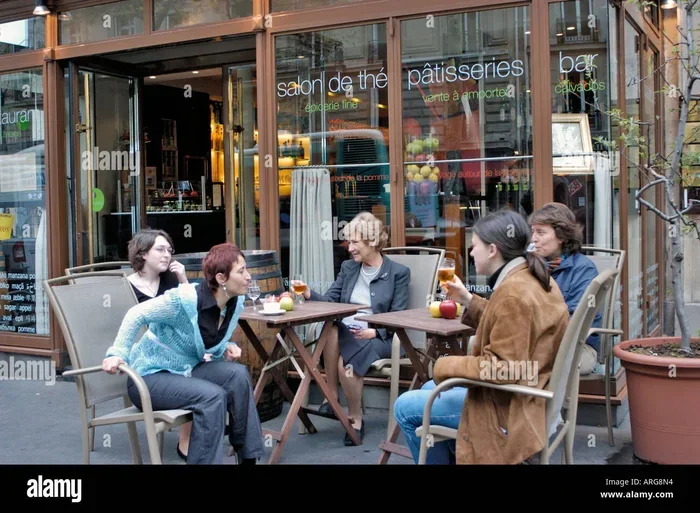

Knowing how to say maybe in french opens doors to smoother conversations and deeper cultural understanding. The most common translation is peut-être, but French offers many other ways to express uncertainty, from casual slang to polished formal phrases. This guide covers every option with real examples, tips, and common mistakes to avoid.
Whether you are planning a trip to Paris or chatting with a French friend online, knowing how to say maybe in french is a game-changer. The word “maybe” seems simple in English, but French gives you several options depending on the situation, the tone, and even the level of formality. In this guide, we will walk through every practical way to express uncertainty in French. You will learn the standard translation, casual alternatives, and even some texting shortcuts. By the end, you will sound way more natural in real conversations.
French is a beautiful language, but it can feel tricky when you are trying to keep up with everyday expressions. Simple English words like “maybe” do not always have a one-to-one match. Instead, French speakers choose from a range of phrases based on context. This is exactly why learning how to say maybe in french properly matters so much. It is not just about translation. It is about sounding like you belong in the conversation.
Key Takeaways
- Peut-être is the standard and most widely used way to say maybe in french.
- There are formal and informal versions, so choosing the right one depends on your audience.
- Phrases like “si tu veux” and “on verra” add a natural, native feel to your responses.
- Using the wrong tone or formality level is a common mistake beginners make.
- Practicing with real dialogue examples helps you internalize how and when to use each phrase.
- Understanding french texting slang like Wtw or Ts can help you navigate digital conversations too.
- Funny French names and cultural tidbits make learning these expressions more fun and memorable.
📑 Table of Contents
- The Standard Way to Say Maybe in French
- Informal and Casual Ways to Say Maybe
- Formal Ways to Say Maybe in French
- How to Say Maybe in French Texting and Digital Conversations
- Common Mistakes When Saying Maybe in French
- Quick Tips to Sound More Natural
- Comparison Table: Formal vs Informal Maybe in French
- Key Takeaways
- Frequently Asked Questions
- Final Thoughts
The Standard Way to Say Maybe in French
The go-to translation for “maybe” in French is peut-être. This is what you will hear in movies, on the news, and in formal settings. It works in almost every situation, which makes it the perfect starting point for beginners. The word literally breaks down into “peut” (can) and “être” (be), which gives you a sense of possibility. When you say peut-être, you are expressing that something might or might not happen.
Here are a few quick examples to show how peut-être fits into real sentences:
- Tu viens demain? — Peut-être. (Are you coming tomorrow? — Maybe.)
- Il va pleuvoir. — Peut-être. (It is going to rain. — Maybe.)
- Je vais accepter l’offre. — Peut-être. (I am going to accept the offer. — Maybe.)
Notice how short and simple these responses are. That is the beauty of peut-être. It stands on its own. You do not need to add extra words unless the situation calls for it. This makes it the most versatile and reliable option when you want to say maybe in french.
When to Use Peut-Être
Use peut-être in both written and spoken French. It is appropriate for formal emails, casual chats, and everything in between. If you are ever unsure which version of “maybe” to pick, default to peut-être. It will never steer you wrong. Native speakers use it daily, so you will sound completely natural the moment you start using it.
Informal and Casual Ways to Say Maybe
French has a rich collection of informal expressions that go beyond peut-être. If you want to sound relaxed and natural in everyday conversations, these alternatives are essential. Casual French often drops the formality and leans on shorter, punchier phrases. This is where your conversations start to feel authentic rather than textbook-like.
On Verra
One of the most popular casual ways to say maybe is on verra, which literally translates to “we will see.” French speakers use this all the time when they are not ready to commit to an answer. It carries a friendly, easygoing vibe. You might hear it in a café in Marseille or in a text message from a friend in Lyon.
Example: — On sort ce soir? — On verra. (— Are we going out tonight? — We will see / Maybe.)
Si Tu Veux
Si tu veux means “if you want to” and is another common way to express maybe. It softens your response and puts the decision in the other person’s hands. This phrase works great when you are not sure about your own feelings but do not want to shut someone down either.
Example: — Tu veux aller au cinéma? — Si tu veux. (— Do you want to go to the movies? — If you want to / Maybe.)
Bof
For a truly laid-back response, try bof. This is pure slang and expresses indifference or uncertainty. It is like saying “meh, maybe” in English. Use this only with close friends. It would be too casual for any formal setting, but among peers, it feels completely natural.
Example: — On fait la fête ce week-end? — Bof, peut-être. (— Are we partying this weekend? — Meh, maybe.)
Formal Ways to Say Maybe in French
If you are writing a professional email or speaking in a business meeting, casual slang will not work. You need formal expressions for maybe in french that convey politeness and thoughtfulness. The good news is that peut-être already fits formal contexts perfectly. But there are a few additional phrases that elevate your tone even further.
Il Se Peut Que
This phrase means “it is possible that” and is a more sophisticated way to express uncertainty. It is perfect for formal writing or professional discussions. When you say il se peut que, you show that you have considered the possibility carefully.
Example: Il se peut que nous puissions organiser une réunion la semaine prochaine. (It is possible that we could organize a meeting next week.)
Ça Reste à Voir
Translated as “that remains to be seen,” this phrase is both polite and diplomatic. It is widely used in professional environments and formal conversations. It gives you time to think without committing to a yes or no answer.
Example: — Acceptera-t-il la proposition? — Ça reste à voir. (— Will he accept the proposal? — That remains to be seen.)
How to Say Maybe in French Texting and Digital Conversations
Texting in French has its own unwritten rules. People shorten words, use abbreviations, and rely on context more than ever. If you are texting a French friend, knowing the right shortcuts makes a huge difference. The digital world moves fast, and your responses need to keep up.
When you are texting, peut-être still works perfectly fine. However, many French texters prefer shorter alternatives like pk pas (short for “pourquoi pas,” meaning “why not”) or simply on verra. Some people also use the letter “M” on its own as a quick shorthand for maybe. Keep your messages short and let the context do the heavy lifting.
It is also worth noting that French texting culture borrows from English abbreviations sometimes. You might see terms like Wtw meaning in text or Ts meaning in text pop up in bilingual conversations. While these are not French themselves, they appear in mixed-language chats, especially among younger speakers. Understanding them helps you keep up with modern digital communication.
French Names and Cultural Flavor
One fun way to deepen your connection with the French language is exploring funny French names. French culture loves wordplay and humor, and this extends into everyday conversation. When you are learning expressions like “maybe,” imagine using them with a character who has a quirky French name. It makes the practice feel playful and memorable. Language learning sticks better when you add a bit of personality and culture into the mix.
Common Mistakes When Saying Maybe in French
Even intermediate learners make mistakes with these expressions. The good news is that most of them are easy to avoid once you know what to watch out for. Let us look at the most common pitfalls.
Using the Wrong Level of Formality
The biggest mistake is using casual phrases like bof in a formal email or meeting. This can come across as disrespectful or unprofessional. Always match your expression to the setting. When in doubt, stick with peut-être. It is safe, polite, and universally appropriate.
Overusing One Phrase
Another mistake is relying too heavily on a single expression. If you only use peut-être for every situation, your French will start to sound flat and repetitive. Mix in on verra, si tu veux, and ça reste à voir to add variety and natural flow to your speech.
Translating Word for Word
English and French structure sentences differently. Do not try to translate “maybe” literally into every context. Instead, learn the phrases as complete units. This way, you will internalize how native speakers actually express uncertainty in real life.
Quick Tips to Sound More Natural
- Practice saying peut-être out loud every day until it feels automatic.
- Listen to French podcasts or watch French shows and notice how characters express maybe.
- Use on verra in casual settings to sound more relaxed and native-like.
- Keep a notebook of new French uncertainty phrases and review them weekly.
- Do not be afraid to make mistakes. French speakers appreciate the effort.
- Combine expressions. For example, “Bof, on verra” sounds very natural in informal chat.
- When texting, keep your responses short and match the energy of the conversation.
Comparison Table: Formal vs Informal Maybe in French
| Expression | Tone | Best Used In | Example Context |
|---|---|---|---|
| Peut-être | Neutral | All settings | General conversations, emails, meetings |
| On verra | Casual | Texting, friends, daily chat | Making plans with peers |
| Si tu veux | Casual | Informal discussions | Suggesting or agreeing loosely |
| Bof | Very casual | Close friends only | Expressing indifference |
| Il se peut que | Formal | Professional writing | Business proposals, formal emails |
| Ça reste à voir | Formal | Diplomatic or professional settings | Workplace discussions |
Key Takeaways
- Peut-être is the standard and most widely used way to say maybe in french.
- There are formal and informal versions, so choosing the right one depends on your audience.
- Phrases like “si tu veux” and “on verra” add a natural, native feel to your responses.
- Using the wrong tone or formality level is a common mistake beginners make.
- Practicing with real dialogue examples helps you internalize how and when to use each phrase.
- Understanding french texting slang like Wtw or Ts can help you navigate digital conversations too.
- Funny French names and cultural tidbits make learning these expressions more fun and memorable.
Frequently Asked Questions
What is the most common way to say maybe in French?
The most common and standard way to say maybe in French is peut-être. It works in every setting, from formal emails to casual chats. If you only learn one French expression for uncertainty, make it peut-être. Native speakers use it constantly, and it will never feel out of place.
Is there a difference between peut-être and on verra?
Yes, there is a clear difference in tone. Peut-être is neutral and works everywhere, while on verra is casual and translates more literally to “we will see.” Use peut-être when you want to sound polished and on verra when you are chatting with friends or texting casually.
Can I use bof in professional settings?
No, bof is pure slang and should only be used among close friends. Using it in a professional or formal setting would come across as disrespectful or unprofessional. Stick with peut-être or ça reste à voir when the situation calls for politeness and decorum.
How do French people say maybe when texting?
When texting, French people often keep things short. Common responses include peut-être, on verra, or even just the letter “M.” Some younger texters also use English abbreviations like Wtw meaning in text in mixed-language chats. The key is to keep your message brief and match the energy of the conversation.
Are there any French expressions similar to “maybe” that beginners should know?
Absolutely. Beyond peut-être, beginners should learn si tu veux (if you want), on verra (we will see), and ça reste à voir (that remains to be seen). Each one carries a slightly different nuance and fits different situations. Learning all of them gives you flexibility and makes your French sound much more natural.
Why does French have so many ways to say maybe?
French culture places a strong emphasis on politeness, nuance, and context. This means speakers have a range of expressions to match different tones and settings. A formal business email calls for a different “maybe” than a quick text to a friend. This richness is what makes the language so expressive and beautiful to learn.
Final Thoughts
Mastering how to say maybe in french is one of those small wins that makes a big difference in your language journey. It is not just about memorizing a single word. It is about understanding the culture, the tone, and the context behind each expression. From the classic peut-être to the laid-back bof, every phrase has its place and purpose.
The more you practice, the more natural these responses will feel. Start by using peut-être in your daily conversations. Then gradually add on verra and si tu veux as you grow more confident. Before long, you will find yourself responding to plans, questions, and suggestions in French without even thinking about it.
Keep exploring, keep practicing, and most importantly, have fun with it. The French language is full of surprises, and expressions like these are just the beginning. So go ahead, drop a peut-être into your next conversation, and enjoy the moment. You are doing great, and every word you learn brings you closer to fluency.



