
Learning how to say no to a second date is a skill every dater needs. It is possible to decline gracefully while keeping the other person’s dignity intact. This guide gives you clear steps, real examples, and expert advice to handle the conversation with honesty and kindness.
Dating can be exciting, but it can also feel tricky when things do not click. You go on a first date, the conversation flows, the coffee is good, but something just does not feel right. Maybe there is no spark. Maybe the connection was not what you hoped for. Whatever the reason, you need to know how to say no to a second date without causing unnecessary pain.
Saying no to a second date does not make you a bad person. In fact, it shows emotional maturity and respect for both yourself and the other person. When you are honest early, you save everyone time and avoid false hope. This article will walk you through everything you need to handle this situation with grace, kindness, and confidence.
Whether you met someone through an app, at a social event, or through friends, the rules of polite decline stay the same. You owe no one a second date. But how you deliver the message matters a lot. Let us dive into the best ways to navigate this common dating scenario.
Key Takeaways
- Be honest but kind: You do not need to give a long explanation. A simple, respectful statement is enough.
- Respond quickly: The sooner you communicate, the better. Avoiding the conversation only creates more hurt.
- Use “I” statements: Focus on your own feelings rather than criticizing the other person.
- Choose the right medium: A text or call is better than ghosting. Match the method to how serious the connection was.
- Keep it brief: Over-explaining can sound like excuses. Short and sincere works best.
- Wish them well: Ending on a positive note shows maturity and respect.
- Know your boundaries: You never owe anyone a second date, no matter how nice they were.
📑 Table of Contents
- Why Knowing How to Say No to a Second Date Matters
- Signs You Should Not Go on a Second Date
- How to Say No to a Second Date: Step-by-Step
- What to Say When You Want to Decline a Second Date
- Common Mistakes to Avoid When Declining a Second Date
- Expert Tips for Handling the Conversation with Confidence
- How to Handle It if They Ask Why
- Key Takeaways
Why Knowing How to Say No to a Second Date Matters
Many people struggle with rejecting a date politely because they worry about the other person’s feelings. This is a natural and compassionate instinct. But avoiding the conversation or dragging things out can cause even more harm than a clear, gentle no.
When you learn to decline a second date with respect, you set healthy boundaries. You also give the other person closure, which is something most people truly appreciate. Ghosting or going silent might feel easier in the moment, but it leaves the other person confused and wondering what went wrong.
Think about it this way. If someone told you directly and kindly that they did not want to see you again, you would probably respect their honesty. You might feel a little disappointed, but you would not be left guessing. Direct communication is the foundation of healthy dating communication.
The Cost of Avoiding the Conversation
Avoiding a direct response creates a chain of problems. The other person might keep texting you, hoping for a change of heart. They might show up for a second date expecting something different. This leads to wasted time and emotional frustration on both sides.
Some people feel guilty about rejecting someone and end up stringing them along. They accept a second date even though they have no real interest. This is not fair to either person. It is far better to be upfront from the start.
Remember, you are not responsible for how the other person feels after you decline. You are only responsible for delivering the message with kindness and respect. That is what dating etiquette is all about.
Signs You Should Not Go on a Second Date
Sometimes it is easy to know you do not want a second date. Other times, you might second-guess yourself. Here are some clear signs that you should politely decline.
- No chemistry or spark: The conversation felt flat and forced. You did not feel excited about seeing them again.
- Different values or goals: You realized your life goals, beliefs, or interests do not align.
- They said or did something that bothered you: Maybe they were disrespectful to a waiter or made offensive jokes.
- You feel no curiosity: You do not want to learn more about them. That is a perfectly valid feeling.
- It was not your idea to meet: If friends set you up and you are not interested, honesty is still the best policy.
- You are not ready to date: Sometimes life gets busy, and that is okay. You do not need a specific excuse to protect your time.
Recognizing these signs early helps you act sooner rather than later. The longer you wait, the harder the conversation becomes.
How to Say No to a Second Date: Step-by-Step
Declining a second date does not have to be awkward. Follow these steps to keep the conversation respectful and clear.
Step 1: Respond Promptly
Do not wait days or weeks to send your message. The longer you delay, the more confusing it becomes. If they asked you out and you are not interested, reply within a day or two. A quick response shows respect for their time and feelings.
Step 2: Choose the Right Medium
For a first date that happened in person, a text message or a phone call works best. If you only met online, a message through the app or a text is appropriate. Avoid sending a long email or a handwritten letter for a simple first-date decline. Keep it proportional to the connection.
Step 3: Be Direct and Honest
You do not need to write a novel explaining why you are not interested. A clear, simple statement goes a long way. Something like “I really enjoyed meeting you, but I do not feel a romantic connection” is honest and kind.
Avoid vague excuses like “I am really busy right now.” This leaves the door open and might lead to continued attempts to schedule another meeting. Be honest without being harsh.
Step 4: Use “I” Statements
Focus on your own feelings rather than pointing out what the other person did wrong. Saying “I did not feel a spark” is much better than saying “You were not interesting enough.” This keeps the conversation positive and avoids unnecessary hurt.
Step 5: End on a Positive Note
You can wish them well without being fake about it. A simple “I hope you find someone great” shows that you care about their happiness, even if you do not want to be part of their journey.
Step 6: Stick to Your Decision
After you have declined, do not send mixed signals. Do not like their social media posts excessively or agree to meet up “just as friends” if you are not interested. Consistency is key to keeping the situation respectful and clear.
What to Say When You Want to Decline a Second Date
Having the right words ready can make the conversation much easier. Here are some examples you can adapt to your situation.
For a Short and Simple Approach
- “I had a great time getting to know you, but I do not think we are a romantic match. I wish you the best!”
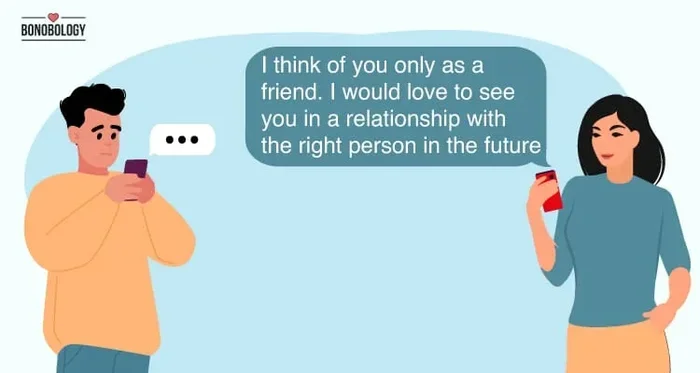
- “Thank you for the coffee. I think we are better as friends, and I wanted to be upfront about that.”
- “I really appreciate you asking me out, but I am not looking for a second date. I hope you understand.”
For a Warmer Tone
- “You are a really nice person, and I enjoyed our conversation. I just do not feel the romantic connection I would need to continue dating.”
- “I think you are wonderful, but I did not feel that spark I was hoping for. I would not want to waste your time.”
For an Online Match
- “I enjoyed chatting with you, but I do not think we are the right match. I wish you all the best in finding someone special.”
- “Thanks for the conversation! I think we are looking for different things, and I wanted to be honest with you.”
Notice how each example is honest, kind, and brief. You do not need to over-explain. The goal is to communicate clearly while preserving the other person’s dignity.
Common Mistakes to Avoid When Declining a Second Date
Even with good intentions, some common mistakes can make the situation worse. Here is what to watch out for.
Ghosting
Ghosting is the worst thing you can do. It leaves the other person feeling confused, rejected, and insecure. Even a short text message is better than saying nothing at all. Remember, ghosting is not a polite or respectful way to handle dating situations.
Over-Explaining
Giving too many reasons can sound like excuses. It also opens the door for the other person to try to fix each issue. Keep your explanation simple and focus on your own feelings rather than a list of complaints.
Being Brutally Honest
There is a difference between honesty and cruelty. Saying “You are not attractive enough for me” is brutally honest but deeply hurtful. You can be truthful without being mean. Choose your words carefully.
Leading Them On
Saying things like “Maybe we can try again sometime” when you have no intention of doing so is unfair. If you are not interested, do not give false hope. A clear no is kinder than a vague maybe.
Waiting Too Long
Delaying the conversation gives the other person false expectations. If you know after the first date that you are not interested, communicate that soon. Waiting a week or more can make the rejection feel even more painful.
Expert Tips for Handling the Conversation with Confidence
Declining a second date can feel nerve-wracking, but a few expert strategies can help you navigate it smoothly.
Practice What You Want to Say
Rehearse your message in your head or write it down before sending it. This helps you feel more confident and ensures you stay on point. You do not need to memorize a script, but having a general idea of what you want to say works well.
Keep It About Compatibility
Framing your decision around compatibility rather than personal flaws makes the conversation much easier. Saying “We are just not compatible” is gentle and accurate. It does not blame either person.
Be Prepared for Different Reactions
Most people will handle the news gracefully. But some might feel upset or ask for more explanation. Stay calm and firm. You do not need to justify your decision further. A simple “I appreciate your understanding” can close the conversation politely.
Remember: You Are Not Being Mean
Some people feel guilty about rejecting someone, but consider this perspective. A clear no is actually a gift. It saves the other person from investing more time in someone who is not right for them. Respectful honesty is always better than false hope.
Think of it like wishing someone break a leg before a big performance. You want them to succeed, even if they are not your path. That is the spirit you should bring to the conversation.
Trust Your Gut
If something felt off during the first date, trust that feeling. You do not need a concrete reason to decline a second date. Your intuition is valid, and honoring it is an act of self-respect.
How to Handle It if They Ask Why
Sometimes the other person will ask for a reason. This is normal, but you do not owe them a detailed answer. Keep it simple and focused on your own experience.
“I just did not feel a romantic connection” is a complete and sufficient answer. You can also say “I think we are looking for different things in a partner.” These responses are honest without being overly critical.
If they push for more details, it is okay to set a boundary. “I appreciate your curiosity, but I would prefer to keep it simple” is a respectful way to redirect the conversation. You are allowed to keep your reasons private.
Remember, you are not being asked to perform. Your decision is valid regardless of whether the other person fully understands it. A firm but kind response is always appropriate.
Key Takeaways
- Be honest but kind: You do not need to give a long explanation. A simple, respectful statement is enough.
- Respond quickly: The sooner you communicate, the better. Avoiding the conversation only creates more hurt.
- Use “I” statements: Focus on your own feelings rather than criticizing the other person.
- Choose the right medium: A text or call is better than ghosting. Match the method to how serious the connection was.
- Keep it brief: Over-explaining can sound like excuses. Short and sincere works best.
- Wish them well: Ending on a positive note shows maturity and respect.
- Know your boundaries: You never owe anyone a second date, no matter how nice they were.
Frequently Asked Questions
Is it okay to say no to a second date after just one meeting?
Absolutely. You never owe anyone a second date, no matter how pleasant the first one was. If you do not feel a romantic connection, it is completely okay to decline. Being honest early saves both of you time and emotional energy.
What is the best way to decline a second date without hurting their feelings?
The best approach is to be honest, kind, and brief. Use “I” statements to focus on your own feelings rather than their shortcomings. A message like “I enjoyed meeting you, but I do not feel a romantic connection” is gentle and respectful.
Should I give a reason when I say no to a second date?
You can give a brief reason, but it is not required. A simple statement about compatibility or lack of connection is enough. Avoid over-explaining, as this can sound like excuses and may encourage them to try to change your mind.
Is ghosting ever acceptable when declining a second date?
No. Ghosting is never the right approach, even for a first date. A brief text or message shows respect and gives the other person closure. If you are too nervous to respond, even a short “Thank you for the date, but I do not think we are a match” is far better than silence.
Can I say no to a second date if the person was really nice?
Yes. Being nice does not obligate you to go on another date. Kindness and romantic compatibility are two different things. You can appreciate someone’s character while still knowing they are not the right match for you.
How soon should I respond after deciding I do not want a second date?
Respond within one to two days. The sooner you communicate, the better. Waiting too long can create false hope and make the rejection feel more painful for the other person. A prompt, respectful message is always the best choice.
=== CONCLUSION ===
Knowing how to say no to a second date is one of the most valuable skills in modern dating. It protects your time, respects the other person, and sets the foundation for honest connections. You do not need to feel guilty about declining a second date. In fact, doing it with kindness and clarity is a sign of emotional maturity.
The key is to be direct, gentle, and brief. You owe no one a romantic connection just because they were nice to you. Honesty delivered with compassion is always the right choice. Whether you send a thoughtful text or have a brief phone call, the most important thing is that you communicate clearly and respectfully.
Use the examples and tips from this guide the next time you find yourself in this situation. Trust your instincts, be kind, and remember that a respectful no is far better than a dishonest maybe. You deserve relationships that feel genuine, and so does everyone else you interact with.



