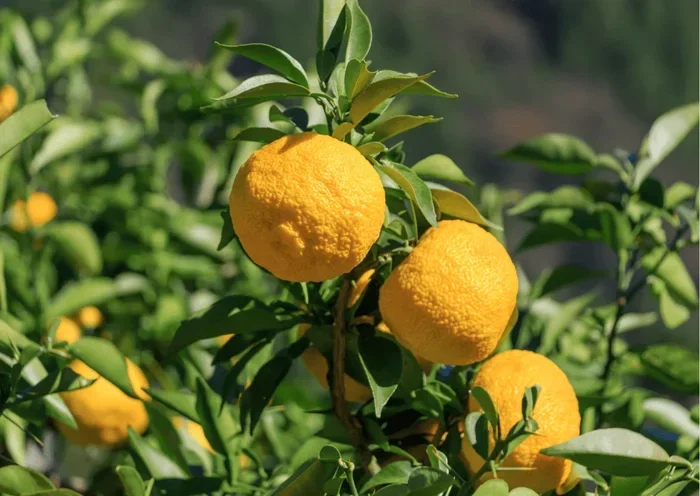

Learning how to say orange in Japanese is easier than you think. The main word is “mikan,” and you will also discover “daidai” for bitter orange and “orenji” for the English loanword. This guide covers pronunciation, writing systems, cultural context, and everyday phrases so you can use the word confidently in real conversations.
Have you ever found yourself staring at a bright orange fruit and wondering how to describe it in Japanese? Maybe you are planning a trip to Japan, or perhaps you just love learning new languages. Either way, knowing how to say orange in Japanese opens up a small but satisfying corner of the language. It is one of those everyday words that comes up more often than you might expect.
The Japanese language has multiple words for orange. This might surprise you if you only know the English word. But just like English has different names for similar things, Japanese does too. The most common word is mikan. You will also hear orenji, which is a direct loanword from English. And then there is daidai, which means bitter orange. Each word has its own use, context, and charm.
In this guide, we will walk through everything you need to know. We will cover pronunciation, writing systems, cultural meaning, and even some practical phrases. By the end, you will feel confident using the word for orange in real Japanese conversations.
Key Takeaways
- Mikan is the most common Japanese word for the orange fruit.
- Orenji is the direct borrowing from English, used in casual speech.
- Daidai refers to the bitter orange and carries cultural symbolism.
- You can write orange in hiragana, katakana, and kanji depending on context.
- Pronunciation is straightforward and phonetically close to English.
- Orange appears in many Japanese idioms, seasonal traditions, and food culture.
- This guide gives you practical phrases and tips for real-life usage.
📑 Table of Contents
- What Is the Japanese Word for Orange?
- How to Pronounce Orange in Japanese
- Writing Orange in Japanese Characters
- Orange in Japanese Culture and Daily Life
- Practical Phrases Using Orange in Japanese
- Common Mistakes When Learning Orange in Japanese
- Quick Tips for Remembering Orange in Japanese
- Expert Insights on Learning Japanese Food Vocabulary
- Key Takeaways
- Conclusion
What Is the Japanese Word for Orange?
The short answer is mikan. But the full picture is a little more interesting. Japanese uses different words depending on context, formality, and the type of orange you are talking about. Let us break it down.
Mikan The Most Common Word
Mikan is the word most Japanese people use for the sweet, easy-to-peel orange. It refers to the small, bright citrus fruit that is a staple in Japanese winter markets. When you say mikan, people instantly picture the fruit. This word has been part of Japanese for centuries and comes from the old Japanese word for citrus fruits in general.
Mikan is also used broadly. Sometimes it covers other small citrus fruits too. But in everyday conversation, it means orange. If you are at a grocery store in Japan and want to buy oranges, just say “mikan.” Everyone will understand you.
Orenji The English Borrowing
Then there is orenji. This is the Japanese adaptation of the English word “orange.” It entered the language during the Meiji era when Japan opened up to Western influences. Today, orenji is used in casual conversation, especially among younger people. It sounds modern and is easy to remember for English speakers.
You might hear orenji in texting, social media, or everyday chat. It is not wrong to use it. But mikan feels more natural and native. Think of orenji as the cool, borrowed cousin of mikan. Both work, but they carry slightly different vibes.
Daidai The Bitter Orange
Daidai is a different word entirely. It means bitter orange, a type of citrus that is not sweet. Daidai has a long history in Japan. It is used in traditional medicine, cooking, and even in New Year celebrations. The bitter orange symbolizes延续 and family in Japanese culture.
You will not use daidai when ordering fruit at a restaurant. But it is worth knowing because it shows up in cultural contexts. It also appears in traditional Japanese poetry and seasonal words.
How to Pronounce Orange in Japanese
Pronunciation is one of the easiest parts of learning how to say orange in Japanese. The sounds are simple and follow consistent rules. Let us look at each word.
Mikan Pronunciation
Mikan is pronounced “mee-kahn.” The “mi” sounds like “me” with a short “e.” The “kan” sounds like “kahn” with a short “a.” There are no silent letters. Each syllable gets equal weight. This is called moraic timing in linguistics, and it makes Japanese pronunciation very predictable.
Try saying it slowly: mee… kan. Now speed it up a little: mikan. That is it. No tricky sounds, no silent “e” at the end. It is refreshingly simple.
Orenji Pronunciation
Orenji sounds like “oh-ren-jee.” The “o” is a long, open “oh.” The “ren” is like “ren” in “rent” but softer. The “ji” sounds like “jee” as in “giraffe.” Put it together: oh-ren-jee.
The rhythm is smooth. Japanese does not stress syllables the way English does. Every beat in orenji gets roughly equal attention. This makes it easy to say confidently even if you are a beginner.
Daidai Pronunciation
Daidai is “die-die.” Yes, both syllables rhyme. The “dai” sounds like “die” with a short “i.” Say it twice: dai-dai. It has a playful rhythm that makes it easy to remember.
Quick tip: Japanese has only five vowel sounds. A, I, U, E, O. Once you know these five sounds, you can pronounce almost any Japanese word correctly. This is one reason why Japanese pronunciation is considered beginner-friendly.
Writing Orange in Japanese Characters
Japanese uses three writing systems: hiragana, katakana, and kanji. Each system can express the word for orange. Understanding how this works gives you a deeper appreciation for the language.
Mikan in Hiragana
In hiragana, mikan is written as みかん. Hiragana is the basic phonetic script every Japanese learner starts with. Each character represents a syllable. み is “mi” and かん is “kan.” Together they make mikan.
Hiragana is used for native Japanese words. Since mikan has been part of the language for a long time, it naturally belongs in hiragana.
Orenji in Katakana
Katakana is used for foreign loanwords. So orenji is written as オレンジ. The characters オ, レ, ン, and ジ represent the syllables “o,” “re,” “n,” and “ji.” Katakana gives foreign words a distinctive look and signals to the reader that the word came from outside Japan.
You will see orenji in katakana on menus, signs, and packaging. It is the go-to script when Japanese people want to refer to the English word for orange.
Kanji for Orange
Kanji is the most complex writing system. It uses Chinese characters. The kanji for mikan is 蜜柑. The first character 蜜 means “honey,” and the second 柑 means “citrus fruit.” Together, they literally mean “honey citrus.” This is a beautiful example of how kanji captures meaning through imagery.
You do not need to memorize kanji right away. But knowing that mikan has a kanji form adds depth to your understanding. Many Japanese people recognize the kanji even if they do not use it daily.
Orange in Japanese Culture and Daily Life
Oranges hold a special place in Japan. They are not just a fruit. They carry cultural meaning, seasonal significance, and even economic importance.
Mikan Season and Winter Tradition
Mikan season in Japan runs from October to February. During these months, you will see mikan everywhere. They are sold in convenience stores, served in school lunches, and gifted during the holiday season. Mikan is strongly associated with winter warmth and comfort.
Families often eat mikan together after dinner. It is a simple ritual that brings people closer. The easy-to-peel nature of the fruit makes it perfect for sharing with children and elderly family members.
Oranges as Gifts
Premium oranges are a popular gift in Japan. High-end mikan from regions like Wakayama are beautifully packaged and given during ochugen (mid-year gifts) and oseibo (year-end gifts). Giving fruit is a respected tradition in Japanese culture.
So if you ever visit Japan, consider gifting a box of quality mikan. It is a thoughtful and culturally appropriate present. People genuinely appreciate it.
Orange in Japanese Cuisine
Oranges are used in many Japanese dishes and drinks. Mikan juice is a popular beverage. Orange zest flavors desserts and sauces. Some restaurants even use orange peel as a garnish. The fruit adds brightness and sweetness to both sweet and savory dishes.
You might also encounter orange-flavored snacks and candies in Japanese convenience stores. These are often labeled with the word orenji or mikan depending on the brand.
Practical Phrases Using Orange in Japanese
Now that you know the words, let us put them to use. Here are some practical phrases you can start using right away.
Basic Phrases
- Mikan ga suki desu. — I like oranges. (みかんが好きです。)
- Kore wa mikan desu ka? — Is this an orange? (これはみかんですか?)
- Orenji wo kudasai. — Please give me an orange. (オレンジをください。)
- Mikan wa oishii desu. — Oranges are delicious. (みかんはおいしいです。)
- Daidai wa nigate desu. — I dislike bitter oranges. (だいだいは苦手です。)
Using Orange in Texting and Online Communication
Japanese text messaging uses a lot of abbreviations and shorthand. If you are texting a friend about oranges, you might just write “mikan” or “orenji.” Japanese online culture also uses various text abbreviations that you might encounter. For instance, you may come across terms like wtw meaning in text when chatting with Japanese learners online, or ts meaning in text when browsing Japanese social media slang. These abbreviations are part of the broader digital communication culture in Japan.
Knowing the basic fruit vocabulary like mikan helps you follow along in these casual online spaces. It also makes your own messages more natural and fluent.
Color vs. Fruit
In English, “orange” is both a fruit and a color. In Japanese, the distinction is clearer. The fruit is mikan or orenji. The color is orenji (オレンジ). So when you say “orange juice,” you are talking about the fruit. When you say “orange shirt,” you are talking about the color.
This is actually simpler than English in some ways. You do not need a separate word for the color. Orenji covers both the fruit and the color naturally. Context makes it clear which meaning applies.
Common Mistakes When Learning Orange in Japanese
Every language learner makes mistakes. Here are some common ones to avoid when learning how to say orange in Japanese.
Confusing Mikan and Orenji
The biggest mistake is using the wrong word in the wrong context. If you say orenji in a formal setting, it might sound a bit casual or foreign. Mikan is safer for most situations. Save orenji for casual conversations and texting.
Mispronouncing the Vowels
English speakers sometimes add extra sounds to Japanese words. For example, adding an “r” sound to the end of mikan or stretching the vowels too long. Keep it clean and simple. Each syllable is short and clear.
Using Daidai When You Mean Mikan
Daidai means bitter orange. It is not a substitute for mikan. If you ask for daidai at a fruit stand, you will get a very different fruit than what you wanted. Stick with mikan for the sweet, familiar orange.
Overlooking the Writing System
Some learners try to write mikan in romaji (the Latin alphabet) and forget that Japanese has its own scripts. Learning the hiragana for mikan (みかん) helps you read menus, signs, and product labels. It is a small effort with big rewards.
Quick Tips for Remembering Orange in Japanese
- Visualize the fruit. Picture a bright mikan in your mind. The word sounds like “me can,” as in “I can see the orange.”
- Link orenji to orange. The spelling is almost identical. Just add a Japanese “r” sound.
- Use flashcards. Write mikan on one side and “orange” on the other. Review daily.
- Listen to native speakers. Search for mikan pronunciation on YouTube or language apps. Hearing the word helps you remember it faster.
- Practice in context. Use the phrases above in real conversations or language exchanges.
- Think of the kanji story. Honey citrus (蜜柑) is a vivid image. It makes the word more memorable.
Expert Insights on Learning Japanese Food Vocabulary
Language experts agree that learning food words is one of the most effective ways to build vocabulary. Food is universal, emotional, and practical. When you learn a word like mikan, you are not just memorizing a translation. You are connecting with a culture.
Japanese food vocabulary follows clear patterns. Many fruit names end in “mi” (実), which means fruit or seed. For example, ringo (apple) and mikan (orange) both use this suffix. Once you recognize the pattern, learning new fruit names becomes much easier.
Experts also recommend learning words in clusters. Group mikan, orenji, and daidai together. Compare them. Use them in sentences. This spaced repetition approach is proven to boost long-term retention.
Key Takeaways
- Mikan is the standard, everyday Japanese word for orange fruit.
- Orenji is the English loanword, perfect for casual and modern contexts.
- Daidai refers to bitter orange and is used in cultural and traditional settings.
- You can write orange in hiragana (みかん), katakana (オレンジ), and kanji (蜜柑).
- Pronunciation is simple and follows consistent syllable rules.
- Orange plays a significant role in Japanese food culture, gift-giving, and seasonal traditions.
- Using practical phrases helps you apply the words in real conversations.
Conclusion
Learning how to say orange in Japanese is a small step that opens a big door. You now know three different words, how to pronounce them, how to write them, and how to use them in real life. Whether you say mikan at a market, orenji in a text, or daidai when discussing tradition, you are engaging with the language in a meaningful way.
The beauty of Japanese lies in its layers. A single word like mikan carries centuries of history, cultural meaning, and everyday utility. Every new word you learn adds another layer to your understanding of the language and the people who speak it.
So go ahead. Practice saying mikan out loud. Try writing みかん a few times. Use one of the phrases above in a conversation or a language exchange. Small, consistent efforts lead to big results. And who knows, maybe next time you see an orange, you will think of it as a mikan and smile.
Orange in Japanese is more than a translation. It is a doorway into a richer, deeper connection with the language. Keep exploring, keep practicing, and enjoy the journey.
Frequently Asked Questions
What is the most common word for orange in Japanese?
The most common word is mikan (みかん). It refers to the sweet, easy-to-peel orange that is popular in Japan. Most Japanese people use mikan in everyday conversation.
Is orenji the same as mikan?
Orenji and mikan both mean orange, but they come from different sources. Orenji is a loanword from English, while mikan is a native Japanese word. Mikan is more natural in formal and traditional settings.
How do you write orange in Japanese characters?
You can write it in hiragana as みかん, in katakana as オレンジ, or in kanji as 蜜柑. Each writing system is used in different contexts and carries its own nuance.
What does daidai mean in Japanese?
Daidai means bitter orange. It is a different citrus fruit that is not sweet like mikan. Daidai is used in traditional medicine, cooking, and cultural ceremonies in Japan.
Can I use orenji when ordering food in Japan?
Yes, you can. Orenji is widely understood, especially in casual settings. However, mikan is more natural and widely accepted in most situations.
How do I pronounce mikan correctly?
Pronounce it as “mee-kahn.” Each syllable gets equal weight. The “mi” sounds like “me” and the “kan” sounds like “kahn” with a short “a.” Keep it simple and clear.



