
SOS in Morse code is the most recognized distress signal in the world. It consists of three dots, three dashes, and three dots again, forming a simple yet powerful pattern that has saved countless lives. This guide breaks down exactly how to say SOS in Morse code, why it works, and how you can use it in real emergencies.
Imagine you are stranded on a remote island. Your phone has no signal. Your voice is hoarse from shouting. What do you do? This is exactly the kind of situation where how to say SOS in Morse code becomes a life-saving skill. The SOS distress signal is one of the most powerful tools in emergency communication. It is simple, universal, and understood across every language and culture on Earth.
In this guide, we will walk you through everything you need to know about the SOS distress signal. You will learn the exact pattern, the history behind it, how to send it using different methods, and why it still matters today. Whether you are a survival enthusiast, a ham radio operator, or just curious, this article has you covered.
Key Takeaways
- SOS in Morse code is three dots, three dashes, and three dots — easy to remember and universally recognized.
- The distress signal was adopted in 1906 and has been used in shipwrecks, plane crashes, and survival situations ever since.
- You can send SOS using light, sound, radio, or even a flashlight — no special equipment is always needed.
- Knowing how to say SOS in Morse code is a valuable survival skill that everyone should learn.
- SOS is not an abbreviation for “Save Our Souls” or “Save Our Ship” — it was chosen because it is simple and unmistakable.
- Modern communication has not replaced SOS; it remains a critical emergency tool worldwide.
- You can practice sending SOS at home with a flashlight, pen tapping, or keyboard typing to build muscle memory.
📑 Table of Contents
- What Does SOS Mean in Morse Code?
- The History of SOS in Morse Code
- How to Say SOS in Morse Code: Step-by-Step Guide
- Why SOS in Morse Code Still Matters Today
- Common Mistakes People Make When Sending SOS
- Quick Tips to Remember SOS in Morse Code
- Expert Insights on SOS and Emergency Signaling
- Conclusion
What Does SOS Mean in Morse Code?
The SOS distress signal is made up of a very specific pattern. It is three short signals, followed by three long signals, followed by three short signals again. In Morse code terms, that is three dots, three dashes, and three dots. The pattern looks like this: ··· — ···.
Many people wonder what SOS actually stands for. Here is a fun fact: SOS does not officially stand for anything. It was chosen because the pattern is incredibly easy to recognize and remember. Some people still say it means “Save Our Souls” or “Save Our Ship,” but those are backronyms. The real reason SOS was picked is that it is simple and unmistakable. It does not matter what language you speak. The pattern speaks for itself.
Interestingly, people also search for other text abbreviations all the time. For example, many want to know the wtw meaning in text, which is a casual way of asking “what’s up” in digital conversations. Similarly, ts meaning in text refers to “tough shit” or “telling someone” depending on the context. While these modern text abbreviations are fun to explore, SOS in Morse code carries a much more serious purpose.
The SOS Pattern Broken Down
Let us look at the pattern more closely so it sticks in your mind:
- Three dots (···) — short taps or flashes. Think “di-di-di.”
- Three dashes (—) — long taps or flashes. Think “dah-dah-dah.”
- Three dots (···) — short taps or flashes again. “di-di-di.”
The key to sending a clear SOS is timing. Each dot should be one unit long. Each dash should be three units long. Leave a one-unit pause between each dot or dash within a group. Leave a three-unit pause between the groups. This spacing makes the signal clear and easy to decode.
The History of SOS in Morse Code
The SOS distress signal has a fascinating history. Before SOS, ships used the older CQD distress call. The Marconi wireless company used CQD as a general distress signal. The “CQ” part came from the French word “sécurité,” meaning “seek you.” The “D” stood for distress.
But CQD had a problem. It was not standardized across all wireless operators. Different countries and companies used different signals. This created confusion during emergencies, especially at sea.
In 1906, the International Radiotelegraph Conference was held in Berlin. Delegates from around the world gathered to create a universal distress signal. They needed something that was easy to send, easy to recognize, and could not be confused with any other signal.
After much discussion, SOS was chosen. It was adopted as the international standard on November 3, 1906. The first major rescue using SOS happened in 1909 when the SS Slavonia sent an SOS signal after running aground near the Azores. The signal helped rescue crews locate the ship and save lives.
The most famous use of SOS came in 1912 during the sinking of the Titanic. The radio operators sent out distress calls, but the nearby SS Californian failed to respond. This tragedy highlighted the importance of a universal distress signal and led to major improvements in maritime safety rules.
Why SOS Replaced Other Signals
SOS won out over other signals for several clear reasons:
- It is simple. Anyone can remember three dots, three dashes, three dots.
- It is unique. No other common signal uses this exact pattern.
- It is universal. It does not depend on language or culture.
- It is easy to transmit. It works with light, sound, radio, or any other signaling method.
How to Say SOS in Morse Code: Step-by-Step Guide
Now let us get practical. Here is exactly how to send SOS in Morse code using different methods. You do not need fancy equipment. You can practice and even use these techniques in a real emergency.
Method 1: Using a Flashlight
This is the most common way to send SOS in Morse code during a survival situation. Here is how to do it:
- Find a dark area where your light will be visible.
- Turn your flashlight on and off quickly for three short flashes (the dots).
- Pause briefly, then hold the light on for three longer flashes (the dashes).
- Pause again, then send three short flashes (the dots).
- Repeat the entire pattern over and over.
Keep repeating the cycle without stopping. A continuous stream of SOS signals is much more likely to be noticed and recognized.
Method 2: Using Sound
Sound is another effective way to send the SOS distress signal. You can use a whistle, a horn, or even just your voice. Here is the approach:
- Make three short sounds (like three quick whistle blasts).
- Pause, then make three long sounds.
- Pause, then make three short sounds again.
- Repeat continuously.
If you are in the wilderness and need to signal for help, this method works well. Sound carries over long distances, especially in open areas or across water.
Method 3: Using Radio or Ham Radio
If you have access to a radio, sending SOS in Morse code is straightforward. Use your radio’s key or push-to-talk button to tap out the pattern. The international standard still uses SOS as a distress call, even in modern radio communication.
Many ham radio operators still learn and practice Morse code. It is a reliable backup communication method that works even when other systems fail. In fact, the SOS distress signal remains part of the global radio communication protocol to this day.
Method 4: Using Objects on the Ground
This is a visual method that works great for attracting the attention of aircraft or distant rescuers. Arrange rocks, logs, or any available material on the ground in the shape of SOS. Make the letters as large as possible — at least 10 feet tall for each letter. The contrast against the ground makes the signal visible from the air.
Why SOS in Morse Code Still Matters Today
You might think that in the age of smartphones and satellite communication, SOS in Morse code is outdated. But that could not be further from the truth. Here is why the distress signal is still incredibly relevant:
- Technology can fail. Batteries die, signals drop, and devices break. Morse code requires nothing more than a way to make a sound or a light.
- It crosses language barriers. A sailor from Japan and a pilot from Brazil will both recognize SOS immediately.
- It is part of international law. The SOS distress signal is recognized under global maritime and aviation regulations.
- It is simple to learn. You can memorize the pattern in minutes and practice it anytime.
In many outdoor and survival training programs, learning how to say SOS in Morse code is a core skill. Search and rescue teams around the world still use it as a primary distress method. The signal has proven its value for over a century, and it will likely remain important for many more.
SOS in Modern Digital Communication
Even in the digital world, SOS has found new life. Many smartphones now include an SOS emergency feature that can automatically call local emergency services. Some devices also allow you to send a digital SOS message with your GPS coordinates. While this is different from traditional Morse code, the spirit of the distress signal lives on in modern technology.
Common Mistakes People Make When Sending SOS
Even though SOS is simple, there are common errors that can reduce its effectiveness. Here is what to avoid:
- Spacing errors. If your dots and dashes are too close together or too far apart, the pattern becomes hard to read. Practice consistent timing.
- Stopping too soon. Always repeat the signal continuously. A single SOS might be missed. Multiple repetitions increase your chances of being noticed.
- Using the wrong pattern. Three dashes, three dots, three dashes is NOT SOS. The correct order is dots, dashes, dots. Always remember: ··· — ···.
- Forgetting the pause between groups. The pause between the three groups (dots, dashes, dots) should be longer than the pause between individual dots or dashes.
These mistakes are easy to make under stress. That is exactly why you should practice sending SOS in Morse code before you ever need it in a real emergency.
Quick Tips to Remember SOS in Morse Code
Here are some handy tricks to help you memorize the pattern:
- Think of a phrase. “Save Our Ship” gives you three words, matching three groups in the signal. Each word starts with S, O, S.
- Use a rhythm. Tap out the pattern to a simple beat: quick-quick-quick… slow-slow-slow… quick-quick-quick.
- Write it out. Draw the dots and dashes on paper several times. Repetition builds memory.
- Practice daily. Spend five minutes each day tapping out SOS with your fingers or a pen. Muscle memory is powerful.
- Teach someone else. Explaining the pattern to a friend reinforces your own understanding.
Expert Insights on SOS and Emergency Signaling
Survival experts agree that knowing how to say SOS in Morse code is one of the most valuable skills you can have. According to the International Maritime Organization, the SOS distress signal remains the primary global standard for emergency communication. Even as technology evolves, the fundamentals of Morse code signaling endure.
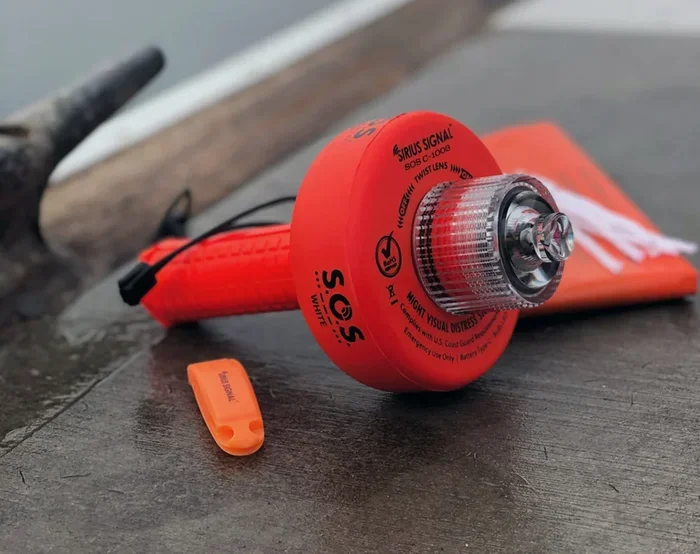
Expert survival instructors often recommend carrying a small whistle and a flashlight at all times when hiking or boating. These two simple tools can be used to send an effective SOS distress signal. The whistle carries sound farther than the human voice, and the flashlight can be seen at night from great distances.
Many people also explore how modern abbreviations work in digital communication. If you are curious about how text language has evolved, you might wonder about the wtw meaning in text, which is a popular informal greeting in messaging apps. Similarly, the ts meaning in text shows how abbreviations carry different meanings depending on context. While these modern text shortcuts are interesting, SOS in Morse code remains a serious and life-saving signal that transcends all digital trends.
Conclusion
Learning how to say SOS in Morse code is one of the most practical skills you can ever acquire. The pattern is simple: three dots, three dashes, three dots. It has been saving lives for over a century and continues to be a vital distress signal in emergencies today. Whether you are on a boat, in the wilderness, or simply want to be prepared, knowing SOS in Morse code gives you a powerful tool that works without batteries, without Wi-Fi, and without any special equipment.
Take a few minutes today to practice. Tap it out with your fingers. Flash it with a light. Blow it on a whistle. The more you practice, the more natural it will become. And if you ever find yourself in a real emergency, you will be glad you took the time to learn this universal distress signal.
The SOS distress signal is not just a piece of history. It is a living tool that still works today. Master it, share it, and be prepared.
Frequently Asked Questions
What does SOS stand for in Morse code?
SOS does not officially stand for anything. It was chosen in 1906 because the pattern of three dots, three dashes, and three dots is simple, unique, and easy to recognize. Despite popular belief, it is not an abbreviation for “Save Our Souls” or “Save Our Ship.”
How do you send SOS in Morse code with a flashlight?
Turn your flashlight on and off quickly for three short flashes, pause, then hold it on for three longer flashes, pause, then send three short flashes again. Repeat this pattern continuously until you are noticed or rescued.
Is SOS still used today in emergency situations?
Yes, absolutely. SOS remains the international standard distress signal. It is recognized under global maritime and aviation regulations and is still actively used by search and rescue teams worldwide.
Can anyone learn how to say SOS in Morse code?
Yes, anyone can learn it. The pattern is very simple and takes only a few minutes to memorize. With a little daily practice, most people can send SOS confidently within a week.
What is the difference between SOS and other distress signals?
SOS replaced older signals like CQD because it is simpler and more universal. Unlike language-based calls, SOS works across all cultures and languages. It is also easier to transmit using light, sound, or radio.
Do I need special equipment to send SOS in Morse code?
No special equipment is required. You can send SOS using a flashlight, a whistle, your voice, or even objects arranged on the ground. The only thing you need is the ability to create short and long signals consistently.



