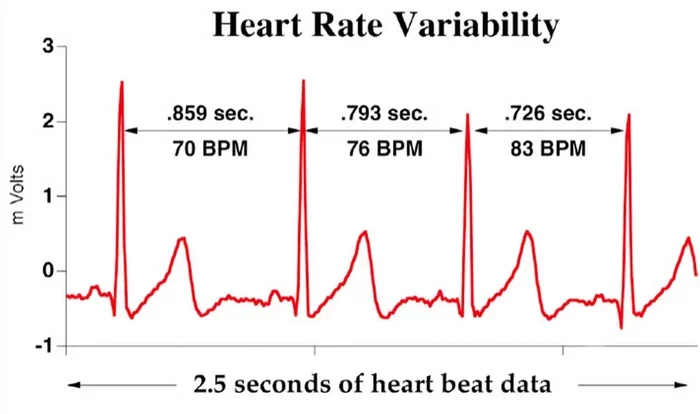

HRV meaning refers to the variation in time between each heartbeat, and it is a powerful indicator of your overall health and fitness. A higher HRV score generally means your body is more resilient, better recovered, and less stressed. Understanding heart rate variability can help you make smarter decisions about training, rest, and lifestyle habits.
You have probably heard people talk about HRV meaning at the gym or in a wellness podcast. But what does it really mean, and why should you care? Heart rate variability is one of the most talked-about health metrics today, and for good reason. It gives you a window into how your body is really doing beneath the surface. Whether you are an athlete chasing peak performance or someone just trying to feel better day to day, understanding HRV meaning can change the way you approach your health.
Most people think of heart rate as a single number. They check their pulse and see 65 beats per minute and call it a day. But your heart does not beat like a metronome. The time between each beat varies slightly, and that variation is what HRV meaning captures. This subtle rhythm tells a fascinating story about your nervous system, your recovery, and your long-term wellness. In this article, we will break down everything you need to know about heart rate variability, from the basic science to practical steps you can take today.
Key Takeaways
- HRV measures the tiny gaps between heartbeats: It reflects how well your autonomic nervous system adapts to changes in your body and environment.
- Higher HRV is usually better: It signals strong recovery, low stress, and good cardiovascular fitness.
- Low HRV can indicate problems: Overtraining, poor sleep, chronic stress, and illness can all push your HRV down.
- You can improve HRV naturally: Breathing exercises, better sleep, regular exercise, and stress management all help.
- Fitness trackers now measure HRV easily: Devices like WHOOP, Garmin, and Oura Ring make tracking accessible to everyone.
- HRV is personal: There is no universal “good” number. Your baseline and trends matter more than comparing to others.
📑 Table of Contents
- What Is HRV Meaning and Why Does It Matter?
- How Heart Rate Variability Works
- What Is a Good HRV Score?
- How to Improve Your HRV
- HRV and Fitness: Training Smarter with Heart Rate Variability
- HRV and Stress Management: A Window Into Your Nervous System
- Common Mistakes People Make When Interpreting HRV
- Quick Tips to Boost Your HRV Today
- Expert Insights on HRV Meaning
What Is HRV Meaning and Why Does It Matter?
At its core, HRV meaning is simple to understand, even if the science behind it is deep. Heart rate variability measures the milliseconds of difference between each consecutive heartbeat. When your heart beats, the interval is never perfectly identical. Sometimes the gap is slightly longer, and sometimes it is slightly shorter. These tiny fluctuations are controlled by your autonomic nervous system, which operates mostly without your conscious input.
Why does this matter? Because HRV meaning serves as a real-time snapshot of your body’s balance between rest and activity. A high HRV score typically means your body is flexible, adaptive, and well-recovered. A low HRV score may signal that you are under strain, not sleeping well, or fighting off something. Doctors, trainers, and scientists all use heart rate variability data to understand a person’s physiological state more accurately than resting heart rate alone could ever reveal.
The Autonomic Nervous System Connection
To fully grasp HRV meaning, you need to understand the autonomic nervous system. This system has two main branches that work together. The sympathetic nervous system kicks in during stress, exercise, or danger. It speeds up your heart rate and prepares you for action. The parasympathetic nervous system does the opposite. It promotes relaxation, digestion, and recovery. When both branches are working in harmony, your HRV meaning reflects a healthy, adaptable system.
Think of it like a seesaw. When one side dominates too much, problems arise. If your sympathetic system is always “on” due to chronic stress, your HRV meaning drops. Your body stays in a state of alertness and cannot recover properly. On the other hand, when your parasympathetic system is strong and active, your HRV meaning rises. Your body is in a rest-and-digest mode that supports healing and long-term health.
Why HRV Is More Informative Than Resting Heart Rate
Many people track their resting heart rate as a health metric. While useful, it only tells part of the story. HRV meaning goes much deeper. Two people can have the same resting heart rate of 62 beats per minute but very different HRV scores. One person might be well-recovered and resilient, while the other might be stressed and under-recovered. Heart rate variability captures this nuance that a single BPM number simply cannot.
This is why HRV meaning has become so popular in the fitness and wellness world. It gives you a more complete picture of your internal state. You can use it to decide whether to push hard in a workout or take a recovery day. You can spot early warning signs of illness before symptoms even appear. The insights you gain from tracking HRV meaning are genuinely powerful.
How Heart Rate Variability Works
Now that you understand the basics of HRV meaning, let us look at how it actually works. Your heart beats thanks to electrical signals generated by a tiny cluster of cells called the sinoatrial node. This natural pacemaker sets your heart rhythm. But the intervals between beats are not perfectly uniform. They shift slightly with every breath, every thought, and every movement you make.
The R-R interval is the technical term for the time between two consecutive heartbeats, measured in milliseconds. HRV meaning analyzes these R-R intervals across a period of time, usually a few minutes. Advanced algorithms calculate different metrics from this data, such as RMSSD, SDNN, and LF/HF ratio. While these terms sound technical, they all serve one purpose: to quantify your heart rate variability in a meaningful way.
Breathing and HRV
One of the most fascinating aspects of HRV meaning is its connection to your breathing. When you inhale, your heart rate tends to speed up slightly. When you exhale, it slows down. This natural rhythm is called respiratory sinus arrhythmia, and it is a sign of a healthy parasympathetic nervous system. The stronger this connection between breath and heartbeat, the higher your HRV meaning tends to be.
This is why slow, deep breathing exercises can boost your HRV score almost immediately. Techniques like box breathing, where you inhale for four seconds, hold for four, exhale for four, and hold for four, activate your vagus nerve. The vagus nerve is a major pathway in your parasympathetic system, and stimulating it directly improves your heart rate variability. Even five minutes of controlled breathing can shift your HRV meaning in a positive direction.
The Role of the Vagus Nerve
The vagus nerve is the longest cranial nerve in your body. It runs from your brainstem down to your abdomen, connecting to your heart, lungs, and digestive organs along the way. When it comes to HRV meaning, the vagus nerve is the star player. It acts as a brake on your heart rate, promoting calm and recovery. Strong vagal tone leads to higher HRV scores and better overall health.
You can think of vagal tone like the fitness of your nervous system. Just as your muscles get stronger with exercise, your vagus nerve becomes more effective with practice. Activities that improve vagal tone include cold exposure, singing, gargling, meditation, and regular aerobic exercise. All of these habits contribute to a better HRV meaning over time.
What Is a Good HRV Score?
If you have started tracking your HRV meaning, you might be wondering what a good number looks like. The honest answer is that there is no single “good” HRV score that applies to everyone. HRV meaning is highly individual. Your age, fitness level, genetics, and lifestyle all influence your baseline. The best approach is to track your own trends over time rather than comparing your number to someone else’s.
That said, here are some general guidelines for HRV meaning based on age groups. Younger adults typically have higher HRV scores, often ranging from 60 to 100 milliseconds in RMSSD. Middle-aged adults might see numbers between 40 and 70. Older adults may fall between 20 and 50. These ranges are rough estimates, and the real value lies in watching how your own numbers change over weeks and months.
Understanding Your Personal Baseline
The most important step in interpreting HRV meaning is establishing your personal baseline. Wear a fitness tracker or use an HRV app consistently for at least two to four weeks. Measure your HRV score every morning at the same time, ideally right after waking up. After this period, you will have a reliable average that represents your normal heart rate variability.
Once you know your baseline, you can look for deviations. A sudden drop in your HRV meaning might mean you are stressed, sick, or not sleeping well. A steady upward trend usually indicates improved recovery and fitness. Your HRV score becomes a personalized dashboard for your body. Learning to read it takes time, but the insights are incredibly valuable.
Factors That Influence Your HRV Score
Many factors can affect your HRV meaning on any given day. Understanding these influences helps you interpret your data more accurately. Here are the most common factors that impact your HRV score:
- Sleep quality: Poor sleep is one of the biggest drivers of low HRV meaning. Even one bad night can noticeably reduce your score.
- Training intensity: Hard workouts temporarily lower your HRV score. This is normal and expected, but chronic overtraining keeps it suppressed.
- Stress levels: Mental and emotional stress activates the sympathetic nervous system, which reduces your heart rate variability.
- Alcohol consumption: Even moderate drinking can lower your HRV score for up to 48 hours.
- Hydration: Dehydration forces your heart to work harder, which can dampen your HRV meaning.
- Illness or infection: Your body diverts resources to fight illness, and your HRV score typically drops during this time.
- Nutrition: Poor diet and irregular eating patterns can negatively affect your heart rate variability over time.
How to Improve Your HRV
The good news is that HRV meaning is not fixed. You can actively improve your HRV score through lifestyle changes. Since heart rate variability reflects the balance of your autonomic nervous system, anything that supports that balance will help. Here are the most effective strategies backed by science.
Prioritize Sleep Quality
Sleep is the foundation of recovery, and it has a direct impact on your HRV meaning. When you sleep well, your parasympathetic nervous system gets a chance to do its job. Your HRV score typically rises after a good night of rest. Aim for seven to nine hours of consistent sleep each night. Keep your room cool and dark, avoid screens before bed, and try to wake up at the same time every day. These simple habits can make a real difference in your heart rate variability.
Practice Controlled Breathing
Breathing exercises are one of the fastest ways to influence your HRV meaning. Slow, rhythmic breathing at around six breaths per minute is particularly effective. This pace aligns with your natural resonance frequency and maximizes the interaction between your breath and heart rate. Try spending five to ten minutes each morning practicing slow exhales. You will often see an immediate boost in your HRV score on your tracking device.
Train Smart, Not Hard
Exercise is essential for health, but too much can hurt your HRV meaning. Overtraining syndrome is a real condition that keeps your HRV score depressed for weeks or even months. The key is to balance training stress with adequate recovery. Use your HRV data to guide your training decisions. On days when your heart rate variability is low, consider a lighter workout or a rest day. On days when it is high, you are likely ready to push hard.
Manage Stress Effectively
Chronic stress is one of the biggest enemies of HRV meaning. When your body is constantly in fight-or-flight mode, your HRV score stays low. Finding ways to manage stress is not just good for your mental health. It directly improves your heart rate variability. Meditation, journaling, time in nature, and social connection all help lower stress and raise your HRV meaning over time.
Stay Hydrated and Eat Well
Your body needs proper fuel and hydration to function at its best. Dehydration puts stress on your cardiovascular system, which can reduce your HRV score. Aim to drink enough water throughout the day. As for nutrition, a balanced diet rich in whole foods supports healthy heart rate variability. Omega-3 fatty acids, found in fish and flaxseed, have been shown to improve HRV meaning. Magnesium-rich foods like leafy greens and nuts also support nervous system function.
Try Cold Exposure
Cold showers and ice baths have become popular recovery tools, and for good reason. Exposure to cold water activates your parasympathetic nervous system and can boost your HRV score over time. Start with short cold exposures at the end of your regular shower and gradually increase the duration. Many people report improved HRV meaning after consistent cold exposure practice.
HRV and Fitness: Training Smarter with Heart Rate Variability
Athletes and fitness enthusiasts are using HRV meaning to train smarter and avoid burnout. The concept is straightforward. When your HRV score is high, your body is ready for a challenging workout. When it is low, you need more recovery. This approach is called HRV-guided training, and it is changing how people approach their fitness programs.
Traditional training plans follow a fixed schedule. You run intervals on Tuesday, lift on Thursday, and so on. HRV-guided training adjusts your workouts based on your body’s actual readiness. If your heart rate variability is lower than usual, you might swap a hard session for a light walk or yoga. If it is higher than normal, you can push harder with confidence. This method reduces injury risk and improves long-term performance.
Popular Devices That Track HRV
Tracking your HRV meaning has never been easier. Several popular devices and apps make it accessible to everyone. The WHOOP band is one of the most well-known HRV monitors on the market. It tracks your HRV score continuously and provides a daily recovery score. Garmin watches also offer built-in HRV monitoring with features like Body Battery, which estimates your energy levels based on heart rate variability data.
The Oura Ring is another excellent option for tracking HRV meaning. It is a sleek finger ring that measures sleep, recovery, and HRV score overnight. Apple Watch users can access HRV data through third-party apps like Elite HRV or HeartWatch. Each device has its strengths, and the best one is the one you will wear consistently. The most important thing is to build a habit of tracking your heart rate variability over time.
Using HRV Data to Avoid Overtraining
Overtraining is a common problem among dedicated athletes. It happens when the training load exceeds your body’s ability to recover. Signs include persistent fatigue, declining performance, mood changes, and a consistently low HRV score. By monitoring your HRV meaning, you can catch overtraining early and adjust your training plan before it becomes a serious problem.
Look for trends in your HRV data rather than single-day readings. A single low HRV score is normal and usually not a cause for concern. But if your heart rate variability stays depressed for several days in a row, that is a clear signal to back off. Recovery is when your body actually gets stronger. Ignoring HRV meaning means you might miss the cues your body is sending you.
HRV and Stress Management: A Window Into Your Nervous System
Beyond fitness, HRV meaning has powerful applications in stress management. Your HRV score reflects how well your body is coping with the demands of daily life. When stress becomes chronic, your heart rate variability suffers. Over time, low HRV meaning is associated with a higher risk of cardiovascular disease, anxiety, depression, and other health problems.
The good news is that you can use HRV data as a feedback loop for stress management. When you notice your HRV score dropping, it is a reminder to slow down and take care of yourself. You might try a meditation session, go for a gentle walk, or simply take a few minutes to breathe deeply. Over time, this awareness helps you build healthier responses to stress and improve your overall HRV meaning.
HRV Biofeedback Training
HRV biofeedback is a technique where you learn to consciously influence your heart rate variability. Using a monitor or app, you watch your real-time HRV score as you practice breathing exercises or relaxation techniques. The goal is to train your body to shift into a more parasympathetic-dominant state. Over weeks of practice, many people see lasting improvements in their HRV meaning and stress resilience.
Biofeedback is especially helpful for people dealing with chronic stress or anxiety. It gives you tangible proof that your relaxation efforts are working. Seeing your HRV score rise in real time during a breathing exercise is incredibly motivating. It reinforces the connection between your mind and body and encourages you to keep building these healthy habits.
HRV and Overall Wellness
While HRV meaning is often discussed in fitness circles, its relevance extends far beyond exercise. Researchers have linked higher heart rate variability to better cardiovascular health, improved immune function, and greater emotional resilience. A strong HRV score is associated with lower inflammation, healthier blood pressure, and a reduced risk of chronic disease. It is truly one of the most holistic markers of wellness available today.
By paying attention to your HRV meaning, you are not just optimizing your workouts. You are investing in your long-term health. The habits that improve your HRV score sleep better, manage stress, exercise regularly, and eat well are the same habits that support a longer, healthier life. Your heart rate variability is a compass that points you toward better choices every day.
Common Mistakes People Make When Interpreting HRV
As HRV meaning gains popularity, some common mistakes keep appearing. Avoiding these pitfalls will help you get more value from your HRV data and prevent unnecessary worry.
- Comparing your score to others: HRV meaning is deeply personal. Someone else’s HRV score means nothing for your own health picture.
- Overreacting to a single low reading: Everyone has off days. A low HRV meaning on one morning does not mean something is wrong.
- Ignoring trends for single numbers: Your long-term trend matters far more than any individual measurement.
- Relying on HRV alone: Heart rate variability is a valuable tool, but it should be used alongside other health markers, not as a replacement for professional medical advice.
- Expecting overnight improvements: Improving your HRV score takes consistent effort over weeks and months, not days.
Quick Tips to Boost Your HRV Today
Want to start improving your HRV meaning right now? Here are some quick, actionable tips you can implement today:
- Take five minutes to breathe slowly and focus on long exhales. This immediately activates your parasympathetic system and boosts your HRV score.
- Go to bed 30 minutes earlier tonight. Extra sleep is one of the fastest ways to improve your heart rate variability.
- Drink an extra glass of water right now. Even mild dehydration can suppress your HRV meaning.
- Take a 10-minute walk outside, preferably in nature. Movement and fresh air support healthy HRV scores.
- Skip the alcohol tonight. Giving your body a break from processing alcohol lets your HRV score recover.
- Try a cold shower for the last 30 seconds of your regular shower. Cold exposure stimulates your vagus nerve and supports HRV meaning.
Expert Insights on HRV Meaning
Leading researchers and health professionals emphasize that HRV meaning is a tool, not a verdict. Dr. Andrew Huberman, a neuroscientist at Stanford, has highlighted how heart rate variability reflects the balance between your sympathetic and parasympathetic systems. He recommends daily HRV tracking as a simple way to monitor your recovery and stress levels.
Sports physiologists also stress that HRV meaning should be used as part of a broader approach to health. No single metric tells the whole story. But when combined with sleep tracking, nutrition awareness, and self-reflection, HRV data becomes a powerful ally in your wellness journey. The key is consistency and curiosity. Watch your trends, experiment with interventions, and learn what works for your unique body.
Fitness coaches increasingly use HRV meaning to personalize training programs for their clients. Instead of applying a one-size-fits-all plan, they adjust intensity based on each person’s HRV score and recovery status. This individualized approach leads to better results, fewer injuries, and more sustainable progress. As HRV technology continues to improve and become more affordable, this personalized approach will likely become the standard.
Frequently Asked Questions
What does HRV mean in simple terms?
HRV meaning in simple terms is the variation in time between each heartbeat. A healthy heart does not beat at perfectly even intervals. The slight differences between beats reflect the flexibility and health of your nervous system. Higher variation generally indicates better recovery and resilience.
Is a high HRV good or bad?
A higher HRV score is generally a positive sign. It means your body is well-recovered, adaptable, and capable of handling stress effectively. Higher heart rate variability is associated with better cardiovascular fitness, lower stress levels, and overall good health.
Can HRV be too high?
In rare cases, an unusually high HRV score can indicate underlying health issues, such as certain heart conditions. However, for most people, a higher HRV meaning is beneficial. Always interpret your HRV data in the context of your own baseline and trends rather than chasing an arbitrarily high number.
How often should I check my HRV?
Checking your HRV meaning once per day is ideal for most people. Measure it at the same time each morning, ideally right after waking up and before getting out of bed. Daily tracking helps you spot trends and patterns that a single reading would miss entirely.
Does HRV change with age?
Yes, HRV meaning tends to decrease with age. Younger people generally have higher HRV scores, while older adults typically show lower values. However, lifestyle factors like exercise, sleep, and stress management can help maintain or even improve your heart rate variability as you age.
What device is best for tracking HRV?
The best device depends on your goals and budget. The WHOOP band is excellent for continuous HRV monitoring and recovery insights. Garmin watches offer great all-around fitness tracking with built-in HRV features. The Oura Ring is a comfortable option for overnight HRV tracking. Choose the device you will wear consistently, as regular tracking is what makes HRV meaning useful.
=== CONCLUSION ===
HRV meaning is one of the most insightful health metrics available to you today. It goes far beyond a simple heart rate number and gives you a real-time look at how your body is coping with stress, recovery, and daily demands. Whether you are an elite athlete or someone just starting their wellness journey, understanding your heart rate variability empowers you to make better decisions about training, rest, and lifestyle.
The beauty of HRV meaning is that it is entirely personal. Your HRV score belongs to you, and your trends tell your unique story. By tracking your HRV meaning consistently and responding to what it tells you, you build a deeper connection with your body. You learn to respect its signals and give it what it needs, whether that is a challenging workout, a restful night of sleep, or a few minutes of calm breathing.
Start small. Pick one device or app, establish your baseline, and watch your trends over time. Use the tips in this article to support healthy HRV scores and build habits that last. The journey to better health begins with understanding what your body is telling you. And HRV meaning gives you the language to listen.



