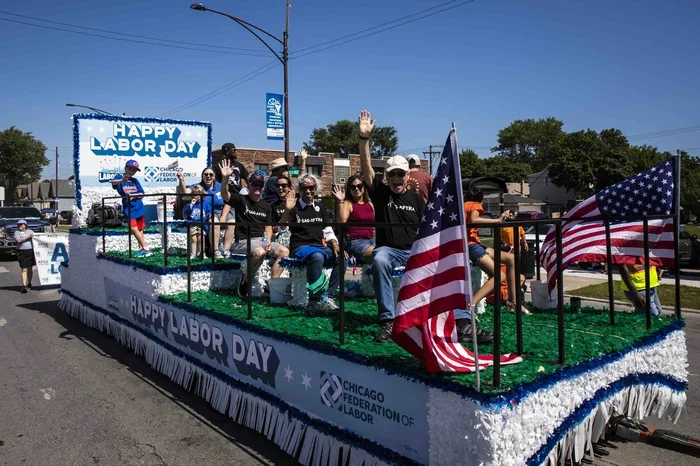

The real labor day meaning goes far beyond a long weekend and retail sales. This federal holiday exists to honor the hard work of everyday people and the labor movement that shaped modern workplace rights. Understanding the labor day meaning helps us appreciate the workers’ rights, fair wages, and workplace safety protections we often take for granted today.
Every year, the first Monday in September rolls around. Families fire up the grill. Stores run huge labor day sales. And most people just enjoy a labor day weekend away from work.
But have you ever stopped to think about the real labor day meaning? This holiday is about much more than a day off or a chance to buy discounted furniture. It is a powerful reminder of the labor movement, the sacrifices made by everyday workers, and the workers’ rights we enjoy today.
In this article, we will explore the true labor day meaning from its historical roots to its modern significance. You will learn why this federal holiday exists, how it came to be, and why it still matters in 2024 and beyond. Let us dig in.
Key Takeaways
- Labor Day honors workers: The holiday exists to celebrate the contributions of the American labor force and the labor movement that fought for better conditions.
- Historical roots matter: The labor day meaning traces back to the late 1800s, when workers faced dangerous conditions and fought for basic protections like the eight-hour workday.
- Beyond the sales: While labor day weekend is known for barbecues and deals, the true purpose is to recognize organized labor and worker protections.
- Labor laws we have today: Many workplace rights — from minimum wage to workplace safety standards — exist because of labor movement leaders who marched and protested.
- How to honor it: You can celebrate the real labor day meaning by learning the history, supporting workers’ rights, and advocating for fair wages in your community.
📑 Table of Contents
The True Labor Day Meaning: More Than a Day Off
When most people hear the phrase labor day meaning, they think of the end of summer. They picture labor day weekend barbecues, beach trips, and the last chance to wear white. But the labor day meaning is deeply rooted in the fight for worker protections and fair treatment.
The holiday was created to honor the American labor force — the men and women who build, grow, serve, and sustain this country. From factory workers to teachers, from nurses to truck drivers, every person who contributes to the economy deserves recognition. And that is exactly what Labor Day is supposed to be about.
The Core Values Behind the Holiday
At its heart, the labor day meaning celebrates several key values:
- Dignity of work: Every job has value, regardless of pay or status.
- Collective strength: Workers who unite can create real change.
- Fair compensation: Everyone deserves fair wages for their labor.
- Safe working conditions: No one should risk their health just to earn a living.
- Balance: Rest and time with family are essential, not luxuries.
These values are the foundation of the labor day meaning. They remind us that the labor force is the backbone of the economy, and that organized labor has been essential in shaping a more just society.
A Brief History of the Labor Movement
To truly understand the labor day meaning, you need to know the history of the labor movement. In the late 1800s, the American labor force faced brutal conditions. Workers — including children — labored for 12 to 16 hours a day in unsafe environments. Workplace safety was almost nonexistent.
The Fight for the Eight-Hour Workday
One of the most important goals of the labor movement was establishing the eight-hour workday. Before this, workers had no guaranteed limits on their hours. The rallying cry was simple: eight hours for work, eight hours for rest, eight hours for what we will.
This movement was led by passionate labor movement leaders who organized strikes, rallies, and protests. They faced arrest, violence, and even death. But they pushed forward because they believed in workers’ rights.
Key Events That Shaped the Labor Movement
Several major events helped define the labor movement and cement the labor day meaning:
- The Haymarket Affair (1886): A peaceful rally in Chicago turned violent when a bomb was thrown at police. This event became a turning point in the global push for workers’ rights and the eight-hour workday.
- The Pullman Strike (1894): Workers at the Pullman Palace Car Company went on strike to protest unfair wages and living conditions. The federal government intervened, and the conflict led to widespread unrest.
- The Formation of Labor Unions: Groups like the American Federation of Labor, led by Samuel Gompers, gave workers a collective voice. These unions fought for labor laws that protected everyday people.
These events were painful but necessary. They paved the way for the labor laws and worker protections we have today. And they gave rise to the labor day meaning we honor every September.
How Labor Day Became a National Holiday
The journey to make Labor Day a federal holiday was not quick or easy. It took years of advocacy and political pressure from organized labor groups across the country.
The First Labor Day Celebration
The first Labor Day celebration took place on September 5, 1882, in New York City. Thousands of workers marched through the streets without pay to show their strength and unity. The event was organized by the Central Labor Union, and it sparked similar celebrations in cities across the nation.
By 1887, several states had already recognized Labor Day as a state holiday. Oregon was the first to make it official. But it was not until 1894 that Congress passed a bill making Labor Day a federal holiday. This happened in the wake of the Pullman Strike, as a way to honor workers and ease tensions between the government and the labor force.
Why September and Not May?
You might wonder why Americans celebrate Labor Day in September while many other countries observe May Day on May 1st. The answer comes down to politics. When Congress chose the September date, they deliberately avoided the May 1st date, which was closely associated with socialist and communist movements around the world. The September date allowed the U.S. to honor workers without aligning with those ideologies.
Still, the labor day meaning remains the same regardless of the date. It is about recognizing the value of hard work and the power of collective action.
Why the Labor Day Meaning Matters Today
You might think the labor movement is a thing of the past. But the labor day meaning is just as relevant today as it was in the 1800s. Here is why.
Workers’ Rights We Owe to the Labor Movement
Many of the workplace protections we enjoy today exist because of the sacrifices made by labor movement leaders and everyday workers. These include:
- Minimum wage laws: Workers now have a legal floor for pay, thanks to decades of advocacy.
- Overtime pay: The right to be compensated for extra hours was hard-won.
- Workplace safety regulations: The Occupational Safety and Health Administration (OSHA) sets standards that protect workers on the job.
- Child labor laws: Children can no longer be exploited in factories and mines.
- Weekend and holiday time off: The concept of a two-day weekend was once a radical idea.
- Anti-discrimination protections: Workers now have legal recourse against unfair treatment based on race, gender, religion, or disability.
None of these would exist without the labor force standing together and demanding change. That is the real labor day meaning.
The Modern Labor Force and New Challenges
Today, the American labor force looks very different than it did in the 1800s. Gig workers, remote employees, and freelancers make up a growing share of the economy. These workers often face new challenges, like lack of benefits, inconsistent fair wages, and limited workplace safety protections.
The labor day meaning in 2024 should include a conversation about these modern issues. Who protects the Uber driver? The freelance writer? The warehouse worker who has no health insurance? The labor movement continues to evolve, and so should our understanding of worker protections.
Labor Day Sales vs. the Real Purpose
Let us be honest. Most people associate Labor Day weekend with shopping deals and the end of summer. Labor day sales are a huge part of the retail calendar. Stores slash prices on everything from mattresses to appliances.
There is nothing wrong with enjoying a good deal or a long weekend. But the labor day meaning should not be lost in the noise of retail promotions. The holiday is not about what you buy. It is about the people who work hard every day to provide for their families and build a better future.
Common Myths About Labor Day
There are several misconceptions about Labor Day that can blur the true labor day meaning. Let us clear some of them up.
Myth 1: Labor Day Is Just About Unions
While organized labor and labor unions played a huge role in creating this holiday, Labor Day is for all workers. You do not need to be a union member to benefit from the workers’ rights that the labor movement fought for. Every worker — union or not — enjoys the protections that were won through collective action.
Myth 2: Labor Day Is Only an American Holiday
Many countries around the world celebrate workers in some form. May Day (International Workers’ Day) is observed on May 1st in numerous countries. While the American Labor Day falls in September, the global labor day meaning is shared: honoring the contributions of workers everywhere.
Myth 3: Labor Day Doesn’t Matter Anymore
Some people dismiss Labor Day as outdated. They say the labor movement won all the battles it needed to. But that is not true. Workers today still face challenges like wage stagnation, workplace safety concerns, and gaps in benefits. The labor day meaning reminds us that the fight for fair wages and worker protections is ongoing.
How to Honor the Real Labor Day Meaning This Year
Want to make this Labor Day more meaningful? Here are some practical ways to connect with the true labor day meaning.
1. Learn the History
Take some time this weekend to read about the labor movement. Learn about figures like Samuel Gompers, Eugene V. Debs, and Mary Harris Jones (known as Mother Jones). Understanding where workers’ rights came from makes the holiday more personal and powerful.
2. Thank a Worker
Sometimes the simplest gesture means the most. Thank the workers in your life — the cashier, the delivery driver, the nurse, the teacher. Let them know their effort is seen and appreciated. This is a direct way to honor the labor day meaning.
3. Support Fair Wages and Worker Protections
You can take action beyond the weekend. Support businesses that treat their employees well. Advocate for labor laws that protect fair wages and workplace safety. Vote for policies that benefit the labor force. These are powerful ways to carry the labor day meaning into everyday life.
4. Attend a Local Labor Day Event
Many communities host Labor Day parades, picnics, and events that celebrate the American labor force. Attending these events is a great way to connect with your community and remember the holiday’s purpose. Look for local union-sponsored events or workers’ rights organizations in your area.
5. Have Conversations About Work and Rights
One of the best things you can do is simply talk about it. Share the labor day meaning with your friends and family. Discuss the importance of organized labor, worker protections, and fair wages. Awareness is the first step toward change.
Key Takeaways
- Labor Day honors workers: The holiday exists to celebrate the contributions of the American labor force and the labor movement that fought for better conditions.
- Historical roots matter: The labor day meaning traces back to the late 1800s, when workers faced dangerous conditions and fought for basic protections like the eight-hour workday.
- Beyond the sales: While labor day weekend is known for barbecues and deals, the true purpose is to recognize organized labor and worker protections.
- Labor laws we have today: Many workplace rights — from minimum wage to workplace safety standards — exist because of labor movement leaders who marched and protested.
- How to honor it: You can celebrate the real labor day meaning by learning the history, supporting workers’ rights, and advocating for fair wages in your community.
Conclusion
The labor day meaning is something every American should understand and appreciate. This federal holiday is not just about the last cookout of summer or the final labor day sales. It is a tribute to the American labor force and the generations of workers who fought for fair wages, workplace safety, and workers’ rights.
From the Haymarket Affair to the Pullman Strike to the modern labor movement, the story of Labor Day is a story of ordinary people coming together to demand dignity and justice. The labor day meaning is a reminder that no worker should be taken for granted.
This Labor Day, take a moment to reflect. Thank a worker. Learn the history. Support fair wages and worker protections. The sacrifices of the past deserve to be remembered, and the struggles of today deserve our attention. That is the real labor day meaning, and it matters more than ever.
Frequently Asked Questions
What is the real meaning of Labor Day?
The real labor day meaning is to honor the American labor force and the labor movement that fought for workers’ rights, fair wages, and workplace safety. It is a celebration of the dignity and contributions of everyday workers.
Why is Labor Day celebrated in September and not May?
The U.S. chose a September date to avoid aligning with the international May Day celebrations, which were associated with socialist and communist movements. Congress wanted to honor workers in a way that was distinct from those global associations.
Who started Labor Day?
The first Labor Day celebration was organized by the Central Labor Union in New York City in 1882. The idea spread quickly, and by 1894, it became a federal holiday after Congress passed legislation in response to labor unrest.
What are some important labor movement milestones?
Key milestones include the Haymarket Affair of 1886, the Pullman Strike of 1894, the establishment of the eight-hour workday, and the formation of major unions like the American Federation of Labor. These events shaped labor laws and worker protections that still apply today.
How can I honor Labor Day beyond a day off?
You can honor the labor day meaning by learning the history of the labor movement, thanking workers in your community, supporting businesses that treat employees fairly, and advocating for fair wages and workplace safety in your area.
Does Labor Day still matter in the modern economy?
Absolutely. The labor day meaning is just as relevant today. Modern workers face new challenges like gig economy instability, wage stagnation, and gaps in benefits. The holiday reminds us that the fight for worker protections and fair wages is ongoing.



