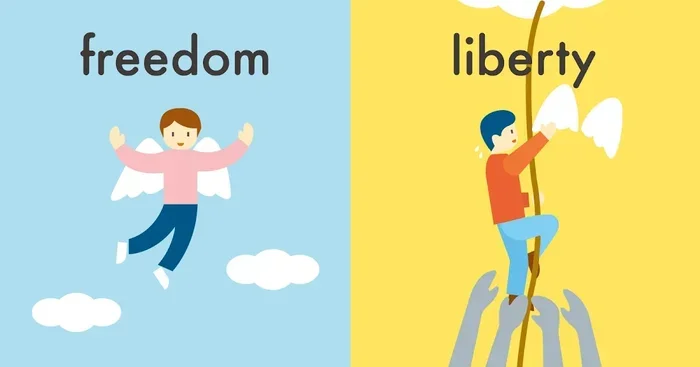

The libertarian meaning centers on individual liberty, personal freedom, and limited government. At its core, libertarianism is a political philosophy that believes people should be free to live their lives however they choose, as long as they do not harm others. It emphasizes free markets, property rights, and self-ownership. Understanding what libertarianism really means helps you see why millions of people around the world hold these beliefs. This guide breaks down everything you need to know in simple, clear terms.
Have you ever heard someone talk about libertarianism and thought, “What does that even mean?” You are not alone. The libertarian meaning can seem confusing at first, especially when people use it in different ways. But once you break it down, it is actually quite simple and fascinating.
At its heart, libertarianism is all about freedom. It is a political philosophy that puts individual liberty at the center of everything. People who follow this way of thinking believe that you should be free to live your life however you want, as long as you do not hurt anyone else. That is the basic idea. But there is so much more to explore.
This article will walk you through the libertarian meaning step by step. You will learn about the core principles, the different types of libertarians, and how this philosophy affects real life. Whether you are just curious or seriously considering adopting these ideas, this guide has you covered.
Key Takeaways
- Libertarianism means personal freedom first: The core idea is that individuals should have the right to make their own choices without heavy government control.
- Limited government is central: Libertarians believe the government should only do what is absolutely necessary, like protecting rights and enforcing contracts.
- Free markets drive prosperity: Economic freedom and voluntary exchange are key pillars of libertarian thought.
- There are different types of libertarians: From minarchists who want a small government to anarcho-capitalists who want no government at all.
- Libertarianism is not one-size-fits-all: The philosophy covers a wide range of views on social and economic issues.
- It has deep historical roots: Thinkers like John Locke and Friedrich Hayek shaped the ideas behind modern libertarianism.
📑 Table of Contents
- What Is the Libertarian Meaning?
- The Core Principles of Libertarianism
- Types of Libertarian Beliefs
- Libertarianism vs. Other Political Ideologies
- How Libertarianism Affects Everyday Life
- Famous Libertarian Thinkers and Figures
- Common Misconceptions About Libertarianism
- Why Libertarianism Matters Today
- Key Takeaways
- Conclusion
What Is the Libertarian Meaning?
The libertarian meaning comes from the word “liberty.” Liberty means freedom. So when we talk about libertarianism, we are talking about a belief system built on freedom. But what kind of freedom? Let us dig deeper.
At its simplest, libertarianism is a political philosophy that values individual rights above almost everything else. It says that every person owns themselves. You have the right to your own body, your own thoughts, and your own choices. No government or group of people should take that away from you unless you are hurting someone else.
This idea is often called self-ownership. It means you are the boss of your own life. You get to decide what to do with your time, your money, and your energy. That is a powerful concept, and it forms the foundation of everything libertarians believe.
The History Behind the Word
The word “libertarian” has an interesting history. It first appeared in the 1700s. Back then, it was used by people on the left side of politics who believed in worker freedom. Over time, the meaning shifted. By the 1950s and 1960s, the word became linked to a right-leaning philosophy focused on free markets and small government.
Today, libertarianism is used all over the world. People in the United States, Europe, and many other countries use the term to describe their political beliefs. While the details can vary, the core idea stays the same: freedom and limited government.
The Core Principles of Libertarianism
Now that you understand the basic libertarian meaning, let us look at the core principles. These are the ideas that every libertarian holds dear. They are the building blocks of the philosophy.
Individual Liberty
Individual liberty is the number one principle. It means that every person has the right to think, speak, and act freely. Libertarians believe that no one should be forced to live by someone else’s rules, as long as they are not causing harm.
This includes freedom of speech, freedom of religion, and freedom of assembly. It also means you should be free to make choices about your own body and your own life. Libertarians strongly oppose censorship and government overreach in personal matters.
Limited Government
Another key principle is limited government. Libertarians believe the government should be small and focused. Its main job should be to protect people’s rights and keep the peace.
Beyond that, libertarians think the government should stay out of the way. They do not want the government telling them what to buy, where to live, or how to run their businesses. The idea is that people can handle their own lives better than any government can.
Free Markets and Economic Freedom
Economic freedom is a big part of libertarianism. Libertarians believe in free markets, where people can buy and sell things without too much government interference. They support voluntary exchange, which means both parties in a trade should agree to the terms without coercion.
This does not mean libertarians want no rules at all. They do believe in basic laws that prevent fraud and protect property. But they do not like heavy taxes, strict regulations, or government control over businesses.
Property Rights
Property rights are essential to libertarian thinking. If you earn something or buy it fairly, it belongs to you. Libertarians believe that owning property is a fundamental right.
This principle ties directly into personal responsibility. If you own something, you are responsible for it. You get to decide how to use it, who can access it, and what happens to it. The government should not be able to take your property without good reason and fair compensation.
The Non-Aggression Principle
Many libertarians follow something called the non-aggression principle (or NAP). This principle says that it is wrong to start force or violence against someone else. You cannot hurt someone, threaten them, or take their stuff without their permission.
The NAP is a moral guideline for many libertarians. It explains why they are against things like theft, assault, and fraud. It also explains why many libertarians oppose war and foreign intervention. The idea is simple: do not start fights, and do not take what is not yours.
Types of Libertarian Beliefs
Here is something that surprises a lot of people. Not all libertarians think the same way. There are different types of libertarians, and they can disagree on some big issues. Let us look at the main groups.
Minarchists
Minarchists believe in a very small government. They think the government should exist, but only to do the bare minimum. That usually means protecting people from violence, theft, and fraud. A police force, a court system, and a military might be all they want.
Minarchists still believe in individual liberty and free markets. They just think a tiny bit of government is necessary to keep things running smoothly. They do not want the government involved in education, healthcare, or the economy beyond basic rules.
Anarcho-Capitalists
Anarcho-capitalists take the idea even further. They believe there should be no government at all. They think everything can be handled by private companies and free markets.
Services like police, courts, and roads would be provided by private businesses in this view. Anarcho-capitalists believe that competition would make these services better and cheaper. This is a more extreme view, but it is rooted in the same core libertarian meaning.
Left-Libertarians
Not all libertarians are on the right side of the political spectrum. Left-libertarians combine ideas about personal freedom with concerns about economic equality. They believe in free markets but also think that natural resources belong to everyone.
Left-libertarians often focus on things like land reform and reducing wealth inequality. They still value civil liberties and personal freedom, but they have a different take on economics than right-wing libertarians.
Geolibertarians
Geolibertarians are another interesting group. They believe in free markets and personal freedom, but they also think land and natural resources should be shared. They support a land value tax, which is a tax on the value of land rather than on income or sales.
Geolibertarians argue that land is a natural resource that no one created. Therefore, it should not be owned by just a few people. This view blends libertarian ideas with a concern for fairness and shared resources.
Libertarianism vs. Other Political Ideologies
It is easy to get confused about where libertarianism fits on the political map. Let us compare it to some other common ideologies so you can see the differences clearly.
Libertarianism vs. Conservatism
Both libertarians and conservatives value free markets and traditional values. But there are important differences. Conservatives often support a bigger military, stricter immigration laws, and government involvement in social issues like marriage and religion.
Libertarians, on the other hand, tend to favor a smaller military, open borders, and personal freedom in all areas of life. They do not want the government telling people whom to marry or what to believe. While there is overlap, the libertarian meaning puts personal freedom above almost everything else.
Libertarianism vs. Liberalism
Modern liberals and libertarians can agree on some social issues, like freedom of speech and personal choice. But they often clash on economics. Liberals generally support more government programs, higher taxes, and more regulation of businesses.
Libertarians prefer less government involvement in the economy. They believe that free markets do a better job of creating wealth and opportunity than government programs do. So while they may share some social views, their economic beliefs are very different.
Libertarianism vs. Socialism
These two ideologies are quite different. Socialism calls for government or collective ownership of the means of production. Libertarians believe in private ownership and free markets.
Where socialists want the government to redistribute wealth, libertarians want to let people keep what they earn. Socialists favor more regulation, while libertarians want less. The contrast between these two systems is one of the biggest debates in modern politics.
How Libertarianism Affects Everyday Life
You might be wondering, “How does the libertarian meaning affect real people in real life?” Great question. Let us look at some practical examples.
In Business and Work
Libertarians believe that people should be free to start businesses, set their own prices, and make deals with others. They oppose excessive government regulation that makes it hard to run a small business. They also believe you should be free to work for whoever you want, at whatever wage both sides agree on.
In practice, this means libertarians often support reducing licensing requirements, lowering taxes on small businesses, and removing unnecessary rules that hurt entrepreneurs. They believe that when people are free to pursue their goals, everyone benefits.
In Personal Life
Libertarians believe that personal choices should be just that: personal. They do not think the government should tell you what to eat, what to drink, or who to love. This applies to things like drug policy, marriage laws, and even how you choose to raise your children.
The emphasis is on personal responsibility. If you make a bad choice, you deal with the consequences. The government should not protect you from yourself. This can be a controversial idea, but it is central to the libertarian worldview.
In Education
Many libertarians want to change how education works. They believe parents should have more control over their children’s education. Some support school choice, homeschooling, and private schools as alternatives to government-run public schools.
The idea is that competition among schools would improve quality and lower costs. Libertarians argue that government control of education often leads to one-size-fits-all solutions that do not work for every child.
Famous Libertarian Thinkers and Figures
The libertarian meaning has been shaped by many brilliant thinkers over the years. These people wrote books, gave speeches, and built movements that changed how people think about freedom.
Murray Rothbard
Murray Rothbard was one of the most influential libertarian thinkers of the 20th century. He wrote extensively about anarcho-capitalism and helped define modern libertarian theory. His work is still widely read and studied today.
Ayn Rand
Ayn Rand is famous for her novels like “Atlas Shrugged” and “The Fountainhead.” While she did not call herself a libertarian, her ideas about individualism and free markets have deeply influenced the movement. Her characters often fight against government control and stand up for personal freedom.
Friedrich Hayek
Friedrich Hayek was an economist who warned about the dangers of central planning. His book “The Road to Serfdom” is a classic in libertarian and classical liberal circles. Hayek showed how government control of the economy can lead to loss of freedom.
Ron Paul
Ron Paul is a former congressman and presidential candidate who brought libertarian ideas into mainstream politics. He ran on a platform of limited government, free markets, and civil liberties. His campaigns inspired a new generation of libertarian activists.
Common Misconceptions About Libertarianism
There are many myths about what libertarianism really means. Let us clear up some of the most common ones.
Misconception 1: Libertarians Don’t Care About Others
This is not true. Many libertarians believe in helping others through voluntary means, not through forced taxation. They support charity, community organizations, and private solutions to social problems. They just do not think the government should be the one doing it.
Misconception 2: Libertarians Are All About Money
While economic freedom is important to libertarians, it is not the only thing. Many libertarians are deeply passionate about civil liberties, privacy, and personal freedom. The philosophy is about more than just money and markets.
Misconception 3: Libertarianism Is Unrealistic
Some people say that a society based on freedom and limited government cannot work. But libertarians point to examples throughout history where freer societies have thrived. They believe that giving people more freedom leads to more innovation, more prosperity, and more happiness.
Why Libertarianism Matters Today
We live in a time when government regulation seems to grow every year. Taxes are high. Rules are complex. Many people feel like they do not have enough control over their own lives. This is exactly why the libertarian meaning matters more than ever.
Libertarianism offers a clear vision of what a free society looks like. It says that people are capable of making their own decisions. It says that when you remove unnecessary barriers, people can thrive. It is a hopeful philosophy that believes in the power of individual choice.
Whether you fully agree with libertarian ideas or just find them interesting, understanding the libertarian meaning helps you think more clearly about politics, freedom, and your own life. It gives you a framework for asking important questions about the role of government and the meaning of true liberty.
Key Takeaways
- Libertarianism means personal freedom first: The core idea is that individuals should have the right to make their own choices without heavy government control.
- Limited government is central: Libertarians believe the government should only do what is absolutely necessary, like protecting rights and enforcing contracts.
- Free markets drive prosperity: Economic freedom and voluntary exchange are key pillars of libertarian thought.
- There are different types of libertarians: From minarchists who want a small government to anarcho-capitalists who want no government at all.
- Libertarianism is not one-size-fits-all: The philosophy covers a wide range of views on social and economic issues.
- It has deep historical roots: Thinkers like John Locke and Friedrich Hayek shaped the ideas behind modern libertarianism.
Conclusion
The libertarian meaning is all about freedom, choice, and personal responsibility. It is a political philosophy that trusts individuals to make their own decisions and believes that limited government leads to a better life for everyone. From individual liberty to free markets, from property rights to the non-aggression principle, libertarianism offers a clear and compelling vision of how society could work.
Understanding the libertarian meaning gives you a new lens through which to view the world. It challenges you to think about what freedom really means and how much control you are willing to give up. Whether you become a full libertarian or simply appreciate the ideas, these concepts are worth exploring.
The world is full of debates about politics and government. But at the end of the day, the libertarian meaning reminds us of something simple and powerful: you are the owner of your own life. And that is a principle worth fighting for.
Frequently Asked Questions
What is the libertarian meaning in simple terms?
The libertarian meaning is a political philosophy that values personal freedom and limited government. It holds that individuals should be free to live their lives as they choose, as long as they do not harm others. In simple terms, it is about maximizing liberty and minimizing government control.
What are the main beliefs of libertarianism?
Libertarians believe in individual liberty, free markets, property rights, and the non-aggression principle. They support limited government and think people should be responsible for their own lives. They also value voluntary exchange and oppose government coercion.
How is libertarianism different from conservatism?
While both libertarians and conservatives often support free markets, libertarians go further on personal freedom. Libertarians tend to support open borders, oppose the war on drugs, and favor less government involvement in social issues. Conservatives usually support more government action in areas like national defense and traditional social values.
Is libertarianism the same as anarchy?
Not exactly. Some libertarians, called anarcho-capitalists, do believe in abolishing the government entirely. But many libertarians, known as minarchists, believe in a small but functioning government that protects rights and enforces contracts. The libertarian meaning covers a spectrum of views on this topic.
Can anyone be a libertarian?
Yes, anyone can identify as a libertarian. The philosophy attracts people from all walks of life who value freedom and personal responsibility. You do not need to fit a certain mold. If you believe in individual liberty and economic freedom, you may find libertarian ideas resonate with you.
Who are some famous libertarians?
Famous libertarians include thinkers like Murray Rothbard, Friedrich Hayek, and Ayn Rand. In politics, figures like Ron Paul and the founding members of the Libertarian Party have promoted these ideas. Many entrepreneurs, academics, and activists also identify as libertarians today.
=== META TITLE ===
Libertarian Meaning Explained Simply What It Really Means
=== URL SLUG ===
/libertarian-meaning-explained-simply
=== SEO TITLE ===
Libertarian Meaning Explained Simply: What It Really Means



