
The likewise meaning is simple: it means “in the same way” or “also.” People use this word to show agreement or to say something is similar to what was just said. Whether you are writing an email or chatting with friends, knowing how to use “likewise” makes your English sound natural and polished.
Key Takeaways
- Likewise means “in the same way” or “also”: It is a conjunctive adverb that connects ideas and shows similarity.
- It works in both formal and informal settings: You can use it in emails, essays, or casual conversations.
- Common mistakes include using it to start every sentence: Overuse makes writing feel repetitive and stiff.
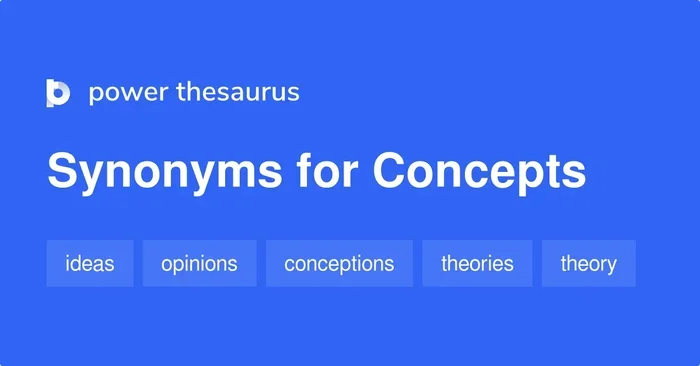
- There are great synonyms like “also,” “similarly,” and “equally”: These help you vary your language.
- Practice with real examples is the best way to learn: Try using “likewise” in your own writing today.
- The word has roots in Old English: Understanding its history adds depth to your vocabulary.
- It pairs well with “thank you” in polite replies: “Likewise, thank you” is a classic and courteous phrase.
📑 Table of Contents
- What Does Likewise Mean A Simple Guide To Understanding
- The Basic Likewise Meaning
- How to Use Likewise in Sentences
- Likewise Synonyms and Similar Words
- Common Mistakes When Using Likewise
- Likewise in Formal and Informal Writing
- Quick Tips for Mastering Likewise
- Expert Insights on the Likewise Meaning
- Key Takeaways
- Conclusion
What Does Likewise Mean A Simple Guide To Understanding
Have you ever read a sentence and thought, “What does likewise mean?” You are not alone. Many people see this word and wonder how to use it correctly. The good news is that the likewise meaning is much simpler than it looks.
In everyday English, “likewise” means “in the same way” or “also.” It is a word that connects two similar ideas. When you say something is true for one thing, you can use “likewise” to say it is true for another thing too. This guide will walk you through everything you need to know about the likewise meaning, how to use it, and why it matters in your writing and speech.
By the end of this article, you will feel confident using “likewise” in any situation. We will cover definitions, examples, synonyms, common mistakes, and expert tips. Let us get started.
The Basic Likewise Meaning
Defining Likewise in Simple Terms
The likewise meaning comes from Old English roots. The word “likewise” is made up of two parts: “like” and “wise.” Back in the old days, “wise” meant “manner” or “way.” So “likewise” literally meant “in a like manner.” Over time, the word evolved into the common English word we use today.
At its core, the likewise meaning is about similarity and agreement. When you use this word, you are saying that something else is true in the same way. It is a conjunctive adverb, which is a fancy term for a word that connects ideas and shows relationships between them.
Here is the simplest way to think about it. If someone says, “I enjoy hiking.” You could reply, “I do likewise.” That means, “I also enjoy hiking.” The likewise meaning here is “in the same way” or “me too.”
How the Word Fits Into Grammar
Understanding the likewise meaning also helps with English grammar. “Likewise” belongs to a group of words called conjunctive adverbs. Other words in this group include “however,” “therefore,” “moreover,” and “consequently.”
These words do important jobs in sentences. They link ideas together and show how thoughts relate to each other. “Likewise” specifically shows that two ideas are similar or that one idea matches another.
Here are some key grammar points about “likewise”:
- It is an adverb: It describes how something happens or relates to something else.
- It often sits in the middle of a sentence: Though it can appear at the start too.
- It connects similar ideas: It shows agreement or parallel thinking.
- It replaces the need for longer phrases: Instead of saying “in the same way,” you just say “likewise.”
When you grasp these basics, the likewise meaning becomes much clearer. You will start noticing it everywhere in books, articles, and conversations.
How to Use Likewise in Sentences
Everyday Conversation Examples
The best way to understand the likewise meaning is to see it in action. Here are some simple examples you might hear in daily life:
- “I love reading mystery novels.” “I do likewise.”
- “She works hard at her job.” “He does likewise.”
- “I appreciate your help.” “Thank you, and I appreciate yours likewise.”
In each case, “likewise” shows that the second person shares the same feeling or does the same thing. The likewise meaning is clear: “me too” or “the same is true for me.”
Formal Writing and Professional Settings
The likewise meaning also shines in formal writing. Whether you are drafting an email to your boss or writing an academic paper, this word adds polish. Here are some examples:
- “The new policy benefits employees. It also benefits managers likewise.”
- “The data supports the first hypothesis. The second set of results confirms this likewise.”
- “We value customer feedback. We also act on it likewise.”
In professional writing, “likewise” helps you connect ideas smoothly. It makes your writing flow better and sound more sophisticated. However, you should use it with care. Overusing it can make your text feel repetitive.
Using Likewise to Show Agreement
One of the most common ways to use “likewise” is to show agreement. When someone makes a point and you want to say you feel the same way, “likewise” is a great choice.
For example:
- “This restaurant has amazing food.” “I agree; the service is likewise excellent.”
- “The movie was both funny and touching.” “The acting was likewise impressive.”
Notice how “likewise” smoothly adds a matching point. It saves you from starting a brand new sentence from scratch. The likewise meaning here works as a bridge between two related thoughts.
The Polite “Likewise” in Greetings and Replies
You may have heard people say “Likewise, thank you” or “Nice to meet you likewise.” This is a very common and polite use of the word. It shows mutual respect and shared feeling.
Here are a few polite phrases using “likewise”:
- “Have a great weekend.” “You too, likewise.”
- “I enjoyed our meeting.” “The pleasure was mine, likewise.”
- “Happy holidays to you and your family.” “Same to you likewise.”
These phrases are short but powerful. They show that the feeling goes both ways. The likewise meaning in these cases is “the same feeling applies to me as well.”
Likewise Synonyms and Similar Words
Words That Share the Likewise Meaning
English is rich with words that carry a similar likewise meaning. Knowing these synonyms helps you vary your language and avoid repetition. Here are some of the best alternatives:
- Also: The simplest and most common alternative. “I also enjoy cooking.”
- Similarly: Shows a strong parallel between two things. “Similarly, the second experiment produced the same result.”
- Equally: Emphasizes that two things share the same level of importance. “Both options are equally good.”
- Correspondingly: A more formal word that shows a matching relationship. “The costs rose, and the quality correspondingly improved.”
- In the same way: A phrase version of “likewise” that works well in speech and writing. “In the same way, she handled the second task.”
- Too: A casual and friendly option. “I love that song too.”
- As well: Slightly more formal than “too.” “She speaks French as well.”
- Not only… but also: A paired phrase that builds a strong connection. “He is not only smart but also kind.”
When to Choose Each Synonym
Not all synonyms work in every situation. Here is a quick guide to help you pick the right word:
- Use also in most everyday situations. It is safe and natural.
- Use similarly when you want to highlight a comparison between two ideas.
- Use equally when both things hold the same weight or importance.
- Use correspondingly in formal or academic writing where precision matters.
- Use likewise when you want a polished, professional tone.
- Use too or as well in casual conversations with friends.
Each of these words shares the core likewise meaning of showing similarity or addition. The key is to pick the one that fits your tone and context best.
Common Mistakes When Using Likewise
Using Likewise Too Often
The most common mistake with “likewise” is overusing it. When you love a word, it is tempting to sprinkle it everywhere. But doing so weakens its impact. Your writing starts to feel repetitive and robotic.
Here is an example of overuse:
- “The team worked hard. The coach trained them likewise. The results improved likewise. The players felt likewise motivated.”
See how that feels? It is exhausting to read. A better approach is to mix in synonyms like “also,” “similarly,” and “equally.” This keeps your writing fresh and engaging.
Starting Every Sentence with Likewise
Another mistake is placing “likewise” at the beginning of every sentence. While it is grammatically correct to start a sentence with “likewise,” doing it repeatedly sounds awkward.
Try this instead:
- “The garden needs water. The flowers need likewise attention.”
Notice how moving “likewise” into the middle of the sentence creates a smoother flow. The likewise meaning stays the same, but the rhythm of the writing improves.
Confusing Likewise with Similarly
People often mix up “likewise” and “similarly.” While they share a close likewise meaning, there is a subtle difference. “Similarly” often compares two separate things. “Likewise” often adds a matching point to the same idea.
For example:
- “The lake was calm. The forest was similarly peaceful.” (Comparing two different things.)
- “I respect your opinion. I share your concern likewise.” (Adding a matching point to the same idea.)
The difference is small but important. Paying attention to it makes your writing more precise.
Using Likewise as a Conjunction
Some writers mistakenly treat “likewise” as a conjunction like “and” or “but.” It is not. “Likewise” is an adverb. It modifies a verb, adjective, or another adverb. This means it cannot join two independent clauses the way a conjunction does.
Here is the wrong way:
- “I finished my work, likewise you should finish yours.”
Here is the right way:
- “I finished my work. You should finish yours likewise.”
Keeping this distinction clear helps you avoid grammar errors and strengthens your writing.
Likewise in Formal and Informal Writing
The Role of Likewise in Academic Writing
In academic papers and research articles, the likewise meaning serves an important purpose. It helps writers connect findings, compare results, and build logical arguments. When used correctly, “likewise” adds clarity and flow to complex ideas.
Here are some examples from academic contexts:
- “The initial study showed positive outcomes. The follow-up research confirmed these findings likewise.”
- “Urban areas face pollution challenges. Rural communities face likewise environmental concerns.”
In academic writing, precision matters. The likewise meaning gives writers a tool to draw clear parallels without overcomplicating their sentences.
Using Likewise in Business Emails and Letters
The workplace is another place where “likewise” shines. It helps you write professional emails that sound polished and courteous. Whether you are responding to a client or thanking a colleague, “likewise” adds a touch of class.
Here are some business email examples:
- “Thank you for your prompt response. I appreciate your attention to detail likewise.”
- “The project deadline has been extended. The budget has been adjusted likewise.”
- “I look forward to our meeting next week. Please let me know if there is anything you need likewise.”
These phrases feel professional and respectful. The likewise meaning in business writing shows that you are paying attention to details and treating the other party with equal consideration.
Casual Use in Everyday Speech
You do not need to be in a boardroom to use “likewise.” The word fits perfectly in casual conversations too. Friends, family, and coworkers all use it in everyday speech.
Here are some informal examples:
- “That pizza was incredible.” “Yeah, the dessert was likewise amazing.”
- “I am really tired today.” “I feel likewise.”
- “This new song is a banger.” “I know, right? The lyrics hit likewise hard.”
In casual settings, “likewise” feels natural and friendly. It shows that you are actively listening and engaging with what the other person said. The likewise meaning in these moments is simply “me too” or “the same goes for me.”
Quick Tips for Mastering Likewise
Tip 1: Read More to Absorb the Correct Usage
The more you read, the more naturally “likewise” will feel. Pay attention to how authors use it in books, articles, and essays. You will start to internalize the likewise meaning without even trying.
Tip 2: Practice with a Partner
Find a friend or language partner and practice using “likewise” in conversation. Take turns making statements and replying with “likewise.” This simple exercise builds confidence and fluency.
Tip 3: Keep a Vocabulary Journal
Write down new words and phrases you encounter, including “likewise” and its synonyms. Note the context in which you saw or heard them. Reviewing your journal regularly helps reinforce your learning.
Tip 4: Use It Sparingly
Less is more with “likewise.” Use it when it adds value to your sentence. If you can replace it with a simpler word like “also,” go ahead. The goal is clarity, not showing off your vocabulary.
Tip 5: Listen for It in Real Life
Pay attention to how native speakers use “likewise” in podcasts, movies, and meetings. Listening helps you understand tone, placement, and natural rhythm. Over time, you will start using it the same way.
Expert Insights on the Likewise Meaning
What Language Experts Say
Language experts agree that “likewise” is one of the most underrated words in English. It adds elegance and precision to both speech and writing. According to grammar specialists, mastering conjunctive adverbs like “likewise” is a strong indicator of advanced English proficiency.
Many ESL learners struggle with this word because its placement in a sentence can be tricky. But once you understand the likewise meaning and practice it regularly, it becomes second nature.
How to Teach Likewise to Children
If you are helping a child learn English, “likewise” can be a fun word to teach. Start with simple examples like “I like ice cream. You like ice cream likewise.” Children grasp the concept quickly when it is tied to familiar situations.
The key is to make learning playful. Use games, stories, and real-life examples. The likewise meaning becomes much easier to remember when it is connected to something fun.
The Power of Parallel Structure
One advanced tip from writing experts is to pair “likewise” with parallel structure. This means using the same grammatical pattern on both sides of the word. It creates a balanced and satisfying rhythm in your writing.
For example:
- “She loves the mountains. He loves the ocean likewise.”
- “The team trained hard. The coaching staff prepared likewise.”
Parallel structure makes your writing sound professional and polished. It is a technique used by top writers and speakers around the world.
Key Takeaways
- The likewise meaning is “in the same way” or “also”: It is a conjunctive adverb that connects similar ideas.
- It works in all types of writing: From casual texts to academic papers, “likewise” fits naturally.
- Avoid overusing it: Mix in synonyms like “also,” “similarly,” and “equally” for variety.
- It is not a conjunction: Treat it as an adverb, not a word that joins two full sentences.
- Polite phrases like “likewise, thank you” are classic uses: They show mutual respect and shared feeling.
- Practice makes perfect: The more you use “likewise,” the more natural it becomes.
- Context matters: Choose the right synonym based on whether your setting is formal or informal.
Conclusion
The likewise meaning is straightforward and powerful. It means “in the same way” or “also,” and it helps you connect ideas smoothly in both speech and writing. Whether you are replying to a friend, drafting a business email, or writing an academic paper, this word adds clarity and polish to your message.
Remember to use “likewise” with care. Avoid overusing it, and mix in synonyms to keep your language fresh. Pay attention to placement, and always make sure it serves the sentence rather than cluttering it.
Now that you understand the likewise meaning inside and out, it is time to put your knowledge into practice. Start using “likewise” in your next conversation or writing piece. You will be surprised at how naturally it fits. The more you use it, the more confident you will become. Happy writing!
Frequently Asked Questions
What is the likewise meaning in simple words?
The likewise meaning is “in the same way” or “also.” It is used to show that something is true for another thing just as it is true for the first thing. For example, “I love hiking. I enjoy swimming likewise.”
Can likewise be used at the beginning of a sentence?
Yes, you can start a sentence with “likewise.” It is grammatically correct. However, using it at the start of too many sentences in a row can make your writing feel repetitive. Try mixing it into the middle of sentences for better flow.
Is likewise formal or informal?
“Likewise” works in both formal and informal settings. In formal writing, it adds a polished and professional tone. In casual conversation, it feels natural and friendly. The likewise meaning stays the same regardless of the setting.
What are the best synonyms for likewise?
Some of the best synonyms include “also,” “similarly,” “equally,” “correspondingly,” and “in the same way.” Each synonym carries a slightly different nuance. Choose the one that best fits the tone and context of your writing.
How is likewise different from similarly?
Both words show similarity, but “likewise” often adds a matching point to the same idea, while “similarly” compares two separate things. For example, “The lake was calm. The forest was similarly peaceful” compares two different places. “I love reading. He does likewise” adds a matching point to the same idea.
Is likewise a conjunction or an adverb?
“Likewise” is an adverb, not a conjunction. This means it modifies a verb, adjective, or another adverb. It cannot join two independent clauses the way a conjunction like “and” or “but” does. Understanding this distinction helps you use “likewise” correctly in your writing.