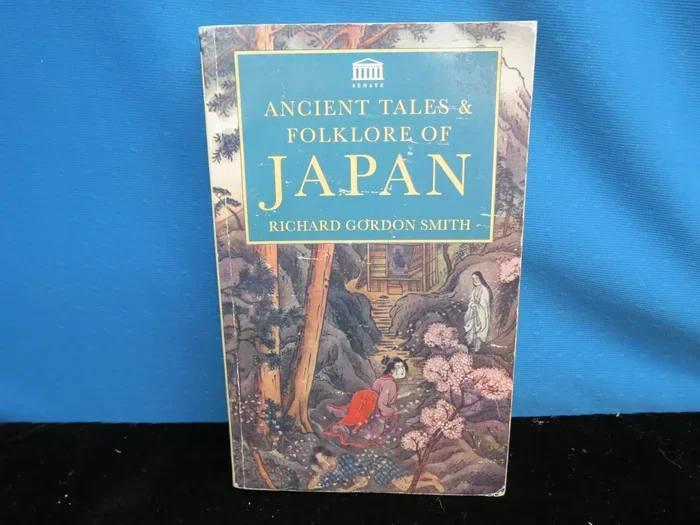

The lore meaning refers to the body of knowledge, stories, and traditions passed down through generations within a culture or fictional world. It covers everything from ancient folklore and mythology to the rich backstories found in video games and novels. Understanding lore meaning helps you appreciate how stories shape our world and our imaginations.
Have you ever wondered about the lore meaning behind the stories you love? Maybe you finished a video game and wanted to know more about its world. Or perhaps you read a fantasy novel and got lost in its rich history. Whatever the case, lore is at the heart of it all.
Lore meaning goes far beyond just “stories.” It represents the accumulated knowledge, traditions, myths, and legends that shape a culture or a fictional universe. When we talk about lore, we are talking about the deep background that makes a world feel real and alive.
In this article, we will explore the lore meaning in detail. You will learn where lore comes from, why it matters, and how it shows up in different forms of media. Whether you are a gamer, a reader, a writer, or just a curious person, this guide has something for you.
Key Takeaways
- Lore meaning is the collective body of knowledge, stories, and traditions that define a culture or fictional universe.
- Lore has deep roots in human history, connecting us to ancient storytelling and cultural heritage.
- Different cultures around the world have unique lore traditions that reflect their values and beliefs.
- Lore plays a vital role in modern media, especially in video games, movies, and fantasy literature.
- Using lore effectively requires authenticity, consistency, and respect for the source material.
- Understanding lore meaning enriches your reading, gaming, and creative experiences.
📑 Table of Contents
What Does Lore Mean?
The word lore comes from the Old English word “lar,” which means knowledge or teaching. Over time, it evolved to describe the body of knowledge held by a particular group of people. Today, when we say lore meaning, we are talking about the stories, beliefs, and traditions that make up a community’s identity.
Defining Lore in Simple Terms
At its core, lore meaning is straightforward. It is the collection of knowledge passed from one generation to the next. This can include:
- Ancient myths and legends
- Folk tales and fables
- Cultural traditions and customs
- Historical accounts and beliefs
- Fictional backstories in books, games, and movies
Think of lore as the memory of a world. It holds the secrets, the history, and the wisdom that give a story its depth. Without lore, a fictional world feels flat and lifeless. With lore, it comes alive.
How Lore Differs from Simple Storytelling
Not every story counts as lore. A quick bedtime tale is a story, but lore is something deeper. Lore meaning involves a shared body of knowledge that builds over time. It connects people to their past and to each other.
For example, a single fairy tale is a story. But the entire collection of fairy tales from a specific culture, along with the beliefs and values they carry, that is lore. It forms a framework that gives meaning to the narrative.
A Brief History of Lore
Lore is as old as humanity itself. Long before books and the internet, people gathered around fires to share stories. These stories carried lore meaning because they taught lessons, preserved history, and connected communities to their roots.
Ancient Origins of Lore
The earliest forms of lore were oral traditions. Elders in tribes and communities would pass down stories to the younger generation. These tales explained the world around them. They answered questions like:
- Why does the sun rise every morning?
- What happens after we die?
- Why do seasons change?
Ancient civilizations like the Greeks, Egyptians, and Norse people built entire belief systems around their lore. Greek mythology, for instance, is a vast collection of lore that still influences our culture today. The stories of Zeus, Athena, and Odin are not just tales. They are pieces of a larger lore meaning that shaped Western civilization.
How Lore Has Evolved Over Time
As societies grew, so did their lore. Written language allowed stories to be recorded and preserved. Religious texts like the Bible, the Quran, and the Vedas became massive repositories of lore. They contained moral teachings, historical accounts, and spiritual knowledge.
In the modern era, lore took on new forms. Books, films, and video games became new vessels for lore meaning. Fantasy authors like J.R.R. Tolkien and George R.R. Martin built entire worlds with deep, intricate lore. Their work showed the world that lore is not just for ancient myths. It is a powerful tool for any storyteller.
Lore in Different Cultures
One of the most fascinating things about lore meaning is how it varies across cultures. Every society has its own unique lore that reflects its values, history, and worldview. Let us take a closer look at how lore appears in different parts of the world.
European Lore Traditions
European lore is rich and diverse. Norse mythology gives us tales of Valhalla, Ragnarok, and the mighty Thor. Celtic lore brings us stories of fairies, druids, and ancient sacred sites. Slavic folklore is filled with Baba Yaga and other mysterious figures.
Each of these traditions carries deep lore meaning. They reflect the fears, hopes, and beliefs of the people who created them. European lore has had a huge impact on modern fantasy literature and media. Many popular games and books draw directly from these ancient traditions.
Asian and African Lore
Asian lore traditions are equally powerful. Chinese mythology features dragons, emperors, and celestial beings with deep symbolic meaning. Japanese folklore includes tales of kami, spirits that inhabit natural elements. Indian lore spans thousands of years, with epic stories like the Mahabharata and the Ramayana.
African lore is equally vibrant. Oral traditions across the continent carry centuries of wisdom. Anansi the Spider, a trickster figure from West African folklore, is a beloved character that has spread across the world. These stories carry lore meaning that teaches morals, history, and cultural identity.
Why Lore Matters in Storytelling
If you have ever felt completely absorbed in a fictional world, you have experienced the power of lore. Lore meaning matters because it gives stories weight and depth. It transforms a simple narrative into an immersive experience.
Building a Rich Narrative World
Great storytellers know that world-building is everything. A well-crafted lore system makes a fictional world feel real. Readers and players want to believe that the world they are exploring has a history. They want to know what happened before the story began.
Consider the world of Harry Potter. The lore meaning behind the wizarding world is what makes it so compelling. The history of Hogwarts, the rise of Voldemort, and the politics of the magical community all add layers of depth. Without this lore, Harry Potter would just be a boy with a scar. With it, the story becomes a universe.
The Role of Lore in Character Development
Lore also shapes characters. A character’s background, beliefs, and motivations are all influenced by the lore of their world. When a story has strong lore, characters feel grounded and believable.
For example, think about a warrior character in a fantasy game. If the game has deep lore, that warrior might belong to a specific tribe with its own traditions, history, and values. The lore meaning behind their actions gives them personality and purpose. It makes them more than just a fighter on a screen.
Lore in Modern Media
Today, lore meaning plays a huge role in popular media. Video games, movies, TV shows, and books all rely on rich lore to engage their audiences. Let us explore how lore shows up in some of the most popular forms of entertainment.
Lore in Video Games
Video games are one of the biggest carriers of modern lore. Games like The Legend of Zelda, Dark Souls, and The Elder Scrolls are built entirely on deep, complex lore systems. Players spend hours reading lore entries, listening to in-game dialogue, and exploring the history of the game world.
The lore meaning in gaming goes beyond just backstory. It shapes gameplay. In Dark Souls, understanding the lore helps you understand why enemies behave the way they do. In The Elder Scrolls, the lore gives you reasons to explore every corner of the map. Game lore creates a sense of discovery that keeps players coming back.
Here are some key ways lore enhances gaming:
- It creates a sense of place and atmosphere
- It gives players reasons to explore and discover
- It adds emotional weight to quests and battles
- It builds a community of fans who discuss and theorize
- It makes the game world feel alive and believable
Lore in Movies and TV Shows
Movies and TV shows also benefit from strong lore. The Marvel Cinematic Universe is a massive example of lore meaning in action. Each movie adds to the larger story. Fans piece together clues, connect timelines, and debate theories. The lore is what keeps them invested.
Shows like Game of Thrones and The Lord of the Rings: The Rings of Power rely heavily on existing lore. Fans come to these shows already familiar with the source material. The lore gives them a framework to understand and enjoy the story.
How to Use Lore Effectively
Whether you are a writer, a game designer, or a content creator, understanding lore meaning can help you use it more effectively. Here are some practical tips and insights.
Tips for Writers and Creators
Building good lore takes time and care. Here are some tips to keep in mind:
- Start with the basics. Define the core history, rules, and beliefs of your world before adding details.
- Be consistent. Make sure your lore does not contradict itself. Consistency builds trust with your audience.
- Show, do not tell. Let the lore emerge naturally through the story. Avoid long info dumps.
- Leave room for mystery. Not everything needs to be explained. Some of the best lore leaves questions open.
- Make it relevant. Every piece of lore should serve the story or the experience in some way.
When you follow these tips, your lore meaning will feel organic and engaging. Your audience will appreciate the depth without feeling overwhelmed.
Common Mistakes When Using Lore
Even experienced creators can make mistakes with lore. Here are some common pitfalls to avoid:
- Overloading the audience. Too much lore at once can confuse readers and players. Pace yourself.
- Inconsistency. Changing established lore without a good reason breaks trust. Be careful with retcons.
- Forgetting the story. Lore should support the story, not overshadow it. The narrative always comes first.
- Ignoring the audience. Fans love to dig into lore. Respect their interest and engage with their theories.
Avoiding these mistakes will help you create lore meaning that resonates. Your audience will feel more connected to your world.
The Future of Lore
As media continues to evolve, so does lore. New technologies like virtual reality and interactive storytelling are creating new ways to experience lore meaning. Imagine stepping into a virtual world where every object has a history and every character has a backstory.
AI and machine learning are also changing how lore is created and shared. Some games now use procedural generation to build lore on the fly. This opens up exciting possibilities for the future of storytelling.
One thing is certain: lore is not going anywhere. Humans have always been storytellers. We always need a shared body of knowledge to connect us. The lore meaning behind our favorite stories will continue to shape culture for generations to come.
Conclusion
The lore meaning is something far more powerful than most people realize. It is the backbone of storytelling, the memory of cultures, and the foundation of the fictional worlds we love. From ancient myths to modern video games, lore connects us to our past and to each other.
Understanding lore meaning enriches your experience as a reader, a gamer, and a creator. It helps you see the deeper layers in the stories you love. It gives you tools to build your own worlds with depth and authenticity.
So the next time you dive into a fantasy novel, start a new game, or listen to an old folk tale, remember the lore meaning behind it. You are not just consuming a story. You are tapping into a tradition that stretches back thousands of years. And that is something truly special.
Frequently Asked Questions
What is the difference between lore and legend?
A legend is a specific type of story, often based on real events or people. Lore meaning is broader. It refers to the entire body of knowledge, stories, and traditions within a culture or fictional world. A legend can be part of lore, but lore is much more than just legends.
Why is lore important in video games?
Lore gives video games depth and immersion. It creates a world that feels real and lived-in. Players who engage with the lore meaning of a game feel more connected to the characters and the story. It also encourages exploration and replayability.
Can lore be fictional?
Yes, lore can be entirely fictional. Many fantasy books and games create original lore from scratch. The lore meaning in these cases serves to build a believable and immersive fictional universe. Even though it is not real, it follows its own internal logic and history.
How do writers create good lore?
Good lore starts with a strong foundation. Writers define the core history, rules, and culture of their world. They stay consistent and let the lore grow naturally. The best lore meaning emerges through the story itself, rather than being forced onto the audience.
Is lore the same as world-building?
Lore is a key part of world-building, but they are not the same. World-building is the entire process of creating a fictional world. Lore meaning is the specific body of knowledge and history within that world. Lore feeds into world-building but is not the only element.
Can anyone create lore?
Absolutely. Anyone can create lore. Whether you are writing a novel, designing a game, or simply sharing stories with friends, you are building lore. The key is to make it consistent, meaningful, and engaging. The lore meaning you create can resonate with others and build a shared sense of identity.



