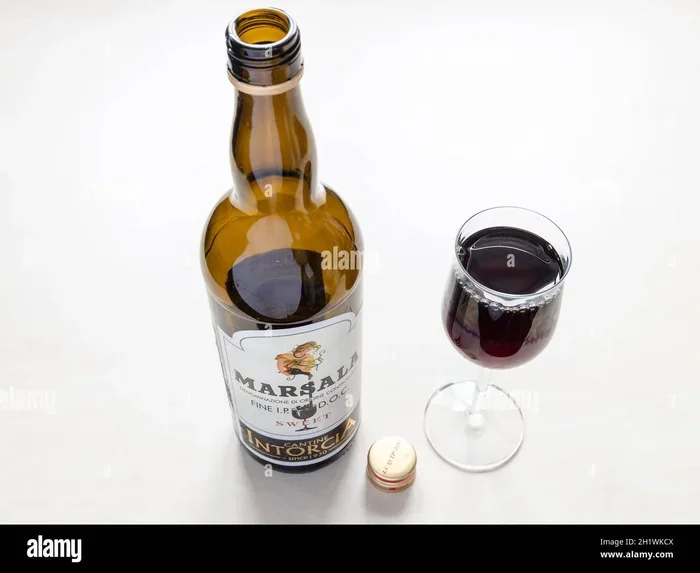

The marsala meaning goes far beyond a simple wine name — it represents a centuries-old Sicilian tradition, a versatile cooking ingredient, and a symbol of Italian winemaking excellence. Whether you are a home cook or a wine enthusiast, understanding marsala opens up a world of flavor and culture. This guide breaks down everything you need to know about this iconic wine.
You have probably seen marsala sitting on the shelf at your local grocery store. Maybe you have used it in a recipe or noticed it listed on a restaurant menu. But what does marsala actually mean? The answer is more interesting than you might think.
Marsala meaning goes way beyond just a type of wine. It is a story of Sicilian tradition, clever winemakers, and a drink that found its way into kitchens all around the world. In this article, we will explore the full marsala wine story. You will learn where it comes from, how it is made, the different types available, and why it continues to matter in both wine and cooking today.
Whether you are a curious cook looking to improve your recipes or a wine lover wanting to expand your knowledge, this guide has you covered. Let us dive into the world of marsala and uncover why this classic term still holds so much weight in the food and wine world.
Key Takeaways
- Marsala is a fortified wine from Sicily with a rich history dating back to the 18th century.
- There are several types of marsala, including dry, semi-dry, sweet, and vergine classifications.
- Marsala is a staple in Italian cooking, especially for sauces, marinades, and desserts.
- The wine gets its name from the Sicilian port city of Marsala, where it was first exported.
- Understanding marsala grades helps you choose the right bottle for drinking or cooking.
- Marsala pairs beautifully with cheeses, nuts, and desserts when served as a sipping wine.
- This classic wine term carries deep cultural significance in Italian culinary traditions worldwide.
📑 Table of Contents
- What Does Marsala Mean? The Origin Story
- How Marsala Wine Is Made
- Types and Classifications of Marsala
- Marsala in the Kitchen: A Cooking Staple
- How to Choose the Right Marsala
- Why This Classic Wine Term Matters
- Common Mistakes People Make with Marsala
- Expert Insights on Marsala
- Quick Tips for Marsala Beginners
- Conclusion
What Does Marsala Mean? The Origin Story
The marsala meaning starts with a place. Marsala is a city located in the western part of Sicily, Italy. It sits on a beautiful stretch of coastline and has served as a major port for centuries. The wine gets its name directly from this historic town.
In the late 1700s, British merchants noticed the quality of local wines in the Marsala region. They began exporting these wines to England and other parts of Europe. Over time, the name “marsala” became synonymous with a specific style of fortified wine. Today, marsala wine is recognized worldwide as a product of this Sicilian region.
The Role of British Merchants
Here is a fascinating piece of marsala history. A British wine merchant named John Woodhouse was one of the first to recognize the potential of local Sicilian wines. In 1773, he arrived in Marsala and tasted a local red wine. He noticed it had a rich, deep flavor that reminded him of Spanish sherry.
Woodhouse came up with a clever idea. He strengthened the wine by adding grape brandy. This process, known as fortification, helped the wine survive long sea voyages. The result was a stable, flavorful wine that could travel well. His innovation launched what we now know as marsala wine.
Other British merchants followed suit. Woodhouse’s success attracted competitors like Benjamin Ingham and William Innes. Together, they built a thriving wine trade around the Sicilian port. The marsala meaning evolved from a local product into a global sensation.
How Marsala Wine Is Made
Understanding how marsala is produced helps you appreciate its unique character. The winemaking process for marsala wine involves several traditional steps that have been refined over centuries.
The Grape Varieties Used
Marsala is made from specific grape varieties grown in Sicily. The most common white grape varieties include Grillo, Catarratto, and Inzolia. For red marsala, producers use Perricone, Nero d’Avola, and Nerello Mascalese. Each grape brings its own flavor profile to the final product.
The choice of grape variety affects the color, sweetness, and body of the finished wine. This is why different bottles of marsala can taste so different from one another. The sicilian wine tradition relies heavily on these local grape varieties.
The Fortification Process
Fortification is what sets marsala wine apart from regular table wines. After fermentation begins, grape spirit is added to the wine. This stops the fermentation process at a specific point. The result is a wine with a higher alcohol content, typically between 15% and 20%.
This fortification also acts as a natural preservative. It allows the wine to age for many years without spoiling. Some premium marsala bottles age for decades. The longer the wine ages, the more complex and rich its flavor becomes.
Aging and Classification
Marsala wine is classified based on its aging period. The Italian government has strict rules about how long each type must age before it can be labeled and sold. These classifications help consumers understand the quality and character of the wine they are buying.
- Fine marsala — aged for at least one year
- Superiore marsala — aged for at least two years
- Superiore Riserva — aged for at least four years
- Vergine or Soleras — aged for at least five years
- Vergine Stravecchio or Riserva Speciale — aged for at least ten years
The invecchiato classification refers to aged marsala that has been carefully stored using the solera system. This traditional aging method involves stacking barrels of different ages and blending them over time. It creates a consistent and deeply complex flavor profile.
Types and Classifications of Marsala
Not all marsala is the same. The marsala meaning actually encompasses a wide range of styles. Each type serves a different purpose, whether for sipping or cooking.
Dry Marsala
Dry marsala is the most common type used in cooking. It has a golden amber color and a crisp, slightly nutty flavor. Dry marsala wine works beautifully in savory dishes like chicken marsala, mushroom sauces, and deglazing pans.
When a recipe calls for marsala without specifying sweet or dry, it usually means dry marsala. This is the go-to choice for most home cooks and professional chefs alike.
Sweet Marsala
Sweet marsala is darker and richer. It has a luscious, caramel-like sweetness that makes it perfect for desserts and sipping. Some people enjoy sweet marsala on its own as a after-dinner drink.
In the kitchen, sweet marsala works well in sauces for pork or veal. It also adds depth to desserts like tiramisu or poached fruits. The marsala color of sweet varieties ranges from deep ruby to dark mahogany.
Semi-Dry and Semi-Sweet Marsala
These middle-ground options offer versatility. Semi-dry marsala balances the crispness of dry styles with a touch of sweetness. Semi-sweet marsala leans slightly toward the dessert side. Both can be used in a wide range of recipes.
Vergine Marsala
Vergine marsala represents the highest quality category. It is made without the addition of mosto cotto, which is cooked grape must. This gives vergine marsala a purer, more refined taste. These wines are meant for sipping and are often aged for many years.
If you want to experience the true marsala meaning in its most authentic form, look for a vergine bottle. The complexity and depth of flavor are unmatched.
| Type | Color | Sweetness | Best Used For |
|---|---|---|---|
| Dry Marsala | Golden Amber | Dry | Cooking, sauces, deglazing |
| Semi-Dry Marsala | Amber | Off-Dry | Cooking, light sauces |
| Sweet Marsala | Dark Ruby/Brown | Sweet | Desserts, sipping, rich sauces |
| Vergine Marsala | Deep Amber | Varies | Sipping, premium cooking |
Marsala in the Kitchen: A Cooking Staple
For many people, the marsala meaning is tied directly to the kitchen. Cooking with marsala is a tradition that spans generations of Italian home cooks and professional chefs.
Classic Marsala Dishes
The most famous dish associated with marsala wine is chicken marsala. Thin chicken cutlets are breaded, pan-fried, and then simmered in a sauce made with marsala, butter, and mushrooms. It is a comfort food classic found on menus across the country.
Other popular marsala recipes include veal marsala, marsala mushroom sauce, and marsala cream sauce for pasta. The wine adds a depth of flavor that is hard to replicate with any other ingredient.
Marsala in Desserts
Sweet marsala plays a starring role in Italian desserts. It is used to make zabaglione, a creamy custard-like dessert whipped with egg yolks and sugar. Marsala also enhances tiramisu, panna cotta, and fruit compotes.
A small splash of sweet marsala can elevate a simple dessert into something truly special. The marsala color and rich aroma make it a beautiful finishing touch.
Tips for Cooking with Marsala
- Always use a wine you would drink. Cheap cooking wines lack the depth needed for great flavor.
- Store opened marsala in the refrigerator. It will keep for several weeks once opened.
- Add marsala toward the end of cooking. Prolonged high heat can dull its complex flavors.
- Match the sweetness to your dish. Use dry marsala for savory recipes and sweet marsala for desserts.
- Start with small amounts. You can always add more, but you cannot take it away.
Can You Substitute Marsala in Recipes?
If you do not have marsala on hand, there are a few substitutes. For dry marsala, try a dry sherry or a light red wine. For sweet marsala, a combination of port wine and a touch of brandy can work in a pinch. However, nothing quite replicates the unique character of authentic marsala wine.
How to Choose the Right Marsala
Walking into a wine shop and facing rows of marsala bottles can feel overwhelming. Here is how to pick the right one for your needs.
For Cooking
If your main goal is cooking with marsala, you do not need an expensive bottle. A basic fine marsala or superiore marsala works perfectly. These are affordable and widely available at most grocery stores.
Look for a bottle labeled “cooking marsala” if you want the most budget-friendly option. Just keep in mind that these may contain added salt or preservatives, which can affect the taste.
For Sipping and Enjoying
If you want to drink marsala on its own, invest in a higher-quality bottle. Look for superiore riserva or vergine classifications. These aged wines offer complex flavors of caramel, dried fruit, and toasted nuts.
Serve sweet marsala slightly chilled in a small glass. Dry marsala can be served at room temperature or lightly chilled. Both make excellent after-dinner drinks.
Reading the Label
When shopping for marsala wine, check the label for key information. Look for the classification (fine, superiore, vergine, etc.), the color (oro, ambra, or rubino), and the sweetness level (secco, semisecco, or dolce). These details will guide you to the right bottle.
Authentic marsala should have a DOP (Denominazione di Origine Protetta) certification. This guarantees the wine was produced in the designated Marsala region of Sicily using traditional methods.
Why This Classic Wine Term Matters
The marsala meaning carries more weight than most people realize. It represents a bridge between Italian tradition and global culinary culture. Understanding this term connects you to centuries of winemaking heritage.
A Symbol of Sicilian Identity
Marsala wine is a source of pride for Sicily. The region’s winemakers have preserved their craft through generations of change. The marsala meaning is deeply tied to Sicilian identity, economy, and cultural heritage.
When you open a bottle of marsala, you are participating in a tradition that stretches back over 200 years. It connects you to the port city where British merchants first fell in love with local wines, and to the Sicilian families who have kept the craft alive.
Influence on Global Cuisine
The marsala meaning extends far beyond Italy. This wine has influenced cuisines around the world. Italian-American cooking, in particular, has embraced marsala as a foundational ingredient.
Dishes like chicken marsala have become American classics. The marsala sauce is now a staple in many households. This shows how a single wine term can shape the way people cook and eat across continents.
Growing Appreciation Among Wine Lovers
In recent years, there has been a renewed interest in marsala wine among wine enthusiasts. More people are discovering the complexity and versatility of this Sicilian fortified wine. Wine bars and restaurants are adding vergine and aged marsala selections to their lists.
This growing appreciation is helping to elevate the marsala meaning from a simple cooking ingredient to a respected wine category. As more people explore its rich flavors, the future of marsala looks brighter than ever.
Common Mistakes People Make with Marsala
Even experienced cooks sometimes make mistakes when using marsala. Here are a few to avoid.
- Using cooking marsala for drinking. Cooking versions often contain added salt and preservatives that make them unpleasant to sip.
- Confusing dry and sweet marsala. Using the wrong sweetness level can throw off the balance of your entire dish.
- Leaving marsala at room temperature after opening. Always refrigerate opened bottles to preserve their quality.
- Buying the cheapest option without checking the label. Some low-quality bottles contain added colors and flavorings that do not represent authentic marsala wine.
- Adding marsala too early in cooking. High heat for too long can break down the delicate flavors of the wine.
Expert Insights on Marsala
Wine experts often highlight marsala as an underrated gem in the world of fortified wines. According to sommeliers and Italian wine producers, the marsala meaning deserves far more recognition than it currently receives.
“Marsala is one of the oldest and most versatile fortified wines in the world,” says Marco, a Sicilian winemaker with over 30 years of experience. “People know it for cooking, but the drinking quality of a well-aged vergine marsala is something truly special.”
Experts recommend exploring different marsala styles to find your personal preference. Start with a dry superiore for cooking and a sweet vergine for sipping. This will give you a well-rounded understanding of what marsala has to offer.
Quick Tips for Marsala Beginners
- Start with a dry marsala for your first cooking experience.
- Buy a small bottle if you only cook with marsala occasionally.
- Taste your marsala before adding it to a dish. This helps you understand its flavor profile.
- Store opened bottles in the refrigerator and use them within two to three months.
- Try a sipping-grade marsala at least once to experience its full complexity.
- Look for DOP certification on the label to ensure authenticity.
- Pair sweet marsala with dark chocolate or aged cheeses for a delightful tasting experience.
Conclusion
The marsala meaning is much richer than most people realize. It is not just a name on a wine bottle. It represents a centuries-old Sicilian tradition, a versatile ingredient in kitchens worldwide, and a symbol of Italian winemaking excellence.
From its humble beginnings in the port city of Marsala to its current status as a global culinary staple, marsala wine has come a long way. Whether you use it to create a classic chicken marsala or savor a glass of aged vergine, you are connecting with a tradition that spans generations.
Understanding the different types, classifications, and uses of marsala empowers you to cook better and appreciate wine more deeply. The next time you reach for a bottle, you will know exactly what you are holding and why it matters. Marsala is truly a classic wine term that continues to shape the way we cook, dine, and celebrate food and culture around the world.
Frequently Asked Questions
What is the marsala meaning in simple terms?
Marsala is a fortified wine from Sicily, Italy, named after the port city of Marsala. It is made from local grape varieties and strengthened with grape spirit during fermentation. The wine comes in dry, semi-dry, and sweet styles, and it is widely used in both cooking and sipping.
Can I use marsala wine for cooking?
Absolutely. Cooking with marsala is one of the most common uses for this wine. Dry marsala works best for savory dishes like sauces and deglazing, while sweet marsala adds depth to desserts and rich sauces. Always choose a cooking-grade bottle for best results.
What is the difference between dry marsala and sweet marsala?
Dry marsala has a golden amber color and a crisp, nutty flavor. It is ideal for savory cooking. Sweet marsala is darker and richer, with a caramel-like sweetness perfect for desserts and sipping. The sweetness level is clearly labeled on the bottle.
How long does opened marsala wine last?
Once opened, marsala wine can last for several weeks to a few months when stored in the refrigerator. Fortified wines generally have a longer shelf life than regular table wines because of their higher alcohol content. Always seal the bottle tightly after each use.
Is marsala the same as sherry?
No, marsala and sherry are different wines. Sherry comes from Spain, while marsala comes from Sicily, Italy. Both are fortified wines, but they are made from different grape varieties and use different production methods. They share some flavor similarities but have distinct characteristics.
What does vergine mean in marsala classification?
Vergine marsala is the highest quality category. It is aged for at least five years and does not include the addition of mosto cotto (cooked grape must). Vergine marsala offers the most complex and refined flavors, making it ideal for sipping and special occasions.
=== CONCLUSION ===
The marsala meaning is a fascinating journey through history, culture, and flavor. This classic Sicilian fortified wine has earned its place in kitchens and wine cellars around the world. Whether you are cooking a comforting chicken marsala or enjoying a glass of aged vergine, you are part of a tradition that has stood the test of time.
Now that you understand the different types, how to choose the right bottle, and how to use marsala in your cooking, you are well-equipped to explore this versatile wine with confidence. Marsala is more than just a wine term — it is a celebration of Sicilian heritage and culinary excellence. Embrace it, experiment with it, and enjoy everything this remarkable wine has to offer.



