
OTP meaning stands for One Time Password, a unique security code that works for a single login session or transaction. OTP codes add a powerful layer of login security by requiring a second form of identity verification beyond your regular password. Understanding OTP meaning helps you protect your personal and financial accounts from unauthorized access.
You have probably seen it a hundred times. You type in your password, hit enter, and suddenly your phone buzzes. A short code lands in your text messages or email. That code is your OTP. But what does OTP actually mean? And why does every app and website seem to ask for it now?
OTP meaning is simpler than most people think. It stands for One Time Password. It is a temporary security code that works just once and for a short period of time. Think of it as a digital bouncer at the door of your account. Even if someone steals your regular password, they still cannot get in without that one time code. OTP codes have become a everyday part of how we protect our digital lives.
In this guide, we will break down everything you need to know about OTP meaning. We will cover how it works, where you see it, why it matters, and how to use it safely. Whether you are tech-savvy or just getting started with online security, this article has you covered.
Key Takeaways
- OTP meaning: A one time password is a temporary security code that validates your identity for a single use.
- Multiple types exist: SMS OTP, email OTP, authenticator app OTP, and hardware tokens all serve the same purpose differently.
- Everyday use: You encounter OTP codes when banking, shopping online, logging into social media, and accessing work systems.
- Security benefits: OTP significantly reduces the risk of account theft, even if your main password gets compromised.
- Common mistakes: Sharing OTPs, falling for phishing scams, and ignoring expiration times are frequent user errors.
- Future trends: Push notifications, passwordless login, and biometric authentication are replacing traditional OTP methods.
📑 Table of Contents
What Is OTP Meaning And Why It Matters
The OTP meaning is straightforward. A one time password is a unique security code generated for a single login attempt or transaction. Unlike your regular password, which stays the same until you change it, an OTP changes every time you use it. This makes it much harder for hackers to gain access to your accounts.
Most people confuse OTP with their regular password. But here is the key difference. Your password is something you know. An OTP is something you have or something you receive in the moment. This concept is called multi factor authentication, or MFA for short. MFA combines two or more of these factors to make your accounts much safer.
How OTP Fits Into The Bigger Security Picture
Online security has evolved a lot over the years. In the early days, a simple password was enough. But hackers got smarter. They used brute force attacks, phishing scams, and data breaches to steal passwords. That is where OTP authentication comes in. It adds a second wall of defense.
When you use OTP, you are practicing two factor authentication, also known as 2FA. The first factor is your password. The second factor is the OTP code. Both must match for you to get access. Even if a hacker cracks your password, they still need that one time code. And since the code expires in seconds or minutes, the window for attack is tiny.
Digital security experts strongly recommend using OTP for any account that holds sensitive information. This includes banking apps, email accounts, social media profiles, and shopping platforms. The OTP security benefits are clear and well proven.
How OTP Works In Everyday Life
You might think OTP is only for tech experts or corporate security teams. That is far from the truth. OTP codes show up in your daily life more often than you realize. Let us look at how they work behind the scenes and where you encounter them.
The Step By Step Process Behind OTP
Here is what happens when you use an OTP. It is faster and simpler than you might think.
- You enter your username and password on a website or app.
- The system detects that two factor authentication is enabled.
- The system generates a unique temporary passcode.
- The code is sent to your phone via SMS, email, or an authentication app.
- You enter the code within the allowed time window.
- The system verifies the code and grants you access.
That entire process takes less than a minute. Yet it provides a massive boost to your account protection. The beauty of OTP is that even if someone intercepts your password, they cannot log in without the code sitting on your device.
Types Of OTP You Will Encounter
Not all OTPs are created equal. Different services use different methods to deliver your security code. Here are the most common types you will run into in your daily life.
SMS OTP: This is the most popular type. A text message with a short code lands in your phone. You copy it and paste it into the app or website. It is simple and widely supported. However, SMS OTP has some vulnerabilities, like SIM swapping attacks.
Email OTP: Some platforms send the code to your registered email address. This works well when you cannot receive SMS messages. The OTP email method is common for password resets and account recovery.
Authenticator App OTP: Apps like Google Authenticator, Authy, and Microsoft Authenticator generate OTP codes directly on your phone. These codes refresh every 30 seconds. They do not need an internet connection or cellular signal. Many security experts consider this the safest OTP method.
Push Notification OTP: Instead of typing a code, you receive a notification on your phone. You simply tap “Approve” or “Deny.” This is the fastest and most convenient authentication method. Many banking apps and work platforms use push notifications now.
Hardware Token OTP: Some businesses issue small physical devices that generate one time passcodes. These are common in corporate environments and high security settings. They do not rely on a phone or internet connection at all.
Where You Encounter OTP In Daily Life
OTP codes are everywhere once you start paying attention. Here are the most common places you will see them in action.
Banking And Financial Services
This is probably the number one place people encounter OTP meaning in practice. When you transfer money, pay a bill, or log into your bank app, you almost always need an OTP. Banks use OTP SMS and authenticator apps to confirm that the person making the transaction is really you. Banking security relies heavily on one time passwords to prevent fraud and unauthorized transactions.
Online Shopping And E Commerce
Have you ever bought something online and gotten a text message asking you to confirm the purchase? That is an OTP. Shopping platforms like Amazon, Flipkart, and others use OTP verification to protect your payment details. It ensures that no one else can use your saved credit card without your approval.
Social Media And Email Accounts
Social media platforms and email providers also use OTP to keep your accounts safe. If you log in from a new device or location, expect to see an OTP prompt. This identity verification step stops hackers from accessing your personal messages, photos, and contacts.
Workplace And Corporate Systems
If you use a work email or access company resources remotely, you have likely used an OTP. Many companies enforce multi factor authentication for all employees. This protects sensitive business data and prevents insider threats. OTP tokens and authenticator apps are standard tools in modern corporate security setups.
Benefits Of Using OTP For Security
Now that you understand the OTP meaning and where it appears, let us talk about why it is so valuable. The benefits go far beyond just “being safer.”
- Real time protection: OTP codes expire quickly, usually within 30 to 60 seconds. This drastically reduces the time window for an attacker to misuse a stolen code.
- Simple for users: You do not need to be a tech expert. Receiving a code and typing it in takes seconds. The OTP process is designed to be frictionless.
- Works across platforms: Whether it is your bank, email, social media, or shopping site, OTP works everywhere. It is a universal security standard.
- Reduces password dependency: Even if your password is weak or reused across sites, OTP adds a safety net. Your account stays protected.
- Cost effective: Most OTP methods, especially SMS and authenticator apps, are free. There is no reason not to use them.
- Builds user trust: Customers feel safer when they see OTP verification. It signals that a company takes digital security seriously.
The OTP advantages make it one of the most practical and effective security tools available today. It bridges the gap between strong security and everyday convenience.
Common OTP Mistakes And How To Avoid Them
Even though OTP is powerful, people still make mistakes that undermine their own security. Here are the most common ones and how to fix them.
Sharing Your OTP With Others
This is the biggest mistake. No legitimate company will ever ask you to share your OTP code. If someone calls you claiming to be from your bank or a tech support team and asks for your OTP, hang up immediately. That is a phishing scam. Your OTP is for your eyes only.
Ignoring The Expiration Time
OTP codes do not last forever. Most expire within 30 to 60 seconds. If you take too long to enter the code, it will not work. Always enter the code right away. If it expires, simply request a new one. Do not try to use an old code.
Falling For Fake OTP Screens
Hackers sometimes create fake login pages that look identical to the real ones. They trick you into entering your OTP on their site. Always double check the URL before entering any code. Make sure you are on the official website or app. OTP fraud is on the rise, so stay alert.
Using SMS OTP On A Compromised Phone
If your phone has been lost, stolen, or infected with malware, do not rely on SMS OTP. A hacker with access to your phone can intercept your codes. Switch to an authenticator app or hardware token for better account protection.
OTP Security Best Practices
Want to get the most out of your OTP experience? Follow these simple best practices. They will keep your accounts locked down tight.
- Enable 2FA everywhere: Turn on two factor authentication for every account that supports it. Start with your email, bank, and social media accounts.
- Use an authenticator app: Apps like Google Authenticator or Authy are more secure than SMS OTP. They do not depend on your cellular network.
- Never share your code: Treat your OTP like a PIN. Never tell anyone, and never type it into a suspicious website.
- Keep your recovery codes safe: Many services give you backup codes when you set up OTP. Store them in a secure place, like a password manager.
- Update your phone number: If you change your phone number, update it on all your accounts. Otherwise, you will lose access to SMS OTP.
- Watch for suspicious activity: If you get an OTP you did not request, someone might be trying to access your account. Change your password immediately.
Following these steps takes just a few minutes. But the OTP security payoff is huge. You will sleep better knowing your accounts are well protected.
The Future Of OTP And Authentication
The world of authentication methods is changing fast. While OTP is still incredibly important, new technologies are emerging. Here is what the future looks like.
Passwordless Login
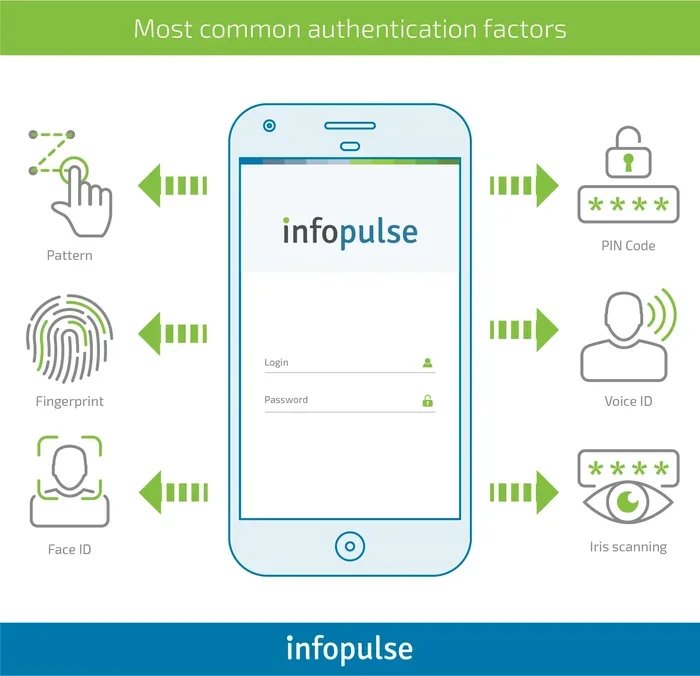
Imagine never needing a password again. That is the goal of passwordless login. Instead of typing a password and an OTP, you simply use your fingerprint, face scan, or a security key. Companies like Apple, Google, and Microsoft are already rolling out passwordless options. OTP will still play a role, but it may become just one piece of the puzzle.
Biometric Authentication
Biometric authentication uses your body as the security key. Fingerprint scanners, facial recognition, and even iris scanning are becoming standard on smartphones. These methods are fast, convenient, and extremely hard to fake. They may eventually replace traditional OTP for many everyday tasks.
Push Based Verification
Push notifications are already replacing manual OTP entry in many apps. Instead of typing a 6 digit code, you simply tap “Yes” on your phone. This is called push notification OTP, and it is faster and more user friendly. It also eliminates the risk of typing errors or phishing for codes.
AI Powered Security
Artificial intelligence is making authentication systems smarter. AI can detect unusual login patterns and trigger OTP verification only when needed. This means less friction for normal users and tighter security when something looks suspicious. The OTP system of the future will be adaptive and intelligent.
While these technologies are exciting, OTP is not going away anytime soon. It remains one of the most reliable and widely used security methods available. Understanding OTP meaning and how to use it properly will serve you well for years to come.
Final Thoughts On OTP Meaning
The OTP meaning is clear and powerful. A one time password is a temporary security code that protects your accounts with a simple but effective second layer of defense. From banking apps to online shopping, social media to work systems, OTP is woven into the fabric of our digital lives.
Using OTP correctly is one of the easiest things you can do to boost your online security. It takes seconds, it is free, and it works across virtually every platform. The small effort of entering a code pays off big time in keeping your personal data, money, and identity safe.
So the next time your phone buzzes with a verification code, do not groan about the extra step. Remember what it represents. That little code is your digital bodyguard, standing between your accounts and the bad actors of the internet. Embrace it. Use it wisely. And enjoy the peace of mind that comes with knowing your digital life is better protected.
Stay safe out there. Your OTP codes are your friend.
Frequently Asked Questions
What does OTP stand for?
OTP stands for One Time Password. It is a temporary security code that is valid for a single login session or transaction. OTP meaning refers to this unique, short lived code that adds an extra layer of login security beyond your regular password.
How is an OTP different from my regular password?
Your regular password stays the same until you change it. An OTP changes every time you use it and expires within seconds or minutes. This makes OTP much harder for hackers to exploit. Together, they form two factor authentication for stronger account protection.
Is SMS OTP safe to use?
SMS OTP is generally safe and widely used. However, it has some vulnerabilities, such as SIM swapping and interception. For the highest level of security, use an authentication app or hardware token instead of SMS. These methods do not rely on your cellular network.
Can someone steal my OTP code?
It is possible but difficult. Hackers sometimes use phishing scams or fake screens to trick you into sharing your OTP. Never share your code with anyone. If you get an OTP you did not request, change your password immediately and contact the service provider.
What happens if I enter the wrong OTP?
Most systems allow a limited number of attempts. If you enter the wrong code too many times, you may be locked out temporarily. Simply request a new OTP and try again. Always enter the code quickly since most temporary passcodes expire within 30 to 60 seconds.
Will OTP become obsolete in the future?
OTP is not going away soon, but authentication methods are evolving. Passwordless login, biometric authentication, and AI powered security are gaining traction. OTP will likely remain one option among many, but its core purpose of providing secure identity verification will continue to matter.



