
The pagan meaning goes far beyond what most people assume. It refers to earth-centered spiritual paths rooted in ancient traditions, nature worship, and polytheistic beliefs. Today, modern paganism includes Wicca, druidism, and many other practices that honor the natural world. Understanding this term helps break stereotypes and reveals a rich history of spiritual connection to the earth.
Have you ever wondered about the pagan meaning and why it sparks so much curiosity? Maybe you saw the word in a book, heard it in a conversation, or stumbled across it online. Either way, you are not alone in wanting to understand what it really means.
The pagan meaning is much richer and more complex than most people realize. It is not just about ancient rituals or strange symbols. It represents a deep connection to nature, a respect for the earth, and a spiritual path that has existed for thousands of years. In this article, we will explore the true pagan meaning, its history, modern practices, and why it matters in today’s world.
Whether you are just curious or seriously considering exploring this path, this guide covers everything you need to know. We will look at the origins of the word, the different types of pagan traditions, common symbols, and the myths that often get in the way of understanding. Let us dive in.
Key Takeaways
- Ancient Roots: The word pagan has deep historical origins tied to rural and pre-Christian spiritual practices.
- Diverse Paths: Modern paganism includes Wicca, druidism, and earth-centered spirituality, each with unique traditions.
- Nature-Centered Beliefs: Pagan practices focus on honoring nature, seasonal cycles, and the elements.
- Common Symbols: Pentagrams, triple moons, and tree motifs carry deep spiritual significance in pagan culture.
- Breaking Stereotypes: Understanding the pagan meaning helps dismantle misconceptions and promotes respect for diverse beliefs.
- Growing Community: Modern paganism is a rapidly growing spiritual movement worldwide.
- Relevance Today: Pagan spirituality offers practical tools for mindfulness, connection to nature, and personal growth.
📑 Table of Contents
- What Does Pagan Actually Mean?
- The History of Paganism
- Modern Paganism and Its Many Paths
- Common Pagan Symbols and Their Meanings
- Why Understanding Pagan Meaning Matters Today
- Common Myths About Paganism
- Practical Tips for Exploring Pagan Spirituality
- The Growing Pagan Community
- Key Takeaways
- Conclusion
What Does Pagan Actually Mean?
The pagan meaning has shifted quite a bit over the centuries. Understanding where the word came from helps us understand what it means today. The term has roots in Latin, and its original use was very different from how we use it now.
The Historical Roots of the Word
The word “pagan” comes from the Latin term paganus, which meant “rural” or “rustic.” In ancient Rome, it was used to describe people who lived in the countryside, far from the cities. Over time, as Christianity spread through the Roman Empire, the word took on a religious meaning. People who practiced old, nature-based religions were labeled as pagans because they did not follow the new Christian faith.
This is a key part of the pagan meaning that many people miss. The label was originally a geographic description, not a spiritual one. It only became a religious term as societies changed and new belief systems took over.
How the Definition Has Evolved
Today, the pagan meaning is much broader and more inclusive. It generally refers to anyone who follows a nature-based or earth-centered spiritual path. This can include belief in multiple gods (polytheism), reverence for the natural world, and practices tied to the cycles of the seasons.
Modern paganism is not a single religion. It is a collection of diverse spiritual paths, each with its own beliefs and practices. Some focus on ancient traditions, while others blend old wisdom with modern ideas. The common thread is a deep respect for nature and a desire to live in harmony with the earth.
The History of Paganism
The pagan meaning cannot be fully understood without looking at its history. Paganism is one of the oldest forms of human spirituality. Long before organized religions, people around the world practiced earth-based beliefs that honored the sun, the moon, the seasons, and the natural world.
Ancient Pagan Traditions
In ancient times, nearly every culture had some form of nature worship. The pagan meaning in these contexts referred to the spiritual practices of ordinary people. These were not elite priests or scholars. They were farmers, hunters, and everyday folks who relied on the land for survival.
Some well-known ancient pagan traditions include:
- Greek and Roman polytheism: Worship of gods like Zeus, Athena, and Jupiter, each tied to natural forces.
- Celtic spirituality: The Druids of ancient Britain and Ireland practiced deep nature-based rituals and held sacred groves as holy places.
- Norse paganism: The Vikings honored gods like Odin and Thor, connecting their worship to the seasons and natural cycles.
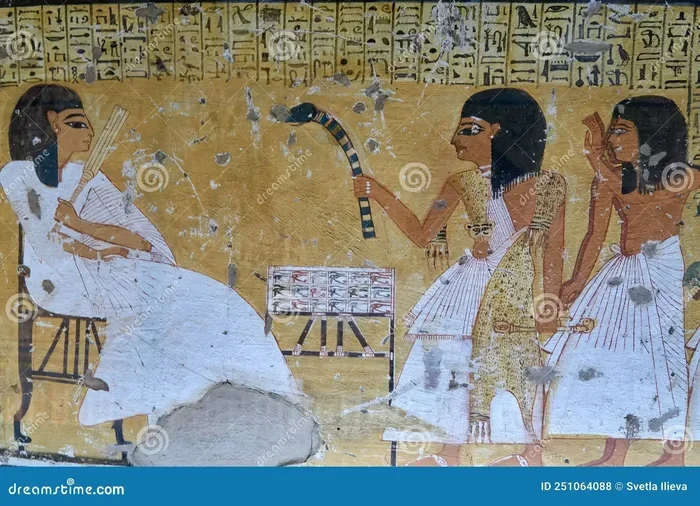
- Egyptian traditions: Ancient Egyptians worshipped gods associated with the Nile, the sun, and the earth.
All of these traditions shared a common thread. They saw the divine in nature. The pagan meaning in ancient times was about recognizing the sacredness of the world around you.
How Christianity Changed the Landscape
As Christianity spread across Europe, many of the old pagan practices were suppressed. The word “pagan” became a negative label. People who continued their earth-based traditions were seen as backward or uneducated. This was a major shift in the pagan meaning from a neutral geographic term to a derogatory one.
However, many pagan practices survived. They went underground, blended with folk traditions, or were absorbed into local customs. Even today, many holiday traditions we celebrate have roots in ancient pagan festivals. For example, the winter solstice celebrations influenced Christmas traditions, and spring equinox rituals inspired Easter customs.
Modern Paganism and Its Many Paths
The pagan meaning today is vibrant and diverse. Modern paganism, sometimes called neopaganism, is a growing spiritual movement. People from all walks of life are drawn to earth-based spirituality for different reasons. Some seek a deeper connection to nature. Others want a more personal and inclusive spiritual experience.
Wicca and Witchcraft
Wicca is probably the most well-known modern pagan path. It was developed in the mid-20th century by Gerald Gardner and draws heavily from older folk magic traditions. Wicca focuses on honoring a Goddess and a God, celebrating the seasons, and practicing magic or witchcraft.
Many people use the pagan meaning and Wicca interchangeably, but they are not the same thing. Wicca is one path within the broader pagan community. Not all pagans are Wiccans, and not all Wiccans follow the exact same practices. The pagan meaning covers a much wider spiritual landscape.
Quick Tips for Understanding Wicca:
- Wicca follows the Wiccan Rede, which says “An it harm none, do what ye will.”
- Most Wiccans celebrate eight seasonal festivals called Sabbats.
- Rituals often involve casting circles, calling the quarters, and working with candles and herbs.
- Wicca is not about dark magic or evil practices. It is a nature-positive spiritual path.
Druidism and Nature Worship
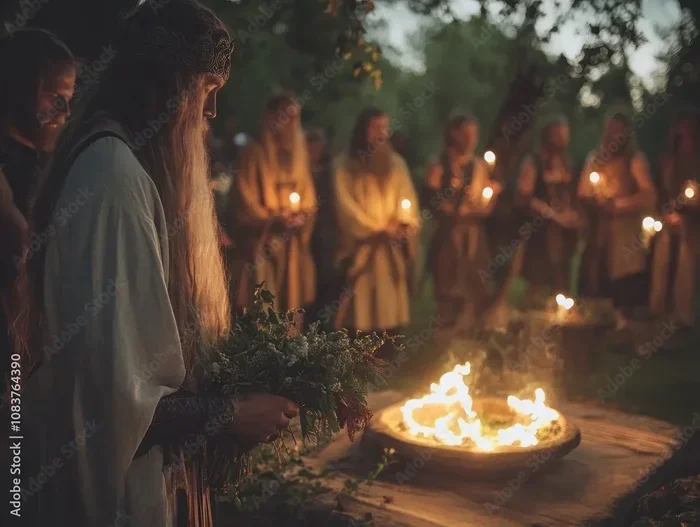
Druidism draws inspiration from the ancient Celtic priests known as Druids. Modern Druidry focuses heavily on nature connection, meditation, and honoring the land. The pagan meaning in Druidism centers on the belief that trees, rivers, mountains, and animals all carry spiritual significance.
Druids often practice outdoors and place great importance on the changing seasons. Many hold ceremonies at solstices and equinoxes to mark the turning of the year. This path is deeply rooted in reverence for the natural world.
Other Pagan Paths
The pagan meaning extends well beyond Wicca and Druidism. Here are some other paths that fall under the pagan umbrella:
- Asatru/Heathenry: A modern revival of Norse and Germanic pagan traditions.
- Hellenism: The reconstruction of ancient Greek religious practices.
- Kemetism: The revival of ancient Egyptian spirituality.
- Shamanism: Practices focused on spirit journeying and healing, found in many indigenous cultures.
- Eclectic Paganism: A personalized approach that blends elements from multiple traditions.
Each of these paths carries its own interpretation of the pagan meaning, but they all share a love for nature and a respect for the earth.
Common Pagan Symbols and Their Meanings
Symbols play a big role in the pagan meaning. They are used in rituals, jewelry, art, and daily spiritual practice. Understanding these symbols helps you understand what paganism is really about.
Here are some of the most common pagan symbols and what they represent:
- The Pentagram: A five-pointed star often surrounded by a circle. It represents the elements of earth, air, fire, water, and spirit. Despite its association with witchcraft in popular culture, it is a symbol of protection and balance.
- The Triple Moon: This symbol features three moons representing the maiden, the mother, and the crone. It honors the feminine divine and the cycles of life.
- The Ankh: An ancient Egyptian symbol of eternal life and spiritual wisdom.
- The Tree of Life: A powerful symbol in many pagan traditions, representing connection between the earth and the heavens.
- The Spiral: A symbol of growth, evolution, and the never-ending cycle of life and death.
Each of these symbols carries layers of meaning within the pagan meaning. They are not just decorative. They are tools for meditation, ritual, and spiritual connection.
Why Understanding Pagan Meaning Matters Today
The pagan meaning matters more now than ever before. In a world facing environmental challenges, many people are turning back to nature for answers. Earth-based spirituality offers a framework for living more sustainably and mindfully.
Understanding paganism also helps combat stereotypes. When people learn what the pagan meaning truly represents, they see that it is not about darkness or evil. It is about honoring the earth, respecting all living things, and finding spiritual meaning in the natural world.
Here are some reasons why understanding the pagan meaning is important:
- Environmental awareness: Paganism teaches respect for the planet and all its ecosystems.
- Spiritual diversity: Learning about paganism expands your understanding of the many ways people find meaning.
- Historical knowledge: Understanding pagan traditions helps us appreciate human history and cultural development.
- Personal growth: Many people find that earth-based spirituality helps them feel more grounded and connected.
- Breaking prejudice: Education is the best tool for dismantling harmful stereotypes about pagan communities.
The pagan meaning is ultimately about connection. Connection to the earth, to the seasons, to the community, and to something greater than ourselves.
Common Myths About Paganism
There are many misconceptions about the pagan meaning. These myths can create unnecessary fear or misunderstanding. Let us clear up some of the most common ones.
Myth: All Pagans Worship Satan
This is probably the biggest myth about the pagan meaning. The truth is that most pagan traditions do not believe in Satan. Satan is a figure from Christianity and Islam. Most pagans are polytheistic or animistic and do not recognize the concept of a singular evil figure at all.
Myth: Paganism Is Just Witchcraft
While some pagans practice witchcraft, it is not the whole picture. The pagan meaning encompasses a wide range of spiritual paths. Many pagans focus on meditation, nature observation, poetry, or community service. Witchcraft is just one aspect of a much broader spiritual landscape.
Myth: Paganism Is a New Religion
Modern paganism has roots that go back thousands of years. The pagan meaning is tied to some of the oldest spiritual practices in human history. What is “new” is the organized revival of these paths in the modern era. The core beliefs and practices are ancient.
Myth: Pagans Are Anti-Religion
Many pagans respect all spiritual paths. The pagan meaning is not about rejecting other religions. It is about finding a personal connection to the earth and the divine in nature. Most pagans simply want the freedom to practice their own spirituality without judgment.
Practical Tips for Exploring Pagan Spirituality
If you feel drawn to the pagan meaning and want to explore it further, here are some practical tips to get started.
- Start with nature. Spend time outdoors. Observe the seasons, the moon phases, and the plants around you. Nature is the foundation of all pagan paths.
- Read widely. Explore books and resources on different pagan traditions. Understanding the pagan meaning across cultures will help you find what resonates with you.
- Join a community. Look for local pagan groups, online forums, or social media communities. Connecting with others can deepen your practice and provide support.
- Keep a journal. Record your thoughts, dreams, and spiritual experiences. This helps you track your growth and understand your own path.
- Be patient. Spiritual growth takes time. Do not rush into any one tradition. Let your practice develop naturally.
The journey into the pagan meaning is personal and unique for everyone. There is no single right way. What matters most is finding a path that feels authentic and meaningful to you.
The Growing Pagan Community
The pagan community is growing rapidly around the world. More people are drawn to the pagan meaning every year. This growth reflects a broader cultural shift toward valuing nature, mindfulness, and spiritual diversity.
Studies have shown that paganism is one of the fastest-growing spiritual movements in the Western world. Many people who identify as pagan describe feeling a deep sense of belonging and purpose that they did not find in mainstream religions. The pagan meaning offers a spiritual framework that is inclusive, nature-focused, and deeply personal.
Online communities, local covens, and pagan festivals all contribute to a strong sense of connection. Events like Pagan Pride Day and various solstice gatherings bring people together to celebrate their shared values of earth stewardship and spiritual freedom.
Key Takeaways
- Ancient Roots: The word pagan has deep historical origins tied to rural and pre-Christian spiritual practices.
- Diverse Paths: Modern paganism includes Wicca, druidism, and earth-centered spirituality, each with unique traditions.
- Nature-Centered Beliefs: Pagan practices focus on honoring nature, seasonal cycles, and the elements.
- Common Symbols: Pentagrams, triple moons, and tree motifs carry deep spiritual significance in pagan culture.
- Breaking Stereotypes: Understanding the pagan meaning helps dismantle misconceptions and promotes respect for diverse beliefs.
- Growing Community: Modern paganism is a rapidly growing spiritual movement worldwide.
- Relevance Today: Pagan spirituality offers practical tools for mindfulness, connection to nature, and personal growth.
Conclusion
The pagan meaning is far more than a simple label. It represents thousands of years of human spiritual connection to the earth, the seasons, and the natural world. From ancient rural communities to modern neopagan paths, the core of paganism has always been about honoring life in all its forms.
Whether you are drawn to Wicca, Druidry, or simply want to live a more nature-centered life, understanding the pagan meaning opens a door to a rich and rewarding spiritual journey. The pagan meaning teaches us to slow down, observe the world around us, and find the sacred in everyday life.
In a time when many people feel disconnected from nature and each other, the pagan meaning offers a path back to what matters most. It reminds us that we are part of something larger. The earth is sacred, the seasons are holy, and every living thing has a place in the grand tapestry of life.
Take what resonates from this guide and leave the rest. The beauty of the pagan meaning is that it belongs to everyone who seeks a deeper connection with the world around them.
Frequently Asked Questions
What is the basic pagan meaning?
The pagan meaning refers to a spiritual path that is nature-based, earth-centered, and often rooted in pre-Christian traditions. It generally involves reverence for the natural world, seasonal cycles, and sometimes multiple deities. Today, it covers a wide range of spiritual practices focused on connecting with nature.
Is paganism the same as witchcraft?
No, the pagan meaning is broader than witchcraft. While some pagans practice witchcraft, many do not. Paganism is an umbrella term that includes many different paths like Wicca, Druidry, and Asatru. Witchcraft is just one tool or practice within that larger spiritual landscape.
Do pagans believe in God?
Many pagans believe in multiple gods or a divine presence in nature. The pagan meaning often includes polytheism (belief in many gods) or animism (the belief that all things have a spirit). Some pagans also see the divine as genderless or as both male and female energies represented by a Goddess and a God.
Is paganism dangerous or evil?
No, the pagan meaning has nothing to do with evil or danger. This is one of the biggest myths about paganism. Most pagan traditions follow a strong ethical code, like the Wiccan Rede, which encourages doing no harm. Paganism is about living in harmony with nature and respecting all living things.
How do I learn more about the pagan meaning?
Start by reading books from reputable pagan authors, joining online communities, or attending local pagan events. Spending time in nature is also one of the best ways to understand the pagan meaning firsthand. There are many free resources available online and in libraries to help you explore this spiritual path.
Can anyone practice paganism?
Yes, the pagan meaning is open to anyone who feels drawn to earth-based spirituality. There are no strict rules or requirements. People from all backgrounds, cultures, and beliefs can explore pagan paths. The most important thing is finding what feels authentic and meaningful to you personally.