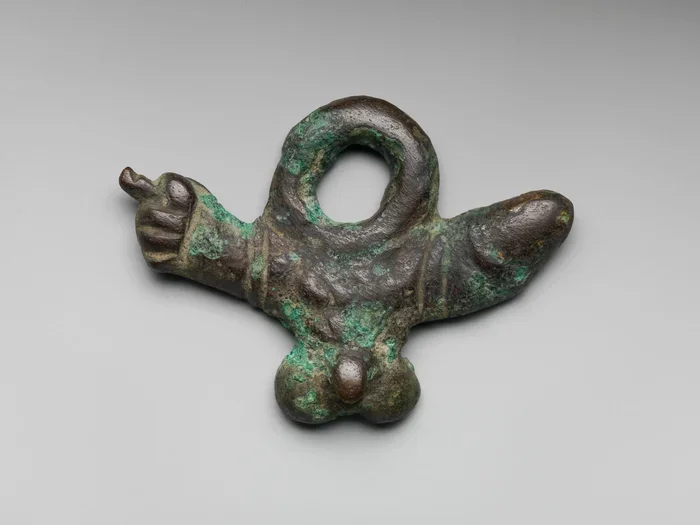

The phallic meaning goes far beyond what most people assume. It represents fertility, power, and spiritual growth across cultures and history. From ancient statues to modern dream symbols, the phallic symbol carries deep significance in art, psychology, and mythology. Understanding this symbolism can unlock new insights into human behavior, creativity, and subconscious thoughts. This guide breaks down everything you need to know about the phallic meaning in a simple, clear way.
Have you ever looked at a statue, a piece of art, or even a dream image and wondered what it really meant? The phallic meaning is one of the most fascinating and misunderstood topics in symbolism, psychology, and cultural history. People often think it only has one simple interpretation, but the truth is far richer and more layered than most expect.
The phallic symbol has appeared in human civilization for thousands of years. It shows up in ancient temples, Renaissance paintings, folk traditions, and even the logos and designs we see every day. Whether you are studying art history, exploring your dreams, or just curious about symbolism, understanding the phallic meaning opens a whole new world of insight.
In this article, we will break down the phallic meaning in plain language. We will explore its roots in ancient cultures, its role in psychology, its place in dreams, and its modern-day relevance. By the end, you will see this powerful symbol in a completely new light.
Key Takeaways
- Phallic meaning is rooted in fertility, creation, and masculine energy across cultures.
- The phallic symbol appears in ancient art, religion, mythology, and modern psychology.
- Sigmund Freud and Carl Jung offered major psychological interpretations of phallic imagery.
- Many cultures worldwide use phallic imagery for protection, prosperity, and good luck.
- Dreams featuring phallic symbols often relate to confidence, creativity, or personal growth.
- Modern art and design still use phallic meaning as a powerful form of expression.
- Understanding sexual symbolism helps you read art, literature, and even your own subconscious.
📑 Table of Contents
- What Is the Phallic Meaning?
- The History of Phallic Symbols Across Cultures
- The Psychological Meaning of Phallic Symbols
- Phallic Symbols in Dreams and Subconscious Thoughts
- Phallic Imagery in Art and Popular Culture
- Phallic Meaning in Spirituality and Religion
- Common Misconceptions About Phallic Symbolism
- Quick Tips for Recognizing Phallic Meaning in Daily Life
- Key Takeaways
- Conclusion
What Is the Phallic Meaning?
The phallic meaning refers to the symbolic representation of the male reproductive organ. But it is so much more than just a body part. In symbolism, the phallic symbol stands for creation, growth, energy, and renewal. It represents the life-giving force that drives both physical and spiritual development.
When we talk about sexual symbolism, the phallus is one of the oldest and most universal images in human history. It appears in almost every culture, from ancient Egypt to modern Western art. The phallic imagery carries different meanings depending on the context, but the core ideas remain surprisingly consistent across time and geography.
Here are the most common themes tied to the phallic meaning:
- Fertility and creation: The phallus represents the power to create new life. It is a symbol of abundance and growth.
- Masculine energy: It embodies traits like strength, assertiveness, and action.
- Spiritual power: Many traditions view the phallus as a sacred object connected to divine energy.
- Protection: In some cultures, phallic symbols ward off evil and bring good fortune.
- Renewal and regeneration: The phallus symbolizes the cycle of death and rebirth.
Why Does Phallic Symbolism Matter?
Understanding phallic symbolism helps you read the world around you with deeper awareness. When you see a tower, a pillar, or even a carrot-shaped vegetable in art, you might be looking at a phallic image. Recognizing these symbols enriches your experience of art, literature, film, and even everyday objects. It also helps you understand yourself better, especially when these symbols show up in your dreams or subconscious thoughts.
The History of Phallic Symbols Across Cultures
The phallic meaning is not a modern invention. People have used phallic symbols for tens of thousands of years. From cave paintings to grand monuments, the male form has always held a special place in human expression.
Ancient Egypt and the Phallus
In ancient Egypt, the phallic symbol was closely tied to the god Osiris and the dwarf god Bes. Osiris represented resurrection and eternal life, and his phallic imagery symbolized the continuation of life after death. The Egyptians believed that the phallus held the power to regenerate and renew. Small amulets shaped like the male organ were worn as protective charms and fertility talismans.
Greek and Roman Traditions
Ancient Greece and Rome celebrated the phallic meaning openly. The god Priapus was the patron of fertility and gardens, and he was always depicted with an oversized phallus. Romans hung phallic charms called fascinum at doorways to protect homes from evil spirits. These objects were everywhere in daily life, and nobody considered them shameful or taboo.
Eastern Philosophies and Sacred Symbols
In Hinduism and Buddhism, the phallic symbol takes on a spiritual dimension. The Hindu lingam represents Lord Shiva and the creative force of the universe. It is not just a sexual symbol but a representation of the divine origin of all life. In Buddhist traditions, certain phallic carvings serve as reminders of impermanence and the nature of desire.
Fertility Rituals and Folk Traditions
Many folk traditions around the world incorporate phallic imagery in rituals meant to ensure good harvests, healthy livestock, and strong families. In parts of Europe, Maypole dances and phallic processions were common springtime celebrations. These traditions honored the male energy that brings growth and abundance to the land.
The Psychological Meaning of Phallic Symbols
The phallic meaning has deep roots in psychology, especially in the work of two giants: Sigmund Freud and Carl Jung. Their theories shaped how we understand the subconscious mind and the role of symbols in our inner lives.
Freud and the Phallic Stage
Sigmund Freud believed that the phallic symbol played a central role in child development. He described a stage called the “phallic stage,” where children become aware of their bodies and the differences between male and female. Freud saw the phallic meaning as connected to desire, power, and identity formation. He argued that unresolved feelings during this stage could influence adult behavior and personality.
Freud’s ideas were controversial, but they opened the door to understanding how sexual symbolism shapes our deepest thoughts. Even if you do not agree with every detail of his theory, his work highlights how powerful and important the phallic symbol is in the human psyche.
Jung and the Anima/Animus
Carl Jung took a different approach. He viewed the phallic meaning as part of the universal collective unconscious. Jung believed that every person has both masculine and feminine inner qualities, which he called the animus and anima. The phallic symbol represented the animus, or the active, assertive, creative force within the mind.
Jung’s interpretation was more positive and balanced than Freud’s. He saw phallic imagery not as something to fear or suppress but as a vital part of psychological wholeness. According to Jung, embracing the masculine energy within helps us become more complete and integrated individuals.
Modern Psychological Perspectives
Today, psychologists and therapists still use phallic symbolism in dream analysis and art therapy. When a client dreams about tall towers, swords, or elongated objects, a therapist might explore the phallic meaning as a clue to the client’s inner state. These symbols often point to confidence, creative energy, or unresolved emotional matters.
Phallic Symbols in Dreams and Subconscious Thoughts
Dreams are one of the most common places where the phallic meaning appears. If you have ever dreamed of a tall object, a spear, a tree, or a tower, you may have encountered a phallic image in your subconscious mind. Dreams use symbols to communicate messages that our waking mind might not be ready to process directly.
Common Phallic Dream Symbols
Here are some dream symbols that often carry phallic meaning:
- Towers and pillars: These represent strength, stability, and rising energy.
- Swords and spears: These point to action, courage, and decisive power.
- Tall trees: Trees symbolize growth, connection, and life force.
- Rockets and arrows: These suggest forward momentum and directed energy.
- Snakes: In many traditions, snakes carry fertility symbolism and renewal.
What Do These Dreams Mean?
When you see phallic symbols in dreams, the meaning depends on the context. A tall, strong tower might reflect confidence and personal power. A broken or falling pillar could signal insecurity or a loss of direction. A rising rocket might represent ambition and creative energy pushing upward.
The key is to pay attention to how you felt during the dream. Were you excited, afraid, or calm? Your emotions in the dream give you the best clues about the phallic meaning in your specific situation. Dreams are personal, and the same symbol can mean different things to different people.
Phallic Imagery in Art and Popular Culture
The phallic meaning has influenced art and popular culture for centuries. Artists use phallic imagery to express ideas about power, desire, creation, and rebellion. You do not need to be an art expert to spot these symbols once you know what to look for.
Famous Works of Art
Many famous paintings and sculptures contain hidden phallic symbols. Michelangelo included subtle phallic forms in his frescoes on the Sistine Chapel ceiling. The towers and obelisks in surrealist paintings by Salvador Dali often carry sexual symbolism and phallic meaning. Even modern street art and graffiti use phallic images to make bold statements about power and identity.
Logos and Branding
Some of the world’s most recognizable logos use phallic imagery without being obvious about it. Towers, pillars, and vertical lines in corporate logos often carry the phallic meaning of strength, stability, and upward growth. Brands in industries like construction, automotive, and technology frequently use these shapes to project power and reliability.
Film and Media
Movies and television shows use phallic symbols all the time. Tall buildings, skyscrapers, and towering structures often represent masculine power and dominance. Swords, lances, and staffs are common props that carry phallic meaning in fantasy and action genres. Even everyday objects like umbrellas and candles can take on sexual symbolism when placed in the right context on screen.
Phallic Meaning in Spirituality and Religion
Spirituality and religion have long embraced the phallic meaning as a sacred concept. Many belief systems view the phallus as a symbol of the divine creative force. It represents the spark of life that connects the physical and spiritual worlds.
Sacred Geometry and the Phallus
In sacred geometry, certain shapes and forms carry phallic meaning as part of a larger system of divine harmony. The obelisk, a tall narrow four-sided monument, is one of the most recognizable phallic symbols in architecture. Obelisks were originally erected in ancient Egypt as monuments to the sun god Ra and the power of creation.
Modern Spiritual Practices
Today, many people incorporate phallic symbols into their spiritual practices. Crystal towers, pointed obelisks, and cone-shaped objects are used in meditation and energy work. These items are believed to channel masculine energy and focus intention. The phallic meaning in these practices is not about sexuality but about creative power and spiritual growth.
Tantra and Sacred Sexuality
In Tantra and other traditions of sacred sexuality, the phallic symbol is honored as a vessel of divine life force. The practice of honoring the male organ as a sacred object connects physical intimacy with spiritual awareness. The phallic meaning in Tantra is about union, balance, and the flow of creative energy between partners.
Common Misconceptions About Phallic Symbolism
There are many myths and misunderstandings about the phallic meaning. Let us clear up some of the most common ones.
Myth 1: It Is Only About Sex
The biggest misconception is that the phallic symbol only has a sexual meaning. While it is connected to sexuality, its symbolism goes far beyond that. The phallic meaning encompasses creativity, power, protection, and spiritual growth. Reducing it to just sex ignores thousands of years of rich cultural and symbolic history.
Myth 2: It Is Always Obvious
Many people assume that phallic imagery is always easy to recognize. In reality, artists and cultures have used subtle and abstract forms of the phallus for centuries. A simple tower shape, a vertical line, or a pointed object can all carry phallic meaning without being immediately obvious.
Myth 3: It Is Only for Men
The phallic symbol is not limited to male energy or male experience. In Jungian psychology, the phallic meaning represents the active, creative principle that exists within everyone. Both men and women carry this energy, and understanding it helps build a more balanced and whole sense of self.
Quick Tips for Recognizing Phallic Meaning in Daily Life
Now that you understand the phallic meaning more deeply, here are some practical tips to help you spot these symbols in everyday life:
- Look for tall, vertical shapes. Towers, poles, pillars, and pointed objects often carry phallic imagery.
- Pay attention to your dreams. Note any recurring tall or pointed objects and reflect on what they might mean for you.
- Observe art with fresh eyes. When you visit a museum or look at a painting, ask yourself if any shapes remind you of the phallic symbol.
- Consider the context. The phallic meaning changes depending on the setting, culture, and emotion involved.
- Stay open-minded. Symbols are personal, and your interpretation matters just as much as any historical or psychological definition.
Key Takeaways
- Phallic meaning is rooted in fertility, creation, and masculine energy across cultures.
- The phallic symbol appears in ancient art, religion, mythology, and modern psychology.
- Sigmund Freud and Carl Jung offered major psychological interpretations of phallic imagery.
- Many cultures worldwide use phallic imagery for protection, prosperity, and good luck.
- Dreams featuring phallic symbols often relate to confidence, creativity, or personal growth.
- Modern art and design still use phallic meaning as a powerful form of expression.
- Understanding sexual symbolism helps you read art, literature, and even your own subconscious.
Conclusion
The phallic meaning is one of the most powerful and enduring symbols in human history. It represents far more than what most people assume at first glance. From ancient temples and folk rituals to modern dreams and contemporary art, the phallic symbol carries messages of creation, strength, protection, and spiritual growth.
Understanding the phallic meaning gives you a deeper lens through which to view the world. You start to notice phallic imagery everywhere, and each instance tells a unique story about the culture, the artist, or the dreamer behind it. Whether you are exploring art history, studying psychology, or simply trying to make sense of your own dreams, the phallic symbol offers valuable insights.
The next time you see a tall tower, a pointed shape, or a dream image that feels powerful and upright, remember the rich phallic meaning behind it. You might be surprised by how much deeper your understanding becomes. Symbols are the language of the subconscious, and the phallic symbol is one of the most eloquent speakers in that language. Embrace it, explore it, and let it enrich your perspective on life and creativity.
Frequently Asked Questions
What does the phallic symbol represent in ancient cultures?
In ancient cultures, the phallic symbol represented fertility, creation, and the life-giving force. It was used in rituals to ensure good harvests, healthy families, and spiritual protection. Many ancient societies viewed the phallus as a sacred object connected to divine power and regeneration.
Is the phallic meaning only sexual in nature?
No, the phallic meaning goes far beyond sexuality. While it is connected to male sexuality, it also represents creativity, strength, protection, and spiritual growth. In many traditions, the phallus is a symbol of divine energy and the creative force of the universe.
How does psychology interpret the phallic symbol?
Psychologists like Sigmund Freud and Carl Jung offered important interpretations of the phallic symbol. Freud linked it to child development and unconscious desires, while Jung saw it as a representation of the active, creative masculine energy within the psyche. Both views highlight the deep psychological significance of phallic imagery.
What do phallic symbols in dreams usually mean?
Phallic symbols in dreams often relate to confidence, creative energy, or personal power. They can also point to unresolved feelings or desires. The specific meaning depends on the dream context, the emotions you felt, and your personal associations with the symbol.
Can women connect with the phallic meaning?
Absolutely. In Jungian psychology, the phallic meaning represents the animus, or the active creative principle, which exists in everyone regardless of gender. Women can connect with phallic symbolism as a source of inner strength, assertiveness, and creative power.
Where can I see phallic symbols in everyday life?
You can spot phallic imagery in architecture (towers, pillars, obelisks), art (paintings, sculptures), logos (corporate brands using vertical shapes), and even in nature (tall trees, pointed rocks). Once you start looking for the phallic meaning, you will notice it appearing in many unexpected places.



