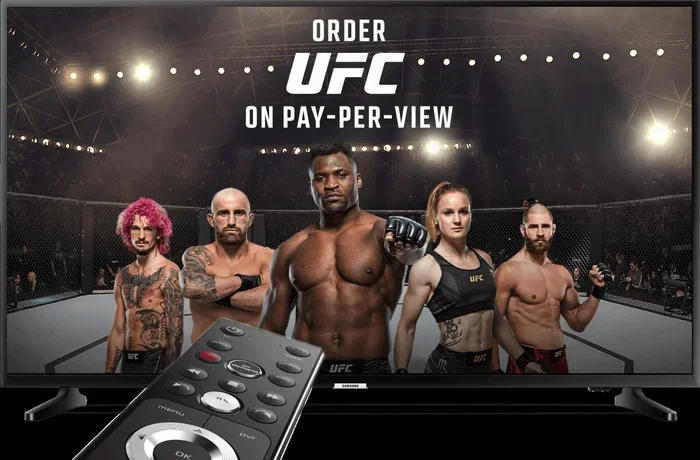

PPV meaning stands for Pay-Per-View, a content delivery model where viewers pay a one-time fee to access specific events or programming. This system has transformed how millions watch boxing, wrestling, and live concerts from home. Understanding PPV helps fans make smarter choices about what they watch and how they spend their money.
Have you ever heard someone say, “I bought the PPV last night,” and wondered what that actually means? You are not alone. The term PPV meaning confuses a lot of people, especially those newer to watching live sports or special events at home.
PPV stands for Pay-Per-View. It is a simple but powerful way to watch events that you cannot see for free on regular TV. You pay a specific fee, and in return, you get access to watch that one event. That is it. No monthly bill. No subscription. Just a single payment for a single event.
In this article, we will break down the PPV meaning in plain English. We will explain how it works, where you see it most often, and why it still plays a big role in the entertainment world today. Whether you are a boxing fan, a wrestling lover, or just curious about how content gets delivered, this guide has you covered.
Key Takeaways
- PPV stands for Pay-Per-View: It is a system where you pay for each event or program you want to watch individually.
- PPV is huge in sports: Boxing, wrestling, and MMA events rely heavily on PPV revenue to fund major fights and matches.
- PPV costs vary widely: Prices can range from $20 to over $100 depending on the event and its popularity.
- PPV differs from subscriptions: You do not pay monthly; you pay only for the specific event you want to see.
- Streaming changed PPV: Digital platforms now offer PPV events online, making them more accessible than ever.
- PPV still matters for businesses: It remains a profitable revenue model despite the rise of streaming services.
- Knowing PPV meaning helps you save money: Understanding the model lets you decide which events are worth buying.
📑 Table of Contents
What Does PPV Meaning Stand For?
The letters PPV stand for Pay-Per-View. It is a content distribution model where the viewer pays a fee to watch a specific piece of content. Think of it like buying a ticket, but instead of going to a stadium, you watch from your living room.
The PPV model has been around for decades. It started with cable television in the 1970s and 1980s. Back then, you would get a special code from your TV provider, punch it into your set-top box, and unlock the event. It felt like a little secret only a few people knew about.
Today, PPV meaning has expanded far beyond cable TV. Streaming platforms now offer PPV options too. You can buy an event directly through an app or website. The core idea stays the same though. You pay for what you watch, and nothing else.
Why Is It Called Pay-Per-View?
The name tells you exactly how it works. You pay a price. You get to view the content. That is the deal. There is no catch, no hidden fee (usually), and no recurring charge. You own access to that event for a set period, often 48 hours or a few days.
This is different from a subscription model. With a subscription, you pay every month to access a library of content. With PPV, you pay once for one thing. It is more like going to the movies. You buy one ticket for one show.
How Does PPV Work in Practice?
Understanding PPV meaning gets easier when you see how it works step by step. Here is the basic process:
- An event is announced: A major fight, concert, or special broadcast is scheduled.
- A price is set: The organizer or network decides how much the event will cost to watch.
- You purchase access: You buy the event through your TV provider, a streaming app, or a website.
- You receive a code or link: This unlocks the event on your device at the scheduled time.
- You watch the event: You enjoy the content, usually within a set time window.
That is the full cycle. Simple, right? The PPV purchase process has become even easier over the years. Most people can now buy an event right from their phone or smart TV.
Where Can You Buy PPV Events?
There are several ways to access PPV events today:
- Cable TV providers: Companies like Comcast, Dish, and DirecTV still offer PPV through your regular TV package.
- Streaming platforms: Services like FITE TV, DAZN, and UFC Fight Pass let you buy individual events online.
- Event websites: Some promoters sell PPV access directly through their own websites.
- Smart TV apps: Many smart TVs have apps where you can purchase and watch PPV content directly.
The options have grown a lot. A few years ago, you were limited to your cable box. Now you can watch PPV fights on your tablet while sitting on your couch or even at a coffee shop.
PPV in Sports and Entertainment
PPV meaning is most closely tied to sports. If you have ever heard of a big boxing match or a WWE wrestling event, there is a very good chance it was a PPV event. Let us look at why sports and PPV go hand in hand.
Boxing and PPV
Boxing was one of the first sports to embrace the PPV model. Big fights between heavyweight champions have drawn millions of pay-per-view buys for decades. Names like Muhammad Ali, Mike Tyson, and Floyd Mayweather Jr. turned PPV boxing into a billion-dollar industry.
When two top boxers face off, the PPV cost can be steep. Prices have gone up over the years. What used to cost $30 or $40 can now run $70 to $100 or more for a marquee fight. But fans still buy them because the stakes are so high.
Here are some reasons boxing relies so heavily on PPV revenue:
- Massive global audiences: Boxing fans span every continent, creating huge demand.
- High production value: Big fights cost millions to promote and produce.
- Limited availability: These fights are not shown on regular TV. You must buy the PPV.
- Star power: Famous fighters draw casual fans who want to see the event once.
Wrestling and PPV
WWE has built its brand around PPV events. The company used to call its special events “Pay-Per-Views.” Fans would tune in every month for big matches and storylines. WWE PPV events like WrestleMania became cultural events in their own right.
Today, WWE has shifted toward a subscription model with WWE Network. But the PPV meaning is still clear in how they package their biggest events. WrestleMania and SummerSlam still carry that special pay-to-watch status.
MMA and UFC PPV
The Ultimate Fighting Championship, or UFC, has been one of the biggest PPV sports platforms. UFC events regularly sell millions of pay-per-view buys. Fighters like Conor McGregor, Jon Jones, and Anderson Silva helped drive huge PPV numbers.
However, the UFC has also started moving some events to ESPN+ and other streaming services. This shows how the PPV model is evolving. Some events stay pay-per-view, while others shift to subscription-based access.
Other PPV Entertainment
Sports is not the only place you will find PPV meaning in action. Other forms of entertainment use the model too:
- Concerts and music events: Some live concerts are offered as PPV events, especially during the pandemic when live venues closed.
- Comedy specials: Certain stand-up specials have been released as PPV content.
- Boxing and MMA undercards: Smaller fights on the same card sometimes have their own PPV price.
- Special broadcasts: Award shows, political debates, and exclusive interviews have used PPV at times.
PPV vs Other Viewing Models
To truly understand PPV meaning, it helps to compare it with other ways people watch content today. The entertainment landscape has changed a lot, and several models now compete for our attention and money.
PPV vs Subscription Services
Subscription services like Netflix, Hulu, and Disney+ let you watch a wide range of content for a monthly fee. You get access to thousands of shows and movies. PPV is different because you pay for one thing at a time.
Here is a quick look at how they compare:
| Feature | PPV | Subscription |
|---|---|---|
| Cost Structure | One-time fee per event | Monthly or annual fee |
| Content Access | Single event only | Library of content |
| Commitment | No long-term commitment | Monthly recurring charge |
| Best For | One-time big events | Regular viewing habits |
| Price Range | $20 to $100+ per event | $5 to $20 per month |
Neither model is better than the other. They serve different needs. If you only want to watch one boxing match, PPV makes sense. If you watch several shows a week, a subscription is likely a better deal.
PPV vs Free Streaming
Free streaming platforms like YouTube, Tubi, and Pluto TV offer content at no cost. They make money through ads. PPV events cost money upfront but usually have no ads during the event.
Free platforms are great for casual viewing. But when it comes to live PPV events, the paid model offers better quality, reliability, and exclusive access. You are paying for the production value and the guarantee that the stream will work when the event starts.
PPV vs Paywall Content
Some news websites and digital publications use paywalls. You pay a subscription to read their articles. This is similar to a subscription model, not PPV. With a paywall, you get access to everything behind the wall for one price. With PPV, you pay for each individual piece of content.
Why PPV Really Matters for Businesses
The PPV meaning goes beyond just watching events. It is a business model that has shaped entire industries. Understanding why PPV matters helps explain why it has survived for so long.
Revenue Generation
PPV revenue is a major income source for event organizers, promoters, and networks. When millions of fans buy a PPV event, the revenue can be enormous. A single big boxing match can generate over $100 million in PPV revenue.
This money goes toward paying the athletes, funding production costs, marketing, and profit. Without the PPV model, many of these events simply would not be possible. The high production values of major fights and wrestling events depend on the income PPV brings in.
Exclusivity Drives Value
One reason PPV events feel special is their exclusivity. When an event is pay-per-view, it creates a sense of occasion. People gather to watch together. They talk about it the next day at work or school.
This exclusivity also drives up the perceived value of the event. When something is not freely available, people are willing to pay more for it. The PPV model taps into this psychology perfectly.
Direct-to-Consumer Connection
PPV allows organizers to connect directly with fans. They do not need a middleman or a traditional TV network to distribute the event. This direct connection gives organizers more control over pricing, timing, and the fan experience.
In the digital age, this direct model has become even more powerful. A promoter can sell a PPV event to fans worldwide through a single website or app. The reach is global, and the margins can be very healthy.
Building Hype and Anticipation
PPV events build anticipation in a way that free broadcasts do not. When fans must pay to watch something, they expect it to be worth it. This creates a feedback loop. Promoters hype the event, fans buy in, and the event delivers on the promise.
This hype cycle is a key part of why PPV meaning matters in sports marketing. The paywall itself becomes part of the story. It signals that what is behind it is something special.
The Future of PPV
The PPV model is not standing still. It is evolving with technology and changing viewer habits. Here is what the future might look like for PPV events.
Digital PPV Growth
More and more PPV events are moving to digital platforms. Fans no longer need a cable TV subscription to buy a PPV event. They can use their phone, tablet, computer, or smart TV. This shift has expanded the audience for PPV content dramatically.
Platforms like FITE TV and UFC Fight Pass have made it easier than ever to buy and watch PPV fights. The barrier to entry is lower, which means more fans can participate.
Hybrid Models Emerging
We are seeing a mix of PPV and subscription models. Some events are available only through PPV. Others are included in a subscription package. And some platforms offer both options. This hybrid approach gives fans more flexibility.
The PPV meaning is slowly shifting too. It is no longer just about cable TV and expensive boxing matches. It now includes digital purchases, streaming rentals, and exclusive online events.
Competition from Free Models
Free streaming and ad-supported models are growing fast. Platforms like YouTube and Twitch offer live events for free. This creates competition for the PPV model. To stay relevant, PPV events must offer something truly special.
Major PPV events will likely continue to thrive because they feature content that cannot be found anywhere else. A big boxing match or a championship wrestling event is a unique experience. That uniqueness justifies the cost.
Personalization and Pricing
In the future, we may see more personalized PPV pricing. Fans might be able to choose different tiers of access. A basic stream might cost less, while a premium experience with multiple camera angles and behind-the-scenes content could cost more.
This kind of flexibility would make the PPV model even more appealing. Fans could choose what they want to pay based on how much they value the event.
Common Mistakes Fans Make with PPV
Even if you understand PPV meaning, there are some common mistakes fans make. Avoiding these can save you money and frustration.
- Buying too early: Sometimes PPV events are announced months in advance. Wait for confirmation that the event is happening as planned before buying.
- Not checking your device compatibility: Make sure your TV, phone, or tablet supports the PPV platform before purchasing.
- Forgetting the time zone: PPV events often air at specific times. Check the start time in your local time zone so you do not miss it.
- Sharing purchase details carelessly: Your PPV code or link is usually tied to one account or device. Sharing it can lead to access issues.
- Assuming all events are PPV: Not every fight or event is pay-per-view. Some are included with a subscription or shown on regular TV.
Taking a few minutes to check these details before buying can make your PPV viewing experience much smoother.
Quick Tips for Getting the Most Out of PPV Events
Here are some practical tips to help you enjoy PPV events to the fullest:
- Check for promos: Some providers offer discounts on PPV events. Look for deals before you buy.
- Test your setup early: Make sure your internet connection and device are ready before the event starts.
- Watch with friends: Splitting the cost of a PPV event with friends makes it more affordable.
- Read reviews first: Check if the event is worth the price. Some PPV events are better than others.
- Set a reminder: Put the event start time in your calendar so you do not forget.
Conclusion
The PPV meaning is straightforward but powerful. Pay-Per-View gives fans a way to watch special events they care about without committing to a monthly subscription. It has been a backbone of the sports and entertainment industry for decades, and it continues to evolve with new technology.
Whether you are buying a boxing match, a wrestling event, or a live concert, understanding PPV helps you make informed decisions. You know what you are paying for, what you are getting, and how the model works behind the scenes.
The PPV model is not going away anytime soon. It has adapted to digital platforms, expanded its reach, and found new ways to connect fans with the content they love. So the next time someone mentions a PPV event, you will know exactly what they mean. And you can decide for yourself if it is worth the price.
Now that you know the PPV meaning and how it works, you are better equipped to navigate the world of pay-per-view content. Keep these insights in mind, make smart choices, and enjoy the events that matter most to you.
Frequently Asked Questions
What does PPV stand for?
PPV stands for Pay-Per-View. It is a content delivery model where viewers pay a one-time fee to watch a specific event or program. You do not pay monthly or yearly. You only pay for the event you want to see.
How much does a typical PPV event cost?
The PPV cost varies depending on the event. Most boxing and wrestling PPV events range from $30 to $80. However, major marquee events can cost $100 or more. Always check the price before purchasing.
Can I watch PPV events on my phone or tablet?
Yes, most modern PPV platforms support mobile devices. You can buy and watch PPV events through apps on your phone or tablet. Just make sure you have a stable internet connection for the best experience.
Is PPV the same as a subscription service?
No. A subscription gives you access to a library of content for a recurring monthly fee. PPV is a one-time payment for a single event. You do not get ongoing access, just the specific event you purchased.
Do PPV events have commercials?
Most PPV events do not have commercials during the live broadcast. You paid for the event, so you get uninterrupted access. However, some platforms may show short promotional clips before the event starts.
Can I rewatch a PPV event after it ends?
It depends on the provider. Some platforms allow you to replay the event for a set period, usually 48 to 72 hours after it ends. Others may offer the event on demand for a longer time. Check the terms before you buy.



