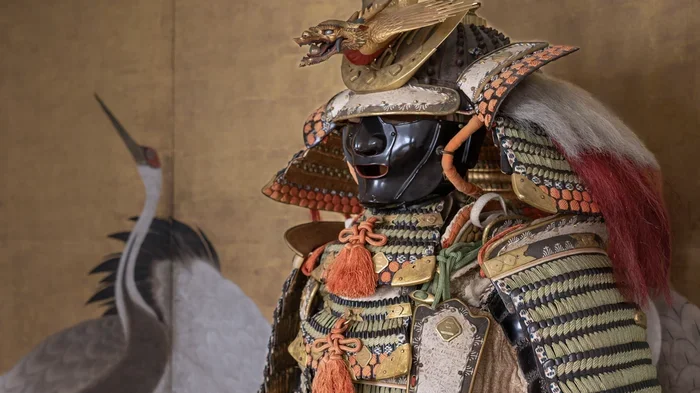

The shogun meaning traces back to a powerful military title that shaped feudal Japan for centuries. A shogun was essentially a military dictator who held real power over the country while the emperor of Japan remained a symbolic figure. Understanding the shogun meaning opens a window into Japanese history, the rise of the samurai warrior class, and the unique system of martial rule that governed Japan from the 12th century until the 1800s. This guide breaks down everything you need to know about the shogun title, its origins, its three great dynasties, and how it shaped modern Japan.
Have you ever wondered what the word shogun really means? Maybe you stumbled across it in a historical Japan documentary or a samurai movie. Either way, the shogun meaning is far more fascinating than most people realize.
The shogun title represents one of the most powerful positions in Japanese history. For hundreds of years, these military dictators ruled Japan with an iron fist. They built armies, shaped laws, and controlled the land while the emperor of Japan watched from the sidelines. Understanding the shogun meaning helps you understand how feudal Japan actually worked.
In this article, we will dive deep into the shogun meaning, explore the origins of the title, break down the three great shogunate periods, and look at how this system of military government shaped Japan into the country it is today. Whether you are a history buff or just curious, this guide has something for you.
Key Takeaways
- Shogun means “military commander”: The title comes from the Japanese word “seii tai-shogun,” meaning “great general who subdues barbarians.”
- Shoguns held real power: While the emperor was the official head of state, the shogun controlled the military and governed the country.
- Three great shogunates ruled Japan: The Kamakura, Ashikaga, and Tokugawa shogunates each left a lasting mark on Japanese history.
- The shogunate system ended in 1868: The Meiji Restoration returned power to the emperor and brought Japan into the modern era.
- Shoguns and samurai are not the same: The shogun was the ruler; samurai were the warriors who served under the shogun’s command.
- The shogun legacy lives on: From pop culture to historical sites, the influence of the shogun title is still visible in Japan today.
📑 Table of Contents
What Does Shogun Mean?
The Literal Translation
The shogun meaning comes from the full Japanese title “Seii Tai-Shogun.” Let us break that down. “Seii” means “subdue the barbarians.” “Tai” means “great.” And “Shogun” means “military commander.” So the full title translates to “Great Military Commander Who Subdues the Barbarians.”
That is a mouthful, right? But it tells you a lot about what the role was all about. The shogun was not just any general. This person was the top military commander of the entire country. The word “barbarians” referred to threats from outside Japan, like rival clans and invading forces.
Over time, people shortened the title to just “shogun.” And that is how the word stuck. Today, when you search for the shogun meaning, you are really looking at the story of Japan’s most powerful rulers.
Why the Title Mattered So Much
The shogun title was not just a fancy name. It carried real weight. A shogun commanded the samurai class, controlled vast lands, and made decisions that affected millions of people. The shogun meaning was tied directly to military authority and feudal governance.
Here is what made the title so powerful:
- Control over the army: The shogun commanded Japan’s warriors.
- Power over the land: Shoguns owned or controlled huge territories.
- Authority over local lords: These lords, called daimyo, answered to the shogun.
- Real political power: While the emperor existed, the shogun actually ran the country.
So when you look up the shogun meaning, you are really looking at the person who held the keys to Japanese governance for centuries.
The Rise of the Shogun in Feudal Japan
From Military Commander to Ruler
The story of the shogun begins in the 8th and 9th centuries. Japan was going through a lot of changes. The imperial court in Kyoto held nominal power, but real control was slipping away. Local clans fought each other for land and resources. The emperor of Japan was more of a figurehead than a true ruler.
During this time, the Japanese military grew stronger. Powerful clans built private armies. The warrior class began to rise. The imperial court needed someone to manage these growing military forces. That is where the shogun came in.
The first shoguns were appointed to deal with specific threats. They were given temporary military authority to handle crises. But over time, these temporary roles became permanent. The shogun became the de facto ruler of Japan.
The First Shoguns of Japan
The first person to hold the shogun title on a lasting basis was Sakanoue no Tamuramaro in the early 800s. He was a brilliant military leader who helped crush rebellions in northern Japan. His success set the stage for future shoguns.
But the real turning point came in 1185. Minamoto no Yoritomo defeated his rivals and established the first permanent shogunate in Kamakura. A shogunate is the government or rule of a shogun. Yoritomo became the first shogun to hold both military and political power over all of Japan.
This was a big deal. The emperor of Japan still sat on the throne, but the shogun held the real power. This pattern of dual governance would define Japan for the next 700 years.
Here are some key facts about the early shoguns:
- The title was originally given to generals who led campaigns against northern tribes.
- Minamoto no Yoritomo was the first shogun to build a lasting government.
- The bakufu system was the military government setup run by the shogun.
- The samurai class grew in power and influence under shogun rule.
The Three Great Shogunates
The history of the shogun meaning really comes alive when you look at the three great shogunate periods. Each one had its own flavor, its own challenges, and its own impact on Japanese history. Let us break them down.
Kamakura Shogunate (1185-1333)
The Kamakura shogunate was founded by Minamoto no Yoritomo. It was the first time a military government truly controlled Japan. The capital moved from Kyoto to Kamakura, a coastal town in eastern Japan.
During this period, the samurai became the ruling class. The daimyo system took shape. Local lords pledged loyalty to the shogun in exchange for land and protection. The shogun meaning during this era was clear: the shogun was the top dog in Japanese governance.
The Kamakura period also saw the Mongol invasions of Japan in the 1270s and 1280s. The shogun’s forces managed to repel these invasions, which only strengthened the shogun’s authority.
Ashikaga Shogunate (1336-1573)
The Ashikaga shogunate came after the Kamakura period fell apart. This era is also known as the Muromachi period, named after the district in Kyoto where the shogun’s headquarters was located.
The Ashikaga shoguns were less powerful than their Kamakura predecessors. Japan was torn by civil wars and power struggles. The daimyo fought each other constantly. This period saw the rise of martial rule in its most chaotic form.
Despite the chaos, the Ashikaga period gave birth to some of Japan’s most celebrated cultural achievements. Tea ceremony, Zen Buddhism, flower arranging, and no theater all flourished during this time. The shogun meaning during the Ashikaga era was complex: a ruler navigating constant conflict while trying to preserve culture.
Tokugawa Shogunate (1603-1868)
The Tokugawa shogunate was the longest-lasting and most stable of the three. Founded by Tokugawa Ieyasu after the Battle of Sekigahara in 1600, this shogunate brought over 250 years of peace to Japan.
The Tokugawa shoguns centralized power like never before. They controlled trade, limited foreign influence, and created a strict social hierarchy. The shogun meaning during this era was about order, stability, and isolation. Japan closed its borders to most foreign countries during this time, a policy known as sakoku.
The Tokugawa period ended with the Meiji Restoration in 1868. Power was returned to the emperor, and the shogun title was abolished. But the impact of 250 years of Tokugawa rule shaped modern Japan in profound ways.
Comparison of the Three Shogunates
| Shogunate | Period | Founder | Key Feature | Legacy |
|---|---|---|---|---|
| Kamakura | 1185-1333 | Minamoto no Yoritomo | First permanent military government | Established samurai rule |
| Ashikaga | 1336-1573 | Ashikaga Takauji | Cultural flourishing amid civil war | Golden age of Japanese arts |
| Tokugawa | 1603-1868 | Tokugawa Ieyasu | Longest period of peace and isolation | Laid groundwork for modern Japan |
The Role of the Shogun in Japanese Society
Power Over the Emperor
One of the most interesting aspects of the shogun meaning is the relationship between the shogun and the emperor of Japan. The emperor was considered a divine figure, descended from the gods. But the shogun held the real power.
This is not as strange as it sounds. Think of it like a company where the CEO has the title but the COO runs the day-to-day operations. The emperor of Japan was the symbolic head of state. The shogun was the one who actually made decisions about war, taxes, laws, and foreign policy.
The shogun title was technically granted by the emperor. But in practice, powerful shoguns chose their own successors and controlled the imperial court. The emperor of Japan had little real say in governance during the shogunate periods.
The Samurai Connection
The shogun meaning is deeply tied to the samurai warrior class. The shogun was the supreme commander of the samurai. In return for their loyalty, samurai received land, titles, and income from the daimyo system.
The samurai followed a strict code of conduct called bushido, which means “the way of the warrior.” This code emphasized loyalty, honor, discipline, and courage. The shogun was expected to embody these values and enforce them across Japan.
Without the samurai, the shogun title would have meant nothing. The shogun’s power rested entirely on the strength and loyalty of the samurai warriors. This is why the shogun meaning is inseparable from the warrior class and martial rule.
Here is a quick look at how the system worked:
- The shogun held supreme military and political power.
- The daimyo were regional lords who governed their own territories.
- The samurai were the warrior class that served the daimyo and the shogun.
- Peasants, artisans, and merchants made up the lower social classes.
How the Shogunate Ended
The Meiji Restoration
The end of the shogunate came in 1868 with the Meiji Restoration. By this time, the Tokugawa shogunate was struggling. Japan was falling behind other world powers technologically and economically. Many Japanese leaders believed that the military government was holding the country back.
A group of young reformers, backed by powerful daimyo from the south, overthrew the shogun. They restored power to the emperor of Japan and launched a massive modernization program. The shogun title was abolished, and the shogunate system came to an end.
The Meiji Restoration transformed Japan from a feudal society into a modern industrial nation. It was one of the most dramatic political upheavals in Japanese history. And it all happened because people wanted to move beyond the old shogun meaning and embrace a new era.
Lasting Influence Today
Even though the shogunate ended over 150 years ago, the shogun meaning still resonates today. You can see the legacy of the shoguns in:
- Japanese culture: Films, books, and TV shows about shoguns and samurai remain hugely popular.
- Historical sites: Castles, temples, and districts from the shogun era still stand across Japan.
- Business practices: Some aspects of modern Japanese corporate culture trace back to the feudal lord system.
- National identity: The shogun era is a proud part of Japan’s cultural heritage.
The shogun title may be gone, but its impact on Japanese governance, culture, and identity is undeniable. When you understand the shogun meaning, you understand a core part of what makes Japan unique.
Common Misconceptions About Shoguns
Shogun vs. Samurai
One of the biggest mistakes people make is confusing the shogun with the samurai. They are not the same thing. The shogun meaning refers to the ruler, the top military commander. A samurai is a warrior who serves under the shogun or a daimyo.
Think of it this way. The shogun is like a president or a CEO. The samurai is like a general or a senior executive. The shogun gives orders. The samurai carries them out. Both are important, but they hold very different positions in the feudal Japan hierarchy.
Was the Shogun Always a Warrior?
You might assume that every shogun was a fierce warrior on the battlefield. But that is not always true. While most shoguns came from the warrior class, some were more skilled at politics than combat. The shogun title was often passed down through family lines, so inheritance played a big role.
Some shoguns were young boys when they took power. They relied on advisors and regents to run the country. The shogun meaning was about holding the title and the authority, not necessarily about being a great fighter.
Here are some quick tips to remember:
- The shogun was the ruler; the samurai was the warrior.
- Not every shogun was a skilled fighter.
- The shogun title could be inherited or granted by the emperor.
- The real power of the shogun depended on the strength of their supporters.
Quick Tips for Understanding Shogun History
Want to dive deeper into the shogun meaning and Japanese history? Here are some quick tips:
- Start with the Tokugawa period: It is the most well-documented and easiest to understand.
- Watch historical dramas: Japanese period films, known as jidaigeki, bring the shogun era to life.
- Visit a castle: Many Japanese castles, like Himeji and Matsumoto, were built during the shogun era.
- Read primary sources: Look for translated accounts from the bakufu period for authentic insights.
- Compare with European feudalism: The shogunate system had similarities to medieval European feudal systems.
These tips will help you build a stronger understanding of the shogun title and its place in historical Japan. The more you learn, the clearer the shogun meaning becomes.
Key Takeaways
- The shogun meaning centers on the title of Japan’s powerful military commander and ruler.
- Feudal Japan operated under a dual system where the emperor was symbolic and the shogun held real power.
- The three shogunates (Kamakura, Ashikaga, and Tokugawa) each shaped Japanese history in unique ways.
- The samurai warrior class was the backbone of shogun power and martial rule.
- The Meiji Restoration in 1868 ended the shogunate and returned power to the emperor.
- The shogun legacy lives on in Japanese culture, architecture, and national identity.
- Understanding the shogun title is essential to understanding how Japan evolved from a feudal society to a modern nation.
Conclusion
The shogun meaning is much more than a simple translation of a Japanese word. It represents an entire era of Japanese history, a system of military government, and a unique approach to feudal governance. From the first shogun in Kamakura to the last shogun of the Tokugawa era, these rulers shaped Japan in ways that are still felt today.
When you understand the shogun title, you understand the heart of feudal Japan. You see how a military dictator could hold power for centuries while the emperor of Japan remained a symbol of tradition and divine authority. You appreciate the role of the samurai, the daimyo, and the warrior class in building one of the most fascinating periods in world history.
The shogun meaning reminds us that power is not always about who holds the title. It is about who holds the real influence. And in historical Japan, that was the shogun. So the next time you come across this word, you will know exactly what it means and why it matters.
Take what you have learned here and share it. The story of the shogun is one of the greatest tales in Japanese history, and it deserves to be told and understood by as many people as possible.
Frequently Asked Questions
What is the literal meaning of the word shogun?
The shogun meaning comes from the Japanese “Seii Tai-Shogun,” which translates to “Great Military Commander Who Subdues the Barbarians.” It was a title given to the top military leader of feudal Japan. Over time, the full title was shortened to simply “shogun.”
How is a shogun different from an emperor?
The emperor of Japan was the symbolic and spiritual leader, while the shogun held the real political and military power. The emperor was considered divine, but the shogun ran the country’s day-to-day governance. This dual governance system defined Japanese history for centuries.
What was the first shogunate in Japan?
The first permanent shogunate was the Kamakura shogunate, established in 1185 by Minamoto no Yoritomo. It marked the beginning of samurai rule in Japan and set the stage for the military government system that would last for centuries.
How long did the shogunate system last in Japan?
The shogunate system lasted from the late 12th century until 1868, when the Meiji Restoration ended the Tokugawa shogunate and returned power to the emperor. That is roughly 700 years of martial rule and Japanese governance by military leaders.
Were shoguns always men?
Yes, every person who held the shogun title in historical Japan was male. The warrior class and feudal lord system were deeply patriarchal. Women could hold power in other ways, but the shogun meaning was always tied to a male military ruler.
Is the shogun title still used today?
No, the shogun title was abolished in 1868 during the Meiji Restoration. However, the word “shogun” is still used in modern Japanese as a general term for a military commander or leader. The shogun meaning also lives on in popular culture, especially in films, books, and video games.