
The soft launch meaning refers to a limited, low-key product release used to test a product with a small audience before a full public launch. It helps businesses gather real user feedback, identify bugs, and refine their marketing strategy without risking a large-scale failure. Understanding the soft launch meaning can save your startup or business thousands of dollars and countless hours of rework. This guide covers everything you need to know about soft launching and why it matters.
Key Takeaways
- Soft launch meaning: A controlled, limited release that tests your product with a small audience before going big.
- Risk reduction: Soft launching helps you catch bugs, fix issues, and avoid costly mistakes during a full launch.
- User feedback: Early adopters provide valuable insights that shape your final product and marketing approach.
- Cost savings: Testing on a small scale prevents wasting budget on a launch that may not resonate with your audience.
- Performance metrics: A soft launch lets you measure real-world data like engagement, retention, and conversion rates.
- Marketing refinement: You can test messaging, channels, and positioning before committing to a full launch campaign.
- Confidence builder: A successful soft launch builds team morale and investor confidence ahead of a major release.
📑 Table of Contents
- What Is the Soft Launch Meaning?
- Why Soft Launching Matters for Your Business
- Soft Launch vs. Hard Launch: What Is the Difference?
- How to Plan a Successful Soft Launch
- Common Soft Launch Mistakes to Avoid
- Real-World Examples of Successful Soft Launches
- Benefits of Soft Launching for Startups and Established Brands
- Measuring Success: Key Metrics to Track During a Soft Launch
- How a Soft Launch Fits Into Your Overall Go-To-Market Strategy
- Expert Insights on Soft Launching
- Quick Tips for a Smooth Soft Launch
- Conclusion
What Is the Soft Launch Meaning?
At its core, the soft launch meaning is simple. It refers to releasing a product or feature to a limited audience before making it available to everyone. Think of it as a dress rehearsal before the real show.
When you soft launch, you are not trying to sell to the masses. Instead, you want to learn. You want to see how real people interact with your product. You want to find problems early. And you want to gather feedback that helps you improve before the big day.
The soft launch meaning goes beyond just releasing something early. It is a deliberate strategy. It involves choosing a specific group of users, setting clear goals, and measuring results carefully. Whether you are launching a mobile app, a new website, or a physical product, the principles stay the same.
Many successful companies use this approach. They know that jumping straight into a full launch is risky. A soft launch gives you a safety net. It lets you test the waters without putting your entire business on the line.
Why Do People Confuse Soft Launching with Beta Testing?
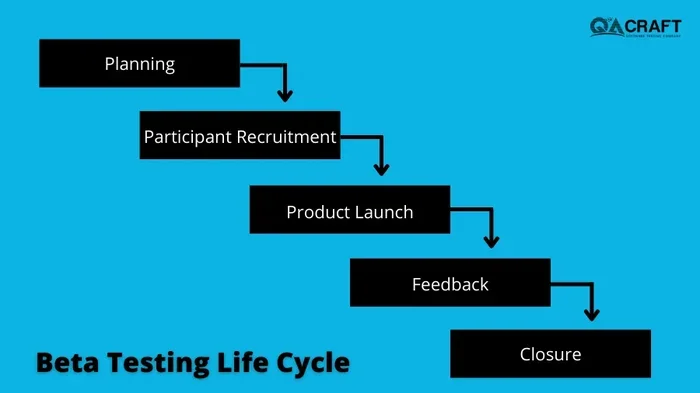
Some people use the terms “soft launch” and “beta test” interchangeably. But they are not exactly the same. A beta test often focuses on finding technical bugs. A soft launch is broader. It tests the whole experience. That includes user behavior, marketing messages, pricing, and even customer support. So while beta testing is part of a soft launch, the soft launch meaning covers much more ground.
Why Soft Launching Matters for Your Business
You might wonder why you should bother with a soft launch. Why not just release your product to everyone and see what happens? Well, that approach can work sometimes. But more often than not, it leads to wasted money, damaged reputation, and missed opportunities. Here is why a soft launch matters.
It Reduces Risk
Launching a product to millions of people is scary. If something goes wrong, the damage is huge. A soft launch limits your exposure. You only put your product in front of a small group. If something breaks, you fix it before anyone else notices.
This risk reduction is especially important for startups. When you have limited resources, you cannot afford a failed public launch. A soft launch gives you a chance to prove your concept safely.
It Saves Money
Running a full launch campaign is expensive. You pay for ads, PR, influencers, and more. What if your product is not ready? What if your messaging misses the mark? A soft launch lets you spend less money while learning more. You can test different ads, landing pages, and offers on a small budget first.
It Builds Momentum
A successful soft launch creates buzz. Early adopters share their experience. They leave reviews. They tell their friends. This organic momentum sets the stage for a powerful full launch. When you finally open your doors to everyone, you already have a community of supporters.
It Provides Real Data
Guesswork is dangerous in business. A soft launch replaces guessing with real data. You can see how users actually behave. You can track metrics like engagement, retention, and conversion. This data guides your decisions and takes the guesswork out of your product launch strategy.
Soft Launch vs. Hard Launch: What Is the Difference?
Understanding the difference between a soft launch and a hard launch is crucial. Each has its place, and knowing when to use which can make or break your launch strategy.
What Is a Hard Launch?
A hard launch is a full-scale, public release. It is loud, bold, and designed to reach as many people as possible. You invest heavily in marketing. You go all-in on advertising, social media, email campaigns, and press coverage. A hard launch aims for maximum impact from day one.
Hard launches work well when you have a polished product, a large budget, and an eager audience. But they carry high risk. If your product has flaws, a hard launch exposes them to everyone at once.
Key Differences at a Glance
| Aspect | Soft Launch | Hard Launch |
|---|---|---|
| Audience Size | Small, targeted group | Mass market |
| Budget | Low to moderate | High |
| Risk Level | Low | High |
| Feedback Loop | Fast and direct | Delayed or limited |
| Goal | Test and learn | Sell and grow fast |
| Marketing Push | Minimal | Aggressive |
When to Choose Each Approach
Choose a soft launch when you are unsure about your product-market fit. Pick a hard launch when you have confidence in your product and want to maximize reach quickly. Many smart businesses do both. They soft launch first, learn, improve, and then hard launch with a refined product and strategy.
How to Plan a Successful Soft Launch
Planning is the backbone of any soft launch. Without a clear plan, you will wander aimlessly and waste valuable time. Here is a step-by-step guide to help you plan effectively.
Step 1: Define Your Goals
Before you do anything, ask yourself what you want to achieve. Do you want to test a new feature? Gather user feedback? Measure conversion rates? Your goals shape every decision you make. Write them down. Make them specific and measurable.
Step 2: Identify Your Target Audience
Who will you invite to your soft launch? Pick a group that represents your ideal customer. They should be people who would genuinely use your product. Reach out to friends, beta testers, or a small segment of your email list. Keep the group manageable, so you can give each person attention.
Step 3: Prepare Your Product
Your product does not need to be perfect for a soft launch. But it should be functional. Fix any critical bugs. Make sure the core features work smoothly. Your goal is to let users experience the essence of your product, not a broken version of it.
Step 4: Set Up Analytics and Tracking
You cannot improve what you do not measure. Set up tools like Google Analytics, Mixpanel, or Hotjar to track user behavior. Monitor key performance metrics such as sign-ups, usage frequency, drop-off points, and feedback scores. This data will be gold during your product development phase.
Step 5: Create a Feedback Channel
Make it easy for users to share their thoughts. Set up a simple survey, a feedback form, or a dedicated email address. You can also create a private group where early adopters can discuss their experience. The more feedback you collect, the better you can refine your product.
Step 6: Launch and Observe
Now it is time to go live. But your work is not done. Watch closely. See how users navigate your product. Note where they get stuck. Pay attention to what they love and what they complain about. Resist the urge to make changes too quickly. Let the data speak first.
Step 7: Iterate and Improve
After the soft launch, review all the data. Identify patterns. Prioritize the most common issues. Make improvements and prepare for your full launch. This iteration cycle is what makes the soft launch meaning so powerful. Each cycle makes your product better.
Common Soft Launch Mistakes to Avoid
Even with a solid plan, mistakes can happen. Here are some common pitfalls and how to avoid them.
Skipping the Planning Phase
Some entrepreneurs dive into a soft launch without clear goals. This is a recipe for confusion. Without a plan, you will not know what to measure or what to improve. Always start with a clear roadmap.
Choosing the Wrong Audience
Your soft launch audience matters a lot. If you invite people who are not interested in your product, you will get useless feedback. Be selective. Choose people who match your ideal customer profile.
Launching Too Early or Too Late
Timing is everything. Launch too early, and your product may not be ready. Launch too late, and you miss the market window. Find the sweet spot where your product is good enough to learn from but not so polished that you skip the learning phase.
Ignoring User Feedback
This is one of the biggest mistakes. If you collect feedback but ignore it, you wasted your time. Take every piece of feedback seriously. Look for patterns. Use the insights to make meaningful improvements.
Scaling Too Fast
After a successful soft launch, the temptation is to go big immediately. But rushing into a full launch can backfire. Take the time to implement the lessons you learned. Make sure your infrastructure can handle more users. Prepare your marketing team for the next phase.
Real-World Examples of Successful Soft Launches
Theory is great, but real examples bring the concept to life. Let us look at how some well-known companies used a soft launch strategy to their advantage.
Facebook’s College Rollout
Facebook did not launch to the world all at once. It started as a soft launch at Harvard University. Only college students could join. Then it expanded to other universities. By the time it opened to the public, it already had millions of users and a proven model. This gradual rollout is a textbook example of smart product development.
Dropbox’s Video Demo
Before launching its product, Dropbox created a simple explainer video. They shared it with a small audience and measured interest. The video went viral, and sign-ups skyrocketed. This was a form of soft launch that tested demand before building the full product. It saved the company time and resources.
Spotify’s Country-by-Country Release
Spotify did not launch globally at once. It entered one country at a time. Each market validation phase taught the company something new. It refined its music recommendation algorithm based on local user behavior. Today, Spotify operates in over 180 countries, but it got there one soft launch at a time.
Nintendo’s Limited Game Releases
Nintendo often releases games in Japan first before other markets. This allows them to gather feedback, fix issues, and build hype. It is a classic limited release strategy that has worked for decades. The soft launch meaning in gaming is very much alive.
Benefits of Soft Launching for Startups and Established Brands
The soft launch meaning applies to businesses of all sizes. Whether you are a scrappy startup or a well-known brand, soft launching offers unique advantages.
For Startups
Startups operate on tight budgets and tight timelines. A soft launch gives them a chance to validate their idea without burning through resources. It helps them find product-market fit early. It also attracts early adopters who become loyal customers and brand advocates.
Startups can use a soft launch to pitch to investors. A successful limited release with strong engagement numbers is far more convincing than a slide deck full of projections. It shows real traction and real demand.
For Established Brands
Even big companies benefit from soft launching. When a brand introduces a new product line or a major feature update, a soft launch reduces the risk of public failure. It allows the brand to test new messaging, pricing strategies, and distribution channels in a controlled environment.
Established brands also use soft launches to maintain their reputation. A failed hard launch can damage a brand’s image. A soft launch keeps the brand safe while still allowing for innovation and experimentation.
The Role of Early Adopters
Early adopters are the heart of any soft launch. They are curious, forgiving, and eager to try new things. They give honest feedback, often before the product is fully polished. Treat them well. Engage with them. Their support can turn a simple limited release into a movement.
Measuring Success: Key Metrics to Track During a Soft Launch
How do you know if your soft launch worked? You need to track the right performance metrics. Here are the most important ones to watch.
- User Sign-Ups: How many people joined during the soft launch period?
- Activation Rate: What percentage of users completed a key action, like making a first purchase or using a core feature?
- Retention Rate: How many users came back after their first visit?
- Feedback Volume: How much feedback did you receive? Was it positive, negative, or mixed?
- Bug Reports: How many issues did users report? How quickly were they resolved?
- Conversion Rate: What percentage of users took the desired action, like subscribing or buying?
- NPS Score: Net Promoter Score tells you how likely users are to recommend your product to others.
Tracking these metrics gives you a clear picture of where you stand. It helps you decide whether to proceed with a full launch, pivot your approach, or keep refining.
How a Soft Launch Fits Into Your Overall Go-To-Market Strategy
A soft launch is not a standalone event. It is one piece of your larger go-to-market strategy. Think of it as the first chapter of your product’s story. It sets the tone for everything that follows.
Your go-to-market strategy includes your target audience, positioning, pricing, distribution, and messaging. A soft launch lets you test all of these elements in a real-world setting. You can see which messages resonate, which channels drive the most traffic, and which pricing points work best.
Integrating a soft launch into your launch campaign plan gives you a competitive edge. Most competitors will launch with a big bang and hope for the best. You will launch with data, confidence, and a refined product. That is a powerful advantage.
Expert Insights on Soft Launching
“The biggest mistake I see startups make is launching too big too soon. A soft launch is not a sign of weakness. It is a sign of intelligence.” This quote from a seasoned product strategist captures the essence of the soft launch meaning perfectly.
Experts agree that soft launching is one of the most effective ways to de-risk a product release. It aligns with the lean startup methodology, which emphasizes learning over guessing. By releasing early and often, you stay close to your users and responsive to their needs.
Another expert insight worth noting: the best soft launches feel intentional, not accidental. Users should know they are part of something special. Give them a sense of exclusivity. Make them feel like insiders. This creates loyalty and generates word-of-mouth buzz that fuels your eventual hard launch.
Quick Tips for a Smooth Soft Launch
- Start with a small, engaged audience. Quality matters more than quantity.
- Set clear, measurable goals before you begin.
- Fix critical bugs before launch day.
- Communicate openly with your early users. Be transparent about what stage your product is in.
- Track every metric you can. Data is your best friend.
- Be ready to pivot based on feedback. Flexibility is key.
- Document everything. Your learnings will guide your full launch.
Conclusion
The soft launch meaning is more than just releasing a product early. It is a strategic approach that protects your business, saves money, and sets you up for long-term success. Whether you are a first-time founder or a seasoned brand, soft launching gives you the confidence to move forward with clarity.
By testing your product with a small audience, you uncover what works and what does not. You build a loyal community of early supporters. You gather real data that drives better decisions. And when you finally launch to the world, you do so with momentum, insights, and a refined product.
So the next time you plan a product launch, remember the power of a soft launch. Start small. Learn fast. Iterate often. And watch your business grow with confidence.
Frequently Asked Questions
What does soft launch mean in simple terms?
A soft launch means releasing your product to a small group of people before making it available to everyone. It is a testing phase where you gather feedback, fix issues, and improve your product based on real user behavior.
How is a soft launch different from a beta test?
A beta test focuses mainly on finding technical bugs. A soft launch is broader. It tests the entire user experience, including marketing, pricing, and customer support. While beta testing is part of a soft launch, the soft launch covers more ground.
How long should a soft launch last?
There is no fixed timeline. A soft launch can last anywhere from a few weeks to a few months. The duration depends on your goals, your product complexity, and how quickly you can gather and act on feedback.
Can a soft launch fail?
Yes, a soft launch can fail if you do not plan it properly. Common reasons include choosing the wrong audience, ignoring feedback, or launching with too many bugs. But even a failed soft launch teaches you valuable lessons that prevent a bigger failure later.
What industries benefit most from soft launching?
Tech startups, app developers, e-commerce brands, and SaaS companies benefit greatly from soft launching. But any business introducing a new product or feature can use this strategy. It is especially helpful when you have limited resources or high uncertainty about market fit.
Do I need a large budget for a soft launch?
No. One of the biggest advantages of a soft launch is that it does not require a large budget. You can start with a small audience, minimal marketing spend, and free or low-cost analytics tools. The goal is to learn, not to spend.



