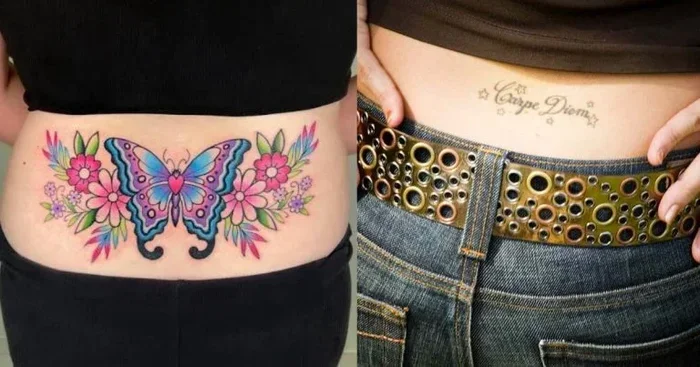

The tramp stamp meaning goes far deeper than the name suggests. This lower back tattoo has a rich history, shifting cultural perceptions, and personal significance for many people. Whether you are curious about the stigma, the designs, or the real reasons people choose this placement, this guide covers everything you need to know.
Key Takeaways
- The term “tramp stamp” is outdated and judgmental: Many people prefer the term “lower back tattoo” or “lumbar tattoo.”
- The history dates back thousands of years: Body art on the lower back has cultural roots in ancient civilizations.
- People get tramp stamps for deeply personal reasons: From aesthetic appeal to symbolic meaning, the motivations are varied.
- The stigma is fading: Tattoo acceptance has grown significantly in recent years.
- Design choice matters: The meaning often comes from the specific design, not the placement.
- Removal is an option: Laser tattoo removal has made it easier to change your mind.
- Placement affects pain and healing: The lower back has unique considerations for tattoo aftercare.
📑 Table of Contents
- Tramp Stamp Meaning: Why People Actually Get This Tattoo
- The History Behind the Tramp Stamp
- Why People Actually Get Lower Back Tattoos
- Common Tramp Stamp Designs and Their Meanings
- The Stigma Around Tramp Stamps
- How to Choose a Meaningful Lower Back Tattoo
- Tramp Stamp Removal and What to Know
- Final Thoughts on Tramp Stamp Meaning
Tramp Stamp Meaning: Why People Actually Get This Tattoo
You have probably heard the term tramp stamp before. Maybe you have seen one on someone at the beach or pool. Or maybe you are considering getting one yourself and want to understand what it really means. Either way, you are in the right place.
The tramp stamp meaning is not as simple as the nickname suggests. This type of lower back tattoo carries a mix of history, personal symbolism, and cultural shifts. Over the years, the perception of this tattoo placement has changed a lot. What was once heavily stigmatized is now widely accepted as a form of body art and self-expression.
In this article, we will explore the real tramp stamp meaning, the history behind it, why people choose this placement, common designs, the lingering stigma, and everything else you need to know. We will keep it real, honest, and easy to understand.
What Exactly Is a Tramp Stamp?
A tramp stamp is a tattoo placed on the lower back, near the waistline. It sits right above the buttocks, in the lumbar region. The term became popular in the 1990s and early 2000s. It was often used in a negative way to judge people, especially women, who chose this placement.
Today, many people find the term offensive. They prefer to call it a lower back tattoo, lumbar tattoo, or simply a back tattoo. The shift in language reflects a broader change in how society views tattoo culture. People are more respectful and open-minded now.
The tattoo placement on the lower back offers a unique canvas. It is curved, sensual, and often visible in summer clothing or swimwear. That is part of why it has remained popular for decades.
The History Behind the Tramp Stamp
The tramp stamp is not a modern invention. People have been placing tattoos on their lower backs for thousands of years. Understanding the history helps us see that this body art has deep roots across many cultures.
Ancient Origins of Lower Back Tattoos
In ancient Egypt, tattoos were found on female mummies around the lower abdomen and back. These tattoos were believed to have protective and healing purposes. They were not about decoration alone. They carried spiritual and symbolic weight.
In Polynesian cultures, tattoos covered the entire body, including the back. Each design told a story about the person’s identity, status, and achievements. The tattoo symbolism was deeply meaningful and respected.
In ancient Rome, soldiers and slaves sometimes received tattoos on their backs. The meaning varied from belonging to a group to marking someone as a prisoner. The placement on the back was practical. It was a flat, accessible surface.
How the Tramp Stamp Became a Trend
The modern lower back tattoo trend exploded in the 1990s. Celebrities and pop stars started showing off their back tattoos in music videos and on magazine covers. The rise of low-rise jeans made the lower back more visible than ever before.
During this time, the term “tramp stamp” was coined. It was meant to be a derogatory label. It unfairly judged women who chose this placement. The nickname stuck for years, even as the tattoo trend grew stronger.
Today, the tattoo trend has evolved. People of all genders get lower back tattoos. The designs range from simple and elegant to complex and detailed. The tattoo culture has become much more inclusive and accepting.
Why People Actually Get Lower Back Tattoos
So why do people actually get a tramp stamp? The reasons are personal and varied. Let us break down the most common motivations.
Aesthetic Appeal
Let us be honest. The lower back is a beautiful place for a tattoo. The curve of the spine creates a natural frame. The skin in this area is often smooth and flat. This makes it ideal for detailed tattoo designs.
Many people love how a lower back tattoo looks in a bikini or a backless dress. It feels like a personal secret that can be shared when they choose. This sense of choice and display adds to the appeal.
Personal Symbolism
For many people, the tramp stamp meaning is deeply personal. The design they choose carries their own story. Some common symbolic reasons include:
- Memorial tattoos: Honoring a loved one who has passed away.
- Empowerment tattoos: A reminder of strength and resilience.
- Spiritual tattoos: Symbols of faith, protection, or inner peace.
- Artistic expression: Simply loving a particular design or style.
- Milestone tattoos: Marking a significant life event or achievement.
The meaning is not in the placement. It is in the design and the intention behind it. A feminine tattoo on the lower back can represent beauty, strength, or individuality.
Cover-Up and Correction
Some people get a lower back tattoo as a cover-up. They may have an old tattoo they no longer like. The lower back offers a clean canvas to transform an unwanted piece of body art into something beautiful.
Others get a small tattoo in this area to balance out other tattoos on their body. It is all about creating a sense of harmony in their overall tattoo placement strategy.
Popularity Among Celebrities
Celebrities have played a big role in popularizing the lower back tattoo. Stars like Britney Spears, Jennifer Lopez, and Beyonce have all been spotted with back tattoos. Their influence helped normalize the placement.
When famous people embrace tattoo culture, it sends a powerful message. It tells the world that body art is art. It is not about labels or judgments. It is about personal choice and creative expression.
Common Tramp Stamp Designs and Their Meanings
The tramp stamp meaning often comes from the design itself. Here are some of the most popular lower back tattoo designs and what they can represent.
Butterflies
Butterflies are one of the most popular designs for the lower back. They symbolize transformation, freedom, and beauty. A butterfly tattoo on the lower back can represent personal growth or a new chapter in life.
The curved shape of the butterfly fits naturally on the lower back. It follows the spine’s contour beautifully. This makes it a favorite among tattoo artists and clients alike.
Flowers and Botanical Designs
Flowers are timeless in tattoo design. Roses represent love and passion. Lotus flowers symbolize spiritual awakening and purity. Cherry blossoms can represent the beauty of impermanence.
Botanical designs look stunning on the lower back. They create a lush, flowing look that wraps around the curves of the body. Many people choose flowers that hold personal meaning to them.
Script and Lettering
Some people prefer words or phrases on their lower back. A meaningful quote, a loved one’s name, or a single powerful word can make a strong statement. The tattoo symbolism of script tattoos is deeply personal.
When choosing lettering, pick a font that is readable and elegant. Small, cursive styles work well on the lower back. Make sure the tattoo artist you choose has experience with script designs.
Geometric and Tribal Patterns
Geometric designs offer a modern, structured look. Triangles, circles, and intricate patterns can create a stunning visual on the lower back. They often represent balance, order, and connection.
Tribal-style designs have ancient roots. They often symbolize strength, courage, and cultural heritage. Both geometric and tribal patterns can look incredible when placed on the lower back.
Animals and Wildlife
Animal tattoos on the lower back are bold and striking. Lions represent courage. Wolves symbolize loyalty and independence. Birds in flight can represent freedom and ambition.
The lower back provides a wide canvas for animal designs. The shape of the back allows the animal to “wrap” naturally around the body. This creates a dynamic and eye-catching look.
The Stigma Around Tramp Stamps
Let us address the elephant in the room. The term tramp stamp carries negative connotations. It has been used to shame and judge people, especially women, for their tattoo placement. But where does this stigma come from, and is it still relevant?
Where the Stigma Comes From
The stigma started in the late 1990s and early 2000s. At that time, lower back tattoos were associated with a certain lifestyle or stereotype. Media and popular culture painted a narrow and unfair picture. Women with lower back tattoos were often labeled in a disrespectful way.
This kind of tattoo stigma is rooted in sexism and double standards. Men with tattoos on any part of their body are rarely judged the same way. Women, on the other hand, have historically faced more criticism for their body art choices.
Is the Stigma Fading?
The good news is that the stigma is fading. Tattoo acceptance has grown dramatically in recent years. More people see tattoos as a legitimate form of art and self-expression. The rise of social media has also helped normalize tattoos of all kinds.
Many people now proudly embrace their lower back tattoo without caring about old stereotypes. They see it as a beautiful piece of body art that reflects who they are. The conversation around tattoos has become much more respectful and open-minded.
That said, not everyone has caught up. Some people still hold outdated views. It is important to remember that their opinion does not define your choices. Your body, your rules.
How to Handle Negative Comments
If someone makes a negative comment about your tattoo placement, you do not have to engage. Here are a few tips:
- Stay confident: Your tattoo means something to you. Own it.
- Educate if you want: Share the real meaning behind your tattoo.
- Set boundaries: It is okay to tell someone your tattoo is not up for discussion.
- Surround yourself with support: Friends and family who respect your choices matter most.
Remember, the tramp stamp meaning is whatever you want it to be. No one else gets to define it.
How to Choose a Meaningful Lower Back Tattoo
If you are thinking about getting a lower back tattoo, it is important to choose wisely. A tattoo is permanent. Taking your time with the decision will help you avoid tattoo regret later.
Consider the Design Carefully
Think about what the design means to you. Does it represent something important in your life? Will you still love it in ten years? These are important questions to ask yourself.
Look at different styles and find what resonates with you. Browse portfolios of tattoo artists who specialize in your preferred style. The more you research, the more confident you will feel about your choice.
Think About Size and Placement
The lower back is a curved area. Not all designs work equally well on this placement. Work with your tattoo artist to choose a design that fits the natural shape of your back.
Consider the size carefully. Smaller tattoos may look better on the lower back. Larger designs can also work but need more planning. Your artist can give you expert advice on what will look best.
Pain and Healing Considerations
Every tattoo involves some level of tattoo pain. The lower back is generally considered a moderate pain area. The skin here is thick but close to the spine and bones, which can make it more sensitive.
Proper tattoo aftercare is essential for healing. Follow your artist’s instructions carefully. Keep the area clean and moisturized. Avoid sun exposure during the healing process. Good aftercare leads to better long-term results.
Choose the Right Tattoo Artist
Not all tattoo artists are the same. Look for someone who specializes in the style you want. Check their portfolio for examples of lower back tattoos. Read reviews and ask for recommendations from friends.
A skilled artist will help you refine your design. They will also guide you on how the tattoo will look as it heals and ages. This partnership is key to getting a tattoo you will love for years to come.
Tramp Stamp Removal and What to Know
Sometimes people change their minds about a tattoo. If you are unhappy with your lower back tattoo, there are options available. Tattoo removal has come a long way in recent years.
Laser Tattoo Removal
Laser removal is the most common method today. It uses targeted light to break down the tattoo ink. The body then naturally clears the ink particles over time.
Laser removal usually requires multiple sessions. The number of sessions depends on the size, color, and age of the tattoo. Black ink is generally the easiest to remove. Colored inks may require more sessions.
What to Expect During the Process
Laser removal can be uncomfortable. Many people describe it as feeling like a rubber band snapping against the skin. The lower back is a tolerable area for this process.
After each session, the area may be red and swollen. This is normal. Follow your specialist’s aftercare instructions carefully. Proper care helps minimize side effects and improves results.
Complete removal is not always possible. Some tattoos fade significantly but may leave a faint shadow. However, even a faded tattoo is much less visible than the original.
Cost Considerations
Tattoo removal can be expensive. Each session may cost several hundred dollars. The total cost depends on the size and complexity of the tattoo. Insurance typically does not cover removal since it is considered cosmetic.
It is worth researching clinics and finding a reputable specialist. Ask about their experience and before-and-after photos. A qualified professional will give you the best possible results.
Final Thoughts on Tramp Stamp Meaning
The tramp stamp meaning is something only you can truly define. This lower back tattoo is not about labels or stereotypes. It is about self-expression, art, and personal significance.
Whether you get a tramp stamp for aesthetic reasons, symbolic meaning, or as a cover-up, your choice is valid. The tattoo world has changed dramatically. Tattoo acceptance is at an all-time high. People from all walks of life embrace body art as a form of identity and creativity.
If you are considering a lower back tattoo, take your time. Choose a design that truly speaks to you. Find a talented tattoo artist you trust. And remember, your body is your canvas. The meaning is yours to create.
Do not let outdated terms or negative opinions hold you back. A tattoo is a personal journey. It tells a story that is uniquely yours. Wear it with pride.
Frequently Asked Questions
Is a tramp stamp only for women?
No, absolutely not. While the term is often associated with women, people of all genders get lower back tattoos. The tattoo placement on the lower back works well for any body type and any gender. The tramp stamp meaning is not limited by gender at all.
Does getting a tattoo on the lower back hurt more than other areas?
The lower back is generally considered a moderate pain area for tattoo placement. The skin is thicker than some areas but closer to bone and nerve endings. Most people find it tolerable. Your pain tolerance and the size of the tattoo will affect your experience.
Can a tramp stamp be easily hidden for work or formal events?
Yes, one of the advantages of a lower back tattoo is that it can be easily covered. A simple bandeau top, a high-waisted garment, or even a large handbag can hide it. This makes it a practical choice for people who need to cover their body art in certain settings.
What is the best tattoo style for the lower back?
Many styles work beautifully on the lower back. Feminine tattoos like floral designs and butterflies are very popular. Watercolor, geometric, and script styles also look stunning. The curved shape of the lower back suits flowing, organic designs especially well.
How long does a lower back tattoo take to heal?
Most tattoo aftercare guidelines suggest about two to four weeks for initial healing. The skin on the lower back is relatively thick, which can help the healing process. However, you should avoid direct sun exposure, swimming, and tight clothing during this time.
Are there any health risks associated with lower back tattoos?
Like any tattoo, there are some risks involved. These include infection, allergic reactions, and scarring if not properly cared for. Choosing a licensed and experienced tattoo artist reduces these risks significantly. Following proper tattoo aftercare instructions is also essential for a safe healing process.
=== CONCLUSION ===
The tramp stamp meaning is a topic that goes way beyond a simple nickname. This lower back tattoo carries history, personal significance, and artistic value. From ancient cultures to modern tattoo culture, the lower back has been a popular canvas for body art for thousands of years.
People choose this placement for many reasons. Some love the aesthetic appeal. Others connect deeply with the tattoo symbolism of their chosen design. And many simply want a beautiful piece of art that they can proudly display or keep as their own private expression.
The stigma around tramp stamps is fading fast. Society is becoming more accepting of tattoos in all forms and placements. The term “tramp stamp” itself is losing its power because people are reclaiming the narrative around their own bodies and choices.
Whether you are researching the tramp stamp meaning for yourself or someone you know, the most important takeaway is this: your tattoo means what you want it to mean. It is your story. It is your art. It is your choice. Embrace it with confidence and let your body art reflect who you truly are.



