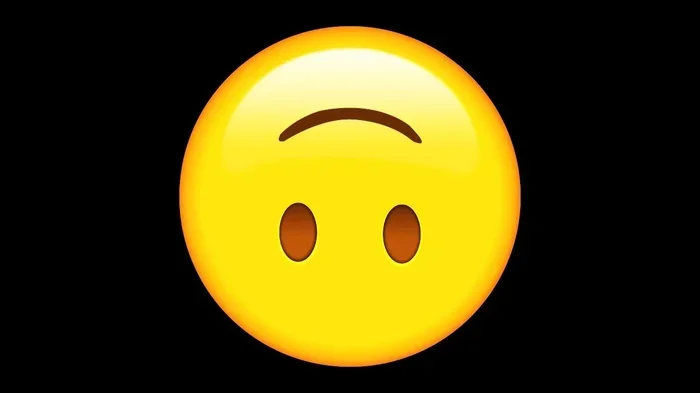

The upside down smiley face meaning might surprise you. People use this flipped emoji to show sarcasm, irony, or a playful twist on regular positivity. Whether it appears in text messages, social media comments, or group chats, the upside down smiley carries layers of hidden emotion. This guide breaks down every meaning, platform, and context so you never have to guess again.
You have seen it. That little yellow face is flipped upside down. It looks like a regular smiley, except everything is reversed. You might have received it from a friend, a coworker, or even a stranger online. And you probably wondered, what does it actually mean?
The upside down smiley face meaning is not always obvious. Unlike a standard smiley that clearly shows happiness, this flipped version carries hidden layers. It can mean sarcasm, playfulness, passive aggression, or even genuine irony. The meaning depends heavily on who sent it and where it appeared.
In this article, we will explore every angle of the upside down smiley. You will learn where it came from, how people use it across platforms, and what it really means in different situations. By the end, you will never misread this emoji again.
Key Takeaways
- Sarcasm and Irony: The upside down smiley often signals sarcasm or ironic intent behind a message.
- Playful Tone: It can also mean lighthearted fun and teasing between friends.
- Platform Differences: The meaning shifts depending on the app or platform you are using.
- Passive-Aggressive Signal: Some people use it to express annoyance without being direct.
- Context Matters Most: The same emoji can mean very different things based on the conversation.
- Origin Story: The upside down smiley has roots in early internet culture and emoticon history.
- Reading Tips: Always look at the full message and the relationship with the sender to interpret correctly.
📑 Table of Contents
- What Does the Upside Down Smiley Face Mean?
- Where Did the Upside Down Smiley Face Come From?
- How People Use the Upside Down Smiley Face
- Upside Down Smiley Face on Different Platforms
- Common Misunderstandings About the Upside Down Smiley
- How to Respond When Someone Sends You an Upside Down Smiley
- Expert Insights on Emoji Interpretation
- Key Takeaways
- Conclusion
What Does the Upside Down Smiley Face Mean?
The upside down smiley face meaning varies widely. It is one of those emojis that looks simple but carries complex emotions. Let us break down the most common interpretations.
Sarcasm and Irony
The number one use of the inverted smiley is sarcasm. When someone types something that sounds positive but clearly means the opposite, the flipped smiley makes it clear. For example, if a friend sends you a message like, “Oh great, another Monday,” and adds the upside down smiley emoji, they are being sarcastic. The emoji acts as a tone indicator. It tells you the words do not mean what they seem.
This use is very common in text messages and group chats. Younger internet users especially rely on the reversed smiley face to add irony to their messages. Without it, their words might come across as too serious or even rude.
Playful Teasing
Sometimes the upside down smiley just means fun. Friends use it to tease each other in a lighthearted way. If your buddy sends you a funny photo and adds the flipped smiley, they are joking around. There is no real negativity here. It is just a playful way to keep things light.
The key difference between teasing and sarcasm is the relationship. If you are close friends, the upside down smiley text is almost always playful. If the sender is someone you do not know well, it might lean more toward sarcasm or even passive aggression.
Passive-Aggressive Expression
This is the trickier side of the upside down smiley face. Some people use it to express frustration without saying it directly. Instead of writing something angry, they send the flipped emoji. The message might say something like, “Sure, whatever you want,” paired with the upside down smiley on Snapchat or upside down smiley on WhatsApp.
This passive-aggressive use is not healthy communication, but it is very common. People choose the flipped smiley because it softens the blow. It lets them express annoyance while still appearing friendly on the surface.
Genuine Irony or Absurdity
Not every use of the reversed smiley face is negative. Some people use it simply because something is absurdly funny or ironic. If a situation is so unexpected that it makes you laugh, the upside down smiley can capture that feeling perfectly. It says, “This is so weird it is funny.”
This usage is popular on platforms like Discord and Reddit. Users drop the upside down smiley emoji in comments to react to bizarre or unexpected events. It has become a go-to reaction symbol for ironic humor.
Where Did the Upside Down Smiley Face Come From?
The upside down smiley origin goes back to the early days of internet communication. Before emojis existed, people used text-based emoticons to express feelings. The classic smiley face was 🙂 and the sad face was :(. Someone eventually flipped it to create the upside down version, which looked like this: (:
The inverted smiley emoticon gained popularity in online forums during the early 2000s. Users started using it to add a sarcastic or ironic twist to their messages. As emojis replaced text emoticons, the upside down smiley made the natural transition into the emoji keyboard.
How It Evolved Into Modern Emoji Use
When smartphones introduced emoji keyboards, the upside down smiley face became widely accessible. People who were already familiar with the text version started using the emoji version. Social media platforms like Twitter, Instagram, and Facebook helped popularize it even further.
Today, the upside down smiley interpretation continues to evolve. New slang and internet culture keep adding layers to its meaning. What it meant five years ago might not be exactly the same today. This is part of what makes the reversed smiley face so interesting and sometimes confusing.
Why It Stays Relevant
The flip smiley face remains relevant because it fills a gap in emoji language. There was no perfect way to show sarcasm or irony with standard emojis. The upside down smiley solved that problem. It gave people a visual shorthand for complex emotions that plain words could not capture easily.
Its simplicity is another reason it endures. Anyone can understand a smiley face, even if it is upside down. The universal shape makes it accessible across languages and cultures. That is a big reason the upside down smiley in comments has become such a common sight online.
How People Use the Upside Down Smiley Face
The upside down smiley face appears in many different contexts. Understanding these contexts helps you interpret the meaning more accurately. Let us look at the most common situations where people use this emoji.
In Text Conversations
When you receive the upside down smiley in texts, the context of the conversation matters a lot. Here are some common scenarios:
- After a sarcastic comment: Your friend says, “Love getting ignored,” and sends the flipped smiley. They clearly mean the opposite.
- As a reaction to bad news: Someone texts, “The meeting got canceled,” with the upside down smiley. They might be relieved or making a joke.
- To soften a blunt message: “I told them no,” followed by the upside down smiley text makes the message feel less harsh.
- In inside jokes: Close friends use it as a signal that only they understand. It becomes a private code between them.
On Social Media Posts
The upside down smiley on social media is everywhere. You will see it under Instagram captions, Twitter replies, and Facebook comments. Here is how people typically use it in these spaces:
- Under ironic posts: Someone posts a photo of a rainy day with the caption, “Perfect weather,” and adds the flipped smiley.
- In comment sections: The upside down smiley in comments often appears when something is absurd or ridiculous. It signals that the commenter finds the situation humorous.
- As a reaction to drama: On platforms like Twitter, the reversed smiley face shows up when someone is reacting to online drama with a mix of amusement and disbelief.
In Gaming and Online Communities
Gaming communities and online forums love the upside down smiley emoji. It has become a staple reaction in Discord servers, Reddit threads, and game chat. Players use it to react to unexpected events, funny glitches, or ironic outcomes in games.
On Discord specifically, the upside down smiley on Discord is one of the most used emojis. Server members drop it in chat channels to react to messages that are funny, absurd, or sarcastic. It has become part of the culture of online gaming communities.
Upside Down Smiley Face on Different Platforms
The upside down smiley face looks slightly different on each platform. The design changes can affect how people interpret it. Here is a comparison of how the emoji appears and is used across major platforms.
| Platform | Design Style | Common Meaning |
|---|---|---|
| Apple iOS | Yellow face, flipped vertically, simple expression | Sarcasm, irony, playful teasing |
| Google Android | Slightly rounder face, bright yellow | Lighthearted sarcasm, humor |
| Classic smiley, upside down orientation | Passive aggression, irony | |
| Snapchat | Sticker-style, expressive design | Playful sarcasm among friends |
| Discord | Custom or native emoji, varies by server | Inside jokes, ironic reactions |
| Twitter/X | Standard emoji, compact display | Irony, absurdity, humor |
| Standard emoji, widely recognized | Sarcasm, teasing, ironic reactions |
As you can see, the upside down smiley interpretation is fairly consistent across platforms. The core meanings of sarcasm, irony, and playfulness remain the same. However, the intensity of the meaning can shift based on the platform culture.
Platform-Specific Nuances
Each platform has its own unwritten rules for emoji use. On Snapchat, the upside down smiley on Snapchat is often used between close friends. It carries a lighter, more playful tone. On WhatsApp, the same emoji might lean more toward passive-aggressive communication because the platform is used in more formal or professional settings too.
On Discord, the upside down smiley on Discord often has an even more niche meaning. Server communities develop their own emoji slang, and the flipped smiley might mean something specific to that group. This is part of what makes internet emoji language so dynamic and ever-changing.
Common Misunderstandings About the Upside Down Smiley
The upside down smiley face is one of the most misunderstood emojis. Many people assume it simply means the opposite of happiness. That is not always the case. Let us clear up some of the most common mistakes people make when interpreting this emoji.
Assuming It Always Means Negativity
The biggest mistake is thinking the upside down smiley is always negative. It is not. While it can express sarcasm or passive aggression, it is just as often used in a fun, lighthearted way. The key is to look at the full message and your relationship with the sender.
Confusing It With the Upside Down Skull
Some people confuse the reversed smiley face with other flipped emojis like the upside down skull. These are completely different symbols with different meanings. The skull represents dark humor or death references, while the upside down smiley is about irony and playfulness.
Overthinking the Meaning
Another mistake is overthinking it. Sometimes an upside down smiley emoji just means exactly what it looks like. Someone is being silly or making a joke. Not every use of the flipped smiley requires deep analysis. If the message is clearly lighthearted, let it be lighthearted.
Quick Tips for Interpreting the Upside Down Smiley
- Read the full message: The words around the emoji give you the biggest clue.
- Consider the sender: A close friend means something different than a coworker.
- Look at the platform: Each app has its own emoji culture.
- Check the conversation context: Is the chat serious or casual?
- When in doubt, ask: A simple “What do you mean by that?” never hurts.
How to Respond When Someone Sends You an Upside Down Smiley
Receiving the upside down smiley face can leave you unsure how to reply. Should you match the energy? Ignore it? Respond with your own emoji? Here are some practical tips.
Match the Tone
If the message feels playful, respond in kind. Send back a reversed smiley face or a laughing emoji. This shows you get the joke and you are playing along. Matching the tone keeps conversations light and fun.
Do Not Take It Personally
If the upside down smiley comes with a sarcastic comment, try not to take it personally. Most of the time, it is just banter between friends. Responding with humor or a lighthearted emoji works best in these situations.
Address Passive Aggression Directly
If you sense the upside down smiley is being used in a passive-aggressive way, it is okay to address it. A simple, “Hey, is everything okay?” can open up a real conversation. Do not let passive-aggressive emoji use slide without addressing it if it bothers you.
Know When to Let It Go
Sometimes the best response is no response at all. If the upside down smiley text is part of a passing comment and the conversation is moving on, just let it go. Not every emoji requires a reply.
Expert Insights on Emoji Interpretation
Communication experts emphasize that emoji meaning is highly contextual. Dr. Owen Churches, a researcher who has studied emoticons and emojis, notes that digital symbols carry different weight depending on the medium and the relationship between communicators. The upside down smiley face is a perfect example of this.
According to linguists who study digital communication, emojis function almost like tone of voice in face-to-face conversations. The upside down smiley adds a layer of irony or playfulness that plain text cannot convey. Without it, messages can easily be misread as serious or rude.
Professor Vyv Evans, author of “The Emoji Code,” has noted that emojis are evolving into a complex visual language. The reversed smiley face is a great example of how a simple symbol can carry multiple meanings depending on who uses it and how it is used. This evolution shows that digital communication is becoming richer and more nuanced every year.
So the next time you see the upside down smiley emoji, remember that it is more than just a flipped image. It is a small but powerful tool for expressing tone, emotion, and intent in digital conversations.
Key Takeaways
- The upside down smiley face meaning is primarily about sarcasm, irony, and playful teasing.
- Context is everything. The same emoji can mean fun or frustration depending on the conversation.
- Platform matters. The emoji carries slightly different weight on Snapchat, WhatsApp, Discord, and other apps.
- Relationship with the sender is the biggest factor in interpreting the meaning correctly.
- It has roots in early internet emoticon culture and has evolved into a widely recognized emoji symbol.
- Misunderstandings happen when people assume a single meaning for this versatile emoji.
- Always look at the full message before deciding what the upside down smiley really means.
Conclusion
The upside down smiley face meaning is richer and more layered than most people realize. What looks like a simple flipped emoji actually carries a wide range of emotions and intentions. From sarcasm and irony to playful teasing and passive aggression, the upside down smiley is one of the most versatile symbols in digital communication.
Now that you understand the different meanings and contexts, you will never have to second-guess what someone means when they send you this emoji. You will read the full message, consider the sender and the platform, and interpret the meaning with confidence.
The next time you want to add a touch of irony or playfulness to your own messages, try using the upside down smiley emoji. Just remember to use it thoughtfully and always consider your audience. Digital communication is all about nuance, and the reversed smiley face is a perfect tool for adding that extra layer of meaning to your words.
Keep this guide handy. The next time you see a flip smiley face in your messages, you will know exactly what it means. And that is a skill that will serve you well in every text conversation, social media comment, and group chat you ever join.
Frequently Asked Questions
What does the upside down smiley face mean in texting?
In texting, the upside down smiley usually means sarcasm or playful teasing. It signals that the sender is being ironic rather than serious. The exact meaning depends on the conversation and the relationship between the people texting.
Is the upside down smiley face the same on every platform?
The design varies slightly from platform to platform, but the core meaning stays similar. Apple, Android, WhatsApp, and Discord all use the upside down smiley emoji to convey sarcasm, irony, or humor. The platform culture can shift the tone slightly.
Can the upside down smiley be offensive?
It can be if it is used passively aggressively. Some people use the reversed smiley face to express annoyance without being direct. In most casual conversations, however, it is meant to be lighthearted and fun.
Where did the upside down smiley originate?
The upside down smiley origin traces back to early internet forums where people used text emoticons. The text version, (:, was created as a flipped version of the classic smiley :). It later became an emoji as digital communication evolved.
How is the upside down smiley different from the upside down skull emoji?
The upside down skull represents dark humor or references to death and is much more intense. The upside down smiley is lighter and focuses on irony, sarcasm, and playful teasing. They are completely different symbols with very different meanings.
Should I use the upside down smiley in professional conversations?
It is best to avoid the upside down smiley in professional settings. It can easily be misinterpreted as sarcastic or passive-aggressive. Stick to standard, universally positive emojis in work-related conversations to keep things clear and professional.