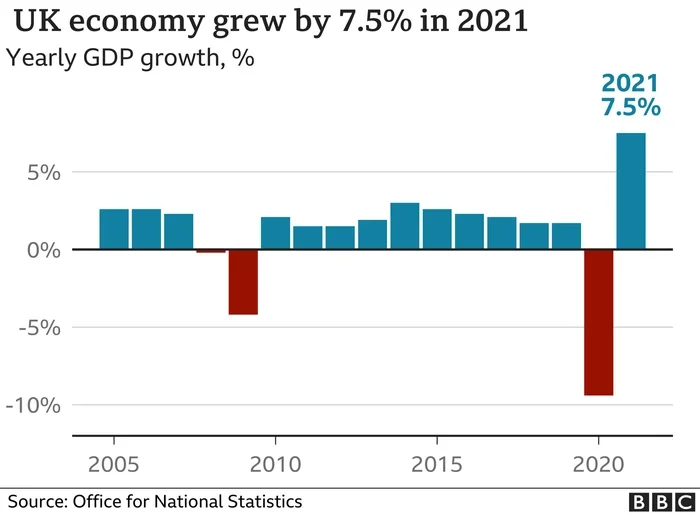

GDP meaning stands for Gross Domestic Product, which measures the total value of all goods and services produced within a country’s borders in a specific time period. It serves as the most widely used indicator of a nation’s economic health, helping governments, investors, and businesses make critical decisions. Understanding GDP meaning gives you powerful insight into how economies grow, shrink, and impact your daily life.
Have you ever heard the term GDP on the news and wondered what it really means? You are not alone. GDP meaning confuses a lot of people, but it is actually one of the simplest and most important concepts in economics. In plain terms, GDP stands for Gross Domestic Product. It measures the total monetary value of all finished goods and services produced within a country during a set period, usually a quarter or a year.
Think of GDP as a giant scoreboard for a country’s economy. When GDP goes up, the economy is growing. When it falls, the economy is shrinking. Governments, investors, and businesses watch GDP closely because it affects jobs, interest rates, taxes, and even the prices you pay at the grocery store. This guide will walk you through the GDP meaning step by step, covering how it is calculated, why it matters, and where it falls short.
Whether you are a student, a curious consumer, or someone trying to make smarter financial decisions, understanding GDP meaning gives you a real advantage. Let us dive in and break this big economic concept down into easy-to-digest pieces.
Key Takeaways
- GDP measures total economic output: It adds up everything a country produces, from cars to coffee cups.
- Three methods calculate GDP: The production, income, and expenditure approaches all arrive at the same number.
- Nominal and real GDP differ: Real GDP adjusts for inflation, giving a clearer picture of true growth.
- GDP impacts your wallet: Rising GDP often means more jobs, higher wages, and better investment returns.
- GDP has limits: It doesn’t capture inequality, environmental damage, or unpaid work.
- GDP per capita matters: It shows average economic output per person, making comparisons across countries more meaningful.
- GDP growth rates drive policy: Central banks and governments use GDP data to set interest rates and spending plans.
📑 Table of Contents
What Does GDP Meaning Really Tell Us?
The GDP meaning goes far beyond just a number in a report. It represents the total market value of all final goods and services produced inside a country’s borders. “Final” means we only count the end product, not the parts used to make it. For example, if a car factory builds a car, we count the car’s value. We do not also count the steel, rubber, and glass that went into it, because that would double-count.
GDP captures economic activity across every sector. That includes manufacturing, agriculture, services, construction, and retail. When you buy a haircut, that counts toward GDP. When a company builds a new office building, that counts too. Even government services like education and defense add to the total.
Here is why GDP meaning matters so much in everyday life:
- Job creation: Growing GDP usually means companies are hiring more workers.
- Wage growth: A strong economy often leads to higher pay for employees.
- Investment decisions: Investors use GDP data to decide where to put their money.
- Government policy: Policymakers rely on GDP to shape tax rates and public spending.
- Standard of living: Higher GDP per capita often means people enjoy better quality of life.
When economists talk about economic growth, they are almost always referring to GDP growth. A country with rising GDP is generally considered to be doing well. But GDP is not perfect, and we will explore its limitations later in this guide.
How Economists Define GDP
The formal definition of GDP focuses on market value. Every good or service is valued at its market price, meaning what people actually pay for it. This makes GDP a consistent and comparable measure across different countries and time periods. The GDP meaning also includes only goods and services produced within a specific geographic boundary, regardless of who owns the companies producing them.
For instance, if a Japanese company operates a factory in the United States, the output from that factory counts toward U.S. GDP. This geographic focus is a key part of understanding GDP meaning and how it differs from other economic measures like Gross National Product, or GNP.
How Is GDP Calculated?
Now that you grasp the GDP meaning, let us look at how it is actually calculated. There are three main approaches, and each one arrives at the same number from a different angle. Think of it like calculating the total money flowing through a town. You could count every sale, add up every paycheck, or total every purchase. All three methods give you the same result.
The Production Approach
The production approach adds up the value created at each stage of production. Economists call this “value added.” For example, a farmer grows wheat and sells it to a miller for $10. The miller grinds it into flour and sells it to a bakery for $25. The bakery turns the flour into bread and sells it for $40. The total value added is $40, not $75, because we only count the new value created at each step.
This approach is popular because it shows how different industries contribute to the overall economy. When you study GDP meaning through the production lens, you see which sectors drive growth.
The Income Approach
The income approach adds up all the earnings generated in the production process. This includes wages, salaries, profits, rent, and taxes. The idea is simple: the income earned by everyone who participates in making goods and services should equal the total value of those goods and services.
So when you hear about GDP meaning in the context of national income, this is the approach being referenced. It shows how the economic pie is divided among workers, business owners, and the government.
The Expenditure Approach
The expenditure approach is the most commonly used method and the one you will see most often in news reports. It adds up all the spending on final goods and services. The formula looks like this:
GDP = C + I + G + (X – M)
Let us break that down:
- C stands for consumer spending. This is you and me buying groceries, clothes, electronics, and paying for healthcare.
- I stands for business investment. Companies spending on new equipment, buildings, and inventory.
- G stands for government spending. Think public schools, highways, and defense.
- X stands for exports. Goods and services sold to other countries.
- M stands for imports. Goods and services bought from other countries.
The expenditure approach is the most intuitive way to understand GDP meaning because it shows exactly where money flows in an economy. Consumer spending typically makes up the largest share, often around 70 percent of GDP in countries like the United States.
Types of GDP You Should Know
Not all GDP numbers are created equal. There are several types of GDP, and each one tells a different story about the economy. Understanding these variations is essential to truly grasping GDP meaning.
Nominal GDP
Nominal GDP measures economic output using current prices. It does not adjust for inflation. If nominal GDP grows by 5 percent in a year, some of that growth might just be from prices going up, not from actual production increasing.
Think of it this way: if the price of everything doubles but you buy the same amount, nominal GDP doubles even though nothing real has changed. That is why nominal GDP alone can be misleading when you are trying to understand GDP meaning in terms of real economic progress.
Real GDP
Real GDP adjusts for inflation, giving you a much clearer picture of actual economic growth. Economists calculate real GDP by holding prices constant, using a base year. This lets us compare economic output across different years without the distortion of price changes.
When news anchors say the economy “grew by 3 percent,” they are almost always talking about real GDP growth. Real GDP is the go-to measure for understanding whether an economy is genuinely expanding or just getting more expensive.
GDP Per Capita
GDP per capita divides total GDP by the population. It shows the average economic output per person. This measure is incredibly useful for comparing living standards across countries.
For example, the United States has a massive total GDP, but when you divide by its population, the GDP per capita tells a different story. Countries like Luxembourg and Switzerland rank very high on GDP per capita despite having small total economies. GDP per capita meaning helps us understand how wealth is distributed, on average, among a country’s citizens.
GDP Growth Rate
The GDP growth rate measures how fast the economy is expanding or contracting from one period to the next. It is usually expressed as a percentage. A positive growth rate means the economy is expanding. A negative growth rate means it is shrinking, which economists call a contraction.
Two consecutive quarters of negative GDP growth is the common definition of a recession. Central banks and governments watch this number closely because it influences decisions about interest rates, taxes, and public programs.
Why GDP Matters for Everyday Life
GDP meaning might sound like something only economists care about, but it affects your life in very real ways. Here is how GDP connects to your daily experience.
Jobs and Employment
When GDP grows, businesses sell more products and services. To keep up with demand, they hire more workers. This means lower unemployment and more job opportunities. When GDP shrinks, companies cut costs, and layoffs often follow.
If you are job hunting or thinking about switching careers, GDP trends can give you clues about the job market. A country with strong GDP growth is generally a better place to find work.
Wages and Income
Rising GDP often leads to higher wages, though not always immediately. When the economy expands, companies have more revenue and can afford to pay workers more. Over time, strong GDP growth tends to push incomes upward.
However, the benefits of GDP growth do not always reach everyone equally. We will discuss this limitation in a later section.
Interest Rates and Loans
Central banks, like the Federal Reserve in the United States, use GDP data to set monetary policy. When GDP growth is too fast, they may raise interest rates to prevent inflation. When GDP is weak, they may lower rates to stimulate borrowing and spending.
This directly affects your mortgage rate, car loan, and credit card interest. Understanding GDP meaning helps you anticipate these changes and make smarter borrowing decisions.
Government Services and Taxes
When GDP grows, tax revenues increase, giving governments more money to spend on public services. When GDP falls, budgets tighten, and governments may cut spending or raise taxes. Your quality of public schools, roads, and healthcare can be influenced by the overall health of the GDP.
Investment and Savings
Stock markets tend to perform well during periods of strong GDP growth. Companies earn more profits, which often pushes stock prices higher. Bond markets also react to GDP data, especially when it influences interest rate expectations.
If you have a retirement account or any investments, GDP trends quietly affect your portfolio’s performance. Knowing the GDP meaning helps you make informed investment choices.
GDP vs GNP: What Is the Difference?
People often confuse GDP with GNP, or Gross National Product. While they sound similar, they measure different things.
GDP measures everything produced within a country’s borders, regardless of who owns the production. GNP measures the output produced by a country’s residents, regardless of where they are located.
Here is a simple example to illustrate GDP meaning versus GNP. If an American company owns a factory in Mexico, the factory’s output counts toward Mexico’s GDP. But it counts toward the United States’ GNP because the profits flow to American owners.
Most countries, including the United States, now prefer GDP over GNP for international comparisons. GDP provides a clearer picture of what is happening inside a country’s economy at a specific point in time.
| Measure | Measures | Geographic Focus | Ownership Focus |
|---|---|---|---|
| GDP | Total output within borders | Inside the country | Anyone producing inside |
| GNP | Total output by residents | Anywhere in the world | Citizens and businesses |
| NNP | GNP minus depreciation | Anywhere in the world | Citizens and businesses |
Understanding the difference between GDP and GNP deepens your knowledge of GDP meaning and helps you interpret economic data more accurately.
Limitations of GDP as an Economic Measure
Despite its widespread use, GDP has significant limitations. Knowing these weaknesses helps you use GDP data more wisely and avoid common misconceptions about GDP meaning.
GDP Ignores Income Inequality
A country can have a high GDP while most of its wealth sits in the hands of a few people. GDP does not show how income is distributed. Two countries with the same GDP can have vastly different living standards for ordinary citizens.
GDP Does Not Account for Environmental Damage
GDP counts economic activity, even when that activity harms the environment. An oil spill boosts GDP because cleanup efforts create economic activity. Pollution and resource depletion are not subtracted. This is a major blind spot in the GDP meaning framework.
GDP Leaves Out Unpaid Work
Stay-at-home parents, volunteers, and caregivers perform enormous amounts of valuable work that never enters the marketplace. Because it is unpaid, this work does not count toward GDP. Yet it clearly contributes to a society’s well-being.
GDP Does Not Measure Quality of Life
GDP measures economic output, not happiness, health, or life satisfaction. A country could have booming GDP while its citizens experience high stress, poor health, and long working hours. Alternative measures like the Human Development Index (HDI) try to capture broader aspects of well-being.
GDP Does Not Capture the Underground Economy
Many economic activities happen outside official records. Cash transactions, informal work, and illegal markets all go uncounted in GDP calculations. In some countries, the underground economy is large enough to significantly distort the official GDP figures.
GDP Ignores Leisure Time
If people work fewer hours and enjoy more free time, GDP might actually fall, even though quality of life has improved. The GDP meaning does not factor in the value of leisure or work-life balance.
These limitations do not make GDP useless. They simply mean you should use GDP alongside other indicators to get a complete picture of a nation’s economic and social health.
How GDP Is Reported and Released
Most countries have official statistical agencies that calculate and publish GDP data. In the United States, the Bureau of Economic Analysis (BEA) releases GDP figures quarterly. The first estimate, called the advance estimate, comes about a month after the quarter ends. Two subsequent revisions follow, providing more accurate numbers.
GDP data is released in both nominal and real terms. The real GDP figure, adjusted for inflation, receives the most attention from analysts and policymakers. The GDP growth rate is the headline number that moves markets and shapes public opinion.
International organizations like the World Bank and the International Monetary Fund (IMF) also publish GDP data for countries around the world. These reports help compare economic performance across nations and identify trends in global economic output.
Quick Tips for Reading GDP Reports
- Look at the year-over-year growth rate to understand long-term trends.
- Compare quarterly figures to see short-term momentum.
- Check both nominal and real GDP for a complete picture.
- Watch the GDP deflator to see how much inflation is affecting the numbers.
- Read the breakdown by sector to understand which industries are driving growth.
Key Takeaways
- GDP measures total economic output: It adds up everything a country produces, from cars to coffee cups.
- Three methods calculate GDP: The production, income, and expenditure approaches all arrive at the same number.
- Nominal and real GDP differ: Real GDP adjusts for inflation, giving a clearer picture of true growth.
- GDP impacts your wallet: Rising GDP often means more jobs, higher wages, and better investment returns.
- GDP has limits: It does not capture inequality, environmental damage, or unpaid work.
- GDP per capita matters: It shows average economic output per person, making comparisons across countries more meaningful.
- GDP growth rates drive policy: Central banks and governments use GDP data to set interest rates and spending plans.
Conclusion
The GDP meaning is simpler than it first appears. It is the total value of everything a country produces, measured over a specific time period. This single number carries enormous weight. It shapes government policy, influences investment decisions, and impacts the job market, wages, and interest rates that affect all of us.
Understanding GDP meaning empowers you to make sense of economic news, evaluate government policies, and plan your personal finances with greater confidence. Whether you are tracking GDP growth rates, comparing countries by GDP per capita, or analyzing how consumer spending drives the economy, this knowledge gives you a clearer lens through which to view the world.
Remember that GDP is not a perfect measure. It has blind spots around inequality, environmental sustainability, and quality of life. But as a starting point for understanding how economies function, GDP meaning remains indispensable. The next time you hear GDP discussed on the news or in a conversation, you will know exactly what it means and why it matters.
Take what you have learned here and apply it. Watch for GDP data releases, follow economic trends, and use this knowledge to make smarter decisions in your financial life and beyond. The more you understand about GDP meaning, the better equipped you are to navigate an increasingly complex economic world.
Frequently Asked Questions
What is GDP in simple terms?
GDP stands for Gross Domestic Product. It measures the total value of all goods and services produced within a country during a specific time period. Think of it as the total economic output of a nation, expressed in monetary terms.
Why is GDP important?
GDP matters because it reflects the overall health of an economy. Rising GDP usually means more jobs, higher incomes, and stronger business activity. Governments and investors use GDP to make decisions about spending, taxes, and interest rates.
What is the difference between nominal GDP and real GDP?
Nominal GDP uses current prices without adjusting for inflation. Real GDP adjusts for inflation, showing actual changes in economic output. Real GDP gives a more accurate picture of economic growth because it removes the distortion of rising prices.
How often is GDP reported?
Most countries report GDP on a quarterly basis, meaning four times per year. The United States releases advance estimates about a month after each quarter ends, followed by two revisions for greater accuracy.
Does a higher GDP always mean a better country?
Not necessarily. A higher GDP does not account for income inequality, environmental damage, or quality of life. A country with high GDP might still have widespread poverty or poor living conditions. GDP per capita and other measures provide a more complete picture.
What is GDP per capita?
GDP per capita divides a country’s total GDP by its population. It shows the average economic output per person and is useful for comparing living standards across countries of different sizes.



