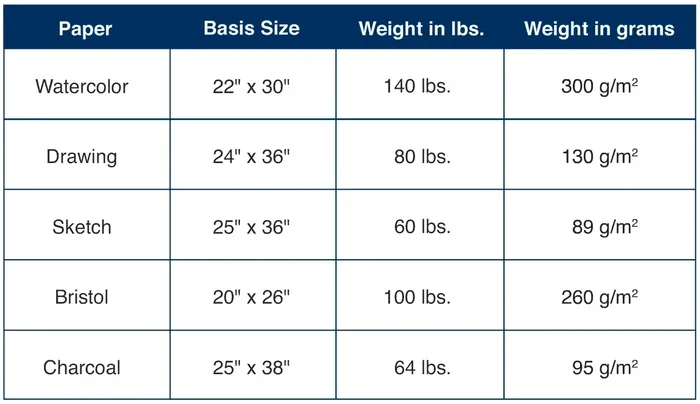

GSM stands for two things: grams per square meter (a material weight measurement) and Global System for Mobile Communications (the mobile network standard). This guide explains both gsm meaning definitions in simple, everyday language with real examples. By the end, you will understand gsm meaning for paper, fabric, and phones like a pro.
Have you ever picked up a ream of paper, felt a piece of fabric, or looked at your phone and seen the letters “GSM” without knowing what they mean? You are not alone. The gsm meaning confuses a lot of people, but it is actually quite simple once you learn the basics. In this complete guide, we will break down the gsm meaning in plain, easy-to-understand language. You will walk away knowing exactly what GSM stands for, why it matters, and how it affects the products you use every single day.
GSM has two primary meanings that people search for all the time. The first is grams per square meter, a measurement used to determine the weight and thickness of materials like paper, cardboard, and fabric. The second is Global System for Mobile Communications, the technology behind mobile phone networks worldwide. This guide covers both meanings in full detail. We will give you real-world examples, practical tips, and simple explanations so you never have to wonder about gsm meaning again.
Whether you are a student working on a school project, a business owner choosing the right paper for your brand, a crafter picking the perfect fabric, or just someone curious about what GSM means on your phone, this guide has you covered. Let us dive right in and explore the gsm meaning together.
Key Takeaways
- GSM has two main meanings: grams per square meter for materials and Global System for Mobile Communications for cellular networks.
- GSM in paper tells you the weight and quality: higher GSM means thicker, more durable paper for premium printing and cards.
- GSM in fabric affects warmth and softness: a higher GSM rating means denser, warmer, and more absorbent material.
- GSM in mobile tech is the foundation of cellular networks: it powers 2G connections and SIM card technology worldwide.
- Always compare GSM numbers within the same material type: paper GSM and fabric GSM are not interchangeable.
- Common mistakes include confusing GSM with thickness: GSM measures weight, not how thick something feels.
- Knowing the gsm meaning helps you make smarter purchases: from office paper to towels to phone network choices.
📑 Table of Contents
What Is the GSM Meaning?
GSM stands for different things depending on the context. In most everyday situations, gsm meaning refers to grams per square meter. This is a unit of measurement that tells you how much a material weighs per square meter of area. The higher the GSM number, the heavier and thicker the material is.
For example, a piece of paper with a GSM of 80 is lighter and thinner than a piece of paper with a GSM of 200. The gsm meaning gives you a quick and easy way to compare different materials without actually holding them in your hands. This is why you often see GSM printed on packaging, labels, and product descriptions.
In the world of mobile phones, gsm meaning takes on a completely different role. Here, GSM stands for Global System for Mobile Communications. It is the most widely used standard for cellular networks across the globe. When you make a call or send a text on a 2G network, you are using GSM technology. But for the rest of this guide, we will focus mainly on the grams per square meter definition, since that is what most people are searching for when they type “GSM meaning” into a search engine.
Why Does GSM Meaning Matter?
Understanding gsm meaning helps you make better choices. If you are printing a flyer, you want to know the right paper weight so it feels professional and looks great. If you are buying a towel, the GSM tells you how thick and absorbent it will be. In mobile tech, knowing the gsm meaning helps you understand network speeds and compatibility.
The gsm meaning is also important for quality control. Manufacturers use GSM to ensure their products meet certain standards. When you know what GSM means, you can compare products more easily and avoid low-quality items. It is one of those small details that makes a big difference in the end result.
Another reason gsm meaning matters is consistency. If you order custom GSM paper for your business and the supplier sends the wrong weight, your entire print job could look unprofessional. Understanding the gsm meaning protects you from costly mistakes and helps you communicate clearly with suppliers and manufacturers.
GSM Meaning in Paper and Materials
When people talk about gsm meaning in everyday life, they are most often referring to paper and similar materials. GSM in this context stands for grams per square meter. It measures how much a square meter of material weighs. This number tells you a lot about the quality and feel of the material.
The gsm meaning for paper is especially important in printing, packaging, and office supplies. Different projects need different paper weights, and knowing the GSM helps you pick the right one every time. Whether you are printing a simple document or designing luxury packaging, the gsm meaning guides your choice.
How Paper GSM Works
Here is how the gsm meaning works for paper. Imagine a square piece of material that is one meter long and one meter wide. Now weigh it on a scale. The number you get is the GSM. A higher number means the paper is heavier and thicker. A lower number means it is lighter and thinner.
For example, standard office paper usually has a GSM of around 80. That is what you find in your everyday printer. A gsm meaning of 80 gives you paper that is smooth, easy to feed through printers, and light enough to write on without your pen bleeding through.
Now think about a heavy cardstock. It might have a gsm meaning of 250 or even 300. That paper is thick, sturdy, and feels premium in your hands. You would use it for business cards, invitation cards, or high-end packaging. The gsm meaning in this range signals quality and durability.
Common Paper GSM Ranges
Here are some typical gsm meaning ranges you will encounter with paper and card stock:
- 30-50 GSM: Very thin paper, like tissue paper or newspaper. The gsm meaning here tells you the material is lightweight and fragile.
- 60-80 GSM: Standard writing and printing paper. This is the most common gsm meaning range for everyday office use.
- 90-120 GSM: Thicker paper for posters, flyers, and brochures. The gsm meaning in this range gives you a more substantial feel.
- 130-200 GSM: Cardstock and heavy paper for greeting cards, book covers, and premium packaging.
- 200+ GSM: Extremely thick material used for luxury cards, rigid boxes, and specialty GSM printing projects.
Practical Tips for Choosing the Right GSM Paper
Here are some quick tips to help you choose the right paper based on gsm meaning:
- For everyday printing: Stick with 80 GSM paper. It is the standard and works perfectly for documents and homework.
- For professional flyers: Choose 120 to 150 GSM. This gives your flyers a premium feel that people notice right away.
- For business cards: Go with 250 to 350 GSM. The higher gsm meaning makes your cards feel solid and impressive.
- For envelopes: Use 100 to 120 GSM. It is strong enough to protect your contents without being too bulky.
- For craft projects: Pick the GSM based on what you need. Thin paper for origami, thick paper for scrapbooking.
The gsm meaning is your best friend when shopping for paper. Always check the GSM number before you buy. It saves you from ending up with paper that is too thin, too thick, or just wrong for your project. A quick look at the gsm meaning on the package can save you time, money, and frustration.
GSM Meaning in Fabric and Textiles
The gsm meaning also plays a huge role in the world of fabric and textiles. In this context, GSM still stands for grams per square meter, but instead of measuring paper, it measures the weight of fabric. This number tells you a lot about how the fabric will feel, how warm it will be, and how durable it will last.
If you have ever wondered why some towels feel thick and fluffy while others feel thin and light, the gsm meaning holds the answer. Fabric with a higher GSM is denser, heavier, and usually more absorbent. Fabric with a lower GSM is lighter, more breathable, and often more comfortable in hot weather. The gsm meaning is essentially a fingerprint for fabric quality.
How Fabric GSM Works
Just like with paper, the gsm meaning for fabric is calculated by weighing one square meter of the material. A cotton t-shirt might have a gsm meaning of 150 to 200. That makes it light and breathable for everyday wear. You can feel the difference between a 150 GSM cotton shirt and a 220 GSM cotton shirt just by holding them.
A winter hoodie, on the other hand, might have a gsm meaning of 350 to 400. That extra weight comes from denser, warmer material that keeps you cozy in cold weather. The gsm meaning directly affects the warmth, softness, and overall quality of the fabric. When you understand the gsm meaning, you can predict how a fabric will perform before you even wear it.
Fabric GSM Ranges You Should Know
Here is a simple breakdown of common fabric gsm meaning ranges:
- 100-150 GSM: Very light fabric. Think summer dresses, thin shirts, and lightweight scarves. The low gsm meaning means the fabric breathes well and dries quickly.
- 150-250 GSM: Medium-weight fabric. This range covers most everyday clothing like t-shirts, casual shirts, and light jackets. The gsm meaning here balances comfort and durability.
- 250-350 GSM: Heavy fabric. Think denim, warm sweaters, and thick hoodies. The higher gsm meaning means more warmth and durability for cold weather.
- 350-500 GSM: Very heavy material. This is common in winter coats, heavy blankets, and durable workwear. The gsm meaning signals maximum warmth and strength.
- 500+ GSM: Extremely dense fabric. You will find this in premium towels, upholstery, and heavy-duty blankets. The gsm meaning in this range means luxury-level thickness.
Why Fabric GSM Matters for Your Purchases
Knowing the gsm meaning of fabric helps you make smarter buying decisions. When you shop for towels, look for a gsm meaning of 400 or higher for the best absorbency and softness. For bedding, a higher GSM means warmer, more comfortable sleep through the winter months.
For clothing, the gsm meaning tells you what season the garment is best suited for. A shirt with 160 GSM is perfect for summer wear. A jacket with 320 GSM is built for winter conditions. Always check the GSM label when you shop for fabric-based products. The gsm meaning gives you honest information about what you are buying.
What Does GSM Mean in Mobile Networks?
Now let us switch gears and talk about the gsm meaning in the mobile phone world. In this context, GSM stands for Global System for Mobile Communications. It is a standard that defines how cellular phones connect to networks and transmit data. The gsm meaning in mobile tech has shaped the way billions of people communicate every day.
The gsm meaning in mobile technology dates back to the 1990s. It was developed in Europe and quickly became the global standard for 2G cellular networks. Today, while newer technologies like 4G LTE and 5G have taken over, GSM is still the foundation that many networks are built upon. Understanding the gsm meaning in this context gives you insight into how your phone actually works.
How GSM Mobile Technology Works
GSM uses a digital signaling system to connect your phone to cell towers. When you make a call, your voice is converted into digital data, sent through the network, and converted back at the other end. The gsm meaning in this context refers to the entire system that makes this process possible.
One of the biggest advantages of GSM is that it uses SIM cards. A SIM card stores your phone number, network information, and personal data. This means you can easily switch phones by moving your SIM card to a new device. The gsm meaning in mobile tech is closely tied to the SIM card system, which is now standard across the world. Without the gsm meaning as a standard, mobile phone interoperability would not be as seamless as it is today.
GSM vs. Other Mobile Standards
It is helpful to understand how GSM compares to other mobile network standards. Here is a simple breakdown:
- GSM (2G): The original digital mobile standard. The gsm meaning here is Global System for Mobile Communications. It was the first widely adopted digital network and changed how the world communicates.
- CDMA: A competing standard used mainly in the US by certain carriers. CDMA and GSM are different approaches to the same problem: connecting phones to networks reliably.
- 3G (UMTS): The next generation after GSM. It offered faster data speeds and better call quality while still building on GSM foundations and the original gsm meaning framework.
- 4G LTE: A major leap in speed and performance. Most modern networks use 4G, which evolved from the original GSM infrastructure and its underlying gsm meaning principles.
- 5G: The latest standard. It offers ultra-fast speeds and low latency. 5G networks still use some GSM principles in their core design and network architecture.
Even though most people have moved past 2G networks, the gsm meaning as a foundational technology remains important. Many modern networks still use GSM-based systems for voice calls and text messaging, even when they deliver data through newer technologies. The gsm meaning lives on as the backbone of global cellular communication.
How to Measure and Use GSM Correctly
Now that you understand the gsm meaning in different contexts, let us talk about how to measure it and use it correctly. Whether you are working with paper, fabric, or mobile networks, knowing how GSM is measured helps you make better decisions and avoid common pitfalls.
Measuring GSM for Paper and Materials
To measure the gsm meaning of paper or any flat material, you need a precise scale and a cutting tool. Here is the basic process:
- Cut a sample of the material to a known size. The standard test size is 100 square centimeters.
- Weigh the sample on a digital scale that measures in grams.
- Multiply the weight by 100 to get the grams per square meter.
- The result is the gsm meaning or GSM rating of that material.
For most people, you do not need to measure GSM yourself. Manufacturers test their products and print the GSM number on the packaging. But if you are a quality control professional or a curious DIYer, knowing how to measure gsm meaning is a valuable skill. It gives you independence and confidence when evaluating products.
Measuring GSM for Fabric
Fabric GSM measurement follows a similar process but requires a few extra steps to be accurate:
- Cut a precise square of fabric, usually 100 square centimeters.
- Weigh the fabric sample on a sensitive digital scale.
- Multiply the weight by 100 to calculate the GSM.
- Take multiple samples from different parts of the fabric to get an accurate average gsm meaning reading.
The gsm meaning for fabric can vary slightly across different parts of the same material. This is why taking multiple samples gives you a more reliable result. Always round your measurement to the nearest whole number for consistency. The gsm meaning is a guideline, not an exact science, but it is close enough to help you make informed decisions.
Using GSM in Everyday Life
You can use your understanding of gsm meaning in many practical ways every day. Here are some ideas:
- Shopping for paper products: Check the GSM before you buy. Higher GSM means better quality for printing and writing.
- Buying towels and bedding: Look for a high GSM rating for maximum softness and absorbency.
- Choosing clothing: Match the fabric GSM to the season and activity. Light GSM for summer, heavy GSM for winter.
- Understanding your phone: Know that GSM is the technology that connects your phone to cellular networks worldwide.
- Comparing products: Use the gsm meaning as a quick and reliable way to compare similar products side by side.
The gsm meaning is a simple tool that gives you a lot of useful information. Once you understand it, you will start noticing GSM numbers everywhere, and you will know exactly what they mean. It becomes second nature after a while.
Common Mistakes People Make with GSM
Even though the gsm meaning is straightforward, many people still make mistakes when interpreting or using GSM numbers. Let us look at the most common errors so you can avoid them and get the best results from your purchases.
Mistake 1: Confusing GSM with Thickness
One of the biggest mistakes is assuming that a higher GSM always means a thicker material. While this is often true, it is not always the case. The gsm meaning measures weight, not thickness. Two materials can have the same GSM but feel very different in thickness. This is because different materials have different densities.
For example, a 200 GSM cotton fabric and a 200 GSM synthetic fabric will feel different. Cotton is less dense, so it will be thicker. Synthetic material is denser, so it will be thinner even at the same gsm meaning rating. Always keep this in mind when comparing products side by side.
Mistake 2: Ignoring GSM When Buying Paper
Many people buy paper without checking the gsm meaning on the package. This can lead to disappointing results. Thin paper may bleed when you print on it. Thick paper may jam in your home printer. Always match the GSM to your intended use. A quick check of the gsm meaning takes just a few seconds but saves you from a lot of headaches.
Mistake 3: Assuming Higher GSM Is Always Better
A higher gsm meaning number is not always better. It depends on what you need the material for. A 400 GSM towel is great for drying off after a shower. But a 400 GSM t-shirt would be uncomfortably heavy and hot to wear in summer. The right GSM depends on the purpose, not on the number alone. Use common sense along with the gsm meaning when making choices.
Mistake 4: Forgetting That GSM Varies by Material Type
GSM numbers are not the same across different materials. A 100 GSM paper is very different from a 100 GSM fabric. The gsm meaning is always relative to the type of material. Never compare GSM numbers across different material types. Always compare paper to paper and fabric to fabric. Mixing up the gsm meaning across categories leads to wrong conclusions.
Quick Tips to Avoid Common GSM Mistakes
- Always check the gsm meaning before purchasing paper, fabric, or any material-based product.
- Remember that GSM measures weight, not thickness or quality directly.
- Compare GSM numbers only within the same material category for accurate comparisons.
- Use the right GSM for the right purpose. There is no one-size-fits-all number.
- When in doubt, go higher for items like towels and cards, and lower for items like summer clothing and everyday GSM printing paper.
By avoiding these common mistakes, you will get much better results from any product you buy. Understanding the gsm meaning correctly is the first step toward making smarter purchases. A little knowledge goes a long way when it comes to the gsm meaning and how it affects the things you buy and use.
Final Thoughts on GSM Meaning
The gsm meaning is one of those simple concepts that has a big impact on your daily life. Whether you are choosing paper for a printing project, picking out a new towel, or just trying to understand what GSM means on your phone, knowing the basics gives you an edge. The gsm meaning is not just a number on a label. It is a tool that helps you make better decisions.
To recap, the gsm meaning in materials refers to grams per square meter, a unit that measures weight and density. The gsm meaning in mobile technology refers to Global System for Mobile Communications, the standard behind cellular networks. Both meanings are important, and both are easy to understand once you know the basics. The gsm meaning connects everyday shopping to big-picture technology in ways you might not expect.
The next time you see GSM on a product label or your phone screen, you will know exactly what it means. You will be able to make informed decisions, compare products with confidence, and impress your friends with your knowledge. The gsm meaning is a small detail that makes a big difference, and now you have the full picture.
Take what you have learned from this guide and start applying it today. Check the GSM on your next paper purchase, look at the GSM rating on your next towel, or share your knowledge about the mobile gsm meaning with someone who is curious. Knowledge is power, and understanding gsm meaning is a simple way to add a little more power to your everyday decisions. Start using the gsm meaning to your advantage right now.
Frequently Asked Questions
What is the full form of GSM?
GSM stands for grams per square meter when referring to materials like paper and fabric. In mobile technology, GSM stands for Global System for Mobile Communications. The gsm meaning depends entirely on the context in which you see it. Both definitions are widely used around the world.
What does a higher GSM mean for paper?
A higher gsm meaning for paper means the paper is thicker, heavier, and more durable. High GSM paper feels premium and is great for business cards, invitations, and posters. Lower GSM paper is thinner and better for everyday printing and writing. Always match the gsm meaning to your specific project needs.
Is higher GSM fabric always better?
Not necessarily. The best gsm meaning for fabric depends on what you need it for. A high GSM towel is great for absorbency, but a high GSM t-shirt would be too heavy for summer. Choose the gsm meaning that matches the season, activity, and purpose of the fabric. There is no one-size-fits-all answer.
What GSM is best for business cards?
For business cards, a gsm meaning of 250 to 350 is ideal. This range gives you thick, sturdy cards that feel professional and premium in hand. Cards below 250 GSM may feel flimsy, while anything above 350 GSM can be too thick for standard card holders. The right gsm meaning balances quality and practicality.
How is GSM different from paper thickness?
GSM measures weight per square meter, while thickness measures how thick a single sheet is. The gsm meaning and thickness are related but not the same. Different materials with the same GSM can have different thicknesses because of variations in density. Always use the gsm meaning as your primary guide when comparing materials.
Does my phone use GSM technology?
Most phones sold worldwide use GSM-based networks for voice calls and text messaging. Even if your phone uses 4G or 5G for data, it likely relies on the gsm meaning as a foundational standard for basic connectivity. GSM is the backbone of global mobile communication, and your phone benefits from it every day.
=== CONCLUSION ===
The gsm meaning is a simple yet powerful concept that touches many parts of your daily life. From the paper you print on to the towels you use to the phone in your pocket, understanding gsm meaning helps you make smarter choices. This guide has covered both meanings of GSM in detail, giving you practical knowledge you can use right away.
Remember that gsm meaning in materials refers to grams per square meter, a measurement of weight and density. And gsm meaning in mobile tech refers to Global System for Mobile Communications, the standard behind cellular networks. Both are important, and both are easy to understand once you know the basics.
Start paying attention to GSM numbers when you shop. You will be surprised at how much difference it makes. Whether you are choosing the right paper weight, the perfect fabric for your needs, or simply understanding your phone better, the gsm meaning gives you the information you need. Use this knowledge wisely, and you will always make the right choice.



