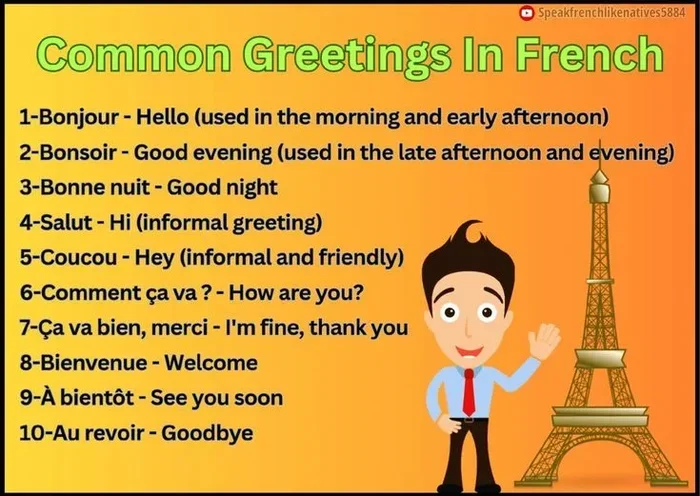

Learning how to say my name is in French is simpler than you think. The most common phrase is Je m’appelle, but there are several ways to introduce yourself like a true native speaker. This guide covers pronunciation, cultural tips, and practical examples so you can introduce yourself in French with confidence and ease.
Key Takeaways
- Je m’appelle is the standard way to say your name in French.
- French pronunciation follows consistent rules once you learn the basics.
- Adding a greeting before your name makes your introduction sound more natural.
- French names have masculine and feminine forms that matter in conversation.
- Accent marks change pronunciation, so learning them is essential.
- Practice with real-life examples to build confidence fast.
- You can use these skills for travel, gaming profiles, or social media like Funny Apple Watch Name Ideas.
📑 Table of Contents
- How to Say My Name Is in French: A Complete Guide
- The Basic Phrase: Je M’Appelle
- Different Ways to Introduce Yourself in French
- How French Names Work
- Pronunciation Tips for French Names
- Common Mistakes to Avoid
- Practical Examples for Real-Life Situations
- Quick Tips to Sound Like a Native Speaker
- Final Thoughts
How to Say My Name Is in French: A Complete Guide
So you want to learn how to say my name is in French? Great choice! French is one of the most beautiful languages in the world. Whether you are traveling to Paris, meeting new friends, or just curious about the language, knowing how to introduce yourself is the first step.
The good news is that it is really straightforward. You do not need years of study to say your name properly. A few simple phrases and some pronunciation tips will get you there fast. Let us dive in and make it easy.
Why Learning This Matters
First impressions matter everywhere. When you meet someone new, they want to know who you are. In French-speaking countries, introducing yourself the right way shows respect. It also helps you connect with people on a deeper level. Even a simple hello my name is in French can open doors.
Plus, if you are setting up a profile or choosing a name for a game or device, knowing French naming styles helps. For example, you might check out Funny French Names for inspiration when picking a French-style name for yourself or a character.
The Basic Phrase: Je M’Appelle
The most common and natural way to say your name in French is Je m’appelle. This literally means “I call myself.” It is the standard phrase used by native speakers every single day. You will hear it in movies, on the street, and in classrooms.
Here is how it works:
- Je m’appelle [Your Name]. — My name is [Your Name].
- Moi, c’est [Your Name]. — Me, it’s [Your Name].
- Je suis [Your Name]. — I am [Your Name].
Each of these works, but Je m’appelle is by far the most popular. It sounds natural and polite. Use it in almost any situation.
Pronouncing Je M’Appelle
French pronunciation can feel tricky at first, but this phrase is actually easy. Here is a simple breakdown:
- Je — sounds like “zhuh”
- m’appelle — sounds like “ma-pehl”
Put it together and you get “Zhuh mah-pehl.” That is it! The trick is the soft “zh” sound at the start. It is similar to the “s” in “measure.” Practice saying it slowly a few times, and it will feel natural soon.
Different Ways to Introduce Yourself in French
There is more than one way to share your name in French. Native speakers use different phrases depending on the situation. Let us look at the most common options.
The Casual Approach
When you are talking to friends or people your age, you can keep it relaxed. Try these:
- Salut, c’est [Name]! — Hi, it’s [Name]!
- Moi c’est [Name]. — Me, it’s [Name].
- Je suis [Name]. — I am [Name].
These casual phrases work great in informal settings. Use them when chatting with new people at a café or at a social gathering. They sound friendly and approachable.
The Formal Approach
In professional or polite settings, you want to sound more refined. Use these phrases:
- Bonjour, je m’appelle [Name]. — Hello, my name is [Name].
- Enchanté(e), je suis [Name]. — Nice to meet you, I am [Name].
- Permettez-moi de me présenter, je m’appelle [Name]. — Allow me to introduce myself, my name is [Name].
The formal versions show respect and good manners. They are perfect for business meetings, job interviews, or when meeting someone older.
How French Names Work
French names follow some interesting rules. Understanding these rules helps you sound more like a native speaker. Let us break it down simply.
Masculine and Feminine Forms
French has gendered language. This means adjectives and articles change based on whether the speaker is male or female. Here are some examples:
- Je m’appelle Pierre. (Male name)
- Je m’appelle Marie. (Female name)
- Enchanté (masculine) vs. Enchantée (feminine)
Notice how “enchanté” changes to “enchantée” for a female speaker. This is a key part of sounding natural in French. Pay attention to these small details.
Common French First Names
If you are picking a French-style name or just curious, here are some popular ones:
- For males: Jean, Pierre, Lucas, Antoine, Julien
- For females: Marie, Sophie, Camille, Elise, Amélie
These names are common across France and other French-speaking regions. They sound authentic and are easy for non-native speakers to pronounce.
Pronunciation Tips for French Names
French has some unique sounds that do not exist in English. Here are the most important tips to help you pronounce names correctly.
The Silent Letters
Many French words end with silent letters. This surprises English speakers at first. Here are the key rules:
- The final “e” in a word is usually silent.
- The final “s” is usually silent.
- The final “t” is usually silent.
For example, “Pierre” is pronounced “Pee-air,” not “Pee-air-er.” The final “r” is a soft, guttural sound, almost like a gentle cough. Practice this sound slowly, and it will come naturally.
Nasal Sounds
French has nasal vowels that do not exist in English. These sounds come through your nose. The most common ones are:
- an — sounds like “ah” through your nose
- en — similar to “an”
- in — sounds like “ehn” through your nose
Names like “Jean” use the nasal “en” sound. It might feel weird at first, but your mouth will adjust with practice. Listen to native speakers and try to copy them.
Accent Marks Matter
French uses accent marks that change how words sound. Here are the most common ones you will see in names:
- É — pronounced like “ay” (as in “café”)
- È — pronounced like “eh” (as in “rest”)
- Ê — also pronounced like “eh”
- Ç — always sounds like “s” (as in “garçon”)
These small marks make a big difference. They guide your pronunciation and help you sound more natural. Never ignore them when reading a French name.
Common Mistakes to Avoid
Even the best learners make mistakes. Here are the most common errors when saying your name in French, and how to avoid them.
Overpronouncing the Final Letters
English speakers tend to pronounce every letter. French does not work that way. Do not add extra sounds at the end of words. Keep your words clean and soft. The final consonants are usually silent.
Using the Wrong Gender
If you are female, make sure to use “enchantée” and not “enchanté.” Using the wrong gender is a small mistake, but it stands out to native speakers. It shows a lack of attention to detail.
Translating Your Name Literally
Not every name has a French equivalent. Do not try to force a translation. If your name is “John,” you can simply say Je m’appelle John. French speakers will understand. You do not need to find a French version of your name.
Practical Examples for Real-Life Situations
Theory is great, but practice makes perfect. Here are real-life scenarios where you can use what you have learned.
At a Café in Paris
You sit down at a small café. The waiter asks your name. You smile and say:
“Bonjour, je m’appelle Sarah. Un café crème, s’il vous plaît.”
Simple, polite, and natural. This is exactly how a native speaker would handle the situation.
At a Networking Event
You meet someone new at a professional event. You extend your hand and say:
“Enchanté, je m’appelle David. Ravi de vous rencontrer.”
This sounds polished and confident. It shows you know the basics of French etiquette.
Online or in a Game
If you are choosing a French name for a profile or game, keep it simple and stylish. Many players look for unique names for platforms or games. You might even draw inspiration from lists like Among Us Name for creative ideas that work in a French style too.
Quick Tips to Sound Like a Native Speaker
Want to level up your French introductions? Try these quick tips:
- Listen and repeat. Watch French videos and copy how people introduce themselves.
- Slow down. It is better to speak slowly and clearly than to rush and make mistakes.
- Use gestures. A friendly smile and a slight nod go a long way in French culture.
- Practice daily. Say your name in French five times every morning. It builds muscle memory.
- Record yourself. Listen back and compare your pronunciation to native speakers.
These small habits add up fast. Within a few weeks, you will introduce yourself in French without thinking twice.
Final Thoughts
Learning how to say my name is in French is a small step with big rewards. It opens doors to new friendships, travel experiences, and cultural connections. The phrase Je m’appelle is your best friend. Practice it daily, and it will become second nature.
Remember to keep your pronunciation soft, respect the gender forms, and never stress about being perfect. Every French speaker started somewhere. The fact that you are learning already puts you ahead of the crowd. So go ahead, introduce yourself in French today, and enjoy the journey.
Whether you are setting up a new profile, meeting someone for the first time, or just practicing for fun, you now have everything you need. Confidence comes with practice. So speak up, smile, and say it with pride. Je m’appelle [Your Name] — and now you know exactly how to say it like a true native.
Frequently Asked Questions
What is the most common way to say my name in French?
The most common way is Je m’appelle followed by your name. It is used by native speakers in both casual and formal settings. This phrase literally means “I call myself” and is the standard French introduction.
Do I need to change my name to sound French?
No, you do not need to change your name at all. You can simply say Je m’appelle [Your Name]. French speakers will understand your name just fine. Only change it if you personally want to adopt a French version.
How do I pronounce French names correctly?
Focus on soft, nasal sounds and remember that final consonants are usually silent. Listen to native speakers and repeat after them. Practice the “zh” sound for “Je” and the soft “r” at the end of words like “Pierre.”
Is there a difference between male and female introductions in French?
Yes, there is a small difference. Females say “Enchantée” and males say “Enchanté.” The adjective changes to match the speaker’s gender. This is an important detail that native speakers notice and appreciate.
Can I use these phrases for online profiles and gaming names?
Absolutely. Using Je m’appelle or a French-style name works great for online profiles, social media, and gaming. You can even draw inspiration from name ideas on sites that cover topics like Funny French Names for creative options.
How long does it take to learn basic French introductions?
You can learn the basics in just a few days. The key phrases are simple and short. With daily practice of five to ten minutes, you will feel confident introducing yourself in French within one to two weeks.
=== CONCLUSION ===
How to say my name is in French is a skill anyone can pick up quickly. The phrase Je m’appelle is your go-to tool for every situation. Combine it with a friendly greeting, pay attention to pronunciation, and respect the gender forms. You will sound natural and confident in no time.
Start practicing today. Say your name out loud in French five times. Record yourself. Listen back. Repeat. These simple steps will build your confidence and sharpen your pronunciation. The French language is full of beauty and charm, and your introduction is the first impression that opens the door.
So go ahead, embrace the language, and introduce yourself with pride. Je m’appelle — and now you know exactly how to make it sound like a true native speaker.



