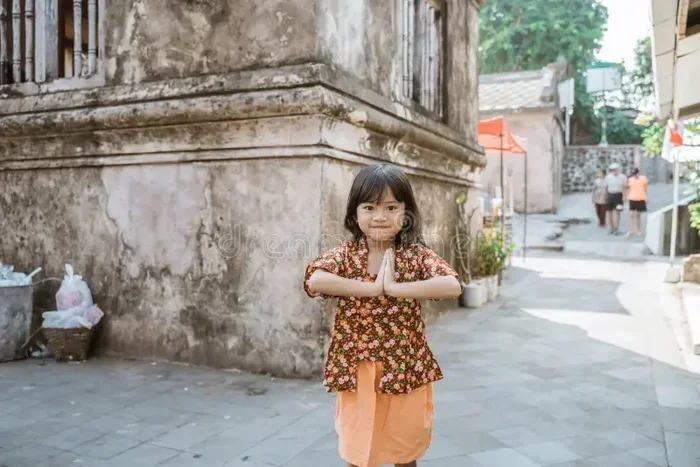

Learning how to say good morning in Indonesian is one of the fastest ways to connect with locals and show respect for their culture. Whether you are traveling to Bali, Jakarta, or any Indonesian city, knowing the right greeting opens doors and builds trust. The most common phrase is selamat pagi, but there are many other ways to greet people depending on the time of day and how formal the setting is.
Have you ever wondered how to say good morning in Indonesian and actually sound natural? Whether you are planning a trip to Bali, Jakarta, or any other Indonesian city, starting your day with the right greeting makes a huge difference. The Indonesian language is warm, friendly, and full of expressions that reflect the culture’s emphasis on respect and harmony. Learning a few simple phrases can turn a basic trip into a memorable experience filled with genuine connections.
Knowing how to say good morning in Indonesian opens doors that tourists often miss. Locals appreciate when visitors make even a small effort to speak their language. A simple morning greeting can spark a conversation, earn you a smile, and sometimes even lead to unexpected adventures. This guide walks you through every common way to greet someone in the morning, from formal to casual, so you can choose the right phrase for any situation.
Key Takeaways
- Selamat pagi is the standard and most widely used good morning phrase in Indonesian.
- Indonesian greetings change based on formality, time of day, and your relationship with the person.
- Using informal greetings like “Pagi!” shows warmth and helps you connect with younger locals.
- Regional variations exist across Indonesia, so learning local greetings adds a special touch.
- Cultural etiquette matters — a smile and slight nod go a long way when greeting people.
- Pronunciation is straightforward, and most Indonesian words are phonetic and easy to say.
- Avoid common mistakes like using formal greetings in casual settings or skipping the greeting entirely.
📑 Table of Contents
- Why Learning How to Say Good Morning in Indonesian Matters
- The Standard Way to Say Good Morning in Indonesian
- Informal and Casual Good Morning Phrases
- Regional Variations Across Indonesia
- Cultural Etiquette for Morning Greetings
- Common Mistakes When Greeting in Indonesian
- Digital Greetings and Texting Culture in Indonesia
- Quick Tips for Remembering Indonesian Morning Phrases
- Conclusion
Why Learning How to Say Good Morning in Indonesian Matters
Greetings are the foundation of every conversation. In Indonesian culture, the way you greet someone sets the tone for everything that follows. It shows whether you respect the person, understand social norms, and care about building a relationship. This is especially true in Indonesia, where politeness and warmth are deeply valued in daily interactions.
First Impressions Count a Lot
When you step off a plane in Jakarta or walk into a warung in Bali, the first words you speak matter. Using the correct Indonesian greeting tells people you have made an effort. It signals respect and curiosity about their culture. Even a basic morning greeting like “Selamat pagi” can make locals feel appreciated and willing to help you.
Think about it this way. When someone visits your country and tries to speak your language, how does it make you feel? Most people feel flattered and excited. The same goes for Indonesians. Your attempt to greet them properly creates an instant bond.
The Role of Greetings in Indonesian Culture
Indonesia is a diverse country with hundreds of ethnic groups and languages. Despite this diversity, greeting customs share common threads across the archipelago. Respect for elders, warmth toward strangers, and a general sense of community shape how people greet each other every morning.
The Indonesian language, also known as Bahasa Indonesia, is designed to be simple and inclusive. Unlike some languages with complex grammar rules, Indonesian uses straightforward sentence structures. This makes language learning accessible for travelers and newcomers. Mastering a few common phrases is easier than you might think.
| Greeting Type | Phrase | When to Use | Formality Level |
|---|---|---|---|
| Standard Morning | Selamat pagi | Any morning setting, formal or casual | Neutral to Formal |
| Casual Morning | Pagi! | With friends, peers, younger people | Informal |
| Polite Morning | Selamat pagi, Pak/Bu | Addressing elders or respected people | Formal |
| Enthusiastic Morning | Selamat pagi! Ada kabar? | With acquaintances or friendly strangers | Semi-Formal |
| Very Casual | Paginya! | Close friends, family | Very Informal |
As you can see from the table above, formal vs informal greetings play a big role in Indonesian communication. Choosing the right one depends on who you are talking to and the setting.
The Standard Way to Say Good Morning in Indonesian
The most recognized and widely used phrase for how to say good morning in Indonesian is selamat pagi. This phrase works in almost every situation, from greeting a hotel receptionist to addressing a shop owner. It is the safest and most polite choice for travelers.
Selamat Pagi — The Classic Greeting
Selamat pagi breaks down into two parts. “Selamat” means “safe” or “well,” and “pagi” means “morning.” So the literal translation is “safe morning” or “well morning.” Indonesians use this phrase from early morning until around mid-morning, usually until about 10 or 11 a.m.
The beauty of selamat pagi is its versatility. You can use it with anyone — strangers, colleagues, vendors, or new acquaintances. It carries no risk of being too casual or too formal. If you only learn one Indonesian greeting, make it this one.
When to Use Selamat Pagi
Use selamat pagi in these situations:
- When entering a shop or restaurant in the morning
- When greeting your hotel staff or a tour guide
- When meeting someone for the first time
- When addressing elders or people in authority
- When you want to be polite and respectful
Pronunciation is simple. “Seh-lah-mat pah-gee” — each syllable gets equal stress. Indonesian is a phonetic language, so once you learn how each letter sounds, you can read and say any word correctly.
Pronunciation Tips for Selamat Pagi
Here is a quick breakdown of the pronunciation:
- Seh — like “seh” in “set”
- lahm — like “lahm” with a soft “l” and a short “a”
- at — like “at” in “at home”
- pah — like “pa” in “parent”
- gee — like “gee” in “geese”
Practice saying it slowly a few times. Once it feels natural, speed up a little. Indonesians will appreciate your effort regardless of how perfect your pronunciation is.
Informal and Casual Good Morning Phrases
While selamat pagi is perfect for most situations, Indonesian also has shorter, more casual greetings. These are great for everyday interactions with friends, peers, or younger people. Using informal greetings shows that you understand the social dynamics of the language.
Pagi! — The Quick and Friendly Option
The simplest way to say good morning casually is just “Pagi!” It is like saying “Morning!” in English. Use this with people you already know or with young Indonesians who appreciate a relaxed tone.
This greeting works well in informal settings like:
- Catching up with a friend at a café
- Greeting a neighbor while walking to the market
- Texting a local friend in the morning
- Casual conversations with people your age
Keep in mind that “Pagi!” is not appropriate for formal situations or when speaking to elders. Always read the room and adjust your greeting accordingly.
Other Casual Morning Greetings
Beyond “Pagi!”, Indonesians also use phrases like “Selamat pagi, apa kabar?” which means “Good morning, how are you?” This is a warm and friendly way to start a conversation. The phrase “ada kabar?” (any news?) is a common follow-up that shows genuine interest.
Another popular casual phrase is “Pagii!” with a double “i” at the end. This elongated version adds a playful, friendly tone. Young Indonesians often use it when greeting close friends.
Regional Variations Across Indonesia
Indonesia is made up of thousands of islands, each with its own local languages and dialects. While Bahasa Indonesia serves as the national language, regional greetings add flavor and cultural depth to your interactions.
Java, Bali, and Beyond
In Java, you might hear people use Javanese greetings alongside Bahasa Indonesia. In Bali, the local Balinese language has its own morning expressions. Learning a few regional phrases shows deep respect for local culture and can earn you extra goodwill from the community.
For example, in Balinese culture, greeting someone with a slight bow and a smile is customary. The gesture matters as much as the words. Similarly, in parts of Sumatra and Sulawesi, local dialects have unique morning expressions that reflect the rich linguistic diversity of the country.
You do not need to master all regional variations. But being aware that they exist and showing curiosity about them can make your interactions more meaningful. Many Indonesians are proud of their local languages and love to share them with visitors.
Cultural Etiquette for Morning Greetings
Using the right words is only part of the equation. How you deliver a greeting matters just as much in Indonesian culture. Understanding the cultural context behind polite expressions helps you connect more authentically with the people you meet.
Body Language and Smiles
Indonesians are known for their warmth and friendliness. A genuine smile paired with a morning greeting goes a very long way. Maintain gentle eye contact and offer a slight nod. These small gestures show that you are present and respectful.
Avoid overly firm handshakes or aggressive body language, especially in rural areas. A soft handshake or simply placing your hand over your heart after greeting someone is a lovely gesture that locals truly appreciate.
Addressing People Properly
When greeting elders or people in formal settings, Indonesians often add titles like “Pak” (for men) or “Bu” (for women) after the greeting. For example, “Selamat pagi, Pak” means “Good morning, Sir.” Using these titles shows respect and social awareness.
If you are unsure what title to use, a simple smile and “Selamat pagi” is always safe. Indonesians are generally very forgiving of tourists who are still learning the ropes.
Common Mistakes When Greeting in Indonesian
Even with the best intentions, language learners can make mistakes. Here are some common errors to avoid when using morning greetings in Indonesian:
- Using formal greetings with close friends. Saying “Selamat pagi” to a buddy can feel stiff and awkward. Use “Pagi!” instead.
- Skipping the greeting entirely. Jumping straight into a question or request without greeting someone first can come across as rude in Indonesian culture.
- Mispronouncing words. While Indonesians are very patient with learners, making an effort to pronounce words correctly shows respect.
- Using greetings at the wrong time of day. “Selamat pagi” is specifically for morning hours. Using it in the afternoon can confuse people.
- Ignoring regional differences. Assuming Bahasa Indonesia is the only language spoken can overlook the rich diversity of local cultures.
Being aware of these pitfalls helps you navigate conversations more smoothly and shows that you genuinely care about getting things right.
Digital Greetings and Texting Culture in Indonesia
Indonesia has one of the most active social media and messaging populations in the world. Millions of Indonesians start their day by sending messages on WhatsApp, Instagram, or other platforms. Understanding how people greet each other digitally is an important part of modern conversational Indonesian.
In casual digital conversations, young Indonesians often use shortened phrases and abbreviations. The way people text their morning greetings can be quite different from how they speak them in person. For instance, you might see very brief and playful messages instead of full sentences.
It is also common to encounter English abbreviations mixed into Indonesian chat conversations. Many young people blend languages in their daily texting. You might come across messages where wtw meaning in text shows up in casual chats, especially when someone is responding quickly and playfully. Similarly, ts meaning in text is another abbreviation that appears frequently in informal Indonesian digital communication. These shortcuts reflect how dynamic and creative Indonesian online culture has become.
Understanding these digital nuances helps you connect with younger Indonesians and feel more comfortable in modern social settings. If someone texts you a casual morning greeting, matching their energy with a relaxed response goes a long way.
One more thing to keep in mind — sometimes Indonesians use English expressions in their conversations, and knowing what they mean helps you follow along. For example, if someone says something that carries a sense of relief or finality, understanding good riddance meaning can help you recognize when they are being playful rather than serious. This kind of cultural awareness makes your interactions more natural and enjoyable.
Quick Tips for Remembering Indonesian Morning Phrases
Learning new phrases can be challenging, but these tips make it easier:
- Repeat out loud every morning. Say “Selamat pagi” to yourself when you wake up. Repetition builds muscle memory.
- Use flashcard apps. Apps like Anki or Quizlet help you review phrases daily in short sessions.
- Watch Indonesian morning shows. Listening to native speakers say greetings helps you pick up natural pronunciation and rhythm.
- Practice with a language partner. Find a language exchange partner online and greet each other in Indonesian every morning.
- Write phrases in a journal. Writing by hand reinforces memory and helps you notice patterns in the language.
The key to mastering daily greetings is consistency. Even five minutes of practice each day leads to noticeable improvement over time. Do not worry about being perfect. Focus on being confident and friendly.
Conclusion
Learning how to say good morning in Indonesian is more than just memorizing a phrase. It is a gateway to deeper cultural understanding and more meaningful travel experiences. From the standard selamat pagi to casual “Pagi!” and regional variations, each greeting carries its own warmth and context.
Indonesians are incredibly welcoming people who appreciate any effort visitors make to communicate in their language. Whether you are greeting a hotel concierge, a street vendor, or a new friend, the right morning phrase sets a positive tone for the entire day. Practice these phrases before your next trip, and you will find that conversations flow more naturally and connections form more easily.
Start with “Selamat pagi,” add a smile, and watch how people light up. The Indonesian language is a beautiful tool for building bridges, and your morning greeting is the first step across. Use these tips, stay curious, and enjoy every interaction on your journey through Indonesia.
Frequently Asked Questions
What is the most common way to say good morning in Indonesian?
The most common and widely used phrase is selamat pagi. It works in both formal and casual settings and is understood across all regions of Indonesia. This is the phrase every traveler should learn first.
Is Bahasa Indonesia the same as Indonesian?
Yes, Bahasa Indonesia is the official name of the Indonesian language. “Bahasa” means “language” and “Indonesia” refers to the country. It is the standardized form used in education, media, and government throughout the nation.
Can I use “Pagi!” with strangers?
It is best to use “Pagi!” with people you already know or with younger individuals. For strangers or elders, stick with “Selamat pagi” to show proper respect. Using casual greetings with unfamiliar people can sometimes feel too relaxed.
What time of day should I stop saying “Selamat pagi”?
Use “Selamat pagi” from early morning until around 10 or 11 a.m. After that, switch to “Selamat siang” for good afternoon. Matching the greeting to the time of day shows cultural awareness and attention to detail.
Do Indonesians appreciate when tourists try to speak their language?
Absolutely. Indonesians are known for their warmth and hospitality. Even a basic attempt at greeting in Bahasa Indonesia is met with genuine appreciation and often leads to friendlier, more engaging interactions during your visit.
Are there any apps to help me practice Indonesian greetings?
Yes, there are several great apps for learning Indonesian. Duolingo, Memrise, and Drops all offer Indonesian language courses. You can also find YouTube channels and podcasts dedicated to conversational Indonesian that focus specifically on daily greetings and phrases.